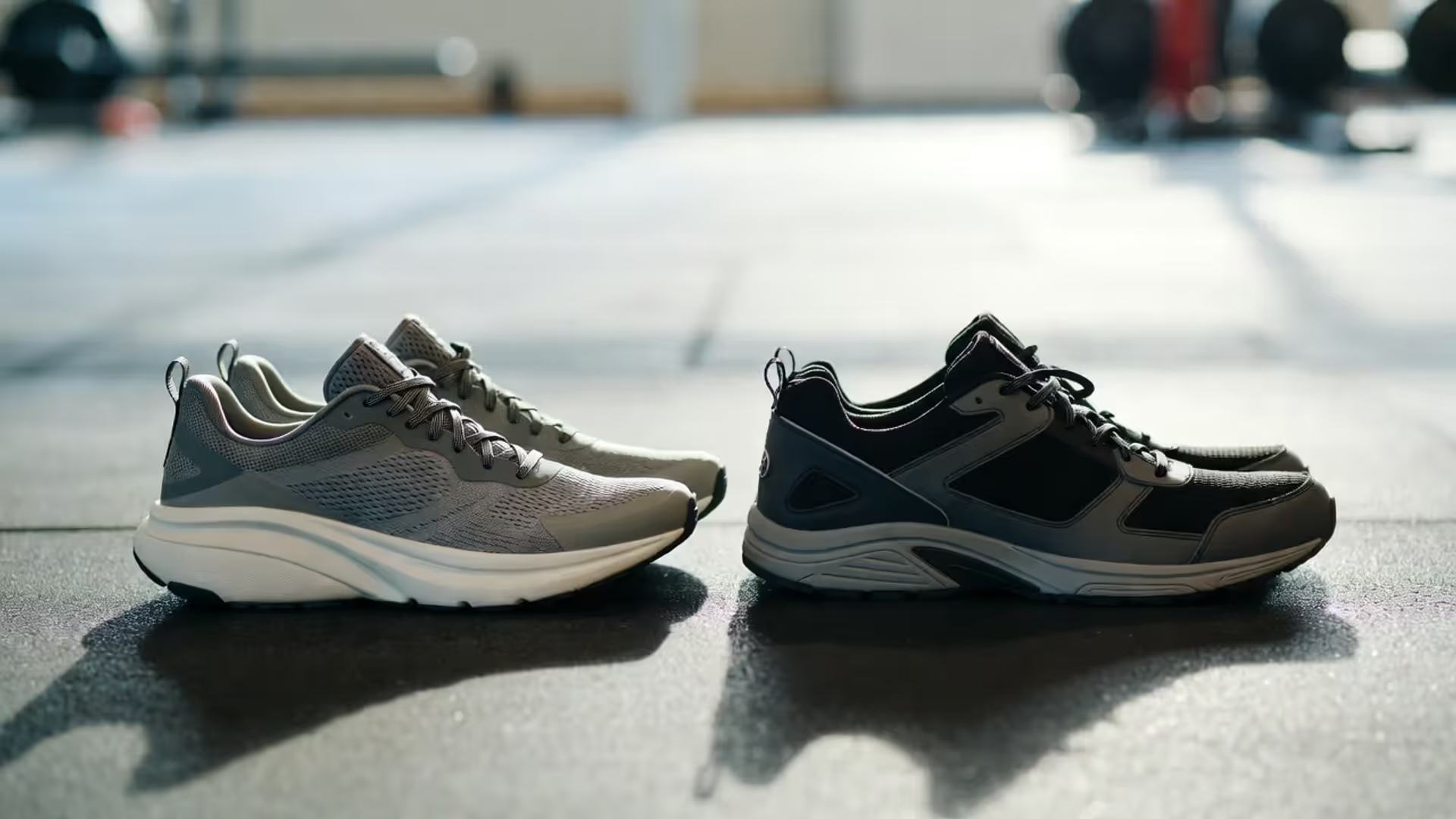
When it comes to fitness and sports, the right equipment can make all the difference between reaching your peak performance and falling short. While many athletes and fitness enthusiasts focus on high-tech gadgets, supplements, and training programs, one crucial aspect often goes overlooked — the right footwear. Choosing the right shoes for your sport or fitness activity is not just about comfort; it’s about optimizing performance, preventing injury, and ultimately, enhancing your game. In this article, we’ll explore how the right shoes can make or break your performance, what to look for in athletic footwear, and how to choose the best shoes based on your specific activity.
Author: Amanda Reeds;
Source: thelifelongadventures.com
Your feet are your foundation, bearing the brunt of your body’s weight and absorbing shock with every step, jump, and pivot. Inadequate or inappropriate footwear can throw off your biomechanics, leading to decreased performance and a higher risk of injury. On the other hand, the right shoes can provide support, stability, and even enhance your speed, agility, and power.
Understanding the Anatomy of Athletic Shoes
Before diving into how shoes can impact performance, it’s essential to understand the basic anatomy of an athletic shoe. Each part plays a role in comfort, stability, and movement efficiency:
- Upper: This part of the shoe covers the top of your foot and includes the tongue, laces, and eyelets. It provides a secure fit and stability.
- Midsole: Located between the upper and the outsole, the midsole is the primary source of cushioning and support. It is often made from materials like EVA (ethylene vinyl acetate) or polyurethane to absorb impact and reduce stress on the joints.
- Outsole: The bottom of the shoe, which comes into direct contact with the ground, provides traction and durability. It can be made of rubber or other synthetic materials, designed for specific surfaces (e.g., court, trail, road).
- Heel Counter: A rigid structure around the heel that provides support and prevents overpronation (excessive inward rolling of the foot).
- Toe Box: The front part of the shoe where the toes rest. A spacious toe box prevents discomfort and allows natural foot movement.
- Insole: The insert within the shoe that provides additional cushioning and arch support. It’s often removable and can be replaced with custom orthotics if needed.
Each component works together to provide the necessary balance of support, flexibility, and traction for the activity at hand.
Wearing the right shoes for your chosen sport or activity can enhance performance in several key ways. Here’s how proper footwear supports your game:
1. Optimizing Biomechanics and Movement Efficiency
Each sport requires a unique set of movements, such as sprinting, jumping, cutting, and lateral shifts. The right shoe design supports these movements by aligning the foot correctly, promoting efficient motion, and reducing unnecessary energy expenditure. Running shoes, for example, are designed to promote forward motion, while basketball shoes support lateral movement and quick pivots.
2. Reducing the Risk of Injury
Inadequate footwear is a leading cause of sports-related injuries. Shoes that lack proper cushioning, support, or stability can lead to conditions like plantar fasciitis, shin splints, knee pain, and even stress fractures. For instance, runners who wear shoes with insufficient arch support may experience overpronation, leading to knee and hip pain over time.
3. Enhancing Agility, Speed, and Power
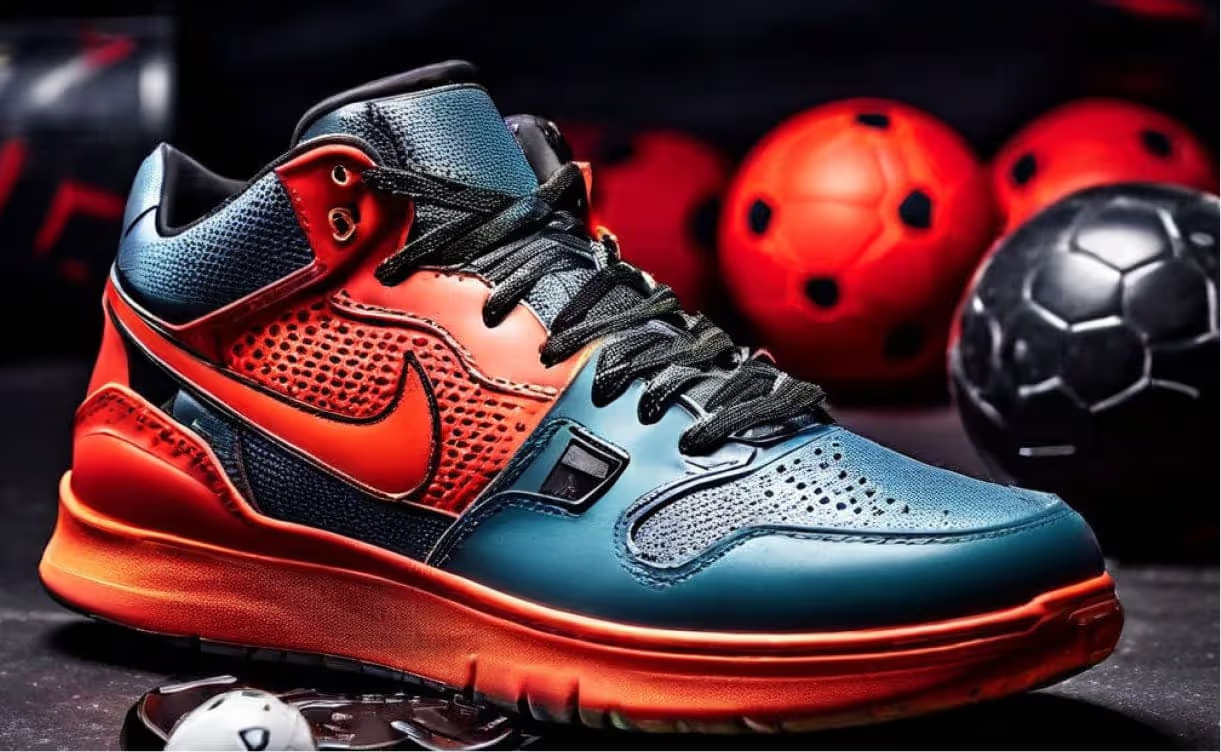
The right shoes can improve your speed, agility, and power by providing better traction and grip, allowing you to change direction quickly and maintain balance. For example, cleats for soccer or football dig into the turf, offering stability during sprints and sharp turns, while lightweight running shoes with responsive cushioning can boost your speed by minimizing ground contact time.
[InContent]
4. Increasing Comfort and Reducing Fatigue
Comfort is a significant factor in performance. Shoes that fit well and offer adequate cushioning reduce pressure points and prevent blisters, allowing athletes to perform at their best without distraction. Over time, wearing comfortable shoes reduces fatigue, allowing for longer, more productive training sessions.
5. Boosting Confidence and Focus
Wearing the right shoes can have a psychological impact as well. When you know you’re equipped with the right gear, you feel more confident and focused, allowing you to concentrate on your performance rather than worrying about discomfort or the risk of injury.
Choosing the Right Shoes Based on Your Activity
Author: Amanda Reeds;
Source: thelifelongadventures.com
Now that we’ve established the importance of proper footwear, let’s dive into how to choose the right shoes based on your specific sport or fitness activity. Different sports require different types of shoes, each designed with unique features to meet the demands of the activity.
1. Running Shoes: Finding the Perfect Pair for Your Gait and Terrain
Running shoes are perhaps the most specialized type of athletic footwear, designed to support repetitive forward motion. The ideal running shoe depends on factors like your foot shape, running gait, and the surface you run on (e.g., road, trail, or treadmill).
Key Features of Running Shoes:
Cushioning: Adequate cushioning absorbs impact and reduces stress on the knees and hips. Cushioning levels can vary from minimalist designs for those seeking a natural feel to maximalist shoes for extra support.
Heel-to-Toe Drop: The difference in height between the heel and the toe impacts running mechanics. A lower drop promotes a midfoot or forefoot strike, while a higher drop supports heel strikers.
Support: Look for motion-control or stability shoes if you overpronate (excessive inward rolling) or underpronate (outward rolling).
Breathability: Lightweight, breathable materials like mesh help regulate temperature and reduce sweat.
Choosing Based on Terrain:
Road Running Shoes: Designed for pavement and packed surfaces, these shoes offer light cushioning and a flexible sole for smooth transitions.
Trail Running Shoes: Equipped with deeper lugs and a more rigid structure for traction on uneven, rocky, or muddy terrain.
Treadmill Running Shoes: Typically lightweight with minimal tread, designed for comfort and shock absorption on smooth surfaces.
Leading Running Shoe Brands:
2. Basketball Shoes: Supporting High-Impact Movements
Basketball involves high-intensity jumping, quick direction changes, and powerful sprints. The right basketball shoe provides ankle support, shock absorption, and a secure fit to support these movements.
Key Features of Basketball Shoes:
Ankle Support: High-top shoes provide maximum ankle support, while low-tops offer more flexibility and speed. Choose based on your playing style and position.
Cushioning: A responsive midsole (often made of foam or air technology) helps absorb impact from jumps and hard landings.
Traction: A herringbone or multi-directional outsole pattern provides grip on indoor courts, allowing for quick cuts and direction changes.
Choosing Based on Playing Style:
Guards: Typically prefer low-tops for agility and speed.
Forwards: Benefit from mid-tops for a balance of support and flexibility.
Centers: Often opt for high-tops to protect the ankles and provide stability during post-play.
Leading Basketball Shoe Brands:
3. Cross-Training Shoes: Versatility for Multi-Directional Movement
Cross-training shoes are designed for those who engage in a variety of fitness activities, such as weightlifting, HIIT workouts, and group fitness classes. These shoes offer a blend of cushioning, support, and flexibility to handle different movements.
Key Features of Cross-Training Shoes:
Lateral Support: Reinforced sidewalls and a stable base prevent excessive foot movement during side-to-side exercises.
Durability: Extra durability in high-wear areas, such as the toe box, is essential for activities like rope climbing.
Stability: A flatter, wider outsole provides stability for weightlifting and dynamic movements.
Flexibility: The forefoot should allow for natural movement and quick changes in direction.
Choosing Based on Workout Type:
Weightlifting: Look for shoes with minimal cushioning and a flat sole for maximum ground contact.
HIIT and Cardio: Opt for shoes with responsive cushioning and a flexible forefoot.
Dance and Aerobics: Choose shoes with pivot points on the outsole for smooth turns and transitions.
Leading Cross-Training Shoe Brands:
4. Tennis and Court Shoes: Stability and Traction for Quick Direction Changes
Tennis and court shoes are designed to support the lateral movements, quick stops, and fast pivots that are common in sports like tennis, squash, and badminton. Choosing the right shoe is crucial for preventing ankle injuries and maintaining speed on the court.
Key Features of Court Shoes:
Lateral Support: Reinforced side panels and a supportive midsole to handle side-to-side motion.
Durability: Enhanced durability in high-wear areas, such as the toe and medial side, to withstand frequent slides and pivots.
Traction: The outsole pattern is designed for specific surfaces (e.g., clay, grass, or hard court) to provide optimal grip and prevent slipping.
Choosing Based on Court Surface:
Hard Court Shoes: Features a durable outsole with shock-absorbing properties to protect against the hard surface.
Clay Court Shoes: A herringbone pattern provides traction and prevents clay buildup.
Grass Court Shoes: Lightweight with nubs or cleats for grip on slippery surfaces.
Leading Tennis Shoe Brands:
Soccer and football require cleats to provide traction on grass or artificial turf. The right pair supports explosive speed, quick pivots, and stability during tackles and sprints.
Cleat Type: Different types of cleats (e.g., firm ground, soft ground, artificial turf) are designed for specific surfaces.
Ankle Support: Mid-cut and high-cut cleats offer more ankle support, while low-cut cleats provide greater mobility.
Fit: A snug fit is crucial for ball control and quick movements.
Choosing Based on Playing Surface:
Firm Ground (FG) Cleats: Versatile and suitable for most natural grass fields.
Soft Ground (SG) Cleats: Longer, removable studs for muddy or wet conditions.
Artificial Ground (AG) Cleats: Designed for synthetic turf, offering extra cushioning and shorter studs.
Leading Soccer/Football Cleat Brands:
6. Hiking Boots and Shoes: Durability and Protection for the Trail
Hiking footwear comes in various styles, from lightweight trail shoes to heavy-duty mountaineering boots. The right choice depends on the terrain, pack weight, and duration of your hike.
Lightweight Hiking Shoes: Flexible and comfortable for day hikes on well-maintained trails. Often feature mesh uppers for breathability.
Midweight Hiking Boots: Traditional hikers with ankle support, suitable for day hikes and backpacking with 20-30 pound packs. Feature leather or synthetic uppers with waterproof membranes.
Heavyweight Backpacking Boots: Rigid, durable boots for multi-day trips with heavy loads or technical terrain. Often feature full-grain leather construction.
Key Features of Hiking Boots:
Ankle Support: Mid-cut and high-cut boots provide ankle stability on uneven terrain, while low-cut shoes offer more mobility.
Waterproofing: Gore-Tex or similar membranes keep feet dry in wet conditions. Consider breathability needs for hot weather.
Traction: Aggressive lug patterns (like Vibram Megagrip) provide grip on rocks, mud, and steep terrain.
Midsole Stiffness: Stiffer midsoles provide support under heavy loads and protection from rocky trails.
Upper Materials: Leather offers durability and water resistance but is heavier. Synthetic materials are lighter and more breathable but may be less durable.
Choosing Based on Activity:
Day Hiking: Lightweight trail shoes or low-cut hiking shoes offer comfort and flexibility.
Backpacking: Midweight boots with ankle support and waterproofing handle moderate loads and varied terrain.
Mountaineering: Heavyweight boots with rigid construction provide maximum support and protection.
Leading Hiking Boot Brands:
7. Cycling Shoes: Power Transfer and Pedaling Efficiency
Cycling shoes are designed to work with clipless pedals, providing a secure connection between foot and pedal for maximum power transfer. Different cycling disciplines require different shoe designs.
Types of Cycling Shoes:
Road Cycling Shoes: Feature a 3-bolt cleat system (SPD-SL, Look Keo, Time) with stiff carbon or composite soles for maximum power transfer. Not designed for walking.
Mountain Bike Shoes: Use a 2-bolt cleat system (SPD) with recessed cleats that allow for easier walking. Feature treaded outsoles for traction off the bike.
Gravel/Cyclocross Shoes: Hybrid designs with 2-bolt systems, balancing stiffness for pedaling with walkability for hike-a-bike sections.
Indoor Cycling Shoes: Compatible with various cleat systems, designed for comfort during high-intensity stationary workouts.
Key Features of Cycling Shoes:
Cleat Compatibility: Ensure your shoes match your pedal system (2-bolt or 3-bolt).
Sole Stiffness: Stiffer soles (often carbon fiber) provide better power transfer. Some flex is beneficial for mountain biking and gravel riding.
Closure Systems: Options include BOA dials, Velcro straps, laces, or ratchet buckles. BOA systems offer micro-adjustability.
Float: The amount of side-to-side foot movement allowed when clipped in. Typically 4-9 degrees helps prevent knee injuries.
Ventilation: Road shoes often feature more ventilation for hot weather riding.
Choosing Based on Discipline:
Road Racing: Prioritize stiff soles and lightweight construction with 3-bolt cleats.
Mountain Biking: Choose 2-bolt shoes with walkable tread and appropriate stiffness for your riding style (XC vs. trail/enduro).
Commuting/Touring: Opt for 2-bolt shoes that are comfortable to walk in with good durability.
Gravel Riding: Hybrid designs with moderate stiffness and good walkability work best.
Leading Cycling Shoe Brands:
8. Walking Shoes: Comfort for Everyday Movement
Walking shoes are designed for low-impact, forward motion with emphasis on comfort, cushioning, and support for extended periods on your feet.
Key Features of Walking Shoes:
Cushioning: Ample cushioning in the heel and forefoot absorbs impact during the heel-to-toe roll of walking.
Flexibility: More flexible than running shoes to accommodate the natural walking gait.
Arch Support: Good arch support prevents foot fatigue during long walks.
Breathability: Mesh uppers keep feet cool and comfortable.
Lightweight Construction: Lighter materials reduce fatigue during extended wear.
Choosing Based on Activity:
Casual Walking: Focus on comfort and style with moderate cushioning.
Fitness Walking: Look for more structured support and responsive cushioning.
Travel: Prioritize versatility, comfort, and durability for all-day wear.
Standing All Day: Choose shoes with excellent arch support and cushioning.
Leading Walking Shoe Brands:
Understanding the technical aspects of shoe construction helps you make informed decisions and appreciate the engineering behind modern athletic footwear.
Upper Construction
The upper is everything above the sole that encloses and secures your foot.
Upper Materials:
Leather:
- Full-grain leather: Most durable and water-resistant, used in heavy-duty hiking boots
- Nubuck: Top-grain leather sanded for a smooth finish, more water-resistant than suede
- Suede: Split leather that's softer but less durable
- Properties: Breathable, durable, molds to foot shape, naturally water-resistant
- Used in: Hiking boots, casual shoes, some basketball shoes
Synthetic Materials:
- Nylon and polyester: Lightweight, affordable, quick-drying
- Mesh: Highly breathable, lightweight, but less durable
- Synthetic leather: Vegan alternative that's water-resistant and easy to clean
- Properties: Lightweight, cost-effective, varying durability
- Used in: Running shoes, training shoes, budget footwear
Knit Uppers:
- Engineered mesh and knit patterns provide stretch and breathability
- Can be made from recycled materials
- Properties: Sock-like fit, minimal seams, breathable
- Used in: Modern running shoes, lifestyle sneakers
Technical Membranes:
- Gore-Tex: Waterproof, breathable membrane
- eVent: Similar to Gore-Tex with enhanced breathability
- Proprietary membranes: Brand-specific waterproofing (e.g., Nike's Storm-Fit)
Midsole Technology
The midsole is the soul of athletic footwear, providing cushioning, stability, and energy return. Modern midsole technology has revolutionized athletic performance.
Primary Midsole Materials:
EVA (Ethylene-Vinyl Acetate):
- Most common midsole material
- Properties: Lightweight, excellent cushioning, affordable
- Advantages: Soft feel, good shock absorption, versatile
- Disadvantages: Compresses over time, loses effectiveness after 300-500 miles
- Lifespan: Typically needs replacement every 6-12 months with regular use
- Used in: Most running shoes, casual footwear, entry-level athletic shoes
- Examples: Hoka Clifton, Brooks Ghost, Nike Pegasus
PU (Polyurethane):
- Denser and more durable than EVA
- Properties: Firmer feel, excellent long-term support
- Advantages: Maintains cushioning over time, resists compression, durable
- Disadvantages: Heavier than EVA, less initial comfort, more expensive
- Lifespan: Can last significantly longer than EVA
- Used in: Work boots, hiking boots, long-distance footwear
- Best for: Heavy loads, all-day wear, durability
TPU (Thermoplastic Polyurethane):
- High-performance elastomer with exceptional properties
- Properties: High elasticity, excellent energy return, durable
- Advantages: Better rebound than EVA, adapts to different terrains, long-lasting
- Disadvantages: Heavier than EVA, more expensive
- Used in: Premium running shoes, cross-training shoes
- Examples: Adidas Ultraboost (Boost technology uses E-TPU)
E-TPU (Expanded Thermoplastic Polyurethane):
- Revolutionary "popcorn" foam technology by BASF
- Properties: Exceptional energy return (up to 60%), temperature-resistant
- Advantages: Superior rebound, maintains properties in cold and heat, long-lasting
- Disadvantages: Expensive, harder to manufacture
- Used in: Premium athletic shoes
- Examples: Adidas Boost line
PEBA (Polyether Block Amide):
- Newest "super foam" technology
- Properties: Lightweight, highly responsive, excellent energy return
- Advantages: Maximum performance, maintains properties across temperatures, bouncy feel
- Disadvantages: Most expensive, may sacrifice some durability
- Used in: Elite racing shoes, premium trainers
- Examples: Nike ZoomX (Vaporfly), New Balance FuelCell
PEBA blends:
- Mixing PEBA with EVA (typically 20% PEBA, 80% EVA)
- Balances cost with improved performance
- Used in: Mid-tier performance shoes
Advanced Midsole Technologies:
Nitrogen/Gas Infusion:
- Gases infused during manufacturing for lighter, more responsive foam
- Examples: Brooks DNA Tuned
Dual-Density Midsoles:
- Different firmnesses in different zones
- Provides targeted support and cushioning
- Common in stability shoes
Inserts and Plates:
- Air bags (Nike Air): Pressurized air pockets for cushioning
- Gel pockets (ASICS Gel): Silicone gel for shock absorption
- Carbon plates: Provide propulsion and energy return in racing shoes
- TPU plates: Add stability without excessive weight
Rocker Geometry:
- Curved midsole design promotes smooth heel-to-toe transitions
- Reduces strain on ankles and calves
- Used extensively by Hoka
Outsole Materials
The outsole provides traction and durability where the shoe contacts the ground.
Outsole Materials:
Rubber Compounds:
- Carbon rubber: Durable, abrasion-resistant, used in high-wear areas
- Blown rubber: Softer, lighter, more cushioned, used in forefoot
- Sticky rubber: High-grip compounds for climbing and trail shoes
Branded Rubber Technologies:
- Vibram Megagrip: Premium outsole material known for exceptional traction
- Continental rubber: Automotive tire technology applied to footwear
- Michelin rubber: Another tire brand crossover for enhanced grip
Lug Patterns:
- Road shoes: Minimal tread for smooth surfaces
- Trail shoes: Aggressive 4-5mm lugs for traction on varied terrain
- Hiking boots: Deep, multi-directional lugs for mud, rocks, and steep grades
Construction Methods
Cement Construction:
- Upper glued to midsole
- Most common method
- Lightweight and flexible
Stitchdown Construction:
- Upper stitched to midsole
- More durable
- Common in work boots and some hiking boots
- Allows for resoling
Direct Injection:
- Midsole material injected directly onto upper
- Creates seamless bond
- Used in some athletic shoes
Vulcanized Construction:
- Rubber sole baked onto canvas upper
- Traditional skateboarding and casual shoe method
Understanding these common pitfalls can help you make smarter choices and ensure that your shoes truly support your training.
Mistake #1: Prioritizing Style Over Functionality
With so many sleek, fashionable designs on the market, it's tempting to choose a pair of shoes based on color, branding, or overall look. However, shoes that look great but lack proper support can lead to serious problems over time. Whether you're running, lifting, or playing a sport, your footwear needs to match the demands of your activity. Without adequate stability, cushioning, or grip, you risk blisters, joint strain, or even injuries that could sideline your training. While aesthetics matter, function should always take priority.
Mistake #2: Ignoring Your Foot Type
Every person's feet are different, and the level of arch support or motion control you need can significantly affect comfort and injury prevention.
Flat Feet/Overpronation:
- Feet roll inward excessively during walking or running
- Need motion control and extra stability
- Look for structured support and firm midsoles
High Arches/Underpronation (Supination):
- More pressure on outside of foot
- Require additional cushioning to absorb impact
- Need flexible shoes with ample cushioning
Neutral Arches:
- May need balanced shoe with moderate support
- Widest range of shoe options available
Mistake #3: Choosing the Wrong Size
Shoes that are too tight may cause blisters, calluses, or restricted movement, while oversized shoes can lead to instability and increased risk of rolling an ankle.
Proper Sizing Tips:
- Leave a thumb's width of space between longest toe and shoe tip
- Try on shoes later in the day when feet are naturally swollen
- Wear appropriate socks during fitting
- Walk or jog in shoes before purchasing
- Consider that sizes vary between brands
Mistake #4: Neglecting the Break-In Period
Even the most well-designed athletic shoes need time to mold to your feet. Jumping straight into a long run, intense workout, or competition with brand-new shoes can lead to blisters, discomfort, and even injury.
Break-In Best Practices:
- Wear new shoes for short sessions initially
- Gradually increase duration as shoes conform to foot shape
- Pay attention to hot spots or discomfort
- Don't compete or do long distances in brand-new shoes
Mistake #5: Wearing Old or Worn-Out Shoes
Athletic footwear isn't built to last forever, and over time, the cushioning and support structures break down—even if the shoes still look fine on the outside.
Replacement Guidelines:
- Running shoes: 300-500 miles (varies by weight, running style, surface)
- Basketball shoes: 6-12 months of regular play
- Cross-training shoes: 6-12 months of regular use
- Hiking boots: Varies greatly; watch for sole separation, compressed midsoles
- Cycling shoes: Years if properly maintained; replace cleats regularly
Signs It's Time to Replace:
- Worn tread patterns
- Compressed, unresponsive midsole
- Upper material breakdown
- Persistent pain or discomfort
- Visible structural damage
Mistake #6: Not Considering Activity-Specific Needs
Using running shoes for tennis or basketball shoes for weightlifting compromises performance and increases injury risk.
Match Shoe to Activity:
- Different sports have different movement patterns
- Shoes are engineered for specific biomechanics
- Using the wrong shoe can reduce performance and cause injury
Mistake #7: Buying Based Solely on Brand or Price
Expensive doesn't always mean better for your specific needs, and budget options can sometimes outperform premium shoes for certain activities.
Smart Shopping Tips:
- Focus on fit and features, not just brand names
- Read reviews from people with similar foot types
- Consider previous-year models for significant savings
- Test multiple brands to find your best fit
Mistake #8: Ignoring Width Options
Many people with foot pain simply need a wider or narrower shoe, not a different model entirely.
Width Considerations:
- Most brands offer multiple width options
- Signs of wrong width: pinched toes, foot spilling over sole, numbness
- Width options typically range from narrow (B) to extra wide (4E)
How to Shop for the Right Shoes
Author: Amanda Reeds;
Source: thelifelongadventures.com
Visit a Specialty Store: Specialty running or athletic stores often offer gait analysis and knowledgeable staff to help you find the right fit. Stores like Fleet Feet and Road Runner Sports provide complimentary gait analysis services that use video technology to assess your running form and foot strike pattern, helping you identify the best shoe type for your biomechanics. Find a Fleet Feet location | Road Runner Sports stores
Consider Your Activity: Choose shoes specifically designed for your sport or fitness routine. Cross-training shoes offer versatility for gym workouts, while sport-specific shoes are engineered with features unique to activities like basketball (ankle support), tennis (lateral stability), or trail running (aggressive tread patterns). The American Orthopaedic Foot & Ankle Society provides detailed guidance on choosing athletic shoes by sport.
Test for Fit and Comfort: Try shoes on with the socks you plan to wear during the activity. Walk, jump, or jog in the store to ensure they feel comfortable and supportive. Shop for athletic shoes in the afternoon or evening when your feet are naturally slightly swollen, which better mimics how they'll feel during exercise. There should be about a thumb's width of space between your longest toe and the end of the shoe. The American Podiatric Medical Association recommends ensuring the widest part of your foot aligns with the widest part of the shoe for optimal comfort. APMA Shoe Fitting Guide
Evaluate Stability and Support: Look for a shoe that provides adequate support for your arch type and stabilizes your foot without restricting movement. Understanding whether you have a neutral arch, high arch, or flat feet helps determine if you need neutral cushioning shoes, stability shoes, or motion control shoes. Many specialty retailers offer the "wet test" — stepping on a piece of paper with wet feet to reveal your arch type. Learn more about arch types and support needsfrom Hospital for Special Surgery.
Check the Return Policy: Many stores offer a satisfaction guarantee, allowing you to return shoes after testing them. Take advantage of this to ensure a good fit. Retailers like Brooks, Nike, and Zappos offer 30-90 day trial periods where you can return gently worn shoes if they don't meet your needs. Brooks Run Happy Promise | Zappos Return Policy
Replace Worn Shoes Regularly: Athletic shoes should typically be replaced every 300-500 miles for runners, or every 6-12 months for regular gym-goers, as cushioning and support break down over time even if the exterior looks intact. When to Replace Running Shoes - Runner's World
The right shoes are more than just an accessory — they're a critical piece of equipment that can make or break your performance. From providing support and stability to enhancing speed and reducing injury risk, proper footwear is essential for reaching your peak in any sport or fitness activity. By understanding your specific needs, avoiding common mistakes, and choosing shoes tailored to your sport, you can set yourself up for success and take your game to the next level.