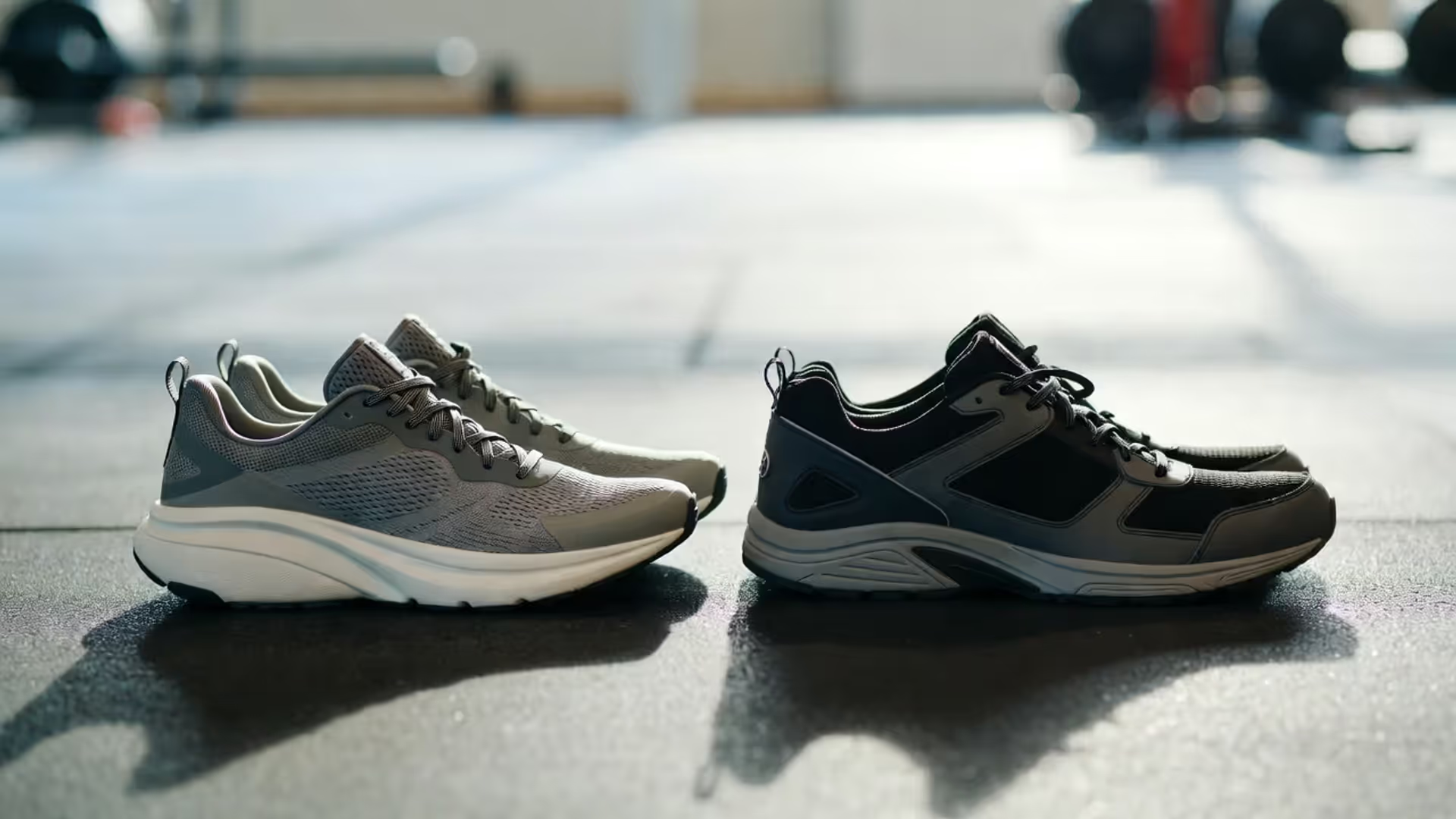
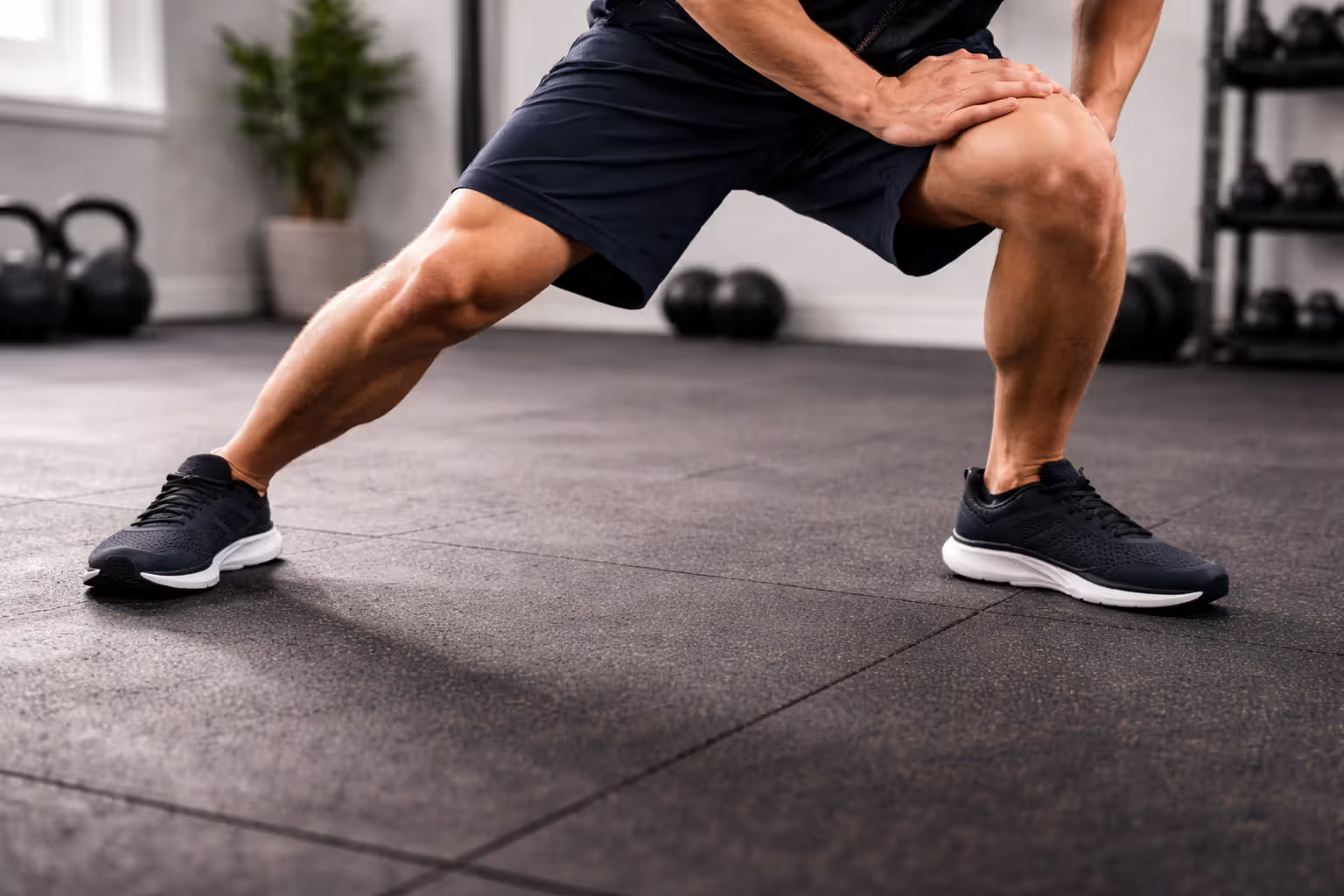
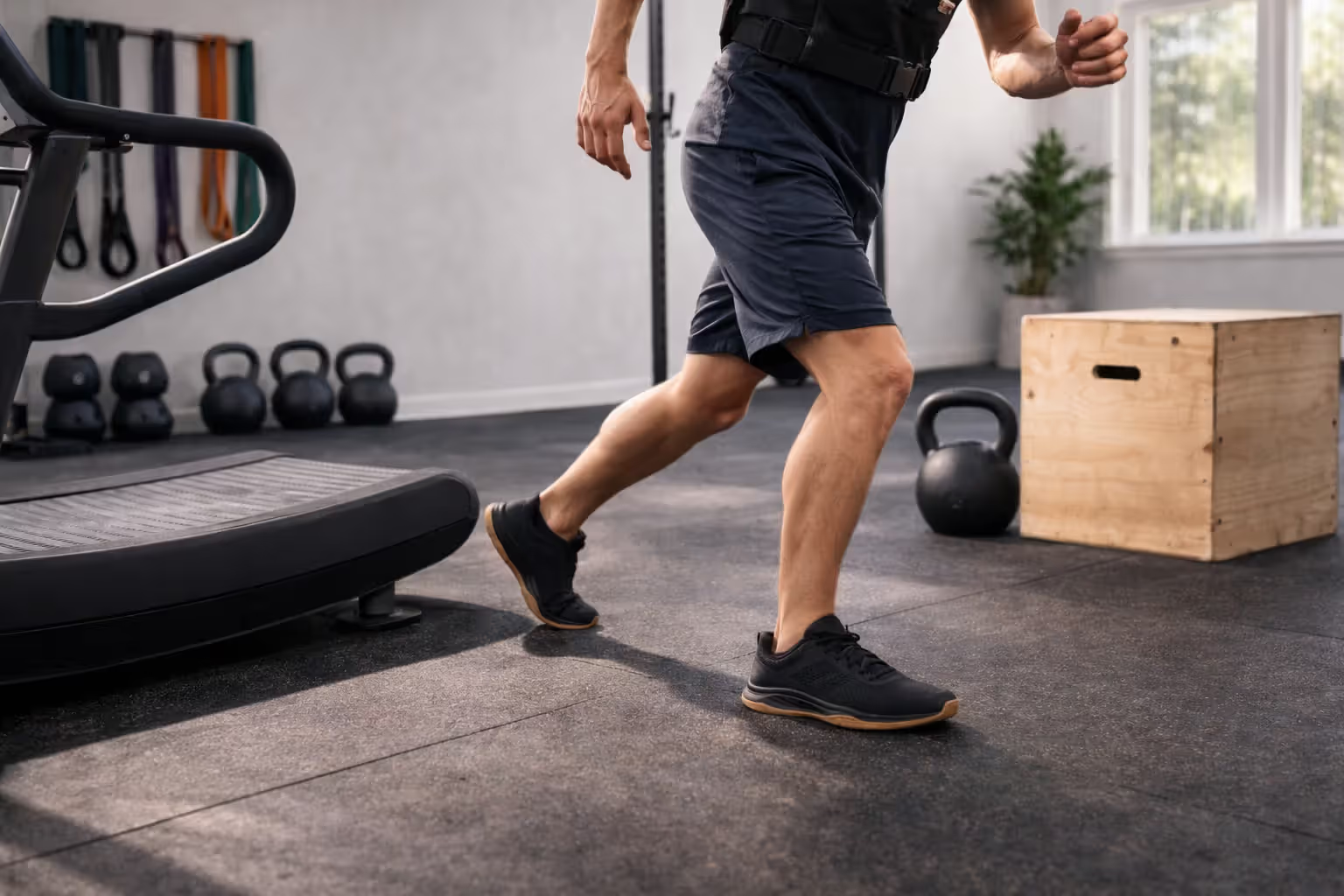
Choosing between workout shoes and running shoes isn't about brand names or color schemes. The distinction comes down to biomechanics, force distribution, and how your feet interact with different surfaces during specific movements. A runner logging miles on pavement needs completely different support than someone doing box jumps or deadlifts.
Most people default to running shoes for everything because they're familiar. That choice works fine until you attempt lateral movements, heavy lifts, or explosive plyometrics. Then the excessive cushioning and elevated heel become liabilities rather than assets. Understanding these differences prevents both immediate discomfort and long-term injuries that develop from repetitive strain in inappropriate footwear.
Key Design Differences That Actually Matter
The workout shoe design philosophy diverges sharply from running shoe engineering. These aren't subtle variations—they represent fundamentally opposed approaches to foot support and movement facilitation.
Sole Construction and Cushioning Patterns
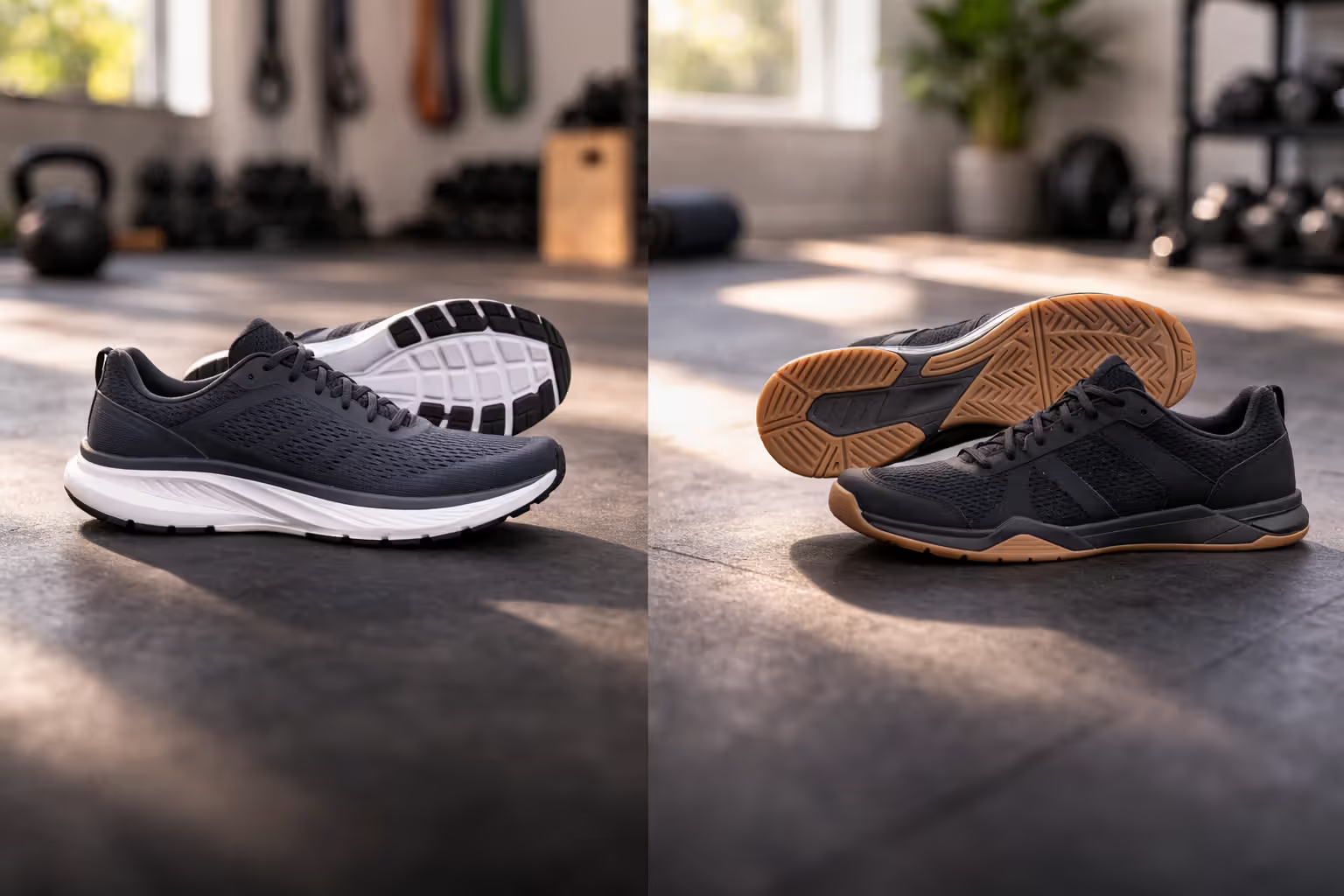
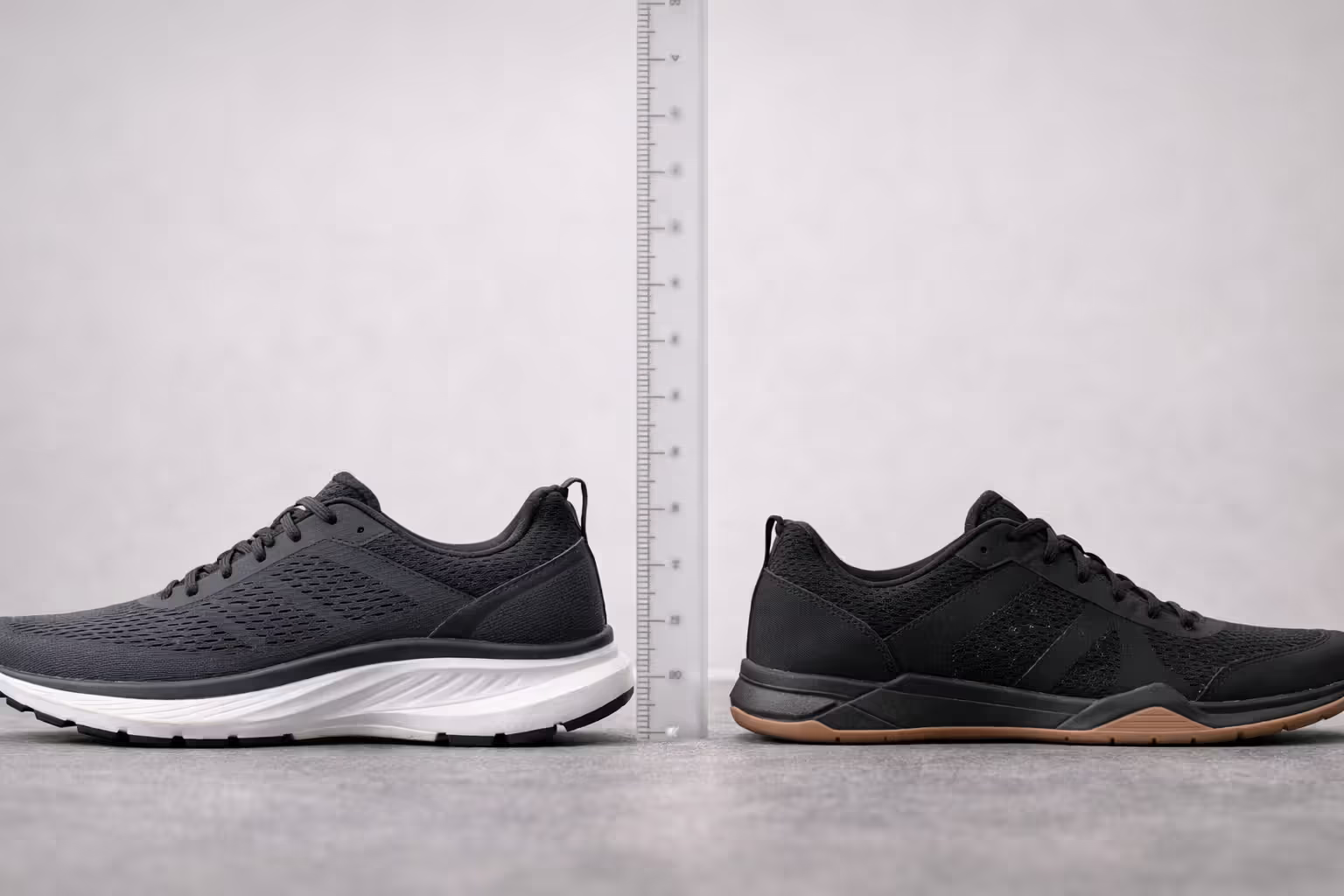
Running shoes pack substantial cushioning in the midsole, often using foam compounds that compress and rebound with each stride. This design absorbs impact forces when your heel strikes pavement repeatedly. Premium running shoes might contain 30-35mm of cushioning in the heel area, creating a soft, energy-returning platform.
Workout shoes take the opposite approach. Their soles use firmer, denser materials that compress minimally under load. When you're squatting 200 pounds or pressing dumbbells overhead, you need stable ground contact. Excessive cushioning creates an unstable base where your foot can roll or shift unpredictably. Training shoes typically feature 4-10mm of cushioning—enough to prevent bruising from hard gym floors but not so much that you lose proprioceptive feedback.
The cushioning pattern differs too. Running shoes concentrate padding in the heel and forefoot strike zones along a linear path. Workout shoes distribute firmer cushioning more evenly across the entire sole since you'll be pushing off at various angles during lateral shuffles, pivots, and multi-directional movements.
Author: Amanda Reeds;
Source: thelifelongadventures.com
Heel Drop and Ankle Support Features
Heel drop—the height difference between heel and forefoot—dramatically affects your body positioning during exercise. Running shoes commonly feature 8-12mm drops, placing your heel noticeably higher than your toes. This forward-tilting platform helps with heel-strike running mechanics and reduces achilles tendon strain during forward motion.
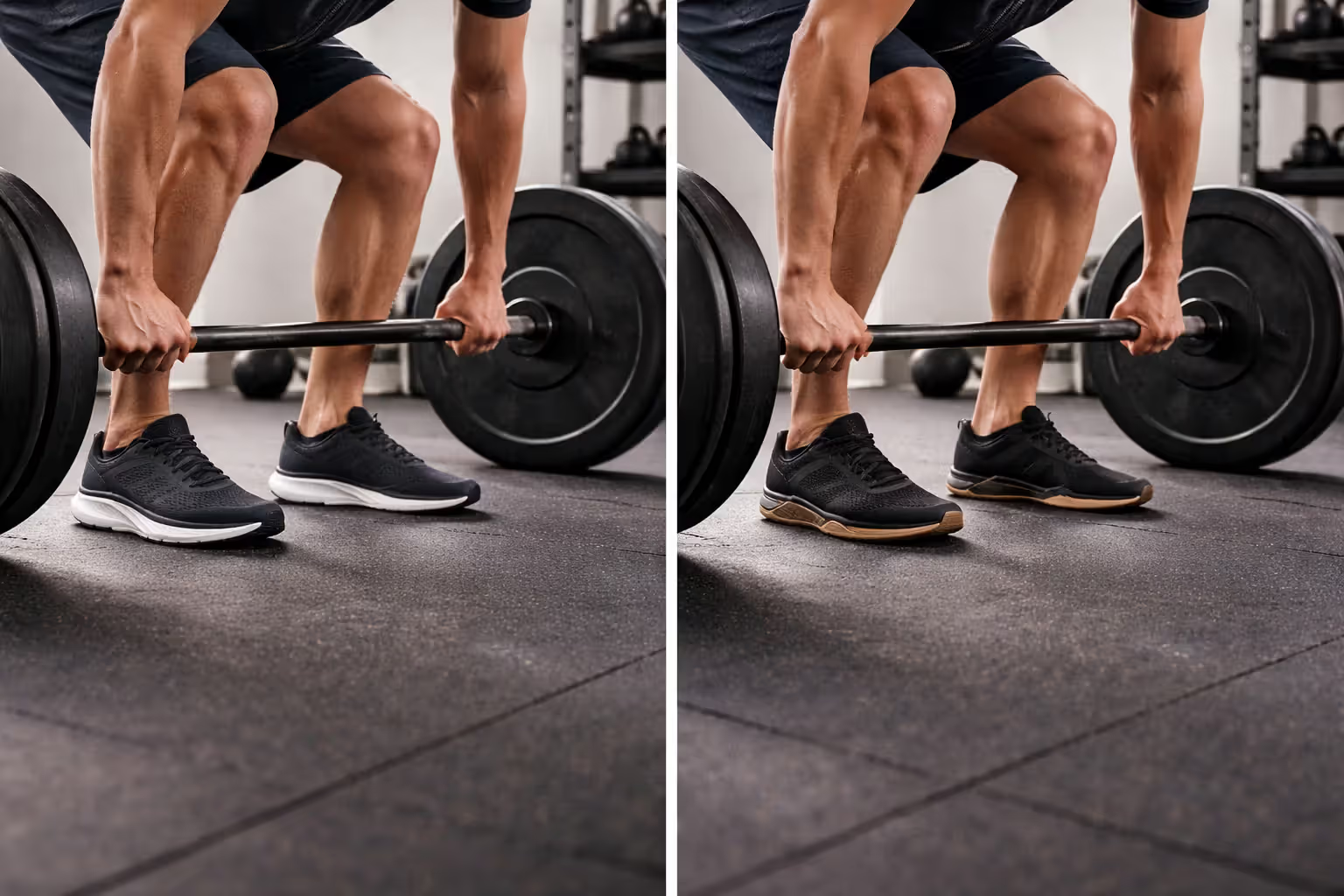
That same elevated heel becomes problematic in the gym. During squats, it shifts your center of gravity forward, potentially forcing your knees past your toes and increasing quad dominance at the expense of glute activation. Some lifters with limited ankle mobility intentionally use elevated heels, but most people benefit from the flatter 0-6mm drop found in training shoes.
Ankle support structures also differ. Running shoes often have higher heel collars with extra padding to prevent achilles irritation during repetitive forward motion. Workout shoes either lower that collar for unrestricted ankle flexion during deep squats or reinforce the lateral sides to prevent ankle rolls during cutting movements and jumps.
Author: Amanda Reeds;
Source: thelifelongadventures.com
Weight and Flexibility Trade-offs
Running shoes prioritize lightweight construction because you're lifting each shoe thousands of times per run. Shaving two ounces per shoe means lifting 25 fewer pounds over a 5K distance. Manufacturers use mesh uppers, minimal overlays, and lightweight foam to keep shoes in the 7-9 ounce range.
Workout shoes accept additional weight in exchange for durability and support. Reinforced toe caps protect against dropped weights. Thicker sidewalls provide lateral stability. More substantial rubber outsoles resist abrasion from rope climbs and dragging movements. Training shoes typically weigh 10-13 ounces, with some heavy-duty models reaching 14-15 ounces.
Flexibility follows similar logic. Running shoes flex easily at the forefoot to facilitate toe-off during your stride. Try bending a running shoe in half—it folds with minimal resistance. Workout shoes resist twisting and bending to maintain stability during multi-directional stress. That rigidity prevents your foot from collapsing inward during lateral lunges or wobbling during single-leg exercises.
Feature
Running Shoes
Workout Shoes
Why It Matters
Sole cushioning
25-35mm soft foam
4-10mm firm material
Shock absorption vs. stable lifting platform
Heel-to-toe drop
8-12mm
0-6mm
Forward propulsion vs. balanced weight distribution
Lateral stability
Minimal reinforcement
Reinforced sidewalls
Linear motion vs. multi-directional movements
Sole flexibility
High forefoot flex
Rigid construction
Toe-off efficiency vs. lifting stability
Weight
7-9 ounces
10-15 ounces
Reduced fatigue vs. durability and support
Tread pattern
Linear grooves
Multidirectional grip
Straight-line traction vs. pivoting and lateral grip
When Running Shoes Fail in the Gym (And Vice Versa)
Author: Amanda Reeds;
Source: thelifelongadventures.com
Training shoe differences become obvious when you use the wrong type for specific activities. The problems aren't always immediate—sometimes they develop gradually as poor mechanics accumulate over weeks.
Picture yourself doing lateral bounds in running shoes. As you push off sideways, the soft midsole compresses unevenly. Your foot rolls slightly inward because the shoe wasn't designed to resist lateral forces. You compensate by tensing your ankle stabilizers harder than necessary. After 50 reps, your peroneals are fatigued. After months of this pattern, you've developed chronic ankle instability.
Or consider deadlifting in running shoes with a 10mm heel drop. That elevated heel effectively shortens your leg length on the floor side of the movement. You're starting each rep slightly forward of optimal positioning. To reach the bar, you either let your hips rise too early (turning the movement into a stiff-legged deadlift) or allow your knees to drift forward excessively (increasing shear forces). Neither option properly loads your posterior chain. You're working harder while getting less benefit and more injury risk.
Running in workout shoes creates different problems. The firm, flat sole provides no impact absorption. Each footstrike sends shock waves straight through your heel, up your shin, into your knee. Your body lacks the cushioning buffer that normally dissipates these repetitive forces. Three miles in, you feel it in your shins. By mile five, you're adjusting your stride to minimize discomfort, which creates new stress patterns elsewhere.
The inflexibility of training shoes also restricts your natural running gait. Your foot can't roll smoothly through toe-off. Instead of a fluid motion, you're fighting the shoe's rigidity with each step. This inefficiency costs energy and creates awkward loading patterns through your achilles and calf muscles.
Gym shoe stability matters most during explosive movements. Attempting box jumps in running shoes means landing on a compressible surface. The cushioning absorbs some impact but destabilizes your ankle position. Your body must work harder to control the landing, fatiguing stabilizer muscles prematurely. During high-rep conditioning work, this instability accumulates into sloppy movement patterns that increase injury risk.
How Each Shoe Type Reduces Injury Risk for Different Activities
Author: Amanda Reeds;
Source: thelifelongadventures.com
Footwear injury prevention fitness starts with matching shoe characteristics to movement demands. Each design protects you from specific injury mechanisms while potentially exposing you to others if misused.
Running shoes protect against impact injuries through cushioning technology. The foam midsole extends the time over which impact forces are absorbed, reducing peak stress on bones and joints. This matters enormously when you're generating 2-3 times your body weight in ground reaction forces with every footstrike. Without adequate cushioning, repetitive impact leads to stress fractures in metatarsals, tibial stress reactions, and accelerated cartilage wear in knees.
The elevated heel in running shoes also provides achilles tendon protection during forward motion. By slightly shortening the distance your heel travels below your toes, the drop reduces eccentric loading on your achilles with each stride. Runners with tight calves or previous achilles issues often benefit from this mechanical advantage.
However, these same features increase injury risk during lateral movements. The soft, thick sole creates an unstable platform for cutting and pivoting. Your foot can roll over the shoe's edge during rapid direction changes, stretching ankle ligaments. The elevated heel raises your center of gravity, making you more top-heavy during lateral shuffles and increasing the likelihood of ankle inversion sprains.
Workout shoes prevent injuries through stability and ground contact. The firm sole maintains consistent foot positioning during loaded movements. When you're squatting or lunging, this stability ensures proper joint alignment through your ankle, knee, and hip. Misalignment caused by an unstable base accumulates stress asymmetrically, leading to patellar tracking issues, IT band syndrome, or hip impingement over time.
The lower heel drop in training shoes promotes better movement mechanics during squats and deadlifts. It allows your hips to sit back properly, engaging your glutes and hamstrings effectively while keeping your spine neutral. This balanced loading pattern distributes stress appropriately across multiple muscle groups and joints rather than overloading specific structures.
The lateral reinforcement in workout shoes directly prevents ankle sprains during multi-directional training. When you plant and cut during agility drills, the rigid sidewalls resist the forces trying to roll your foot inward or outward. Your ligaments don't stretch excessively because the shoe structure handles much of the stabilization demand.
But use training shoes for distance running, and you lose crucial impact protection. The firm sole transmits shock directly to your skeletal system. Over miles of repetitive loading, this leads to shin splints (medial tibial stress syndrome), plantar fasciitis from inadequate arch support during prolonged contact, and knee pain from inadequate shock absorption.
Matching Shoes to Your Primary Training Goals
Your dominant training style should dictate your primary footwear choice. Secondary activities can adapt to your main shoe or warrant a second pair if the mismatch is severe.
CrossFit and HIIT Workouts
CrossFit and high-intensity interval training demand versatility. You might run 400 meters, then immediately transition to kettlebell swings, box jumps, and wall balls. This cross training footwear guide reality means neither pure running shoes nor heavy lifting shoes work optimally.
CrossFit-specific shoes split the difference with moderate cushioning (12-18mm) and 4-6mm heel drops. They provide enough impact absorption for short runs and jump rope while maintaining stability for Olympic lifts and squats. The sole firmness falls between running and powerlifting shoes, offering acceptable performance across multiple domains without excelling at any single one.
Reinforced toe caps protect against dropped barbells and dragging movements during burpees. Rope-climb-ready materials on the medial arch prevent shredding. These durability features matter when you're mixing equipment-intensive exercises in rapid succession.
For HIIT classes with minimal strength components, lean toward the cushioned end of training shoes. If your programming includes heavy barbell work several times weekly, prioritize stability over impact absorption.
Author: Amanda Reeds;
Source: thelifelongadventures.com
Weightlifting and Strength Training
Serious strength training requires maximum stability. Powerlifting shoes and weightlifting shoes take the training shoe concept to its extreme with wooden or TPU soles that compress virtually zero under load. Some lifters describe the feeling as "training on concrete" in the best possible way.
Olympic weightlifting shoes feature elevated heels (12-20mm) intentionally. This helps lifters achieve deeper squat positions in the catch phase of cleans and snatches, especially those with limited ankle mobility. The rigid construction prevents energy loss—every ounce of force you generate goes into moving the weight rather than compressing your shoe.
For general strength training without competitive lifting goals, standard workout shoes with 0-4mm drops work well. They provide the stable platform you need for compound movements without the specialized (and expensive) features of dedicated lifting shoes.
Avoid any significant cushioning during heavy lifts. The instability isn't just uncomfortable—it's dangerous. Wobbling during a heavy squat or deadlift can cause you to miss the lift, strain compensating muscles, or in worst cases, drop the weight unsafely.
Cardio-Focused Routines
If you're primarily running, cycling, or using cardio machines, running shoes make sense as your default. The cushioning protects you during high-volume, repetitive motion. Even treadmill running benefits from proper running shoes despite the softer surface.
Outdoor running on concrete or asphalt demands maximum cushioning. Trail running shoes offer similar protection with more aggressive tread for variable terrain. The key is matching your shoe's cushioning level to your weekly mileage. Runners logging 30+ miles weekly need more substantial cushioning than someone doing three 2-mile runs.
For spin classes and stationary cycling, shoe choice matters less since your feet remain clipped to pedals. Many cyclists prefer stiff-soled cycling shoes for power transfer, but cross-training shoes work fine for casual riders.
Ellipticals, stair climbers, and rowing machines don't generate the same impact forces as running. You can use either running or training shoes comfortably. Choose based on whatever else you're doing in your workout session.
Mixed Training Schedules
Balancing running with strength training creates a footwear dilemma. Buying separate shoes for each activity provides optimal performance but doubles your investment and locker space.
If you run less than 10 miles weekly and strength train 3-4 times, prioritize training shoes. Your running volume isn't high enough to create significant injury risk from reduced cushioning, and you'll appreciate the stability during lifting sessions.
If you run 15+ miles weekly, keep dedicated running shoes for runs and use training shoes for gym work. The injury risk from inadequate impact protection during high-mileage running outweighs the inconvenience of switching shoes.
Some people run to the gym in running shoes, switch to training shoes for their workout, then run home in running shoes. This maximizes performance in each domain but requires planning and bag space.
The Cross-Training Shoe Middle Ground: Worth It or Compromise?
Cross-training shoes attempt to serve multiple masters. They offer more cushioning than pure training shoes but less than running shoes. They provide better stability than running shoes but less than lifting-specific footwear. The question is whether this middle ground serves you well or just makes you mediocre at everything.
For true generalists who genuinely split time equally between cardio and strength work, cross-trainers make practical sense. Someone doing 30 minutes of mixed cardio (treadmill, bike, rowing) followed by 30 minutes of circuit training with moderate weights fits this profile perfectly. Neither activity pushes the extremes where specialized footwear becomes necessary.
Take care of your body. It’s the only place you have to live
— Jim Rohn
Cross-trainers also work well for group fitness classes that blend cardio and strength. Boot camp classes, circuit training, and general conditioning programs rarely include heavy barbell work or long-distance running. The varied but moderate intensity across multiple movement patterns aligns perfectly with cross-trainer design philosophy.
The compromise becomes problematic when your training intensifies in any direction. Running a half-marathon in cross-trainers exposes you to injury risk from inadequate cushioning. Attempting one-rep-max deadlifts in cross-trainers means sacrificing stability that could improve your performance and safety.
Budget-conscious exercisers sometimes choose cross-trainers as their only pair, accepting suboptimal performance to avoid buying multiple shoes. This works if your training remains moderate across all activities. Once you specialize or increase intensity significantly, the limitations become apparent.
Quality varies enormously in the cross-trainer category. Some manufacturers simply rebrand their training shoes as cross-trainers. Others genuinely engineer hybrid designs with zoned cushioning—firmer under the heel for lifting stability, softer in the forefoot for running comfort. Research specific models rather than trusting the "cross-trainer" label alone.
Shopping Strategy: Price Ranges and When to Replace Each Type
Running shoes at reputable brands start around $80-100 for basic models, with premium options reaching $180-220. The higher prices usually reflect advanced cushioning technologies, lighter materials, or specialized support features. For most recreational runners, mid-range models ($110-140) provide excellent performance without paying for marginal gains.
Training shoes span a similar range but concentrate more options in the $90-130 range. You're not paying for exotic cushioning compounds, so fewer models reach the premium price tiers. CrossFit-specific shoes from major brands typically cost $120-150, reflecting their specialized construction and durability requirements.
Discount and outlet stores often carry previous-year models at 30-50% off. Shoe technology evolves slowly—last year's model performs nearly identically to this year's update. Unless you need the absolute latest features, buying previous generations saves substantial money without sacrificing quality.
Running shoe lifespan depends on mileage rather than time. Most shoes deliver optimal cushioning for 300-500 miles. After that, the midsole foam loses its rebound properties even though the shoe looks fine externally. Track your mileage through a running app or simple log. When you notice decreased cushioning or new aches appearing, check your mileage—you've probably exceeded your shoes' effective lifespan.
Training shoes last longer because they don't endure the same repetitive compression. A pair might serve you well for 6-12 months of regular gym use (3-5 sessions weekly). Replace them when you notice the sole wearing unevenly, the upper separating from the midsole, or reduced traction during lateral movements.
Visible wear indicators include compressed midsole foam (press your thumb into the foam—it should rebound quickly), worn tread patterns (smooth areas where the rubber has abraded away), and upper material breakdown (tears, separated seams, or stretched mesh). Internal wear is harder to spot but often manifests as new discomfort during previously comfortable activities.
Rotating between two pairs extends total lifespan. The foam in midsoles needs 24-48 hours to fully recover its shape after compression. Using the same pair daily doesn't allow this recovery, accelerating breakdown. Alternating pairs gives each shoe recovery time, potentially extending total mileage by 20-30%.
Buy new shoes before your current pair completely fails. The gradual degradation of cushioning and support often goes unnoticed until you develop pain. By then, you've been training with inadequate support for weeks, potentially creating injuries that outlast the worn-out shoes. Replace running shoes every 300-400 miles and training shoes every 6-9 months of regular use as preventive maintenance.
Common Questions About Workout and Running Shoe Selection
Can I use running shoes for gym workouts if I'm on a budget?
Yes, but understand the limitations. Running shoes work acceptably for machine-based cardio, light dumbbell work, and bodyweight exercises. Avoid heavy squats, deadlifts, or Olympic lifts in running shoes—the unstable platform creates injury risk and reduces performance. Also skip intense lateral movements like agility drills or court sports. If your gym routine focuses on moderate intensity circuit training without heavy weights, running shoes function adequately. Once you progress to serious strength training or explosive movements, budget for proper training shoes. The injury prevention value outweighs the cost.
How do I know if my shoes are causing my workout injuries?
Footwear-related injuries often develop gradually rather than appearing suddenly. Watch for pain that starts during specific movements and improves with rest. Shin splints during running, ankle instability during lateral movements, or knee pain during squats can all stem from inappropriate footwear. Try this test: if discomfort decreases when you switch shoes or improves when training barefoot (where safe), your footwear likely contributes to the problem. Also notice if pain appears after you've been using the same shoes for several months—worn-out cushioning or support structures cause injuries even in previously appropriate shoes.
What's the actual lifespan difference between running and training shoes?
Running shoes typically last 300-500 miles because repetitive impact compression degrades the midsole foam. For someone running 20 miles weekly, that's roughly 4-6 months. Training shoes endure less repetitive compression, so they last 6-12 months of regular gym use (3-5 sessions weekly) before the sole firmness degrades or traction wears down. However, training shoes in CrossFit environments might wear faster due to rope climbs, dragging movements, and varied high-intensity activities. Track usage by time for training shoes and mileage for running shoes. Replace when you notice decreased performance or new discomfort rather than waiting for visible catastrophic failure.
Are minimalist shoes better for cross-training than traditional workout shoes?
Minimalist shoes work well for people with strong foot mechanics and adequate mobility, but they're not universally superior. The minimal cushioning and zero drop promote natural foot positioning and strengthen intrinsic foot muscles. This benefits squats, deadlifts, and explosive movements if you have the ankle mobility to squat deep with flat feet. However, minimalist shoes provide no impact protection for running or jumping, increasing injury risk during high-volume cardio. They also require an adaptation period—switching abruptly from traditional shoes to minimalist footwear often causes achilles tendinitis or calf strains. If you're interested, transition gradually over 2-3 months, starting with short sessions and low-impact exercises.
Do I need different shoes for treadmill running vs outdoor running?
Not necessarily. The biomechanical differences between treadmill and outdoor running are smaller than most people assume. Treadmills provide a slightly softer surface than concrete, but you still need adequate cushioning for impact protection. The main consideration is tread pattern—treadmill running doesn't require aggressive outsole traction since you're on a smooth belt, while outdoor running benefits from more substantial tread for varied surfaces and weather conditions. If you run exclusively on treadmills, you can choose shoes with less aggressive outsoles, potentially saving weight. But any quality running shoe works fine for both environments. Focus on proper fit and appropriate cushioning for your body weight and weekly mileage rather than worrying about treadmill-specific features.
Can the wrong shoes really affect my lifting performance?
Absolutely. Unstable footwear during heavy lifts creates multiple problems. First, soft cushioning compresses unevenly under load, requiring extra stabilizer muscle activation to maintain balance. This fatigues supporting muscles prematurely and reduces the weight you can lift. Second, elevated heels in running shoes shift your center of gravity forward during squats and deadlifts, forcing compensatory movement patterns that reduce efficiency and increase injury risk. Third, energy loss occurs when force compresses your shoe's midsole instead of moving the weight. Lifters report immediate improvements switching from running shoes to flat, firm training shoes—often adding 5-10% to their working weights simply from better stability. For maximum lifts, the difference between appropriate and inappropriate footwear can mean successfully completing a rep or failing it.
Selecting between workout shoes and running shoes ultimately depends on honest assessment of your training priorities. If you run 20+ miles weekly, invest in quality running shoes regardless of other activities. If you lift heavy or do intense lateral training 4+ times weekly, prioritize stable training shoes. For balanced programs, either choose versatile cross-trainers or maintain separate shoes for distinct activities.
The injury prevention benefits alone justify appropriate footwear. A $120 pair of proper shoes costs far less than physical therapy sessions, missed training time, or long-term joint problems from repeated poor mechanics. Your feet are the foundation for every movement—giving them appropriate support for your specific activities isn't optional if you're serious about sustainable fitness progress.
A yoga strap isn’t a “beginner crutch.” It’s a precision prop for safer stretching, better alignment, and smarter pose access. Learn strap techniques for hamstrings, hips, shoulders, quads, and calves—plus advanced modifications (Dancer, King Pigeon, inversions), rehab uses, and common mistakes to avoid.
Confused about 3mm vs 6mm yoga mats? This guide explains how thickness affects joint protection, balance and proprioception, portability, and grip. Learn which thickness fits vinyasa, yin, hot yoga, and beginners, how materials change “feel,” and the most common buying mistakes to avoid.
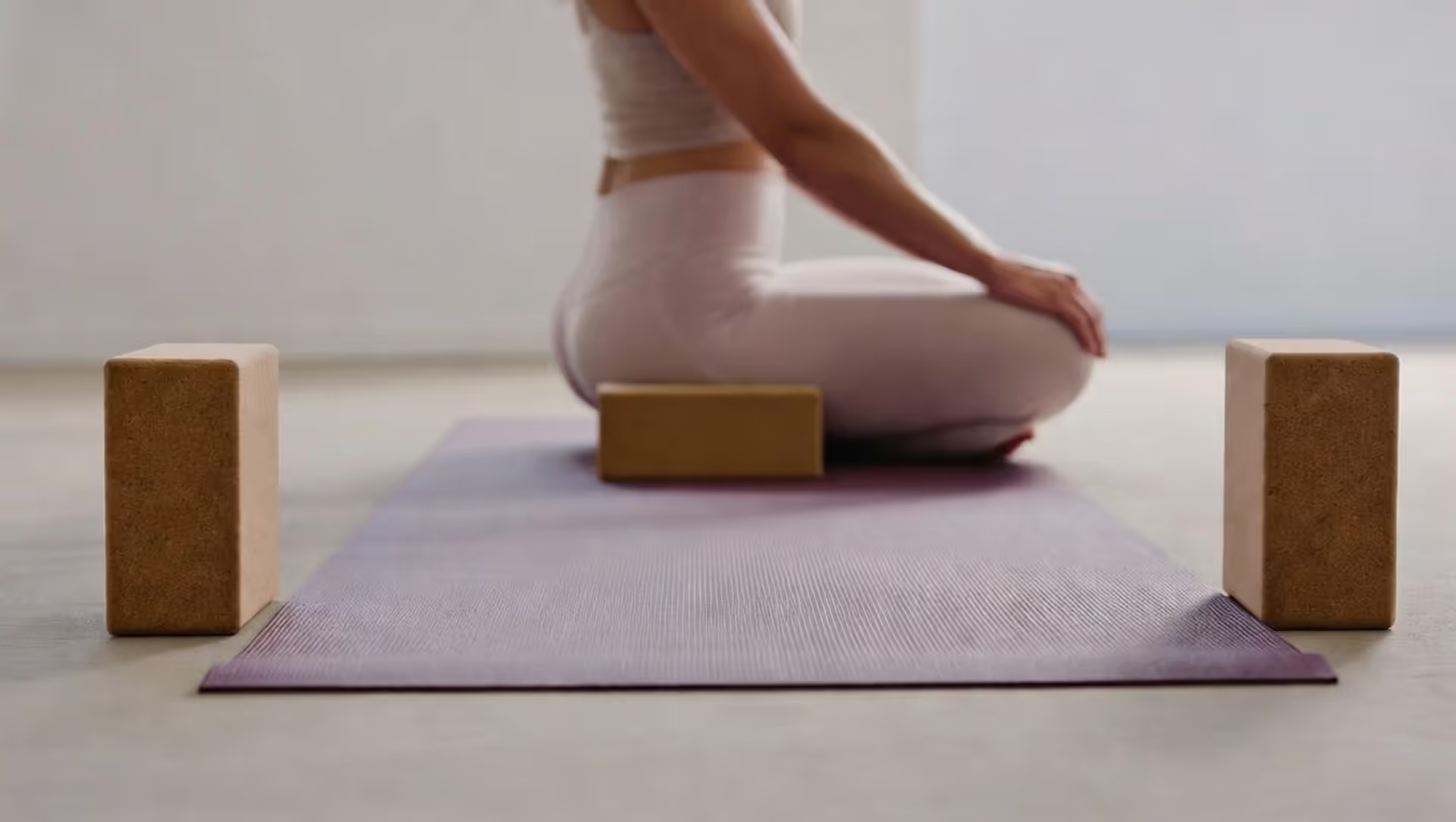
Yoga blocks aren’t “cheating”—they’re alignment tools that help you progress safely. Discover evidence-based benefits, correct block placement for standing, seated, and restorative poses, the biggest mistakes to avoid, and how to choose the right block material, size, and density for your practice.
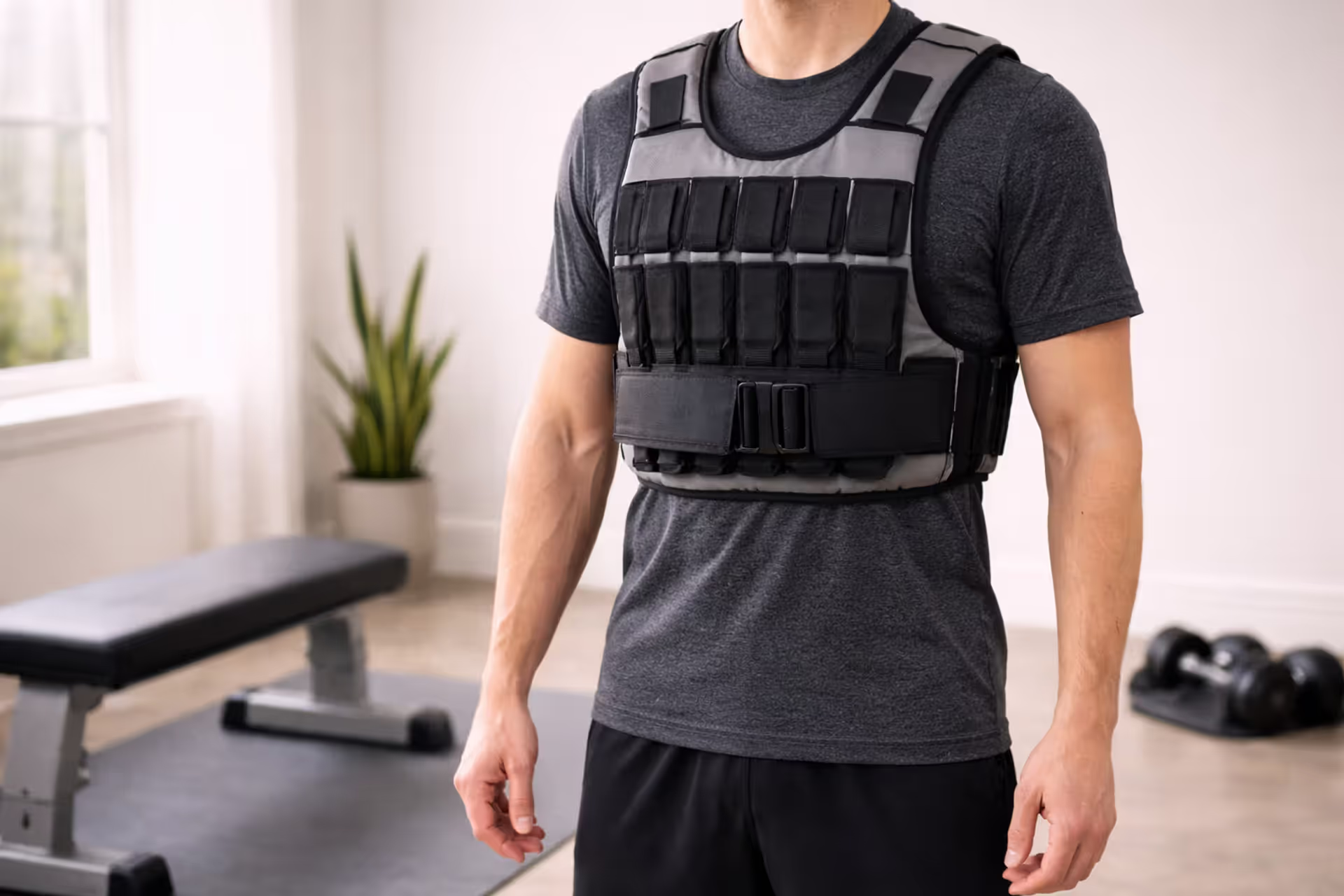
Weighted vests add “transparent” load to walking, running, and bodyweight training for stronger muscles, better cardio, and improved bone density. This guide explains the science, proven benefits, safe weight ranges, beginner-to-advanced workouts, common mistakes, and what to look for in a quality adjustable vest.
The content on this website is provided for general informational and educational purposes related to health, yoga, fitness, and overall wellness. It is not intended to replace professional medical advice, diagnosis, or treatment.
All information, workout suggestions, yoga practices, nutrition tips, and wellness guidance shared on this site are for general reference only. Individual health conditions, fitness levels, and medical needs vary, and results may differ from person to person. Always consult a qualified healthcare provider before starting any new exercise program, dietary plan, or wellness routine.
We are not responsible for any errors or omissions, or for any outcomes resulting from the use of information presented on this website. Your health and fitness decisions should always be made in consultation with appropriate medical and fitness professionals.