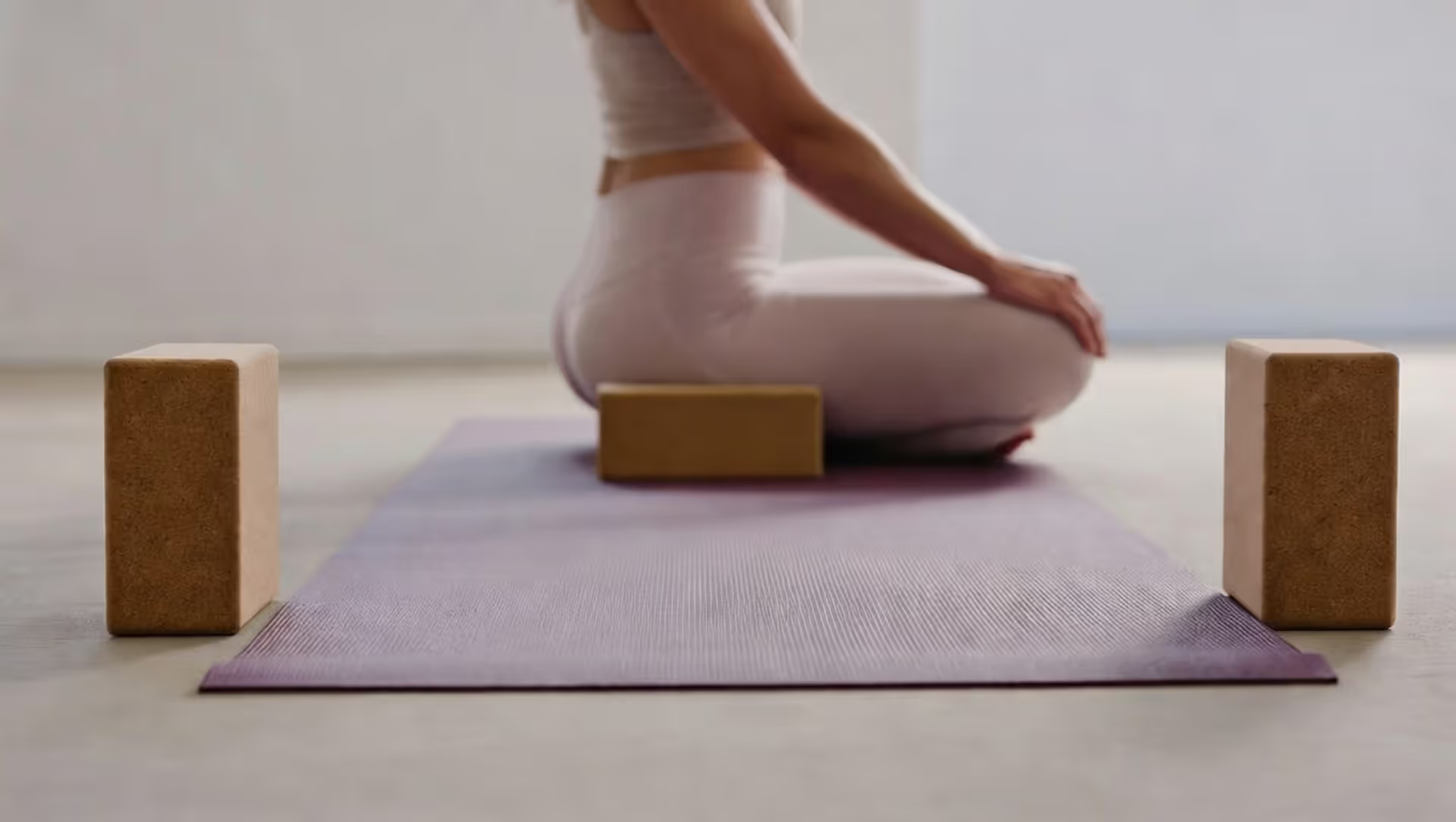
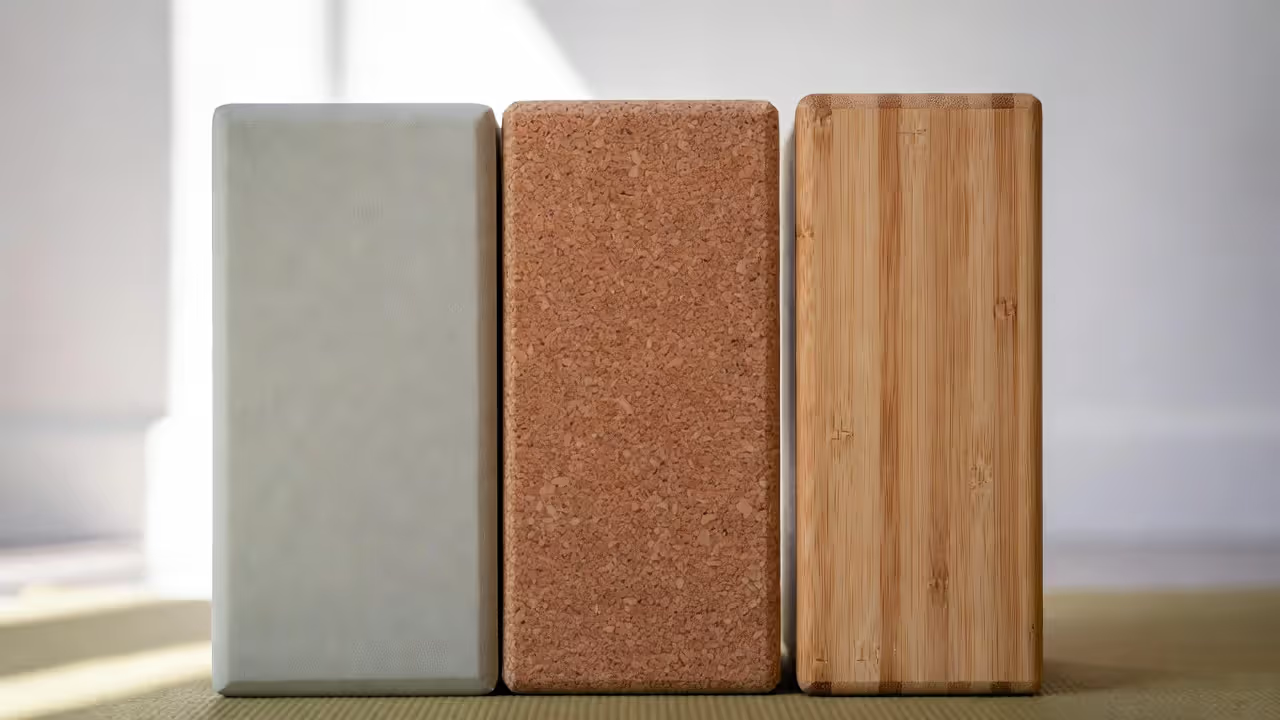
These rectangular foam, cork, or bamboo props typically come in 9x6x4 inch dimensions. Think of them as adjustable floor extensions that move the ground closer to your hands, provide stable surfaces under your hips, or create anchor points when you're working on balance.
Here's what drives me crazy: students treating props like they're cheating. I've watched countless practitioners struggle through terrible form, refusing a block because they think "real yogis" don't need help. That instructor with ten years of experience leading your class? She's got two cork blocks on her mat. The difference isn't that she lacks flexibility—she's simply prioritizing spinal alignment over ego.
Beginners gain the most obvious advantages since they're still developing basic body awareness and range of motion. But I've also worked with dancers who can kick their own heads (seriously hypermobile) who use blocks specifically to prevent overstretching. If you're recovering from an injury, dealing with a body that's built differently, or trying to nail down precise alignment cues, these simple tools become non-negotiable.
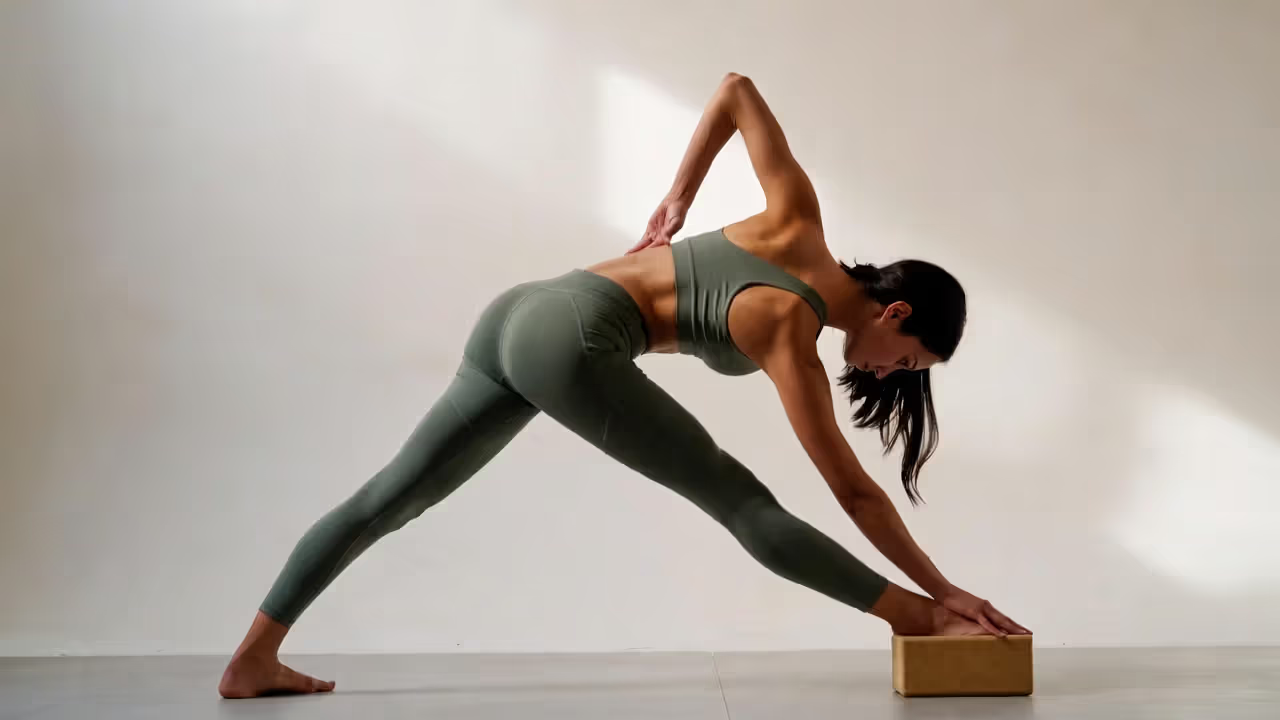
A block under your hand in Triangle keeps your ribcage from collapsing and your shoulders properly stacked. Without it? Most people twist their lower back unnaturally just to make their fingers graze the floor. Which approach actually serves your body better?
7 Evidence-Based Benefits of Using Yoga Blocks
Improved spinal alignment in standing and seated poses
When blocks bring the floor up to meet you, your spine can maintain its natural S-curve instead of rounding. Take Wide-Legged Forward Fold—hands on blocks prevent that common upper back collapse that happens when you're forcing your palms down. Your thoracic spine stays extended, your shoulders stay open.
Seated work shows even more dramatic differences. Perch on a block and your pelvis tilts forward immediately. That slight anterior tilt allows your lumbar spine to keep its gentle inward curve instead of slumping into that C-shaped slouch you see in every office chair. Better spinal positioning means fuller breathing and actual protection for the discs between your vertebrae.
Safer flexibility progression without overstretching
Real flexibility develops through consistent, moderate stretching over months and years. Blocks create the right challenge level so you're working at your genuine edge, not some fantasy version.
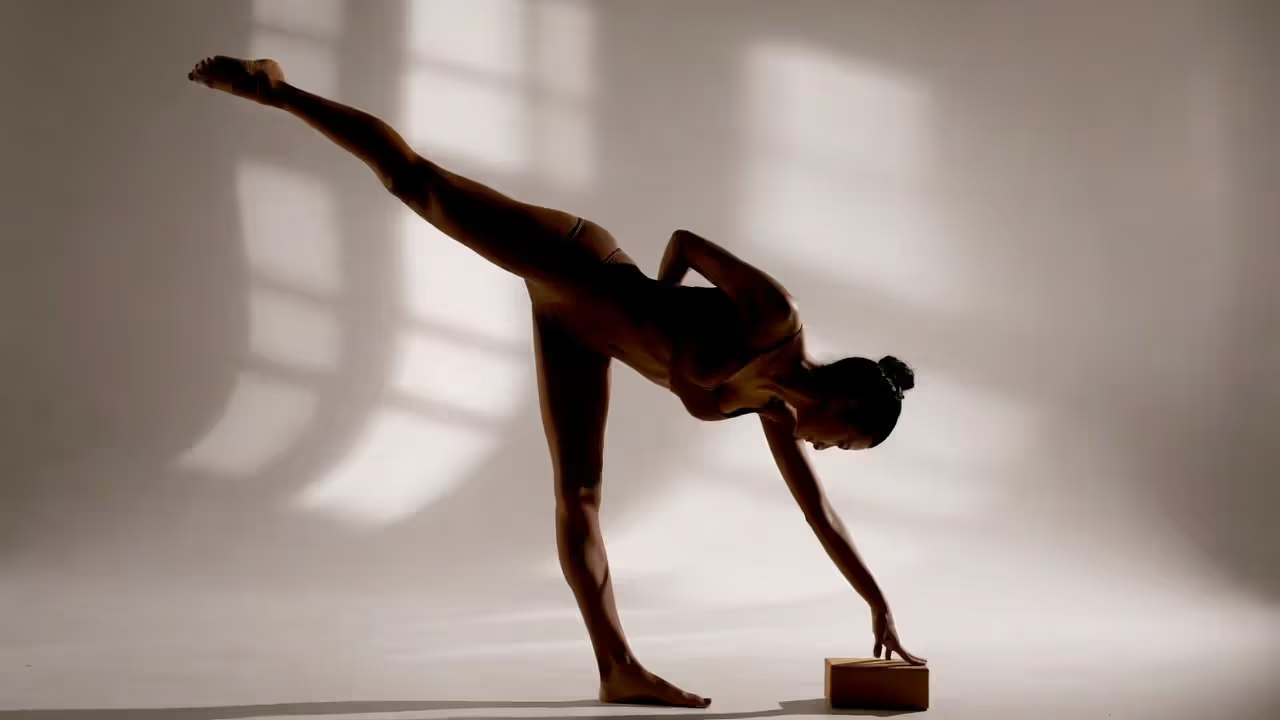
Can't reach the floor in Half Moon? Forcing it recruits all the wrong muscles and puts stress on ligaments that shouldn't be stretched. A block at the appropriate height keeps tension in the working muscles while protecting joint stability. As your hamstrings lengthen and your hips open, you lower the block one setting. Then another. It's measurable progress that prevents the frustrating cycle of pushing too hard, getting hurt, and starting over.
Enhanced balance and stability in challenging poses
Balance requires constant feedback between your body and brain—proprioception, technically. That extra contact point from a block feeds crucial information to your nervous system.
In Half Moon, your grounded hand on that block provides a stable reference while you're stacking your hips and engaging your lifted leg. You're not leaning on it heavily. It's offering just enough feedback to let you focus on the actual balance work instead of flailing to stay upright.
Author: Caleb Foster;
Source: thelifelongadventures.com
Muscle engagement optimization
Proper alignment turns on the right muscles. When your hand reaches a block in Triangle instead of straining desperately toward the floor, watch what happens: your front quad can fully engage to straighten that leg, your obliques can work to lengthen your side body, and your shoulder stabilizers can draw the top arm toward the ceiling properly.
Without the block, those muscles partially shut down because your body's priority becomes "don't fall over" instead of "engage correctly." Many students report feeling more worked after using props than when they practiced without them. The intensity difference is that significant.
Injury prevention through proper form
Most yoga injuries don't come from dangerous poses. They come from compensation patterns. Tight hamstrings force you to round your lower back in forward folds, stressing the lumbar discs. Limited shoulder mobility causes elbow flaring in Chaturanga, straining the rotator cuff.
Blocks interrupt these patterns at the exact point where flexibility limitations would otherwise force poor alignment. A block under your seat in Lotus reduces knee torque. Blocks under your hands in Downward Dog decrease shoulder impingement risk if you lack the range to fully straighten your arms overhead.
Confidence building for beginners
Starting yoga feels like everyone else is performing Cirque du Soleil while you're struggling with basic shapes. Blocks remove that arbitrary "touching the floor" benchmark and replace it with the actual goal: maintaining proper form while building strength and mobility.
When a brand-new student holds Triangle correctly using a block, they've accomplished something real. That positive reinforcement builds consistency. And consistency matters infinitely more than any single impressive practice session.
Deepening advanced poses
Experienced practitioners use blocks to explore poses beyond their typical expression. Squeeze a block between your thighs in Bridge Pose—the resistance activates your inner thighs completely differently than the unsupported version.
Place a block under your sacrum in Supported Shoulderstand. Now you can hold the position longer with less neck strain, developing the subtle muscle endurance needed for freestanding inversions. These applications treat blocks as variation tools rather than compensation devices, opening new dimensions in poses you've done a thousand times.
Author: Caleb Foster;
Source: thelifelongadventures.com
How to Use Yoga Blocks Correctly: Beginner Techniques for Common Poses
Triangle Pose: Set the block outside your front foot, lined up with your pinky toe. Start at the tallest height setting. Your bottom hand rests lightly there—think "reference point," not "leaning post."
Keep that front leg straight. Draw your front hip back. Lengthen your torso over the front leg rather than collapsing downward. Can you maintain this alignment at medium height? Lower the block. Does your shoulder hike toward your ear or does your front knee bend? Raise it back up.
Half Moon Pose: Position the block roughly 12 inches forward of your standing foot, slightly outside. As you lift your back leg, place your fingertips on the block while keeping your standing leg strongly active.
The block height should allow your hips to stack vertically. Too low and your top hip rolls forward. Too high and you can't extend fully through your lifted leg. Keep your gaze down toward the block until your balance settles, then optionally look upward.
Wide-Legged Forward Fold: Place two blocks shoulder-width apart between your feet. Hinge at your hips with a flat back until your hands reach the blocks. Your spine stays long from tailbone to crown.
Most people place blocks too far forward, which encourages rounding. Position them directly under your shoulders. Feeling a pull in your hamstrings but your back stays flat? You're at the right depth. Lower back rounding? Raise those blocks.
Author: Caleb Foster;
Source: thelifelongadventures.com
Seated Poses (Forward Folds, Twists)
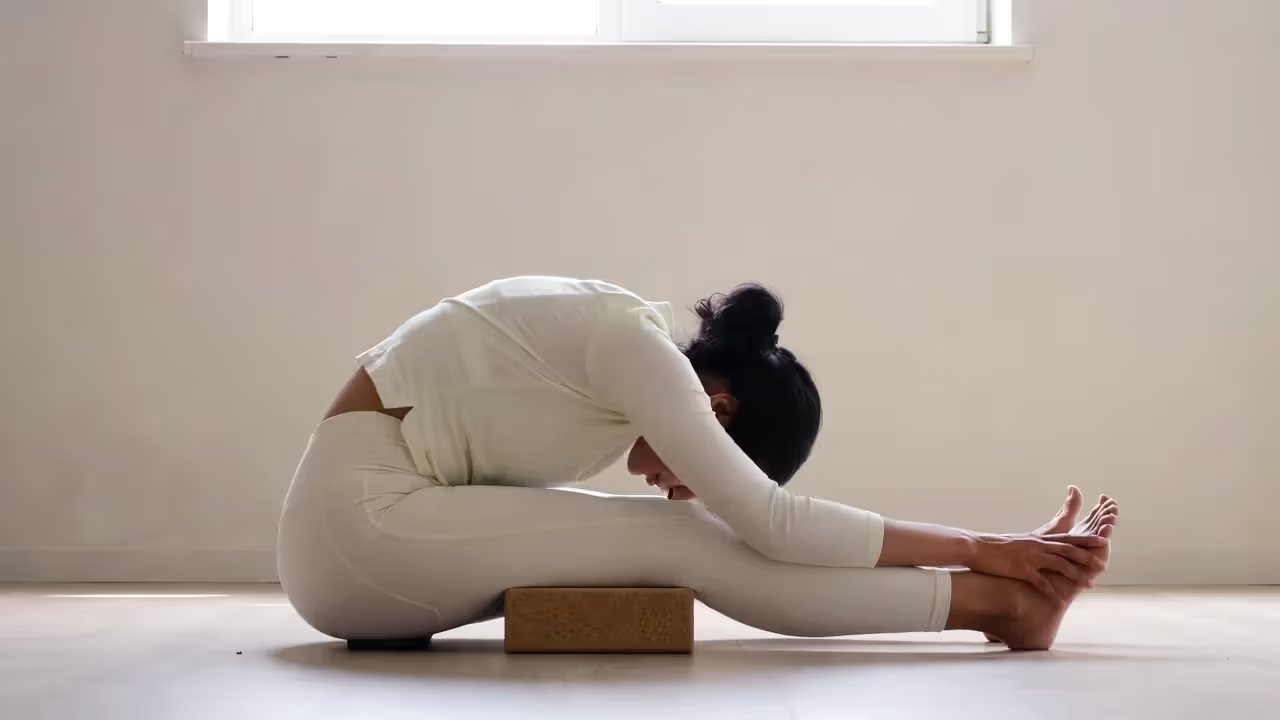
Seated Forward Fold: Sit on a block at medium or tall height. This immediately tilts your pelvis forward, creating the hip flexion needed for actual forward folding. Without this tilt, you're fighting against your pelvis position rather than folding from the hip joint.
Place another block under your forehead or on your shins to rest on as you fold forward. The forehead block prevents neck strain from holding your head up. Stay 8-10 breaths. Let gravity work rather than pulling yourself deeper.
Seated Twist: Sit on a block for that same pelvic tilt. Place your opposite hand on a block positioned beside your outer thigh. This elevation reduces the rotation flexibility required while maintaining spinal length.
Many students collapse through their ribcage when twisting from the floor because they lack the core strength to maintain length while rotating. The blocks provide structure that lets you build that strength gradually.
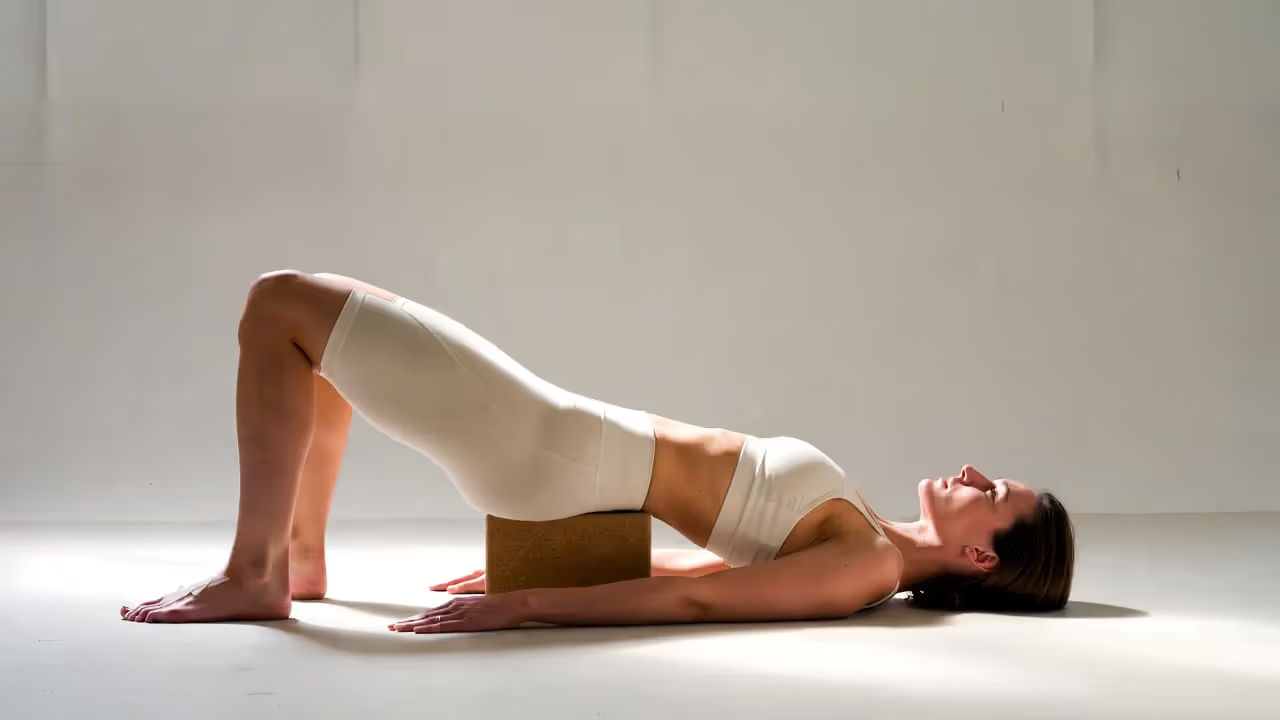
Supported Bridge: Lie on your back, bend your knees, lift your hips. Slide a block under your sacrum—that flat, triangular bone at the base of your spine. Not under your lower back. Start at the lowest height.
Your weight rests on the block while your legs can completely relax. This gentle backbend opens the hip flexors and chest without requiring active muscle work. Hold 3-5 minutes, breathing slowly. Feel any pinching in your lower back? The block's positioned too high on your spine—slide it down toward your tailbone.
Reclined Butterfly: Sit with the soles of your feet together, knees falling open. Place a block under each outer thigh at whatever height allows your inner thighs to feel a stretch without straining.
Lie back. Optionally place another block under your upper back or head. This passive hip opener works best when your legs feel fully supported—if you're holding them up with muscle tension, lower those blocks. Stay 5-10 minutes, allowing your hip joints to gradually release.
Author: Caleb Foster;
Source: thelifelongadventures.com
Yoga Blocks vs. Other Alignment Props: What You Actually Need
Cushioning joints; elevating hips; warmth during relaxation
Knee padding, seated elevation, Savasana comfort
$15-$40
Moderate (foldable but takes space)
Optional—household versions work fine
Blocks deliver the best return on investment for beginners. They address the most common limitation—insufficient flexibility to maintain alignment—across the widest range of poses.
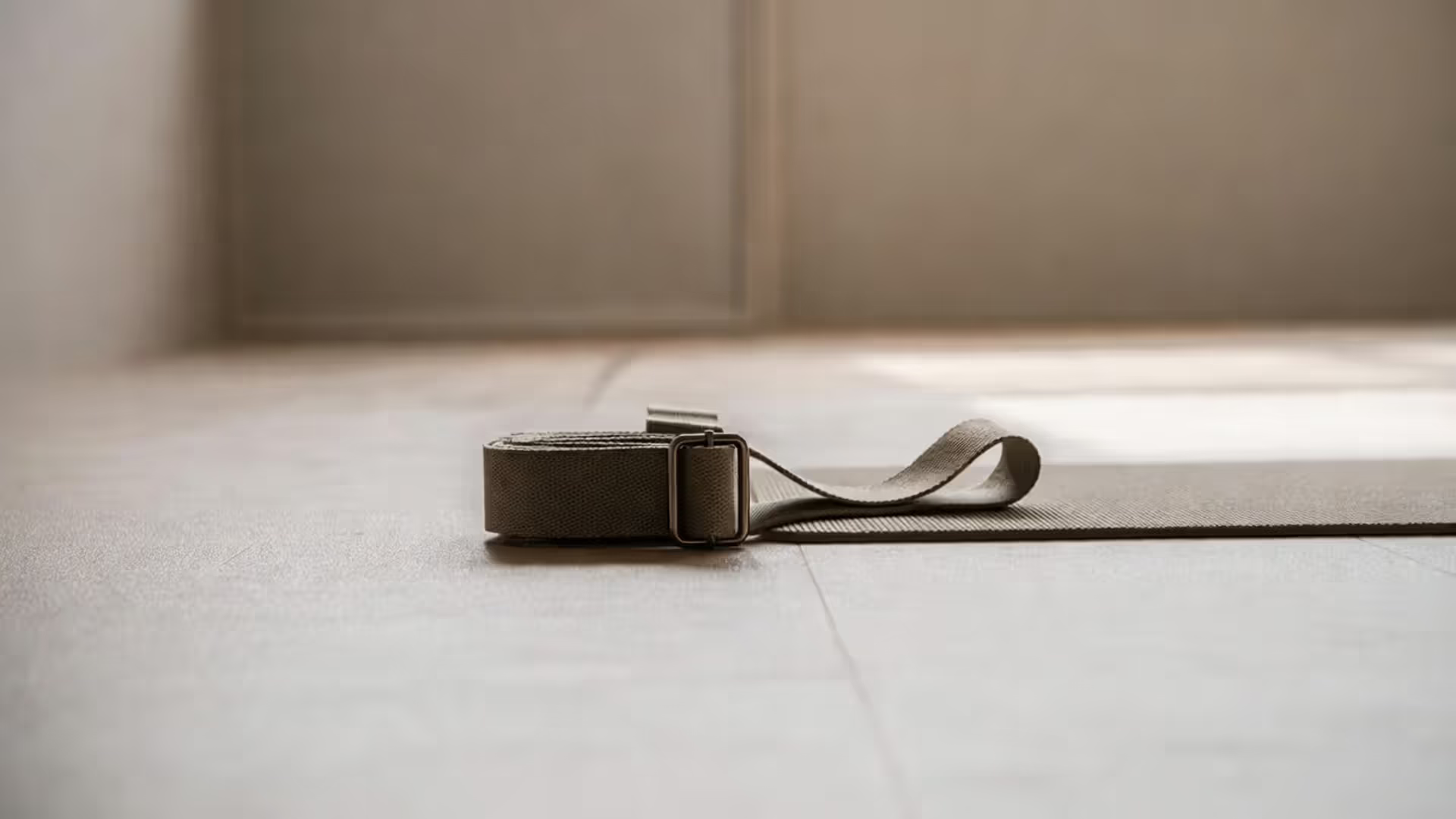
Straps help with specific situations like hamstring stretches or shoulder mobility work, but you can substitute a belt or towel. Bolsters excel at restorative practice but aren't necessary for basic pose work. Blankets provide comfort and minor adjustments that household items can replicate.
Building a home practice on a budget? Buy two blocks first. Add a strap once you're consistently practicing poses where reach limitations prevent proper form. Consider a bolster only if you're specifically drawn to restorative or yin yoga.
Author: Caleb Foster;
Source: thelifelongadventures.com
5 Mistakes People Make When Using Yoga Blocks (And How to Fix Them)
Using the wrong height setting
Blocks offer three height options: low (4 inches), medium (6 inches), and tall (9 inches). The correct height depends on your proportions and flexibility in that specific pose on that specific day.
Many students default to one height for everything. Either using tall blocks when they no longer need that much support, or stubbornly using low blocks when medium would allow better alignment. Test each height at the beginning of practice. The right height lets you maintain proper form without strain. Forcing yourself to reach a lower block? Go higher.
Practice is not a performance
— Judith Hanson Lasater
Placing blocks incorrectly under body parts
In Supported Bridge, the block goes under your sacrum. Not your lower back. Under the lower back creates excessive lumbar extension that pinches the spine. Under the sacrum, your pelvis tilts slightly, creating a gentle backbend through the whole spine.
In Shoulderstand, blocks go under your shoulders. Not your neck. These distinctions matter—an inch or two of misplacement changes which structures bear weight and whether the pose feels therapeutic or uncomfortable.
Relying on blocks too long without progression
Blocks should support your current ability while you build toward the next level. If you've used a tall block in Triangle for six months without testing whether medium height now works, you're using the block as a permanent crutch rather than a developmental tool.
Every few weeks, experiment with lowering the height or removing the block entirely for a few breaths. You might surprise yourself. If the alignment falls apart, return to the higher block without judgment. But check regularly—flexibility develops gradually, and you might not notice the changes unless you test them.
Choosing unstable or inappropriate block materials
Foam blocks compress under weight. This makes them unstable for balance poses if you're over 150 pounds or pressing firmly. Cork provides more stability but weighs significantly more—a consideration if you're carrying blocks to class. Bamboo looks attractive but can be slippery when hands are sweaty.
For balance work, choose cork or bamboo. For restorative poses where you're resting body weight on the block, foam offers more comfort. Buying one set? Cork splits the difference: stable enough for standing poses, comfortable enough for seated work.
Skipping blocks when they'd prevent injury
The ego whispers that you should be able to do the pose without props. This voice causes injuries.
If your teacher suggests a block and you wave it off, ask yourself honestly: are you maintaining the alignment they're cueing, or are you compensating somewhere else to avoid using the prop? Video yourself or practice near a mirror occasionally. Most people round their backs more than they realize in forward folds, collapse their side bodies in Triangle, or bend their front knees in standing poses.
If any of these patterns show up, the block isn't optional. It's the tool that lets you practice safely while building the flexibility to eventually work without it.
Choosing the Right Yoga Block: Material, Size, and Density Guide
Cork vs. foam vs. bamboo comparison
Cork blocks weigh about 2 pounds, provide excellent stability, and have natural grip even when wet. They're eco-friendly and durable—lasting for years of regular use. The density makes them ideal for standing poses and balance work where you need a solid foundation. The downside? They're heavy to transport and can feel hard when used for restorative poses where you're resting directly on them.
Foam blocks weigh less than a pound, cost $8-12, and offer cushioning that feels comfortable under your back or head. They compress slightly under weight. This creates instability for some uses but comfort for others. Cheaper foam develops divots and tears after 6-12 months of regular use. Higher-density foam blocks (often labeled "professional" or "studio grade") last longer and provide more stability while maintaining light weight.
Bamboo blocks are the heaviest at 2.5-3 pounds and the most expensive at $20-25 each. They're extremely durable and stable, with a smooth surface that some people love and others find slippery. They work well for standing poses but feel quite hard for restorative applications. Environmental considerations: bamboo grows quickly and sustainably, but manufacturing often involves adhesives and finishes.
Standard vs. large block dimensions
Standard blocks measure 9x6x4 inches. This size works for most practitioners and fits easily in gym bags. Large blocks measure 12x8x4 inches, providing a wider base for standing poses and more surface area for restorative work.
Taller practitioners (over 6 feet) or those with longer arms often prefer large blocks because standard sizes still leave them reaching too far in poses like Triangle. The tradeoff: large blocks are proportionally heavier and bulkier to store or transport.
Firm vs. soft density for different needs
Firm blocks maintain their shape under pressure. This makes them better for weight-bearing applications like using a block under your hand in Half Moon or between your thighs in Bridge. Soft blocks compress slightly, which reduces stability but increases comfort when you're lying on them.
Buying one set? Choose firm. Practice a lot of restorative yoga and already own firm blocks? Adding a soft set gives you options. Some manufacturers offer medium-density blocks that attempt to balance both needs. These work reasonably well for most applications without excelling at any particular one.
FAQ: Common Questions About Yoga Block Benefits
Do yoga blocks really improve flexibility or just make poses easier?
Blocks improve flexibility by allowing you to maintain proper alignment while stretching. This targets the intended muscles rather than straining ligaments or compensating with other body parts.
When you use a block in Standing Forward Fold to keep your spine long, you're stretching your hamstrings effectively. Without the block, most people round their lower backs to reach the floor. This reduces hamstring stretch and stresses the spine instead. The block ensures you're actually developing flexibility in the right places. Over time, this targeted work increases your range of motion more effectively than forcing yourself into poor alignment.
When should I stop using yoga blocks in my practice?
Stop using a block in a specific pose when you can maintain the same quality of alignment without it. This happens gradually and varies by pose. You might no longer need blocks in Triangle but still use them in Half Moon.
Test periodically by removing the block for a few breaths. Does your front knee bend? Does your spine round? Does your shoulder hike up? You still benefit from the block. Many advanced practitioners continue using blocks indefinitely for certain poses, either because their skeletal structure makes particular ranges difficult or because they're working on subtle refinements that the block facilitates. There's no deadline for "graduating" from props.
Can yoga blocks help with back pain and alignment issues?
Blocks help with back pain caused by flexibility limitations that force poor posture, but they're not a cure-all. If tight hamstrings make you round your lower back when sitting or bending forward, sitting on a block and using blocks in forward folds can reduce that stress.
If your back pain stems from disc issues, muscle strains, or structural problems, blocks might help you practice more safely, but you need guidance from a healthcare provider or experienced yoga therapist. Blocks are tools for maintaining good alignment. They work best when you understand what good alignment means for your specific body and condition.
What's the ideal number of blocks for someone just starting out?
Two blocks handle most situations. You'll use both in Wide-Legged Forward Fold, Reclined Butterfly, and various restorative poses. Some standing poses only require one block, but having a second gives you options.
On a tight budget? Start with one and see where you feel limited. Most people quickly realize that two blocks open up significantly more possibilities. More than two blocks is unnecessary unless you're specifically working on therapeutic applications or advanced variations that require additional support.
Are yoga blocks necessary for home practice or just studio classes?
Blocks are more important for home practice than studio classes. In a studio, a teacher watches your alignment and provides verbal cues when you're compensating. At home, you don't have that feedback, so blocks become the external structure that keeps you honest about your alignment.
They're especially valuable when following online videos where the instructor can't see your specific limitations. The investment in two blocks—$15-40 depending on material—pays for itself by preventing the poor movement patterns that lead to injury and stalled progress.
Do advanced yogis use blocks, or are they only for beginners?
Advanced practitioners use blocks regularly, just for different reasons. A beginner uses blocks to access basic pose shapes they can't reach otherwise. An advanced practitioner uses blocks to refine subtle alignment details, create resistance for strengthening, or explore variations that challenge them in new ways.
Watch any experienced teacher's personal practice and you'll see props throughout. The difference: beginners often think props are temporary aids to discard, while advanced students understand that props are tools for continuous refinement. The goal isn't to eliminate props. It's to use them intelligently for whatever your practice needs at any given time.
Making Blocks Part of Your Practice
Yoga blocks transform practice from a flexibility contest into an alignment-focused movement system. They provide the support that lets you work at your actual edge rather than an imagined one, building strength and range of motion simultaneously instead of sacrificing one for the other.
Start with two cork or high-density foam blocks if you're building a home practice. Use them liberally at first. Better to have a block available and not need it than to force poor alignment because you decided props weren't necessary. Test different heights regularly, noticing how your needs change as your practice develops.
Pay attention to what proper alignment feels like with block support, then work toward recreating that feeling as you gradually reduce reliance on props.
The students who progress most consistently aren't those who abandon props quickly. They're the ones who use props intelligently, understanding that the goal is sustainable practice built on good movement patterns rather than impressive-looking poses achieved through compensation. Blocks are the tools that make that approach practical for bodies at every level of ability.
A yoga strap isn’t a “beginner crutch.” It’s a precision prop for safer stretching, better alignment, and smarter pose access. Learn strap techniques for hamstrings, hips, shoulders, quads, and calves—plus advanced modifications (Dancer, King Pigeon, inversions), rehab uses, and common mistakes to avoid.
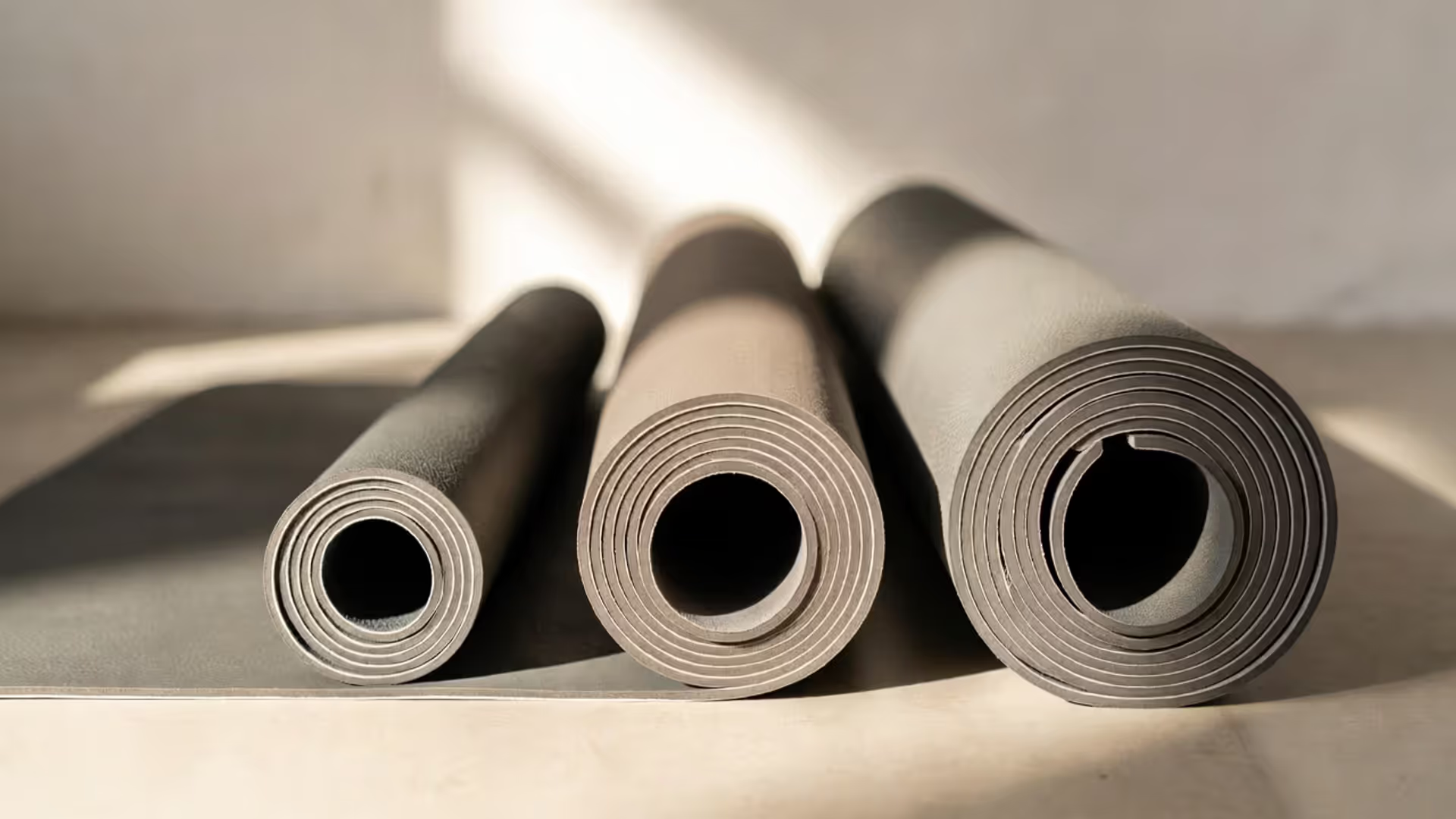
Confused about 3mm vs 6mm yoga mats? This guide explains how thickness affects joint protection, balance and proprioception, portability, and grip. Learn which thickness fits vinyasa, yin, hot yoga, and beginners, how materials change “feel,” and the most common buying mistakes to avoid.
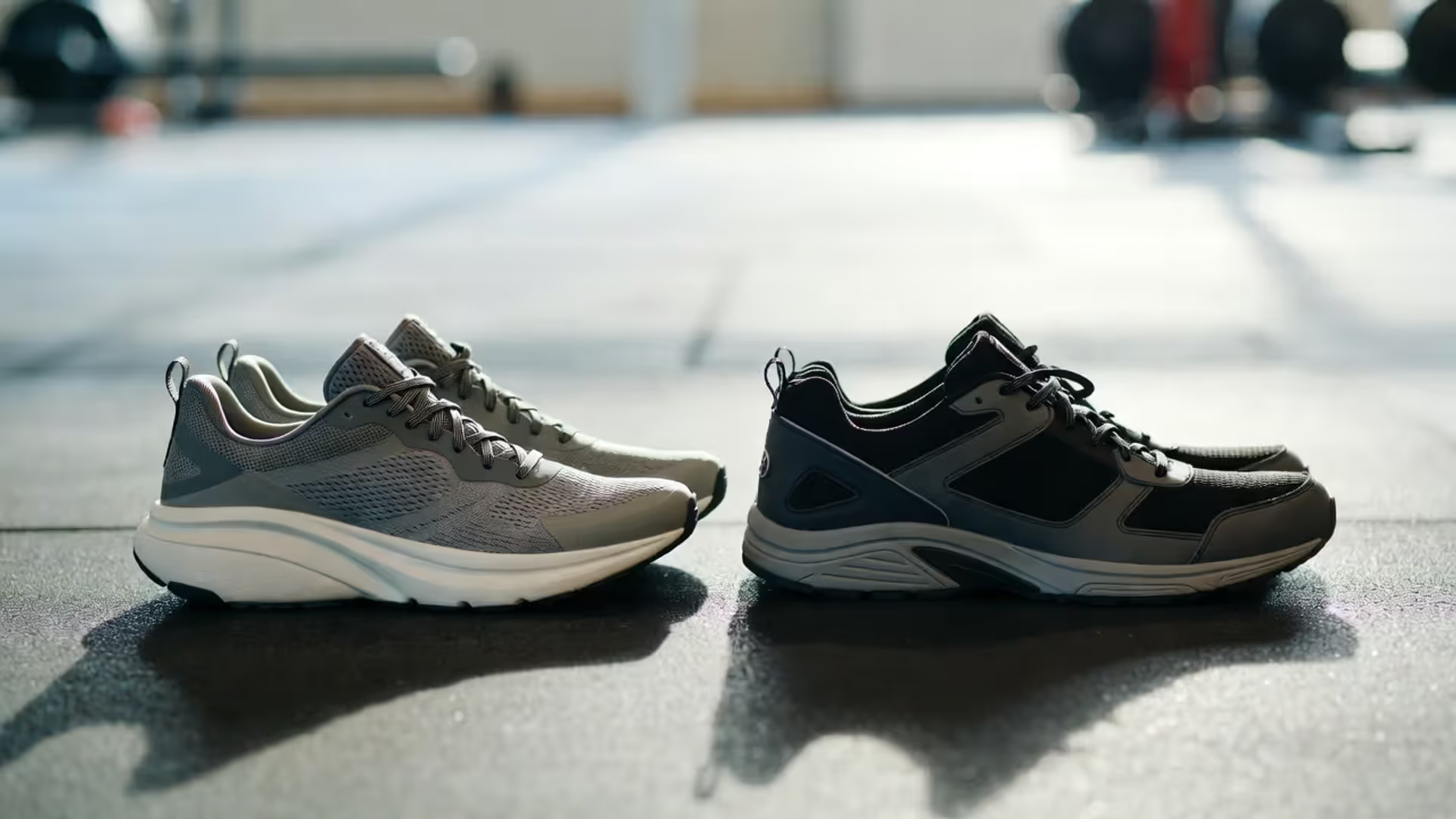
Confused about workout shoes vs running shoes? Learn the real design differences—cushioning, heel drop, flexibility, and lateral stability—plus when each fails, how to match shoes to CrossFit, lifting, or cardio, and when to replace them to reduce injury risk.
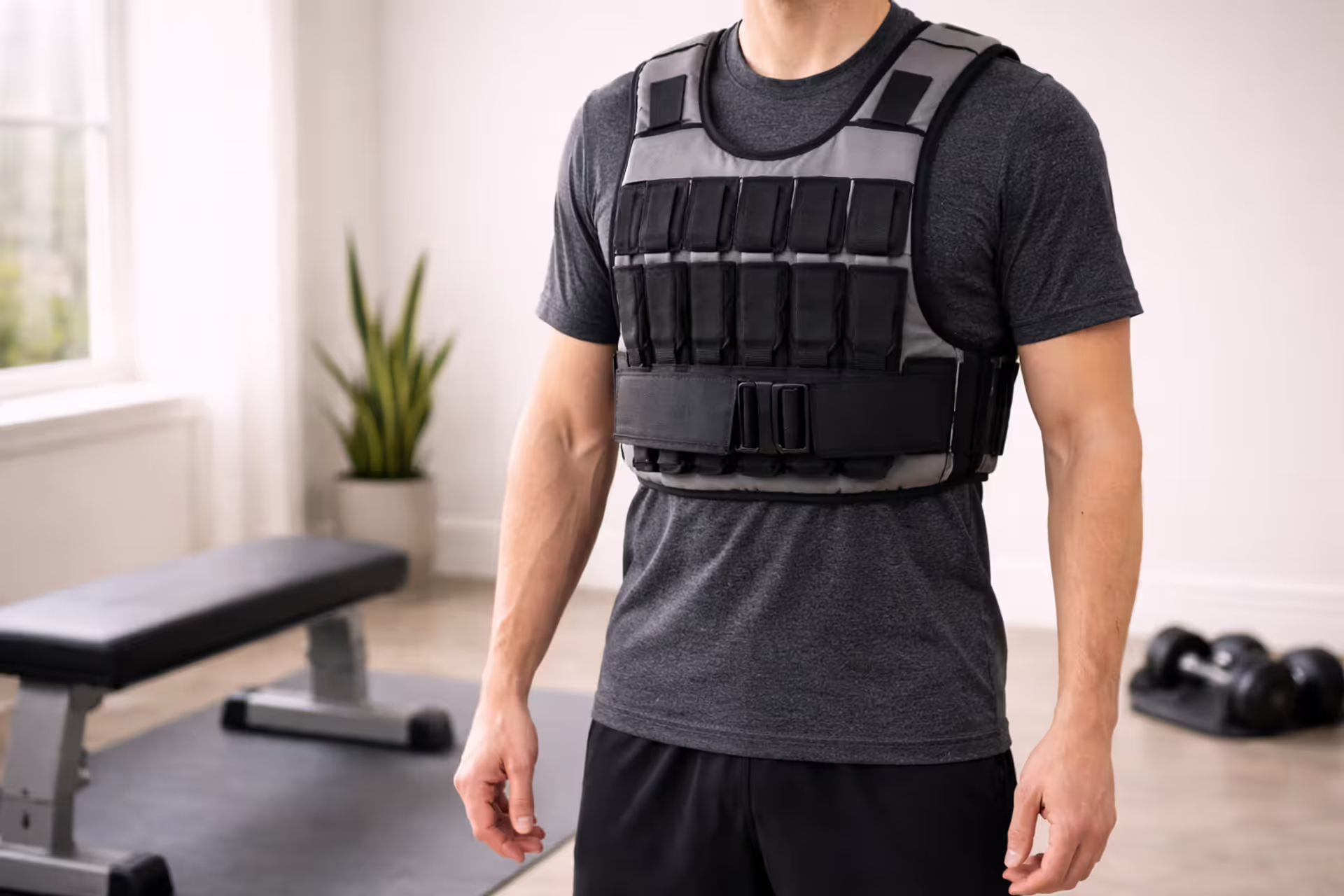
Weighted vests add “transparent” load to walking, running, and bodyweight training for stronger muscles, better cardio, and improved bone density. This guide explains the science, proven benefits, safe weight ranges, beginner-to-advanced workouts, common mistakes, and what to look for in a quality adjustable vest.
The content on this website is provided for general informational and educational purposes related to health, yoga, fitness, and overall wellness. It is not intended to replace professional medical advice, diagnosis, or treatment.
All information, workout suggestions, yoga practices, nutrition tips, and wellness guidance shared on this site are for general reference only. Individual health conditions, fitness levels, and medical needs vary, and results may differ from person to person. Always consult a qualified healthcare provider before starting any new exercise program, dietary plan, or wellness routine.
We are not responsible for any errors or omissions, or for any outcomes resulting from the use of information presented on this website. Your health and fitness decisions should always be made in consultation with appropriate medical and fitness professionals.