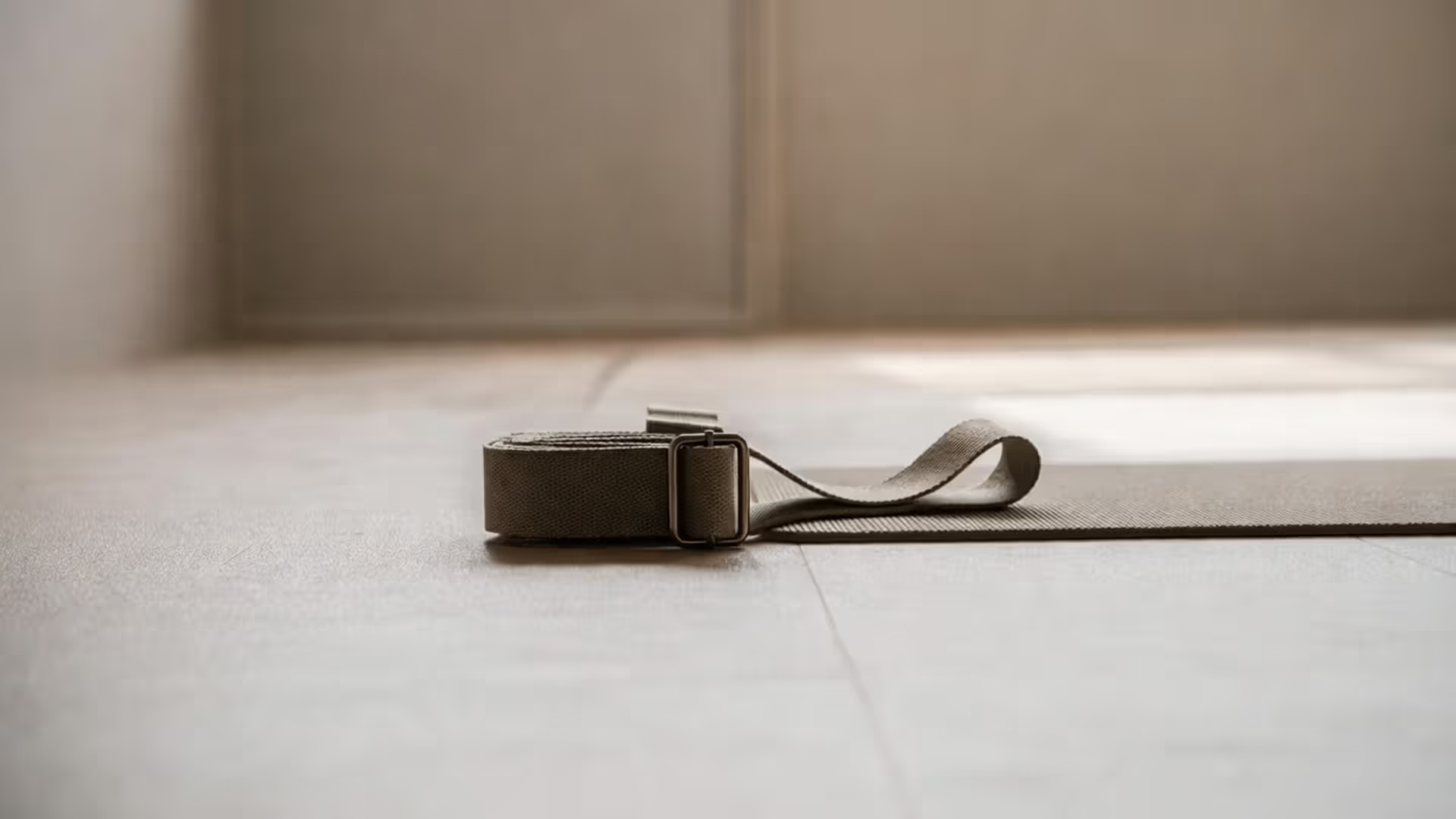
A yoga strap sits in most studio prop closets, often overlooked by practitioners who assume it's only for people who "can't touch their toes." That assumption misses the point entirely. Straps function as precision tools that let you explore ranges of motion safely, maintain proper alignment in challenging poses, and build strength in positions your body isn't ready to hold unassisted.
Whether you're working through tight hamstrings from years of desk work or refining a demanding arm balance, understanding how to use this simple piece of equipment changes what's possible in your practice. The strap doesn't compensate for lack of flexibility—it creates the conditions for flexibility to develop correctly.
What Makes Yoga Straps Essential for Stretching and Mobility Work
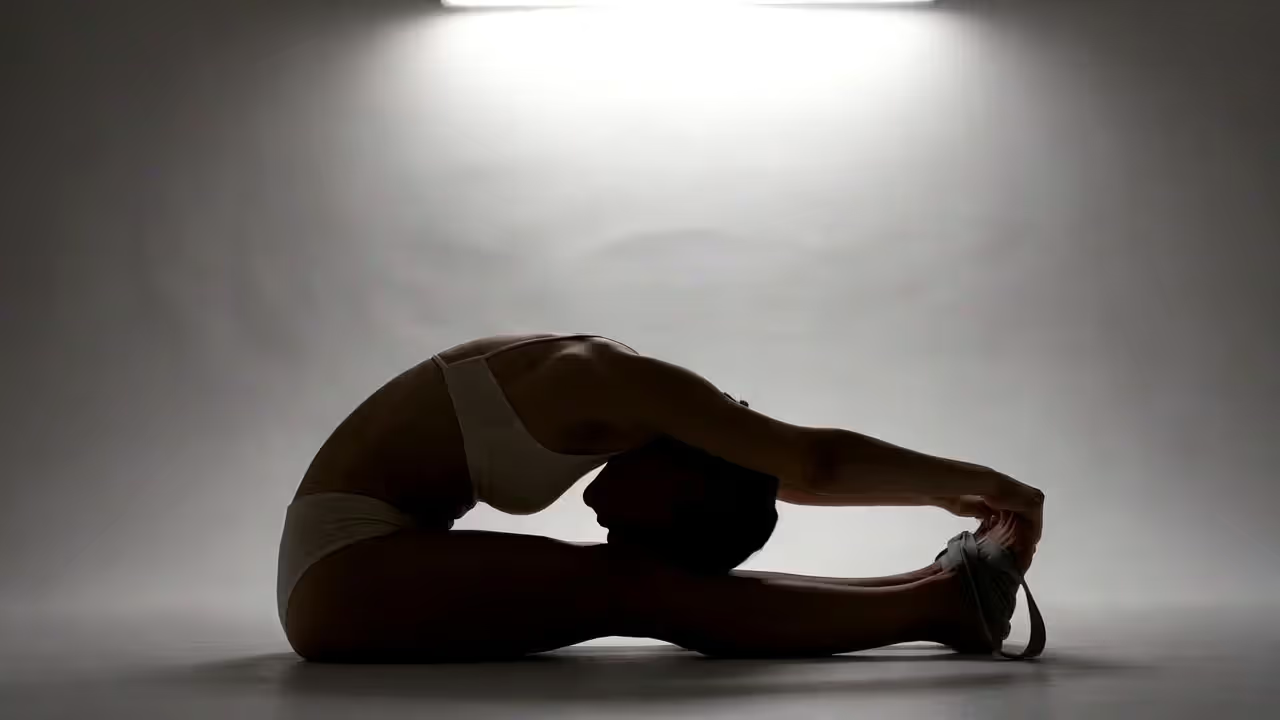
Think of a yoga strap as an adjustable extension of your arms. When your hands can't reach your feet in a seated forward fold, the gap represents more than missing inches—it often means you're rounding your spine or straining your shoulders to compensate. The strap bridges that gap, letting you maintain length through your back while your hamstrings gradually release.
This mobility support yoga gear works through mechanical advantage. By holding the strap at different lengths, you control exactly how much assistance you receive. Tighter grip means more intensity; looser grip means gentler exploration. That adjustability makes straps useful for everyone, not just beginners.
Straps also function as alignment tools. Looping one around your upper arms in downward dog prevents your elbows from splaying outward, training the correct shoulder mechanics. Wrapped around your thighs in bridge pose, it stops your knees from collapsing inward, building the muscle memory for proper hip and leg engagement.
The yoga props flexibility specialists recommend most often share one trait: they let you work at your edge without forcing past it. A strap keeps you honest. You can't cheat your way into a bind or use momentum to swing into a stretch. You have to meet your body where it actually is today.
Beginner-Friendly Yoga Strap Techniques for Common Tight Areas
Most people carry tension in predictable places—hamstrings, hip flexors, shoulders, and calves. These areas respond well to consistent, patient stretching accessory yoga work.
Author: Caleb Foster;
Source: thelifelongadventures.com
Hamstring and Hip Flexor Stretches with a Strap
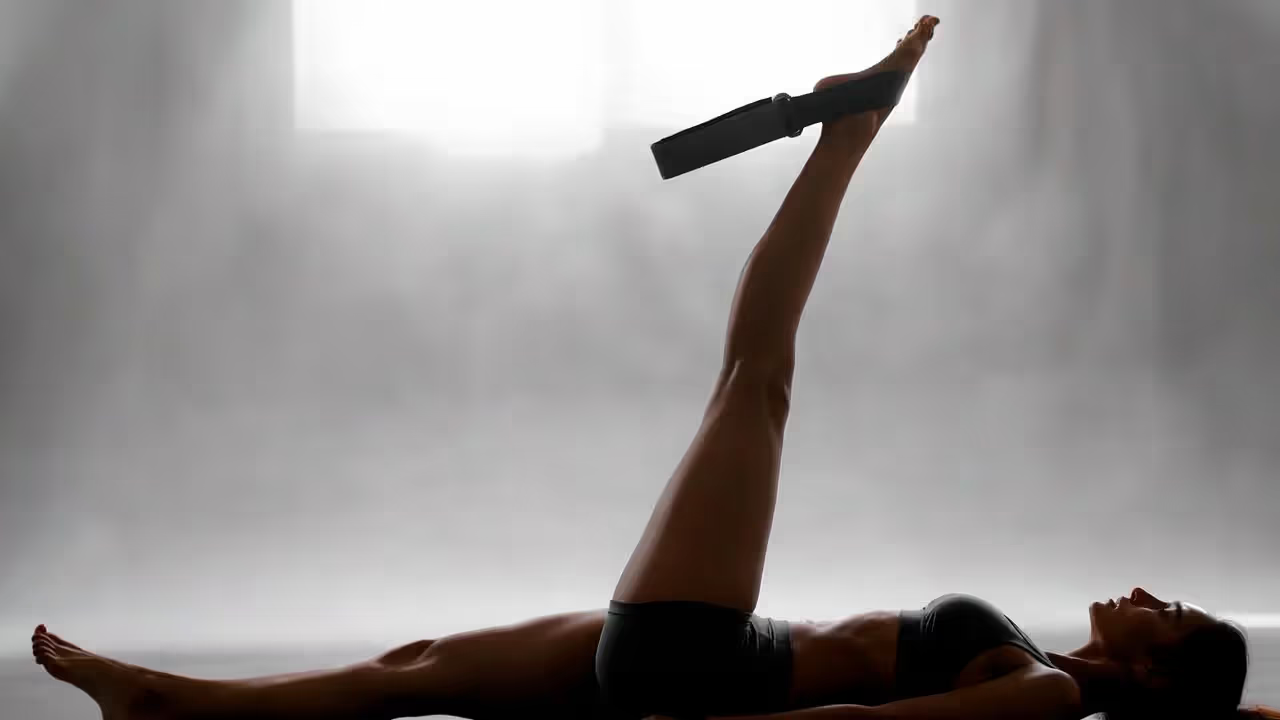
Lie on your back and loop the strap around the ball of one foot. Straighten that leg toward the ceiling, keeping your other leg extended on the floor or bent with your foot flat. Hold the strap ends in both hands and gently draw your raised leg closer, stopping when you feel a strong but sustainable stretch along the back of your thigh.
The key detail: keep your raised leg's knee straight but not locked, and maintain contact between your lower back and the floor. Many people pull their leg so close that their pelvis tilts and their lower back arches off the ground, which shifts the stretch away from the hamstring. Better to keep your leg farther away with proper alignment than to force it closer with compensation.
For hip flexors, flip the setup. Start in a low lunge with your right foot forward. Loop the strap around your left foot (the back leg) and hold both ends in your left hand, bringing that hand over your left shoulder. Gently press your hips forward while using the strap to draw your back heel toward your glutes. This assisted stretching yoga strap technique addresses both the hip flexor and the quad simultaneously.
Shoulder and Upper Back Mobility Drills
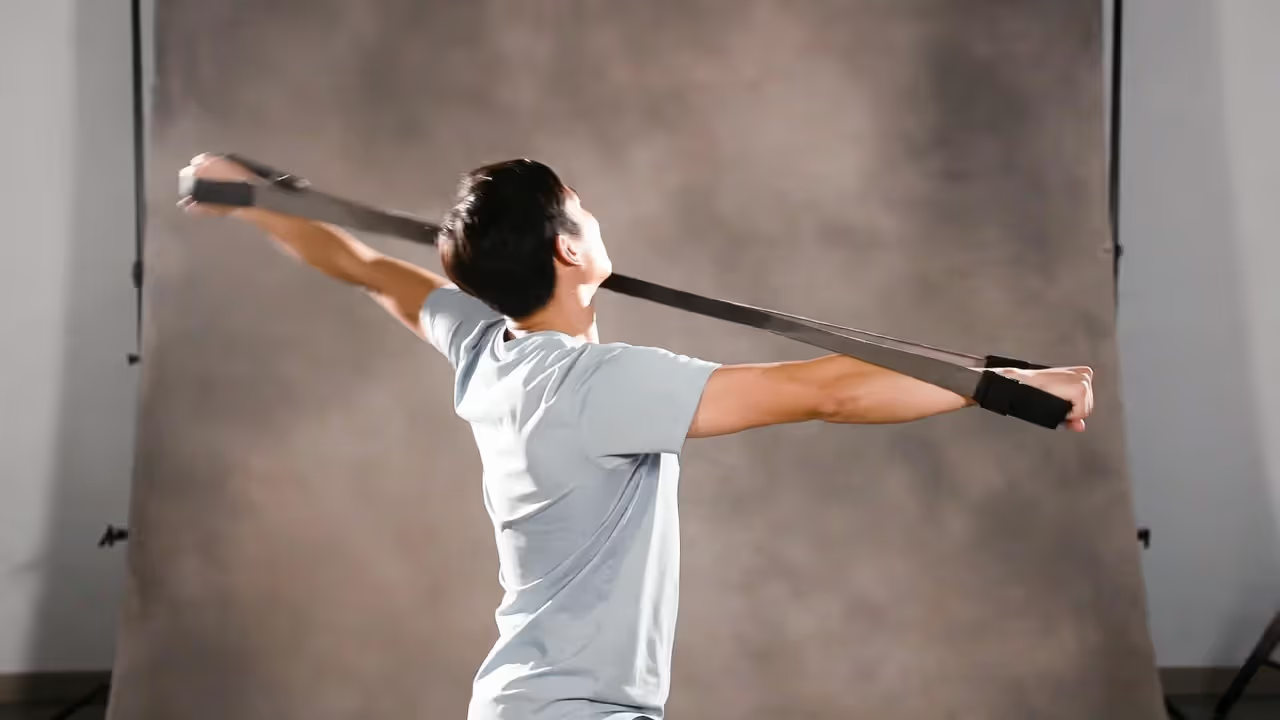
Hold the strap with both hands, arms extended in front of you at shoulder height. Your hands should be wider than shoulder-width—exactly how wide depends on your current shoulder mobility. Keeping your arms straight, slowly lift the strap overhead and continue the arc backward, bringing the strap down toward your lower back. Then reverse the movement.
This "shoulder pass-through" reveals restrictions quickly. If you can't complete the full circle, your grip is too narrow or you're dealing with shoulder tightness that needs attention. Widen your hands on the strap and work at a comfortable range. Over weeks, gradually bring your hands closer together.
For upper back opening, sit or stand and hold the strap in your right hand. Reach that arm overhead and bend your elbow, letting the strap hang down your back. Reach your left hand behind your back from below and grab the strap. Walk your hands toward each other along the strap, stopping when you feel a solid stretch through your shoulders and upper back. Hold for 30-60 seconds, then switch sides.
Author: Caleb Foster;
Source: thelifelongadventures.com
Quad and Calf Stretching Methods
Stand facing a wall for balance. Loop the strap around your right foot and hold both ends in your right hand. Bend your right knee, bringing your heel toward your glutes. Use the strap to gently pull your foot closer while keeping your knees together and your hips level. The strap prevents the wrist strain that comes from grabbing your foot directly, especially if your quads are particularly tight.
For calves, sit with both legs extended. Loop the strap around one foot's ball and hold both ends. Flex your foot, pulling your toes toward your shin using the strap. Keep your leg straight and your spine long. Hold for 45 seconds, then point and flex your foot several times before switching sides.
Advanced Pose Modifications Using a Yoga Strap
Once you understand basic strap mechanics, you can apply them to poses that require significant flexibility or strength. These flexibility tools yoga practitioners use aren't about making hard poses easy—they're about making impossible poses accessible enough to practice.
Author: Caleb Foster;
Source: thelifelongadventures.com
How to Use Straps for Dancer's Pose and King Pigeon
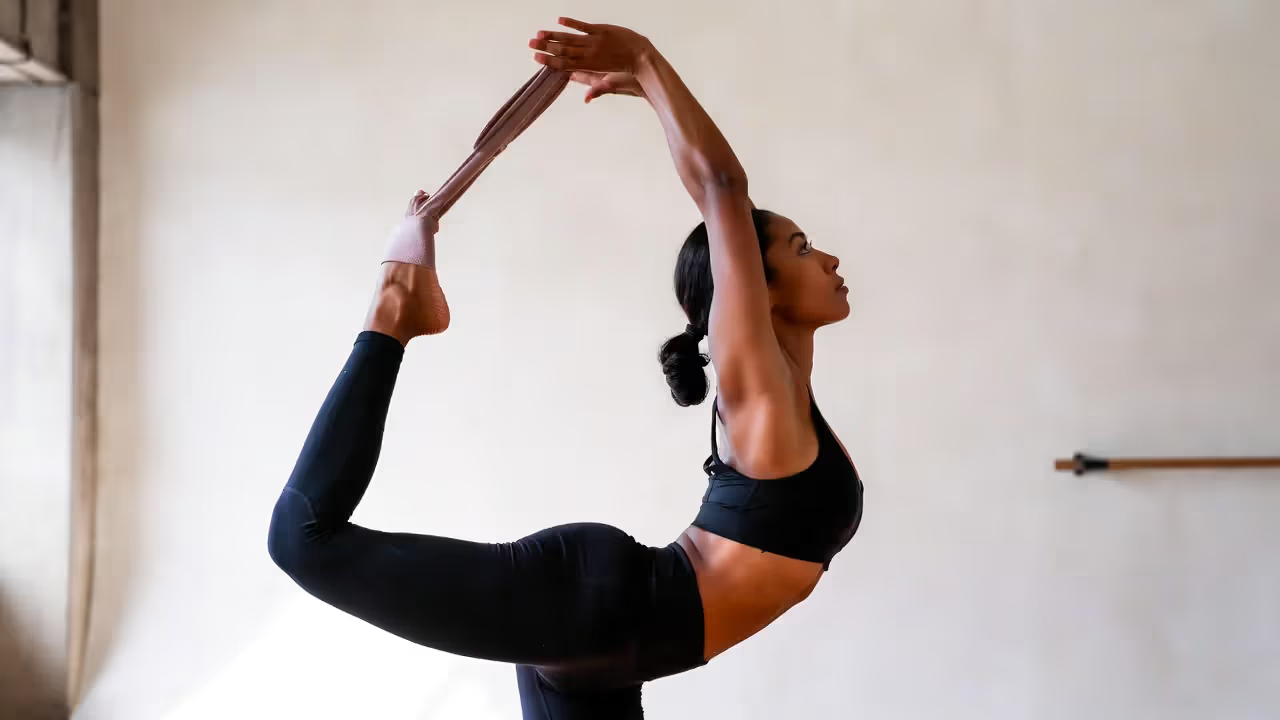
Dancer's pose (Natarajasana) asks you to balance on one leg while grabbing the opposite foot behind you and lifting it high. For most people, the limiting factor isn't balance—it's the combination of shoulder flexibility and quad openness needed to reach that foot while maintaining proper alignment.
Loop the strap around your right foot. Hold both ends in your right hand and extend that arm overhead. Kick your foot into the strap while simultaneously reaching your arm up and back. The strap lets you work the essential actions of the pose—the backward kick, the chest opening, the standing leg's engagement—without requiring your hand to touch your foot.
King pigeon follows similar logic. From a low lunge, slide your back knee farther back and loop the strap around that foot. Reach both arms overhead and hold the strap, bending your elbows to draw your back foot toward your head. The strap provides the length you need to explore the backbend and hip opener safely. As your flexibility increases over months, you can "climb" your hands down the strap, gradually decreasing the distance.
Strap-Assisted Forearm Stands and Shoulder Stability
Arm balances demand more than strength—they require precise shoulder positioning. A strap looped around your upper arms, just above your elbows, prevents the common mistake of letting your elbows slide apart.
For forearm stand preparation, place your forearms on the ground parallel to each other, shoulder-width apart. Loop the strap around your upper arms, positioned so it holds your elbows at exactly shoulder-width. When you lift into the pose, the strap provides external feedback, reminding your shoulders to stay engaged in the correct position. This builds the neuromuscular pattern you'll eventually maintain without the prop.
The same principle applies to headstand, dolphin pose, and forearm plank variations. The strap becomes a training tool that teaches your body what correct alignment feels like.
Author: Caleb Foster;
Source: thelifelongadventures.com
Rehabilitation and Injury Recovery Applications
Physical therapists frequently incorporate assisted stretching yoga strap techniques into recovery protocols. The controlled, gradual nature of strap work suits the careful progression that healing tissue requires.
After a hamstring strain, for example, aggressive stretching can re-injure the area. A strap lets you work at very gentle intensities, gradually increasing range of motion as the tissue heals. You maintain control throughout the entire movement—there's no bouncing, no momentum, no risk of going too far too fast.
For frozen shoulder or post-surgical shoulder rehabilitation, the shoulder pass-through exercise described earlier becomes therapeutic. The strap allows movement through a pain-free range while gradually encouraging greater mobility. The same applies to ankle injuries—using a strap to gently flex and point the foot maintains mobility without bearing weight.
Senior practitioners often find that mobility support yoga gear makes the difference between continuing a practice and giving it up. Tight hips, stiff shoulders, and reduced hamstring flexibility are normal parts of aging. A strap doesn't reverse those changes, but it allows practitioners to work within their current abilities while maintaining or slowly improving range of motion.
The psychological benefit matters too. When you can participate in a full class using props appropriately rather than struggling through poses you can't access, you're more likely to maintain a consistent practice. Consistency drives progress more than intensity ever will.
Comparing Yoga Straps to Other Flexibility Tools
You have several options for assisted stretching. Each tool offers different advantages depending on your goals and practice style.
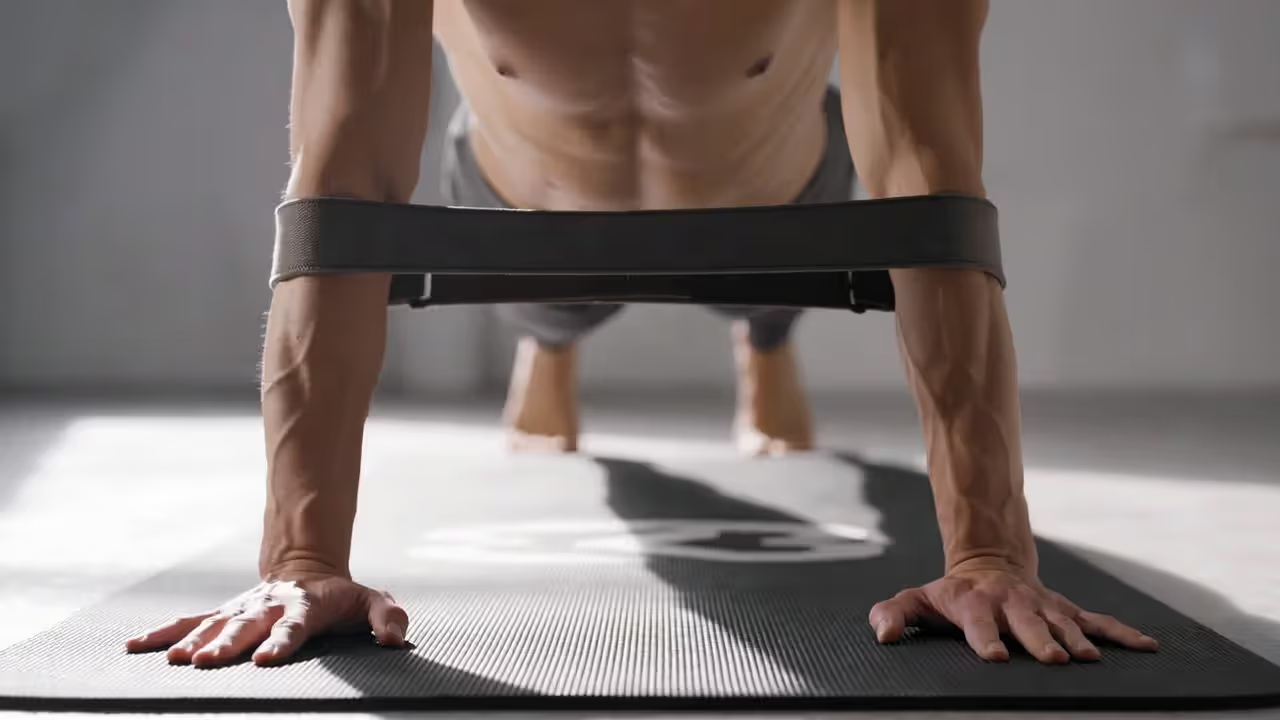
Resistance bands provide variable tension—the more you stretch them, the harder they pull back. This makes them excellent for strength work but less ideal for static stretching where you want consistent, gentle pressure. Yoga straps maintain the same tension regardless of how far you stretch, which better suits flexibility work.
A towel can substitute for a strap in a pinch, but it lacks a buckle for creating fixed loops and tends to slip more easily. If you're traveling and can't pack a strap, a towel works for basic hamstring and shoulder stretches.
Blocks and straps serve different functions and complement each other. Blocks bring the floor closer to you; straps extend your reach. Many poses benefit from using both—a block under your hand in triangle pose and a strap around your front foot if your hamstrings are tight, for example.
Common Mistakes When Using a Yoga Strap (And How to Avoid Injury)
Author: Caleb Foster;
Source: thelifelongadventures.com
The most frequent error is pulling too aggressively. A strap gives you leverage, and leverage can push you past your body's safe range. Stretching should feel intense but not painful. If you're grimacing, holding your breath, or feeling sharp sensations, you've gone too far.
Use this rule of thumb: you should be able to maintain steady breathing and hold the position for at least 30 seconds. If you can't, reduce the intensity.
Wrong grip placement causes problems too. In a seated forward fold with the strap around your feet, holding the strap too close to your feet (with hands near your shins) often causes you to round your spine. Hold the strap farther back, even if it means your torso stays more upright. The point is maintaining spinal length while the hamstrings gradually release.
Worn straps become safety hazards. Check your strap regularly for fraying, especially near the buckle where the webbing folds. A strap that breaks mid-stretch can cause you to fall or strain a muscle. Replace straps that show significant wear.
Skipping warm-up makes straps less effective and more risky. Stretching cold muscles yields minimal benefit and increases injury risk. Do five to ten minutes of gentle movement—cat-cow, sun salutations, or even a brisk walk—before using a strap for deep stretching.
Finally, don't use a strap to force yourself into positions your body isn't ready for. If you can't bind your hands behind your back in cow face pose, using a strap is smart. But if your shoulder screams in protest even with the strap, back off. The strap should reduce strain, not enable you to push through pain.
FAQ: Your Yoga Strap Questions Answered
What length yoga strap should I buy as a beginner?
An 8-foot strap works for most people and most applications. If you're taller than 6 feet or plan to use the strap for poses where it wraps around your body multiple times, consider a 10-foot option. Shorter straps (6 feet) work fine for basic hamstring stretching but limit your options for more complex uses. When in doubt, longer is better—you can always hold a long strap shorter, but you can't extend a short one.
Can I use a regular belt or towel instead of a yoga strap?
For basic stretching, yes. A bathrobe tie, a regular belt, or a hand towel can substitute in a pinch. The disadvantages: belts often have rigid buckles that dig into your hands or feet, towels slip more easily and lack adjustable loops, and neither is designed for the specific tension requirements of yoga. If you practice regularly, a proper strap costs less than two drop-in classes and will last for years.
How do I clean and maintain my yoga strap?
Hand-wash cotton straps in cool water with mild detergent, then air dry. Machine washing works but shortens the strap's lifespan due to agitation and heat. Nylon straps tolerate machine washing better—use a mesh laundry bag to prevent the buckle from damaging other items. Avoid fabric softener, which can make straps slippery. Check the buckle regularly for sharp edges or cracks. Store your strap loosely coiled or hung up rather than tightly wound, which can create permanent creases.
Are cotton or nylon yoga straps better for flexibility work?
Cotton feels softer against skin and provides slightly more grip, making it popular for bare-foot stretching. Nylon is more durable, dries faster, and holds up better to frequent washing. For pure functionality, the difference is minimal—both work well. Choose based on personal preference and intended use. If you sweat heavily or practice hot yoga, nylon's quick-dry property is advantageous. If you have sensitive skin or prefer natural materials, cotton is the better choice.
Do I need a yoga strap if I'm already flexible?
Flexibility isn't binary. You might have open hamstrings but tight shoulders, or great hip mobility but limited ankle range. Even naturally flexible people benefit from straps for alignment work—holding your arms at a specific width in forearm stand, for example, or maintaining proper shoulder positioning in certain binds. Advanced practitioners also use straps to explore end-range positions safely and to work on asymmetries (most people are more flexible on one side than the other).
Can yoga straps help with lower back pain?
Indirectly, yes. Many cases of lower back pain stem from tight hamstrings, hip flexors, or limited hip mobility, which force the lower back to compensate during daily movements. Using a strap to safely and gradually increase flexibility in these areas can reduce the strain on your lower back. However, a strap isn't treatment for acute injury or chronic conditions. If you have significant back pain, consult a healthcare provider before starting any stretching program. Once cleared, strap-assisted stretches for the hamstrings and hip flexors often become part of an effective management strategy.
Moving Forward with Your Strap Practice
The difference between owning a yoga strap and actually using one comes down to integration. Keep it visible—rolled next to your mat or hanging on a hook you pass daily. The strap gathering dust in a closet doesn't improve anyone's flexibility.
Start with just one or two applications that address your specific tight areas. If you sit at a desk all day, that probably means hamstrings and hip flexors. If you swim or climb, shoulders likely need attention. Build a five-minute routine you can do while watching TV or before bed. Consistency at low intensity beats occasional heroic stretching sessions.
As certain areas open up, you'll notice other restrictions. That's normal. The body is a connected system—releasing your hamstrings might reveal tight calves you never noticed before. Think of it as peeling an onion rather than checking items off a list.
Track your progress through sensation and function rather than arbitrary goals like touching your toes. Can you sit on the floor more comfortably? Does reaching overhead feel easier? Do you get through your day with less stiffness? These practical improvements matter more than achieving any particular pose.
The strap will become less necessary in some applications as your flexibility increases, and more useful in others as you explore new poses. That evolution is exactly what should happen. Props aren't crutches—they're tools that grow with your practice, supporting you wherever you currently are while helping you discover what's next.
Confused about 3mm vs 6mm yoga mats? This guide explains how thickness affects joint protection, balance and proprioception, portability, and grip. Learn which thickness fits vinyasa, yin, hot yoga, and beginners, how materials change “feel,” and the most common buying mistakes to avoid.
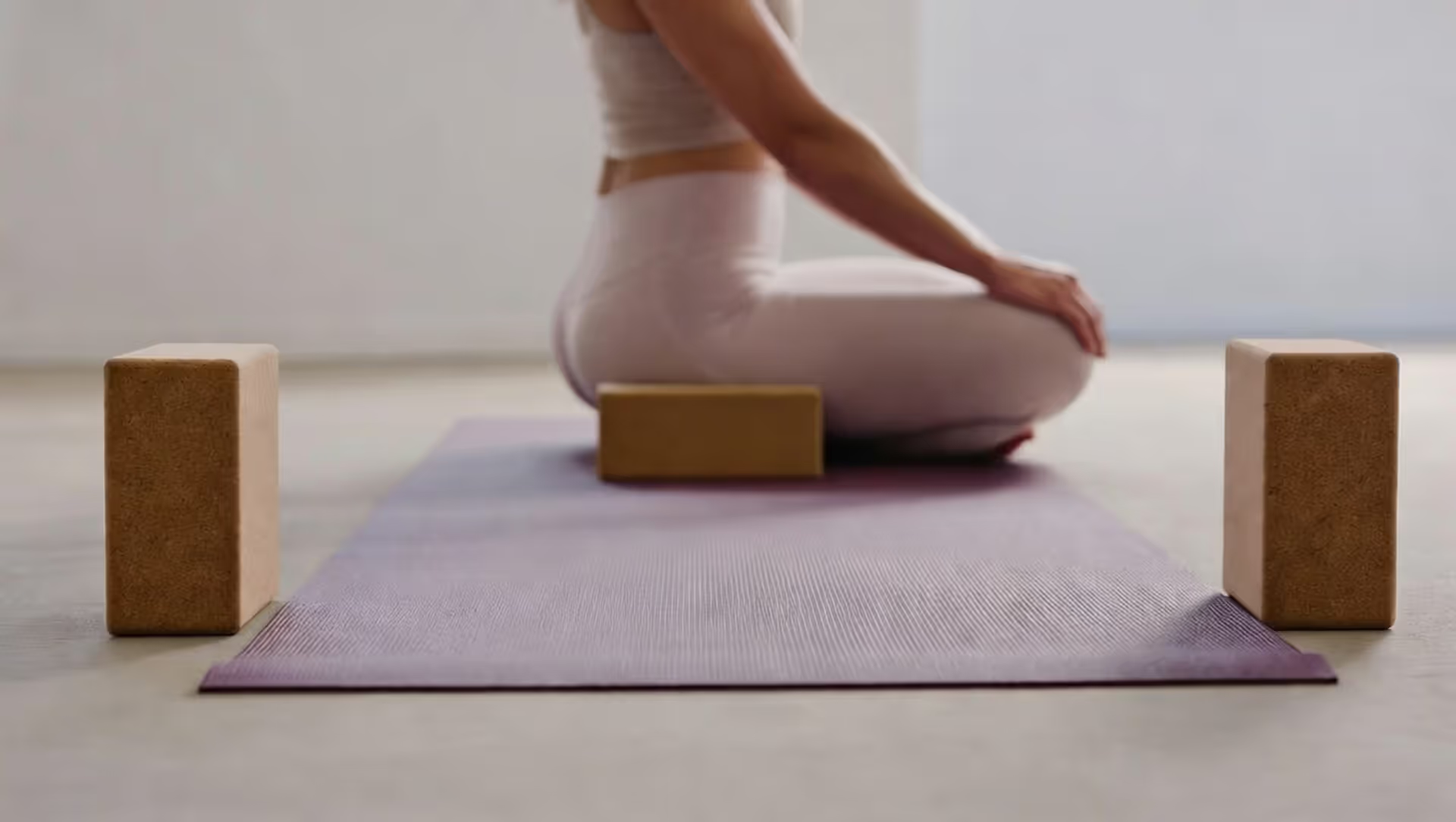
Yoga blocks aren’t “cheating”—they’re alignment tools that help you progress safely. Discover evidence-based benefits, correct block placement for standing, seated, and restorative poses, the biggest mistakes to avoid, and how to choose the right block material, size, and density for your practice.
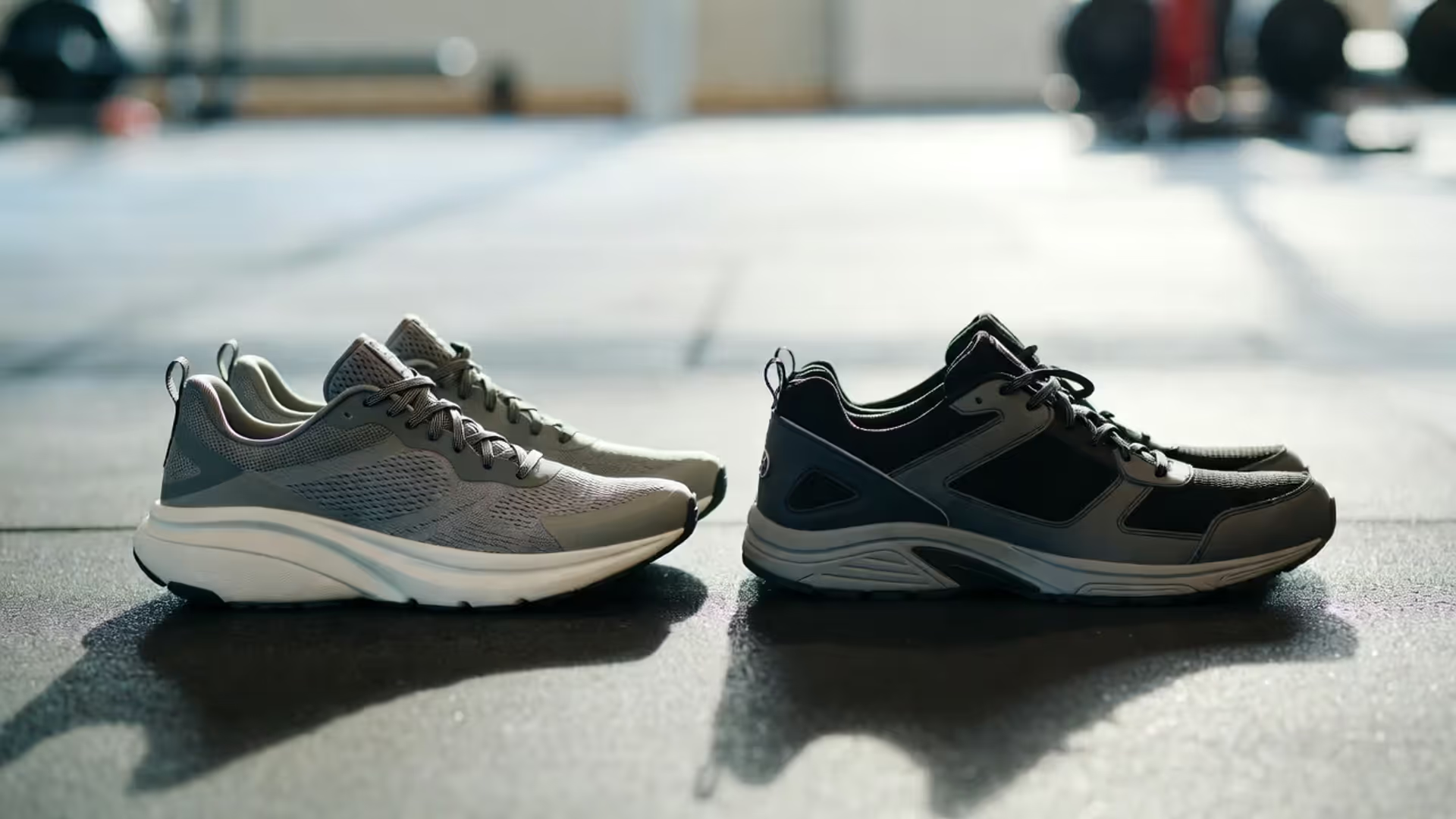
Confused about workout shoes vs running shoes? Learn the real design differences—cushioning, heel drop, flexibility, and lateral stability—plus when each fails, how to match shoes to CrossFit, lifting, or cardio, and when to replace them to reduce injury risk.
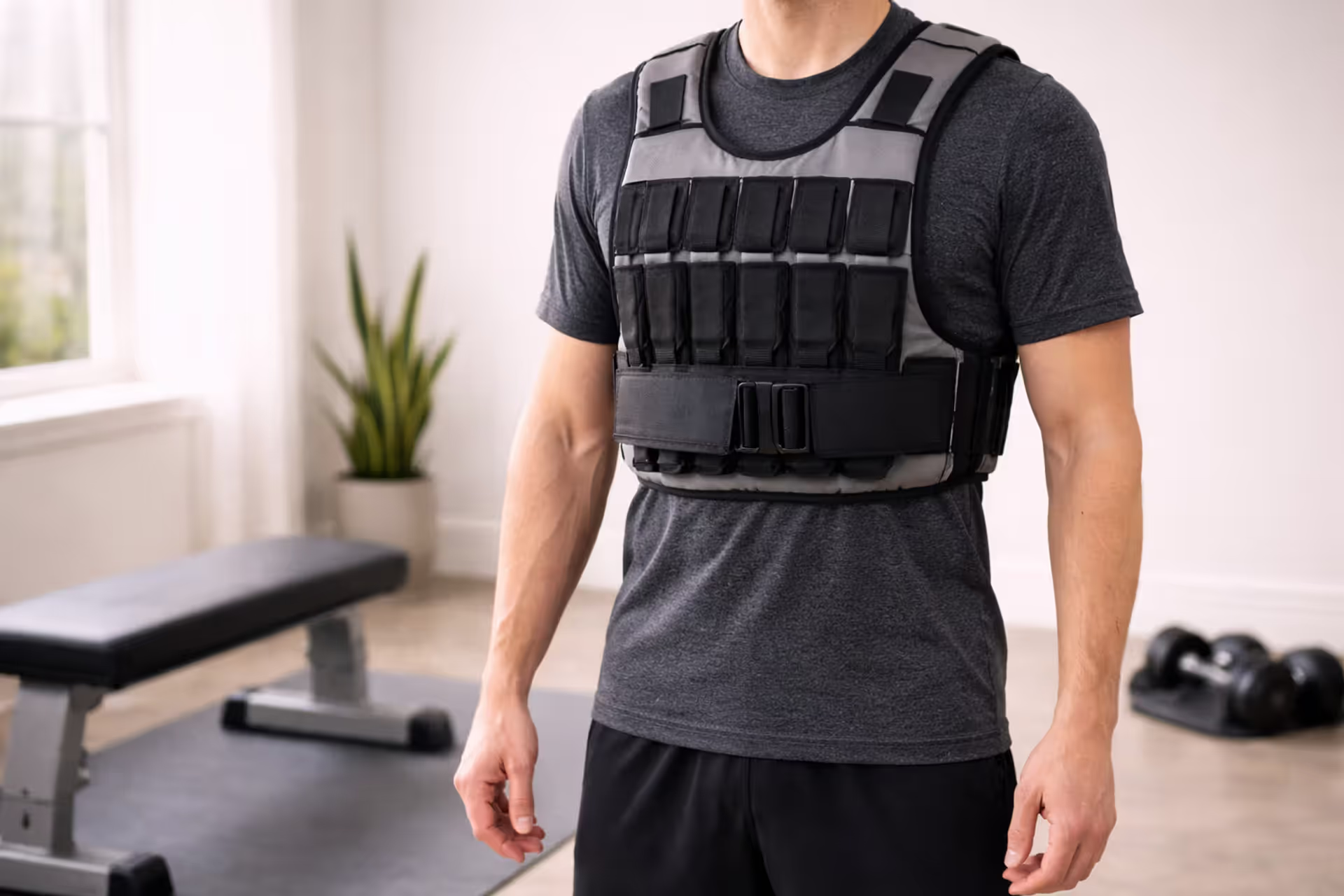
Weighted vests add “transparent” load to walking, running, and bodyweight training for stronger muscles, better cardio, and improved bone density. This guide explains the science, proven benefits, safe weight ranges, beginner-to-advanced workouts, common mistakes, and what to look for in a quality adjustable vest.
The content on this website is provided for general informational and educational purposes related to health, yoga, fitness, and overall wellness. It is not intended to replace professional medical advice, diagnosis, or treatment.
All information, workout suggestions, yoga practices, nutrition tips, and wellness guidance shared on this site are for general reference only. Individual health conditions, fitness levels, and medical needs vary, and results may differ from person to person. Always consult a qualified healthcare provider before starting any new exercise program, dietary plan, or wellness routine.
We are not responsible for any errors or omissions, or for any outcomes resulting from the use of information presented on this website. Your health and fitness decisions should always be made in consultation with appropriate medical and fitness professionals.