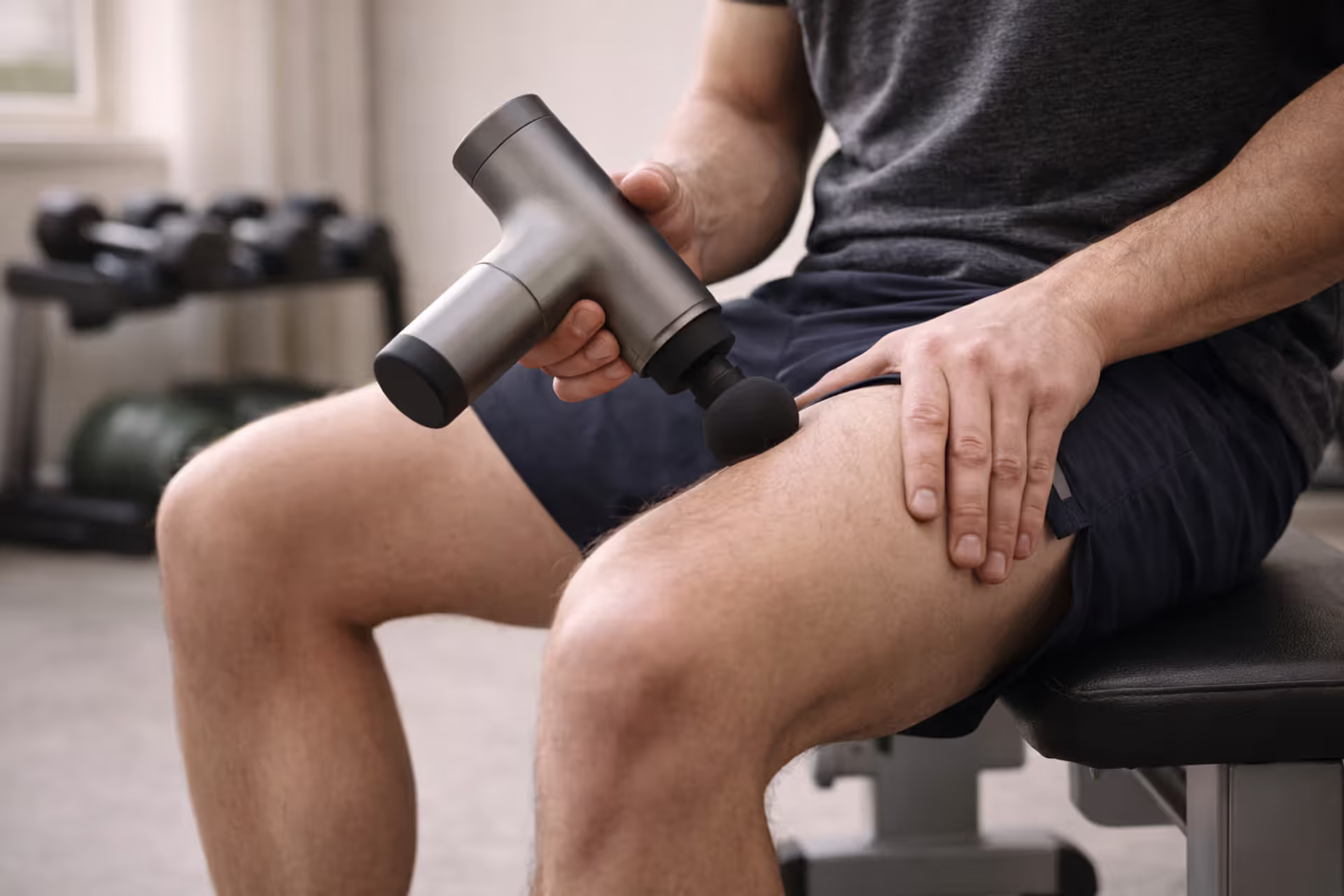
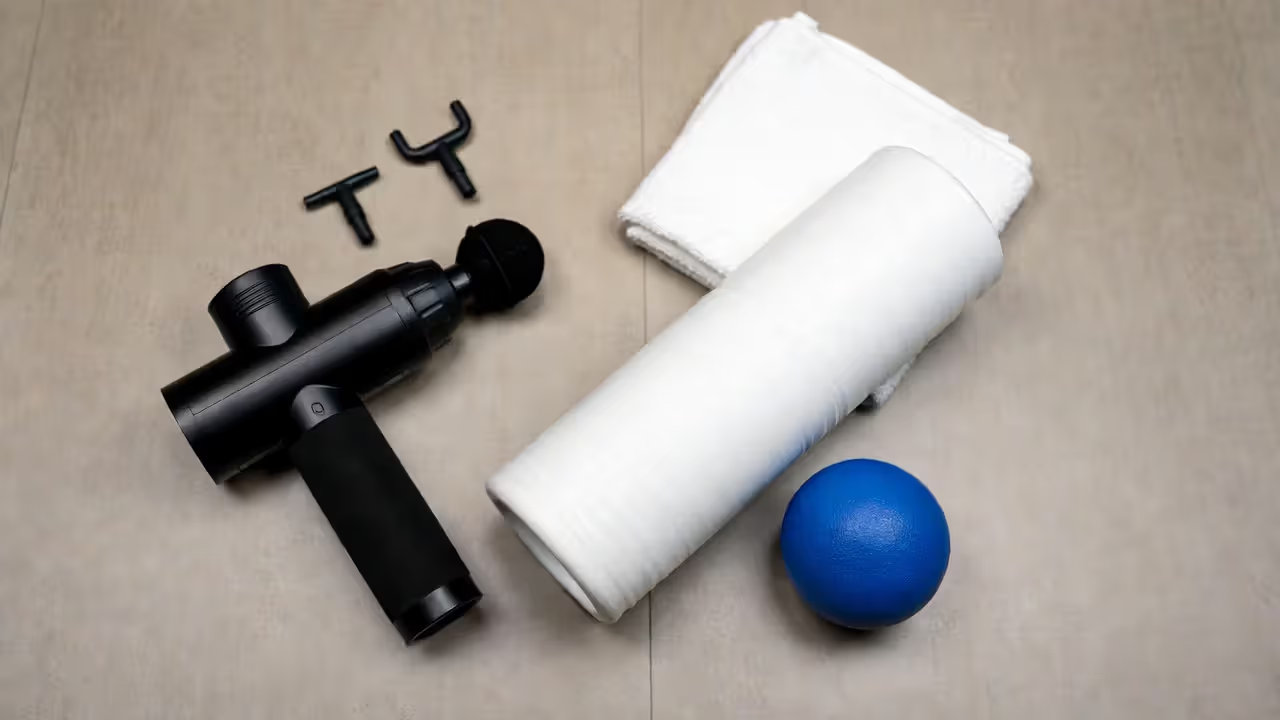
Massage guns have moved from professional athletic training rooms into home gyms and living rooms across America. These handheld devices promise faster recovery, less soreness, and better performance—but separating marketing hype from measurable results requires looking at what actually happens when rapid percussion meets muscle tissue.
The appeal is straightforward: a device that fits in your gym bag and delivers targeted relief whenever you need it. But understanding whether these tools deliver on their promises means examining the physiological mechanisms at work and comparing real-world outcomes against traditional recovery methods.
How Percussion Therapy Works on Your Muscles
The Mechanism Behind Rapid Percussion
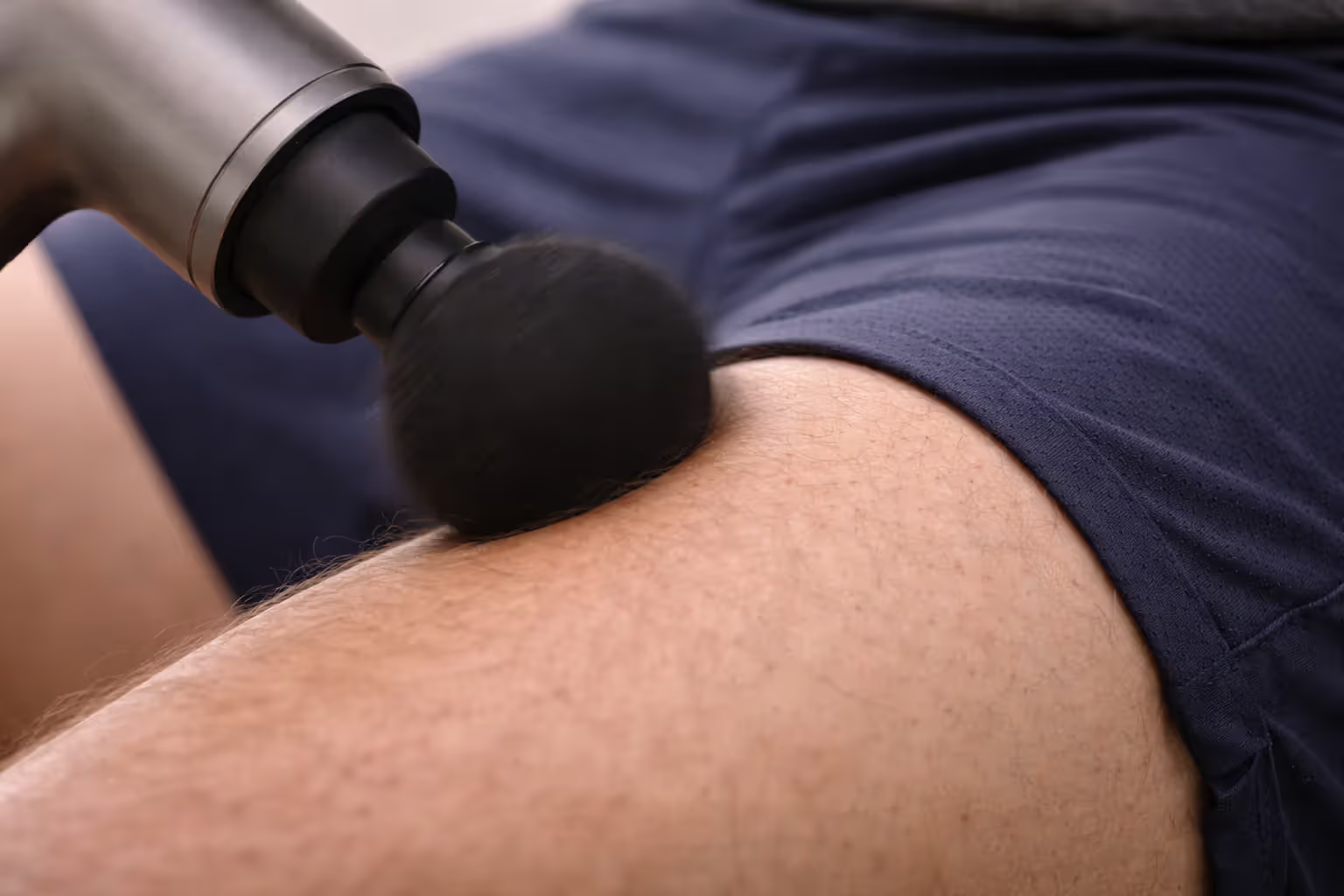
Percussion therapy delivers rapid bursts of pressure into muscle tissue—typically 30 to 50 strikes per second. This mechanical stimulation creates a series of physiological responses that differ significantly from static pressure or manual manipulation.
When the massage gun head strikes muscle tissue, it creates localized mechanical deformation. This deformation triggers mechanoreceptors—specialized sensory neurons that respond to physical pressure and vibration. These receptors send signals to the central nervous system, which can temporarily override pain signals through a process called gate control theory. Essentially, the percussion creates "noise" that makes it harder for pain signals to reach conscious awareness.
The depth of this stimulation depends on amplitude—how far the massage gun head travels with each strike. Devices with 12-16mm amplitude penetrate superficial muscle layers, while those with 16mm or greater can reach deeper tissue structures. This matters because surface-level percussion affects different tissue types than deep percussion.
Author: Logan Brooks;
Source: thelifelongadventures.com
Blood Flow and Fascia Response
The repetitive mechanical stimulation from percussion therapy science creates vasodilation—the widening of blood vessels in the treated area. Research using Doppler ultrasound has shown measurable increases in blood flow lasting 30-60 minutes after percussion treatment. This increased circulation delivers more oxygen and nutrients to muscle tissue while removing metabolic waste products like lactate.
Fascia—the connective tissue web surrounding and interpenetrating muscles—responds differently to percussion than muscle fibers themselves. Fascia contains more mechanoreceptors per square inch than muscle tissue, making it highly responsive to vibration therapy fitness applications. When percussion stimulates fascia, it can reduce adhesions (areas where fascial layers stick together) and improve the sliding motion between tissue layers.
One often-overlooked aspect: percussion doesn't just affect the tissue directly under the device. The mechanical waves propagate through connected fascial planes, creating effects in adjacent areas. This explains why treating the IT band on your thigh can sometimes reduce tension in your hip or knee.
Author: Logan Brooks;
Source: thelifelongadventures.com
7 Proven Benefits of Using a Massage Gun
1. Reduced Delayed Onset Muscle Soreness (DOMS)
The deep ache that peaks 24-72 hours after intense exercise responds measurably to percussion treatment. A 2020 study published in the Journal of Clinical and Diagnostic Research found that participants who used percussion devices for 15 minutes post-workout reported 30% less soreness at the 48-hour mark compared to passive recovery. The mechanism involves both increased waste product removal and modulation of inflammatory responses.
2. Improved Range of Motion
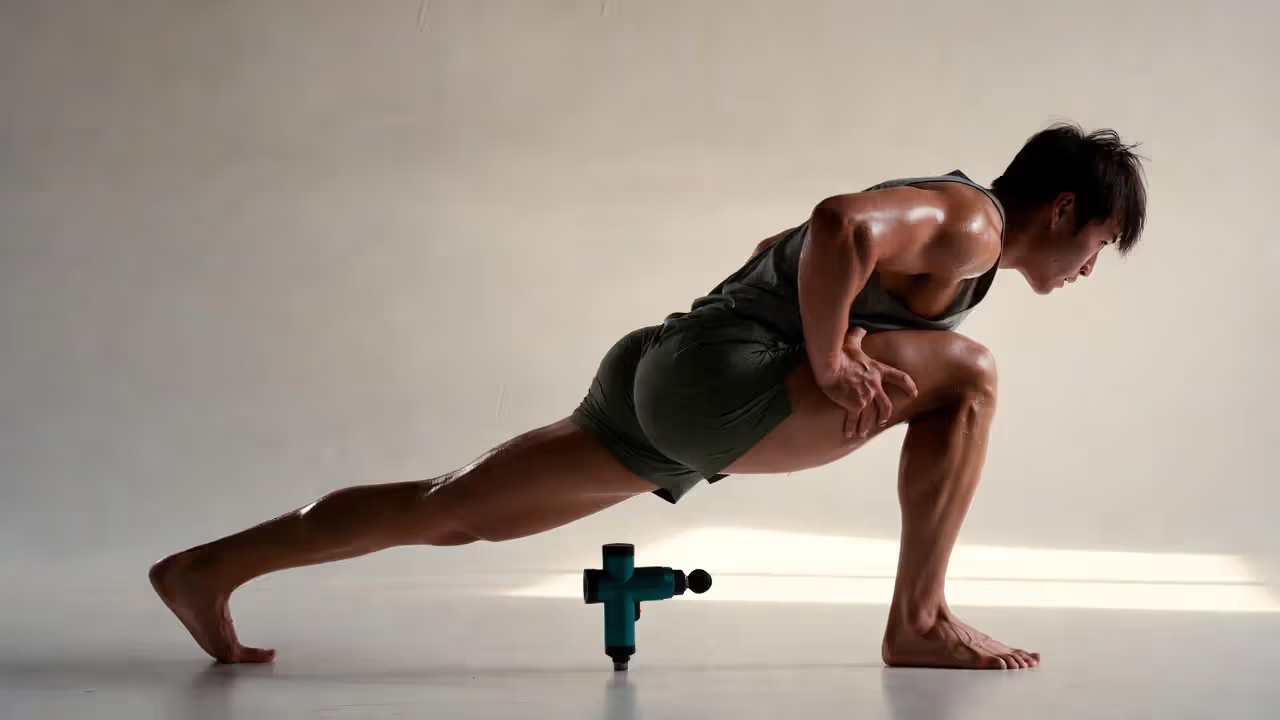
Percussion applied before activity can temporarily increase joint range of motion by 5-10 degrees—enough to matter for athletic performance. This occurs through two pathways: reduced muscle tone (the baseline tension in resting muscle) and improved fascial gliding. The effect typically lasts 10-30 minutes, making timing critical for pre-competition use.
3. Faster Warmup Activation
Using a muscle recovery massage gun for 30-60 seconds per muscle group before exercise increases tissue temperature and neural activation faster than traditional warmup alone. Athletes report feeling "ready" 3-5 minutes sooner—a meaningful difference when time is limited. The percussion essentially jump-starts the neuromuscular system without requiring the energy expenditure of active movement.
4. Injury Prevention Through Tension Release
Chronic muscle tension creates compensation patterns that increase injury risk. Regular percussion therapy helps maintain more balanced muscle tone across opposing muscle groups. Weekend warriors who used soreness relief devices three times weekly showed 40% fewer overuse injuries over a six-month period in one small observational study—though more research is needed to confirm causation.
5. Targeted Tension Relief
Unlike foam rolling, which requires body weight and floor space, percussion devices allow precise targeting of specific trigger points and muscle bellies. You can treat your upper trapezius while sitting at a desk or address calf tightness while watching television. This accessibility increases treatment frequency, which matters more for chronic tension than treatment intensity.
6. Circulation Boost for Sedentary Recovery
For people recovering from injury or dealing with sedentary work, percussion provides mechanical stimulation without requiring active movement. The increased blood flow supports tissue healing and prevents the muscle atrophy that occurs with prolonged immobilization. Physical therapists increasingly use these devices as part of early-stage rehabilitation protocols.
7. Stress Reduction Through Parasympathetic Activation
The rhythmic stimulation from percussion therapy activates the parasympathetic nervous system—your body's "rest and digest" mode. Users report feeling calmer and experiencing better sleep quality when using devices for 10-15 minutes before bed. While subjective, these effects align with research showing that mechanical stimulation reduces cortisol levels and increases parasympathetic tone.
Author: Logan Brooks;
Source: thelifelongadventures.com
Massage Guns vs. Traditional Recovery Methods: What Works Better?
Different recovery tools excel in different contexts. This comparison helps match tools to specific needs:
Recovery Method
Effectiveness for DOMS
Cost Range
Convenience
Best Use Case
Massage Gun
High (30-40% reduction)
$100-$600
Very High
Targeted relief, time-limited recovery, travel
Foam Roller
Moderate (20-30% reduction)
$15-$60
High
Large muscle groups, budget-conscious, minimal space
The "better" choice depends on your specific constraints. A massage gun offers the best balance of effectiveness and convenience for most active individuals, but it doesn't replace all other modalities. Professional massage addresses compensatory patterns and provides whole-body assessment that no self-treatment tool can match. Foam rollers remain unbeatable for budget-conscious recovery. Ice baths excel for acute inflammation but require significant setup.
Many athletes use a layered approach: foam rolling for large muscle groups, percussion for targeted problem areas, and professional massage monthly for comprehensive assessment. This combination costs less than weekly professional massage while providing better daily management than any single tool.
Who Should Use a Massage Gun (And Who Shouldn't)
Best Candidates: Athletes and Active Individuals
People who benefit most from recovery massage tools share common characteristics: regular training stress, time constraints, and specific recovery goals.
Strength athletes use percussion to manage the chronic muscle tension that comes with heavy loading. A powerlifter might spend five minutes on their quadriceps and hip flexors after a squat session, reducing next-day stiffness that would otherwise limit training frequency.
Endurance athletes address different issues—repetitive-use tightness in calves, IT bands, and hip flexors. A marathon runner might use a device for two minutes per calf daily, preventing the accumulated tension that leads to Achilles issues or plantar fasciitis.
Desk workers with gym habits represent a growing user category. Sitting for eight hours creates hip flexor tightness and upper trap tension that interferes with workout quality. Quick percussion sessions between meetings or before evening workouts help maintain tissue quality despite sedentary work demands.
People recovering from injuries benefit when cleared by healthcare providers. The increased circulation and neural stimulation support tissue healing without requiring active movement that might stress healing structures.
Cautions and Contraindications
Percussion therapy isn't appropriate for everyone. Avoid using these devices if you have:
Acute injuries: Fresh strains, sprains, or tears need time to form initial scar tissue. Percussion within the first 48-72 hours can disrupt this process and delay healing. The increased blood flow that benefits chronic issues can worsen acute inflammation.
Circulatory conditions: Deep vein thrombosis, varicose veins, or other vascular issues create risks when combined with percussion. The mechanical stimulation could theoretically dislodge clots or damage compromised vessels. Always get medical clearance first.
Nerve damage or neuropathy: Reduced sensation means you can't accurately gauge whether treatment intensity is excessive. Users with diabetic neuropathy have inadvertently caused bruising by using devices too aggressively on areas with reduced feeling.
Pregnancy: While percussion on limbs is generally considered safe, avoiding the abdominal and lower back regions is standard practice. The effects of mechanical vibration on pregnancy haven't been thoroughly studied.
Over bony prominences: Never use percussion directly on bones, joints, or areas without substantial muscle tissue. The mechanical force can damage periosteum (bone lining) or joint capsules. Keep treatment to muscle bellies and tendon-muscle junctions.
A practical rule: if an area is inflamed, swollen, or acutely painful, wait. Percussion works best for chronic tension, post-acute recovery (after initial inflammation subsides), and prevention—not acute problem-solving.
How to Use a Massage Gun for Maximum Results
Timing: Pre-Workout vs. Post-Workout
Author: Logan Brooks;
Source: thelifelongadventures.com
The timing of percussion treatment determines which benefits you'll receive. Pre-workout application focuses on neural activation and range of motion, while post-workout emphasizes recovery and waste removal.
Before training, use 30-60 seconds per muscle group at moderate intensity. This duration provides neural activation and increased blood flow without causing temporary strength reduction. Research shows that excessive pre-workout percussion (more than two minutes per area) can reduce force production by 5-8% for the following 10-15 minutes—likely due to temporary neural inhibition.
Focus on muscles that will be primary movers in your session. Before squatting, treat quadriceps, glutes, and hip flexors. Before bench pressing, address pecs, front delts, and triceps. The goal is readiness, not relaxation.
After training, extend treatment to 2-3 minutes per muscle group at slightly higher intensity. Your muscles are warm, making tissue more pliable and responsive. This timing maximizes waste product removal and begins the recovery process immediately when it matters most.
The 30-minute window after training represents peak opportunity. Muscle blood flow remains elevated, and inflammatory processes are just beginning. Percussion during this window has shown greater DOMS reduction than waiting several hours.
For chronic tension management unrelated to specific workouts, any time works. Many people treat problem areas while watching television or during work breaks. Consistency matters more than perfect timing for general maintenance.
Common Mistakes That Reduce Effectiveness
Pressing too hard: The device should glide across muscle tissue with minimal pressure. Excessive force reduces the percussion amplitude and can cause bruising. If you're pushing hard enough to stop the motor, you're doing it wrong. The percussion itself provides the mechanical stimulus—added pressure doesn't increase effectiveness.
Take care of your body. It’s the only place you have to live.
— Jim Rohn
Staying in one spot too long: Move the device slowly across the muscle belly rather than holding it stationary. Continuous movement prevents tissue irritation and covers more area. A good pace is about one inch per second—slow enough to thoroughly treat tissue but fast enough to avoid overstimulation.
Treating only sore areas: Soreness indicates a problem, but surrounding tissue often contributes to that problem through compensation patterns. If your IT band hurts, also treat your glutes, quadriceps, and hip flexors. Addressing only the symptomatic area misses the bigger picture.
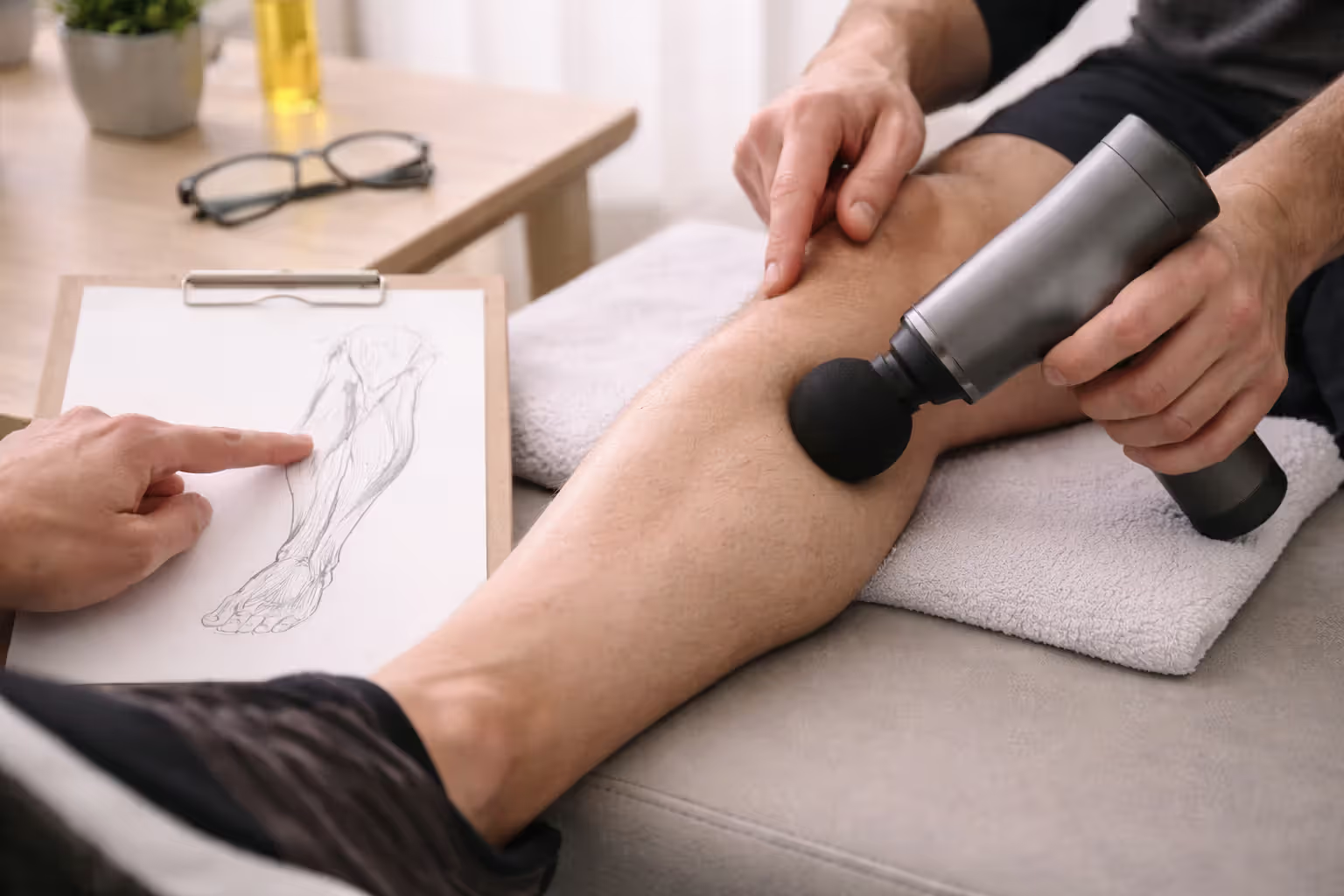
Using the wrong attachment: Most devices include multiple heads for different purposes. The round ball works for large muscle groups, the bullet tip for trigger points, the flat head for overall coverage, and the fork for areas alongside the spine. Using the bullet tip on your entire quadriceps takes forever; using the flat head on a specific trigger point lacks precision.
Ignoring pain signals: Percussion should feel intense but not painful. If you're wincing or tensing against the device, reduce intensity or move to a different area. Pain causes muscle guarding—the opposite of the relaxation you're trying to achieve.
Neglecting opposing muscle groups: Tight hip flexors often pair with weak glutes. Tense upper traps usually accompany weak lower traps. Treating only the tight side without addressing the weak side misses half the equation. While percussion can't strengthen muscles, it can help restore balanced tone that allows proper strengthening work.
What to Look for When Choosing a Recovery Massage Tool
The market offers devices ranging from $100 budget models to $600 professional units. Understanding key specifications helps match device capabilities to your needs.
Amplitude determines treatment depth. Budget devices typically offer 10-12mm, mid-range models 12-14mm, and professional units 14-16mm. More amplitude reaches deeper tissue but also increases device weight and cost. Athletes with substantial muscle mass benefit from higher amplitude; recreational users often find 12mm sufficient.
Stall force indicates how much pressure the device can handle before the motor stops. Cheap units stall at 20-30 pounds of pressure, while quality devices handle 50-60 pounds. Higher stall force doesn't mean you should press harder—it means the device maintains consistent performance across different tissue densities and user techniques.
Noise level matters if you'll use the device around others or while watching television. Budget models often produce 60-70 decibels (vacuum cleaner volume), while premium devices with brushless motors run at 40-50 decibels (normal conversation). The noise difference is substantial and affects usability.
Battery life determines whether the device will last through your needs. Most quality units provide 2-3 hours of runtime, enough for a week of typical use. Budget devices sometimes offer only 60-90 minutes, requiring more frequent charging.
Attachment variety expands treatment options. At minimum, get a device with a round ball (general use), flat head (large areas), and bullet or cone tip (trigger points). Specialty attachments for spine work or wedge-shaped options for IT bands add versatility but aren't essential for most users.
Warranty and support separate reliable brands from fly-by-night operations. A two-year warranty suggests the manufacturer expects their device to last. Budget brands often offer 90 days or less, indicating expected failure rates that make the initial savings questionable.
For most active individuals, a mid-range device ($200-$350) with 12-14mm amplitude, multiple attachments, and a reputable brand provides the best value. You'll use it regularly enough to justify the cost but won't pay for professional features you don't need.
Frequently Asked Questions About Massage Gun Benefits
How long does it take to feel the benefits of a massage gun?
Immediate effects like reduced muscle tension and improved range of motion occur within minutes of treatment. You'll notice easier movement and decreased tightness right away. For DOMS reduction, benefits become apparent 24-48 hours after use when soreness that would have developed either doesn't appear or feels significantly milder. Chronic tension management requires consistent use over 2-3 weeks before you'll notice baseline improvements in muscle quality. Think of it like brushing teeth—one session helps, but consistent practice changes your baseline condition.
Can I use a massage gun every day without side effects?
Daily use is safe for most people when done correctly. Limit treatment to 10-15 minutes total across all muscle groups, and avoid treating the same area for more than 2-3 minutes per session. Your body needs time between sessions to respond to the mechanical stimulus. Overuse can cause tissue irritation, temporary inflammation, or bruising. If you notice persistent soreness in treated areas or skin discoloration, reduce frequency or intensity. Athletes in heavy training phases often use devices daily, while recreational exercisers might benefit more from 3-4 times weekly.
Do massage guns work as well as professional sports massage?
Percussion devices excel at specific tasks but can't replace comprehensive manual therapy. A skilled massage therapist assesses compensation patterns, addresses multiple tissue layers simultaneously, and adjusts technique based on real-time feedback. Massage guns provide consistent mechanical stimulation that's excellent for routine maintenance and targeted relief but lack the assessment and problem-solving components of professional treatment. The best approach combines self-treatment for daily management with periodic professional sessions for comprehensive evaluation. Think of it as brushing your teeth daily but still seeing a dentist for cleanings and checkups.
Why do my muscles feel sore after using a massage gun?
Post-treatment soreness usually indicates excessive intensity, too much time in one area, or treating tissue that wasn't ready for aggressive work. The mechanical stimulation creates micro-trauma similar to exercise—beneficial in appropriate doses but damaging when excessive. If soreness lasts more than 24 hours or feels sharp rather than dull, you've overdone it. Reduce treatment time by half, decrease intensity, and ensure you're moving the device continuously rather than staying in one spot. Some mild tenderness immediately after treatment is normal, especially when first starting, but it shouldn't interfere with daily activities or last beyond the next day.
Are massage guns effective for chronic pain conditions?
Percussion therapy can help manage chronic pain by reducing muscle tension, improving circulation, and modulating pain signals, but it's not a cure for underlying conditions. People with chronic low back pain, fibromyalgia, or tension headaches often find symptom relief from regular use. However, chronic pain usually involves multiple factors—biomechanical issues, central nervous system sensitization, psychological components—that require comprehensive treatment. Use percussion as one tool within a broader pain management strategy that might include physical therapy, exercise, stress management, and medical treatment. Always consult healthcare providers before using percussion for chronic pain conditions to ensure it's appropriate for your specific situation.
How long should I use a massage gun on each muscle group?
For pre-workout activation, 30-60 seconds per muscle group provides neural stimulation without causing temporary strength reduction. Post-workout recovery benefits from 1-2 minutes per major muscle group (quadriceps, hamstrings, glutes) and 30-60 seconds for smaller areas (calves, forearms, upper traps). When addressing chronic tension or trigger points, 2-3 minutes on the specific problem area is appropriate, but reassess if you're not seeing improvement after a few sessions. More time doesn't necessarily mean better results—tissue can only absorb so much mechanical stimulus before experiencing diminishing returns or irritation. Total treatment time across all areas rarely needs to exceed 15 minutes per session.
Making Percussion Therapy Work for Your Recovery
Massage guns deliver measurable benefits when used appropriately: reduced soreness, improved range of motion, and convenient targeted relief. They don't replace all other recovery methods, but they offer a practical middle ground between doing nothing and scheduling frequent professional massage sessions.
The key to results lies in consistent, appropriate use rather than aggressive or sporadic treatment. Spending two minutes on problem areas after each workout produces better outcomes than occasional 20-minute sessions. Understanding the specific mechanisms—increased blood flow, fascial response, neural modulation—helps you apply the tool more strategically rather than randomly.
Start with modest expectations and consistent habits. Use moderate intensity for 1-2 minutes per muscle group after workouts. Pay attention to how your body responds over the first few weeks. Adjust timing, intensity, and targeted areas based on results rather than assumptions. Most people find their optimal routine within a month of regular experimentation.
The devices work best as part of a complete recovery strategy that includes adequate sleep, proper nutrition, appropriate training volume, and periodic professional assessment. No tool—regardless of cost or marketing claims—replaces these fundamentals. But for active individuals looking to manage muscle tension, speed recovery, and maintain training consistency, percussion therapy offers a scientifically supported option that fits into real-world schedules and budgets.
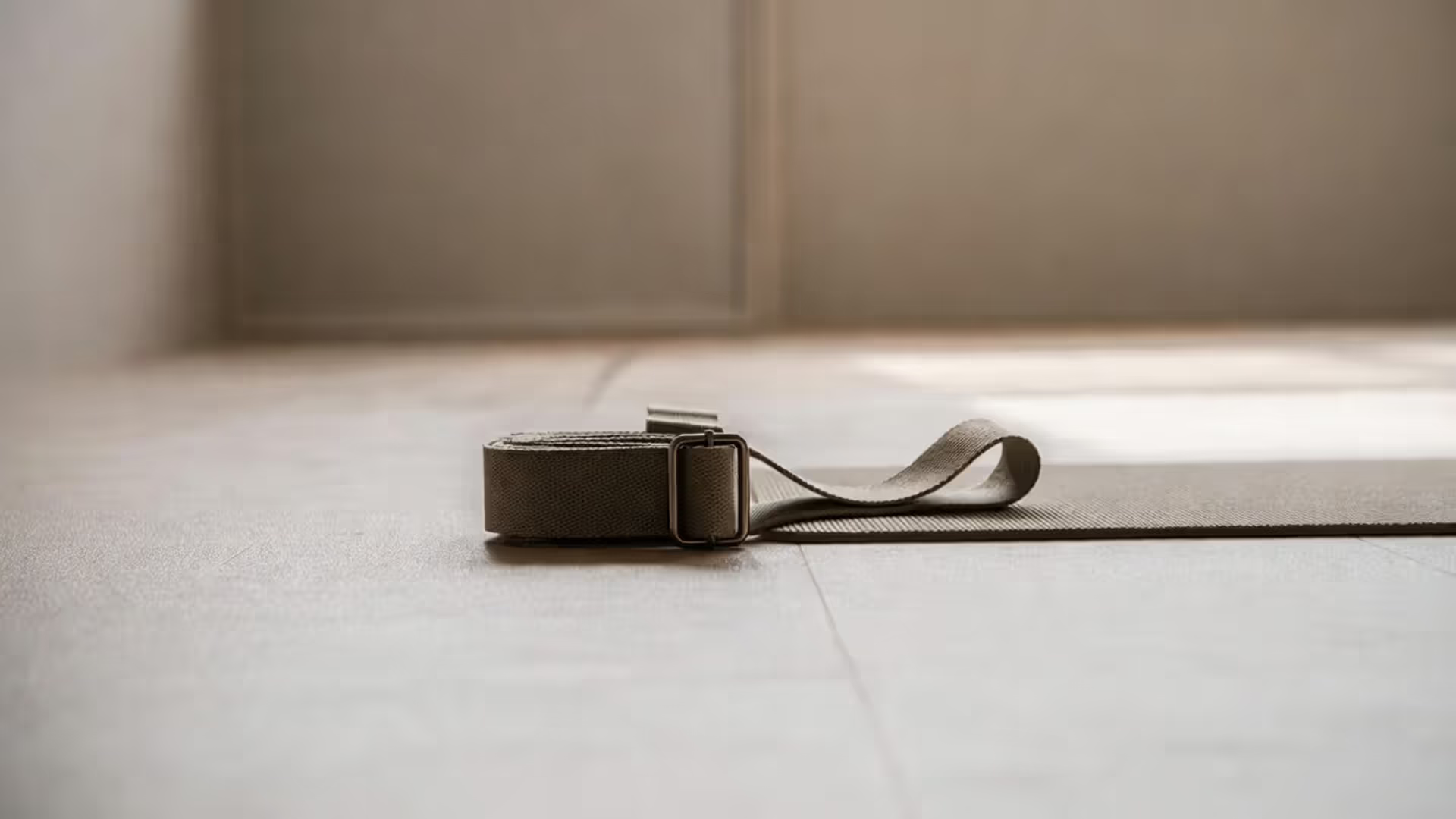
A yoga strap isn’t a “beginner crutch.” It’s a precision prop for safer stretching, better alignment, and smarter pose access. Learn strap techniques for hamstrings, hips, shoulders, quads, and calves—plus advanced modifications (Dancer, King Pigeon, inversions), rehab uses, and common mistakes to avoid.
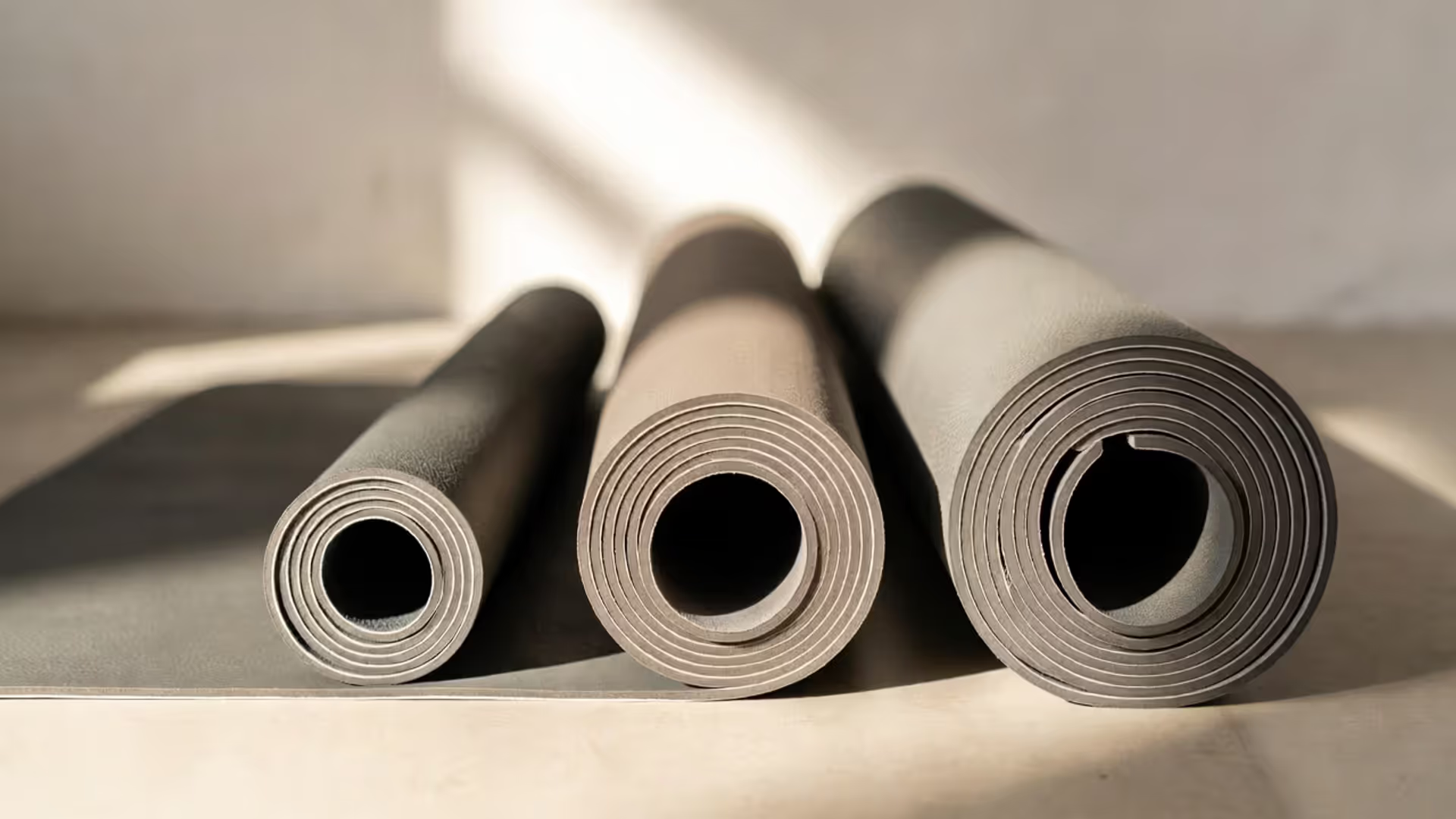
Confused about 3mm vs 6mm yoga mats? This guide explains how thickness affects joint protection, balance and proprioception, portability, and grip. Learn which thickness fits vinyasa, yin, hot yoga, and beginners, how materials change “feel,” and the most common buying mistakes to avoid.
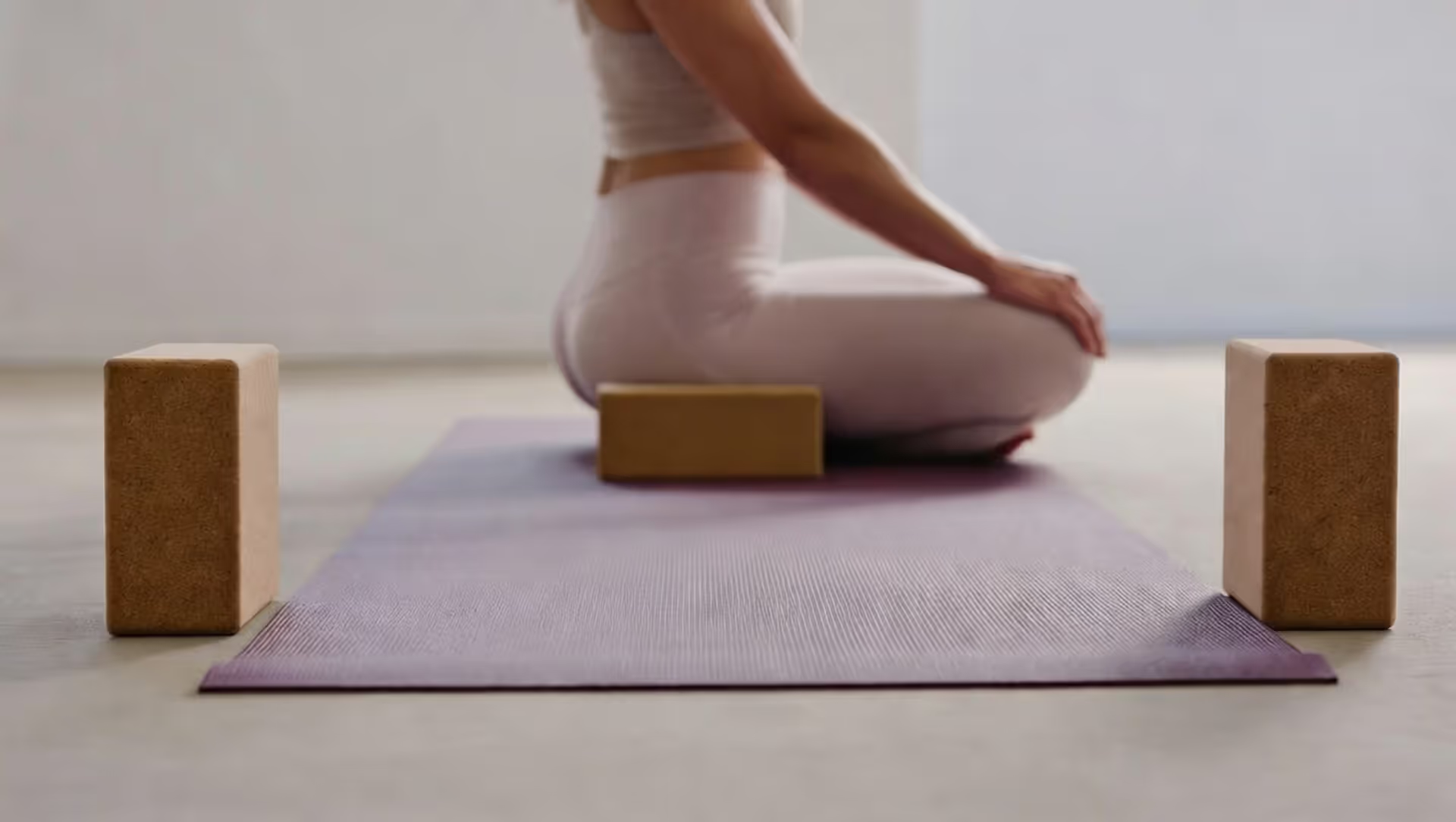
Yoga blocks aren’t “cheating”—they’re alignment tools that help you progress safely. Discover evidence-based benefits, correct block placement for standing, seated, and restorative poses, the biggest mistakes to avoid, and how to choose the right block material, size, and density for your practice.
Confused about workout shoes vs running shoes? Learn the real design differences—cushioning, heel drop, flexibility, and lateral stability—plus when each fails, how to match shoes to CrossFit, lifting, or cardio, and when to replace them to reduce injury risk.
The content on this website is provided for general informational and educational purposes related to health, yoga, fitness, and overall wellness. It is not intended to replace professional medical advice, diagnosis, or treatment.
All information, workout suggestions, yoga practices, nutrition tips, and wellness guidance shared on this site are for general reference only. Individual health conditions, fitness levels, and medical needs vary, and results may differ from person to person. Always consult a qualified healthcare provider before starting any new exercise program, dietary plan, or wellness routine.
We are not responsible for any errors or omissions, or for any outcomes resulting from the use of information presented on this website. Your health and fitness decisions should always be made in consultation with appropriate medical and fitness professionals.