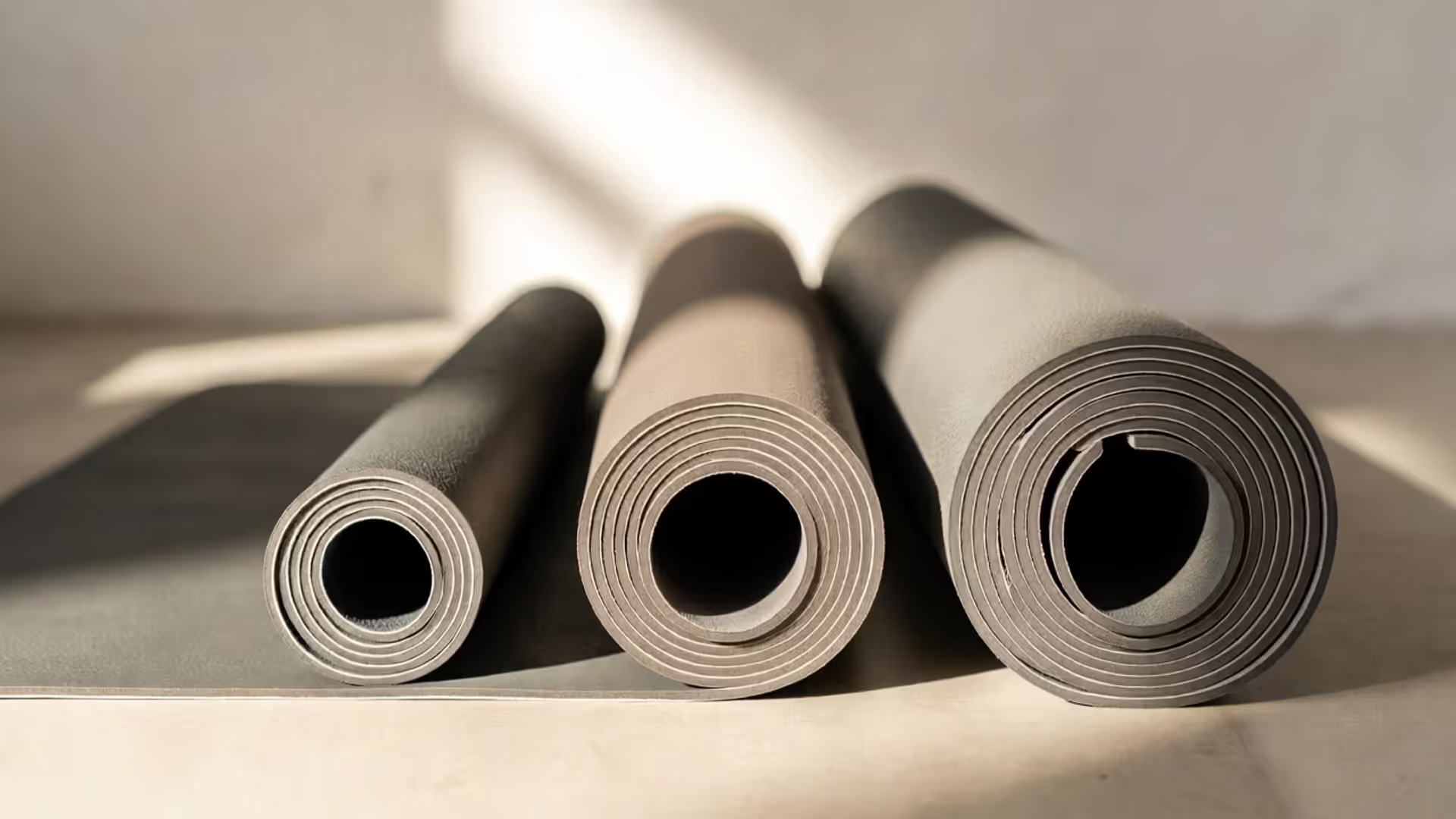
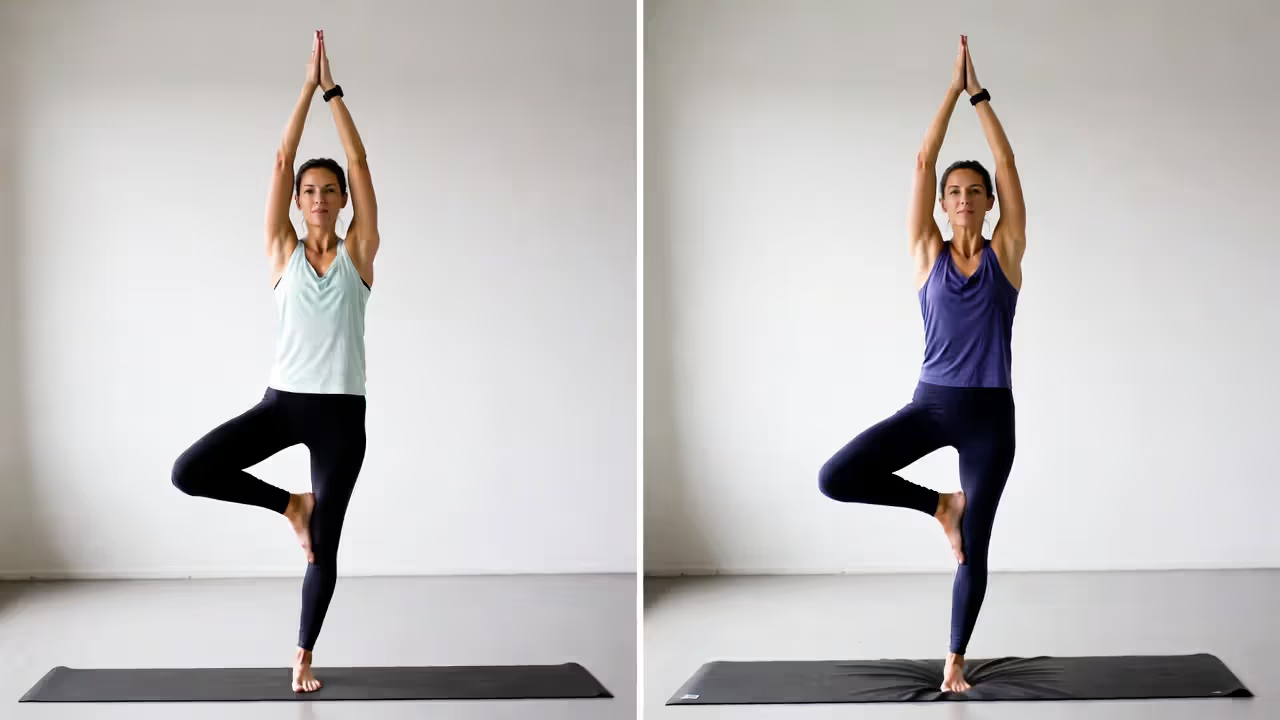
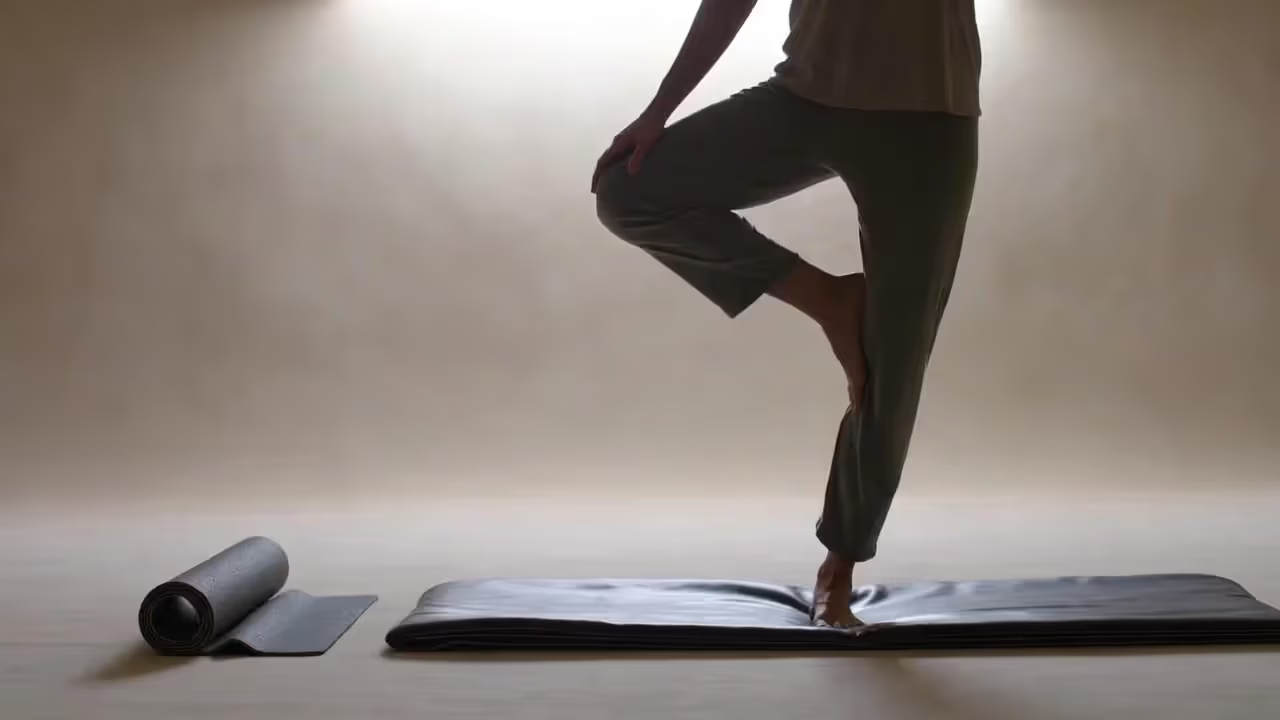
The difference between a 3mm and 6mm yoga mat isn't just two millimeters—it's the difference between wobbling through warrior three and nailing your balance, or between knee pain in cat-cow and comfortable flow.
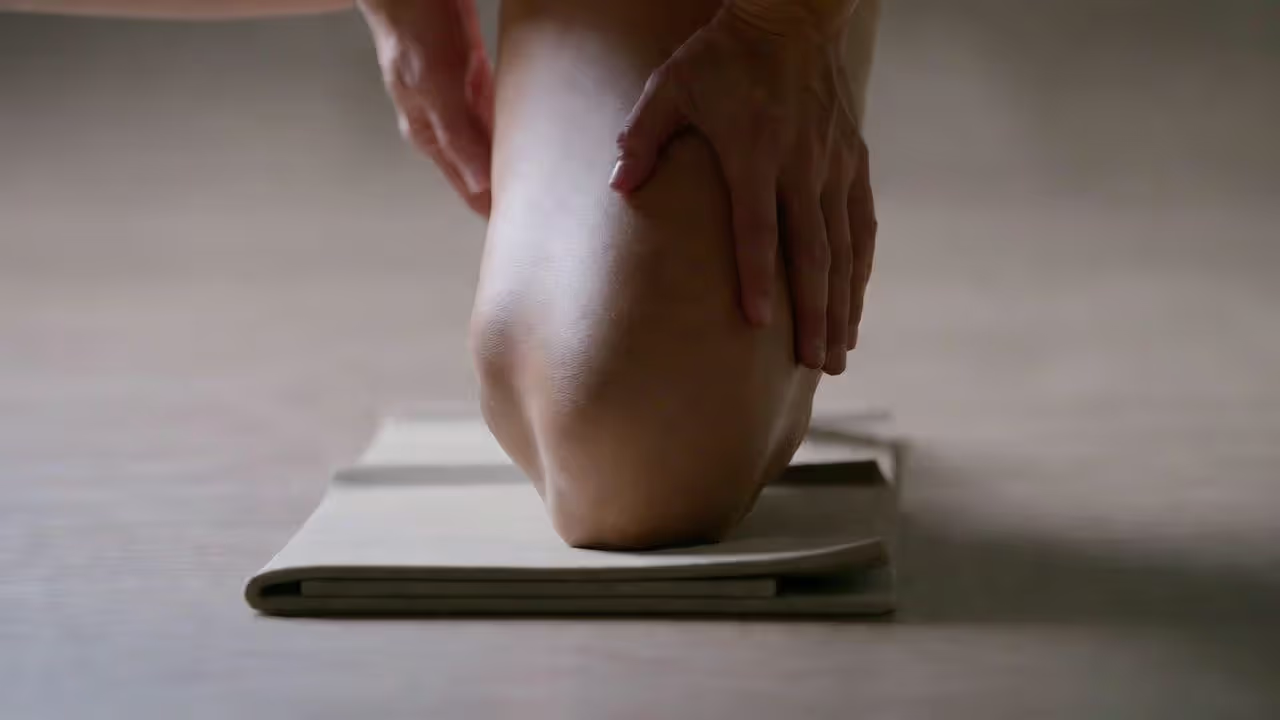
Thickness directly affects three critical aspects of your practice. First, joint protection: thinner mats offer minimal cushioning between your knees, elbows, or spine and the hard floor beneath. If you've ever winced during low lunge or felt your tailbone bruise in boat pose, you know exactly what inadequate padding feels like.
Second, proprioception and stability. Thicker mats create more distance between you and the ground, which can compromise balance. Your foot sinks slightly into plush cushioning, making it harder for your body to sense subtle weight shifts. Dancers and athletes who cross-train with yoga often prefer firmer, thinner surfaces because they need that direct floor feedback.
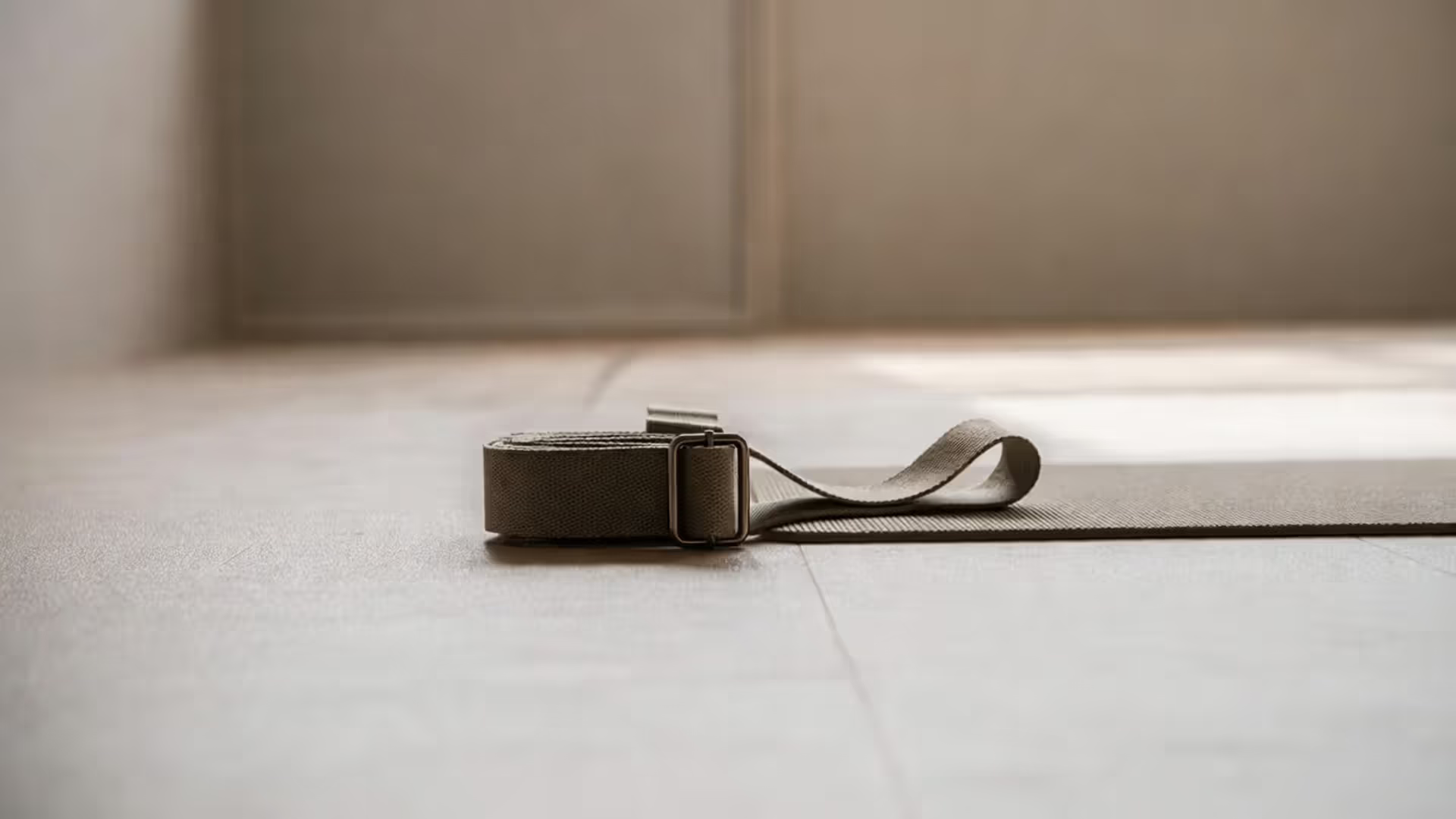
Third, portability becomes a real issue once you're hauling a mat daily. A thick, cushioned mat might weigh three to four pounds and require a dedicated carrying strap, while an ultra-thin travel mat folds into your gym bag. Studio yogis who leave their mat at home face different trade-offs than commuters who schlep gear on the subway.
The sweet spot depends entirely on your body, your practice style, and where you actually do yoga. A restorative practitioner spending twenty minutes in supported child's pose has opposite needs from someone flowing through arm balances.
Standard Yoga Mat Thickness Options: What the Numbers Actually Mean
Mat thickness gets measured in inches or millimeters, but those numbers feel abstract until you understand what they mean for your body.
Thin Mats (1/16" to 1/8" or 1.5mm to 3mm)
These barely-there mats prioritize connection with the floor. You'll feel the ground beneath you in every pose, which sharpens balance but offers almost zero cushioning. Fold one of these mats in half under your knees during low lunge, or accept that bony parts of your body will meet hard floor.
Travel yogis love thin mats because they weigh under two pounds and fold or roll tiny. Hot yoga practitioners also gravitate here—less material means less slipping when sweat accumulates, and you're closer to the ground for stability in slippery conditions.
Author: Caleb Foster;
Source: thelifelongadventures.com
Standard Mats (1/8" to 1/4" or 3mm to 6mm)
This range covers most mats you'll find in studios and stores. A 4mm mat sits right in the middle, offering moderate cushioning without compromising too much stability. Your knees get some protection, but you can still feel grounded in tree pose.
Most beginners start here because these mats work reasonably well for varied practices. You can flow through vinyasa, hold yin poses, and attempt crow pose on the same mat without major compromises.
Thick Mats (1/4" to 1/2"+ or 6mm to 15mm)
Extra-thick mats transform your floor into a cushioned surface. Sensitive joints rejoice—kneeling poses become comfortable, and you can spend extended time on your back without numbness. Physical therapists often recommend thick mats for people with knee issues, arthritis, or anyone recovering from injury.
The trade-off? Balance poses get noticeably harder. Your foot sinks into the cushioning, creating instability. Some thick mats also lack the density to prevent this sinking, making them feel mushy rather than supportive. Additionally, these mats are heavy (often 5-7 pounds) and bulky to transport.
Thickness Range
Best For
Pros
Cons
Portability Rating
1/16" - 1/8" (1.5-3mm)
Hot yoga, travel, experienced practitioners, balance-focused practices
Superior stability, lightweight (1-2 lbs), easy to pack, direct floor connection
Minimal joint cushioning, uncomfortable for extended floor work, requires folding for knee protection
5/5
1/8" - 3/16" (3-5mm)
Vinyasa flow, general studio practice, intermediate students
Good balance of cushioning and stability, versatile across styles, widely available
May lack cushioning for sensitive joints, might feel too thin for restorative work
4/5
3/16" - 1/4" (5-6mm)
Beginners, mixed practices, home use, moderate joint sensitivity
Comfortable for most poses, adequate joint protection, stable enough for balance
Heavier than thin mats (3-4 lbs), slightly reduced ground feel
3/5
1/4" - 3/8" (6-10mm)
Restorative yoga, yin, prenatal, joint issues, therapeutic practice
Excellent cushioning, comfortable for extended holds, reduces pressure points
Challenging for balance poses, heavier (4-6 lbs), reduced proprioception
2/5
1/2"+ (12-15mm)
Physical therapy, severe joint pain, fitness exercises, pilates crossover
Maximum cushioning, very comfortable for floor work, multi-purpose
Poor for traditional yoga balance poses, very heavy (5-7 lbs), bulky storage
1/5
Matching Mat Thickness to Your Yoga Style and Experience Level
A power vinyasa practitioner and a yin yoga devotee need fundamentally different mats, even if they're the same height and weight.
Beginners face a particular challenge because they don't yet know what type of yoga will resonate. Starting with a 4-5mm mat makes sense—it's forgiving enough for learning without creating bad habits. As you develop your practice, you'll quickly discover if you need more cushioning for floor poses or less padding for balance work.
Hot yoga and Bikram practitioners should lean thin. When you're dripping sweat, a thick mat becomes slippery and unstable. The 2-3mm range keeps you closer to the ground where you're less likely to slide. Many hot yoga devotees use towel-mat combinations, where the thin mat provides grip and the towel absorbs moisture.
Restorative, yin, and gentle yoga styles benefit from 6-8mm thickness. You're holding poses for three to five minutes, often with knees, hips, or spine on the mat. Adequate cushioning prevents numbness and allows you to relax into poses rather than tensing against discomfort. Some practitioners even double up mats for these slower practices.
Power yoga, vinyasa, and Ashtanga work well with 3-5mm mats. You need enough padding for the occasional knee-down transition, but you're also jumping back to plank, balancing in warrior three, and attempting arm balances. Too much cushioning destabilizes these movements.
Prenatal yoga typically requires thicker mats (6mm+) because you're spending more time on hands and knees, and joint sensitivity often increases during pregnancy. The extra cushioning supports comfortable cat-cow stretches and tabletop variations that become staples of prenatal practice.
Travel scenarios demand thin mats, period. Even if you prefer thick cushioning at home, carrying a 6mm mat through airports isn't practical. Many regular practitioners own two mats: a thicker one for home and a foldable thin one for travel.
Author: Caleb Foster;
Source: thelifelongadventures.com
How Material Affects Thickness Performance
A 6mm PVC mat and a 6mm natural rubber mat feel completely different under your hands and feet, even though they measure the same thickness. Material density, texture, and composition change how thickness translates to actual performance.
PVC (polyvinyl chloride) mats dominate the market because they're inexpensive and durable. These synthetic mats offer consistent cushioning and good grip when dry. A 5mm PVC mat provides predictable, firm support—it won't compress much over time. However, PVC isn't biodegradable, and manufacturing processes raise environmental concerns for eco-conscious practitioners.
TPE (thermoplastic elastomer) mats represent a middle ground. They're more eco-friendly than PVC while maintaining good durability. TPE tends to be slightly softer than PVC at the same thickness, so a 5mm TPE mat might feel more cushioned than a 5mm PVC mat. The material is recyclable and typically doesn't contain the same concerning chemicals as PVC.
Natural rubber mats offer excellent grip and cushioning density. Rubber compresses less than synthetic foams, meaning a 4mm rubber mat can feel as supportive as a 6mm synthetic mat. The material provides superior traction, especially when you're sweating. The downside? Rubber mats are heavy—a 5mm rubber mat often weighs as much as a 7mm synthetic mat. They also have a distinct smell when new and aren't suitable for latex allergies.
Cork yoga mats, typically cork over rubber or TPE backing, perform differently than solid synthetic mats. Cork provides natural antimicrobial properties and improves grip when moist (the opposite of most materials). A cork mat at 4-5mm thickness offers firm support with minimal compression. These eco-friendly options appeal to environmentally conscious yogis, though they require different care than synthetic mats.
Jute and cotton mats prioritize eco-friendliness over cushioning. Even at 6-8mm thickness, these natural fiber mats feel firmer than synthetic alternatives. They work well for gentle practices where you value sustainability and texture over plush cushioning.
The material also affects how thickness holds up over time. Cheap foam mats compress permanently, so your 6mm mat becomes effectively 4mm after six months of use. Higher-density materials maintain their thickness and support through years of practice. When comparing mats, consider not just initial thickness but how the material will perform after hundreds of downward dogs.
Author: Caleb Foster;
Source: thelifelongadventures.com
Thickness vs. Cushioning: Why They're Not the Same Thing
The biggest misconception about yoga mat selection is equating thickness with cushioning. A thick mat made from low-density foam can feel less supportive than a thinner mat made from high-density material.
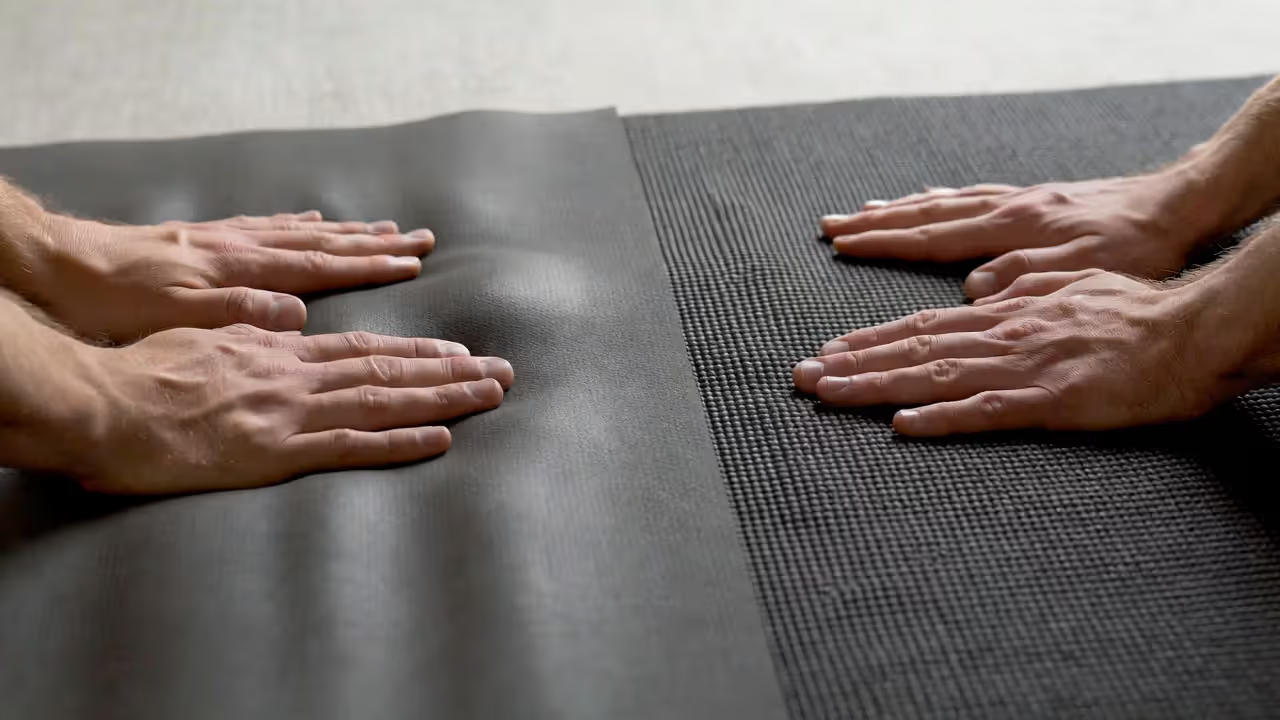
Cushioning depends on material density and compression resistance. When you press your knee into a mat, does it compress until you feel the floor beneath, or does the material resist compression and distribute pressure? A dense 4mm mat might protect your joints better than a mushy 8mm mat.
This distinction matters enormously for non-slip performance. When you're in downward dog, your hands and feet sink slightly into the mat surface. With low-density thick mats, you sink deeper, which can feel unstable and create a "stuck" sensation when you try to transition. High-density mats, even thicker ones, resist this sinking and maintain better grip.
Memory foam yoga mats illustrate this principle. These mats compress under pressure but spring back to shape, contouring to your body. A 6mm memory foam mat feels dramatically different from a 6mm standard foam mat—softer initially, but potentially less stable for balance work.
Eco-friendly materials often perform differently than conventional options at the same thickness. Natural rubber provides firm, responsive cushioning, while cork offers almost no compression. If you're switching from a synthetic mat to an eco-friendly alternative, you might need to adjust thickness up or down to achieve similar cushioning.
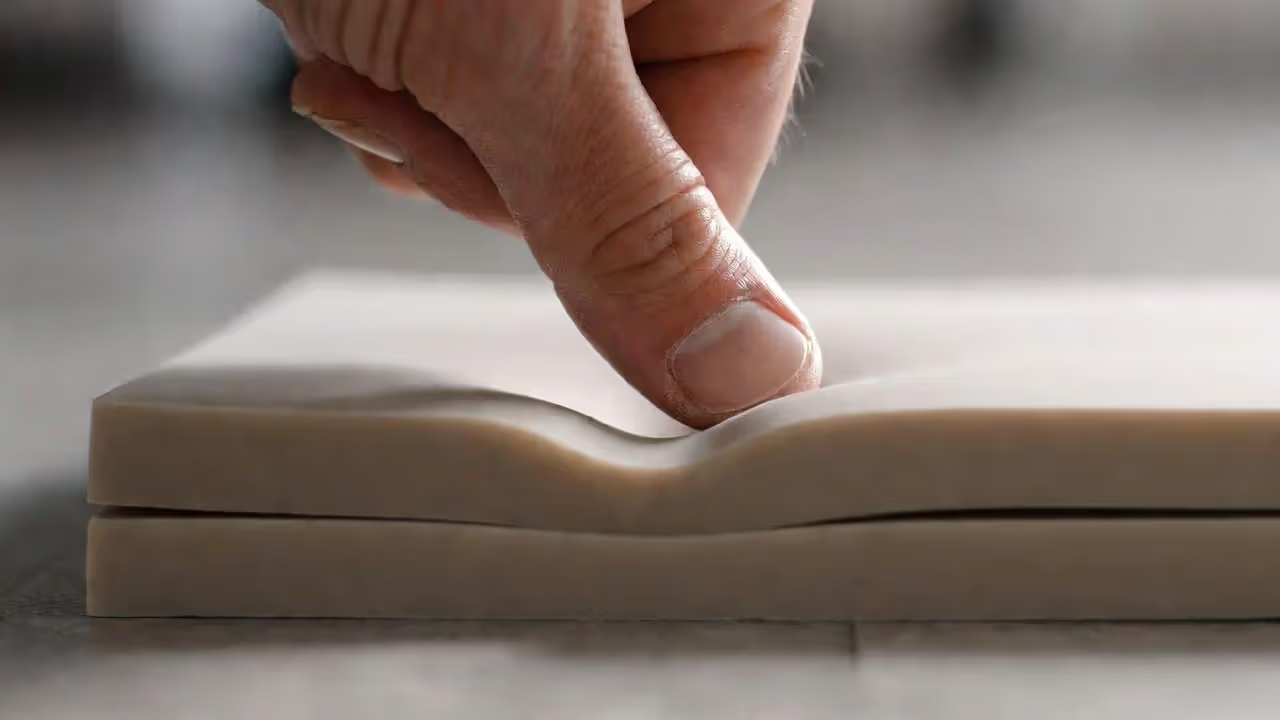
Testing compression helps you understand what you're actually getting. Press your thumb firmly into a mat—how far does it sink? Does it bounce back immediately? A quality thick mat should compress slightly under pressure but provide resistance, not bottom out to the floor.
The grip texture also interacts with thickness and material. A textured surface on a thin mat can provide better traction than a smooth surface on a thick mat. Some practitioners prefer slightly thicker mats with aggressive texture for hot yoga, while others want thin, sticky mats. The combination of thickness, material density, and surface texture determines real-world performance.
Author: Caleb Foster;
Source: thelifelongadventures.com
Common Mistakes When Choosing Mat Thickness
The most frequent error is choosing thickness based solely on comfort during the first five minutes in a store. You stand on a plush 8mm mat and think "this feels amazing!" Then you attempt tree pose and realize you're wobbling on a cushion.
Ignoring your actual practice style leads to mismatched mats. Beginners often buy thick mats assuming more cushioning is always better, then struggle with balance as they progress. Conversely, experienced practitioners sometimes choose ultra-thin mats for the "authentic" yoga experience, then deal with knee pain that could be easily prevented.
If you can’t do it with ease, you’re probably doing too much
— Jason Crandell
Overlooking portability needs creates real frustration. You buy the perfect 7mm mat for cushioning, then realize you're not using it because it's too heavy to carry to your studio three times per week. That thick mat stays home while you rent studio mats, defeating the purpose of your investment.
Assuming all thick mats perform identically is another trap. A cheap 6mm foam mat from a discount store won't provide the same support as a premium 6mm natural rubber mat. The thickness number alone doesn't tell you about density, durability, or grip.
Forgetting about storage space matters if you live in a small apartment. Thick mats take up more room and don't roll as tightly. Some extra-thick mats need to be stored flat or develop permanent curls if rolled too tightly.
Buying based on someone else's recommendation without considering body differences causes problems. Your yoga teacher might thrive on a 3mm mat, but she's been practicing for fifteen years and has different joint sensitivity than you do. What works for a 25-year-old athlete might not work for a 55-year-old beginner.
Not considering mat lifespan leads to disappointment. Thicker mats made from low-quality materials compress and lose cushioning faster than thinner mats made from dense materials. A budget 8mm mat might feel great initially but become a 5mm mat within a year.
Author: Caleb Foster;
Source: thelifelongadventures.com
Frequently Asked Questions About Yoga Mat Thickness
What thickness yoga mat is best for beginners?
Most beginners should start with a 4-6mm mat. This range provides enough cushioning to make floor poses comfortable while you're building strength and flexibility, but not so much padding that balance poses become frustrating. As you develop your practice and discover which yoga styles resonate with you, you can adjust thickness accordingly. If you have existing joint issues, lean toward 6mm; if you have a dance or gymnastics background with good body awareness, 4mm works well.
Do thicker yoga mats slip more during practice?
Thicker mats can feel less stable, but actual slipping depends more on material and surface texture than thickness alone. Low-density thick mats create a "sinking" sensation that feels like slipping, even when the mat itself isn't moving. High-quality thick mats made from natural rubber or dense TPE maintain good grip. The real issue is balance stability—your foot sinks slightly into thick cushioning, which your body interprets as instability. For hot yoga where moisture is a factor, thinner mats generally perform better regardless of material.
Can I use a thick yoga mat for balance poses like tree pose?
You can, but it's more challenging. Thick mats reduce proprioception—your body's ability to sense position and movement. Standing on a cushioned surface is inherently less stable than standing on a firm surface. If you need a thick mat for joint protection, look for high-density options that resist compression. Some practitioners use a thick mat for floor work and transitions, then step onto a folded thin mat or bare floor for extended balance sequences. Extra-thick mats (8mm+) make balance poses significantly harder for most people.
How does eco-friendly material affect the thickness I need?
Eco-friendly materials like natural rubber, cork, and jute tend to be denser than conventional synthetic foams, so you often need less thickness to achieve similar cushioning. A 4mm natural rubber mat typically provides comparable joint protection to a 5-6mm PVC mat. Cork mats offer firm support with minimal compression, so they feel thinner than their actual measurement. If you're switching from synthetic to eco-friendly, you might choose a slightly thicker eco mat to match the cushioning you're used to, but test before assuming you need the same thickness.
What's the best yoga mat thickness for traveling?
Travel mats should be 1.5-3mm thick—thin enough to fold or roll extremely small and light enough to pack easily. Yes, you sacrifice cushioning, but portability is the priority. Many frequent travelers accept that their travel mat won't be as comfortable as their home mat. Look for foldable designs that fit in a suitcase or backpack. Some travel mats fold to the size of a large book. If you're traveling to do gentle or restorative yoga, bring a small towel to fold under your knees for extra padding rather than carrying a thick mat.
Making Your Choice: Balancing Comfort, Performance, and Practicality
Choosing yoga mat thickness isn't about finding the "best" option—it's about matching the mat to your body, your practice, and your lifestyle. A 3mm mat isn't inferior to a 6mm mat; they serve different needs.
Start by honestly assessing your practice style and frequency. If you practice daily at home, invest in the thickness that makes your practice most comfortable, even if it's heavy or bulky. If you're commuting to studios or traveling frequently, prioritize portability even if it means less cushioning.
Consider your body's specific needs. Joint sensitivity, previous injuries, and age all affect how much cushioning you need. A 25-year-old with no joint issues can probably thrive on a thinner mat, while someone with arthritis or recovering from knee surgery needs more protection.
Think about progression. Your needs will likely change as your practice deepens. Many serious practitioners eventually own multiple mats: a thick one for restorative practices, a medium one for general use, and a thin one for travel. This isn't excessive—it's acknowledging that different contexts require different tools.
Test before buying when possible. Stand on the mat, try a few poses, press your knee down. Does it feel stable? Comfortable? Can you sense the floor beneath you, or does it feel like standing on a mattress? Many yoga studios sell the same mats they use in classes, so you can try before committing.
Remember that mat thickness is just one factor in a good mat. Grip, durability, material safety, and texture all contribute to whether a mat works for you. A perfectly thick mat that slides during downward dog isn't useful. Focus on the complete package, not just the millimeters.
Your yoga practice is personal, and your mat should be too. The right thickness supports your practice without drawing attention to itself—you shouldn't be thinking about your mat during yoga. When you find that sweet spot where your joints feel protected, your balance feels stable, and you can focus entirely on breath and movement, you've found your thickness.
A yoga strap isn’t a “beginner crutch.” It’s a precision prop for safer stretching, better alignment, and smarter pose access. Learn strap techniques for hamstrings, hips, shoulders, quads, and calves—plus advanced modifications (Dancer, King Pigeon, inversions), rehab uses, and common mistakes to avoid.
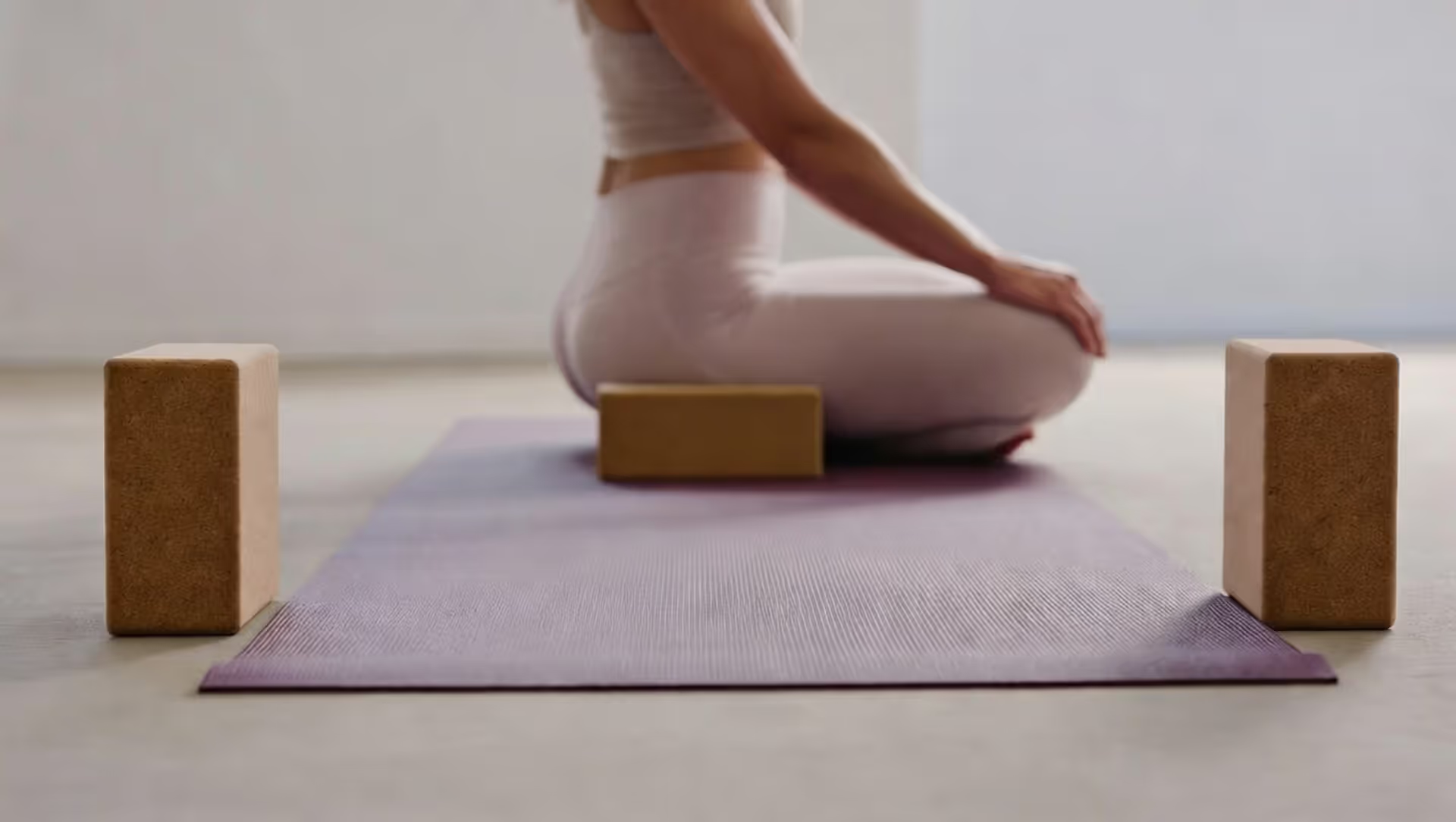
Yoga blocks aren’t “cheating”—they’re alignment tools that help you progress safely. Discover evidence-based benefits, correct block placement for standing, seated, and restorative poses, the biggest mistakes to avoid, and how to choose the right block material, size, and density for your practice.
Confused about workout shoes vs running shoes? Learn the real design differences—cushioning, heel drop, flexibility, and lateral stability—plus when each fails, how to match shoes to CrossFit, lifting, or cardio, and when to replace them to reduce injury risk.
Weighted vests add “transparent” load to walking, running, and bodyweight training for stronger muscles, better cardio, and improved bone density. This guide explains the science, proven benefits, safe weight ranges, beginner-to-advanced workouts, common mistakes, and what to look for in a quality adjustable vest.
The content on this website is provided for general informational and educational purposes related to health, yoga, fitness, and overall wellness. It is not intended to replace professional medical advice, diagnosis, or treatment.
All information, workout suggestions, yoga practices, nutrition tips, and wellness guidance shared on this site are for general reference only. Individual health conditions, fitness levels, and medical needs vary, and results may differ from person to person. Always consult a qualified healthcare provider before starting any new exercise program, dietary plan, or wellness routine.
We are not responsible for any errors or omissions, or for any outcomes resulting from the use of information presented on this website. Your health and fitness decisions should always be made in consultation with appropriate medical and fitness professionals.