Yoga has evolved dramatically over the past few decades, embracing a variety of new forms and techniques that take the practice beyond the traditional mat. Among the latest trends in the world of yoga are Aerial Yoga and Acro Yoga, two unique styles that add an element of suspension and acrobatics to the practice. These gravity-defying practices are redefining the yoga experience by merging traditional poses with strength training, flexibility work, and the thrill of lifting off the ground. The growing popularity of these practices highlights not just their physical benefits but also the sheer joy and playfulness they bring to practitioners.
In this comprehensive guide, we’ll explore the fascinating world of Aerial Yoga and Acro Yoga, diving into their origins, differences, benefits, and how to safely incorporate them into your fitness routine. By understanding these modern forms of yoga, you’ll be equipped to decide which style suits your goals and preferences, whether you're looking to deepen your yoga practice, build stren gth, or simply experience the exhilaration of flight.
What Is Aerial Yoga?
Defining Aerial Yoga
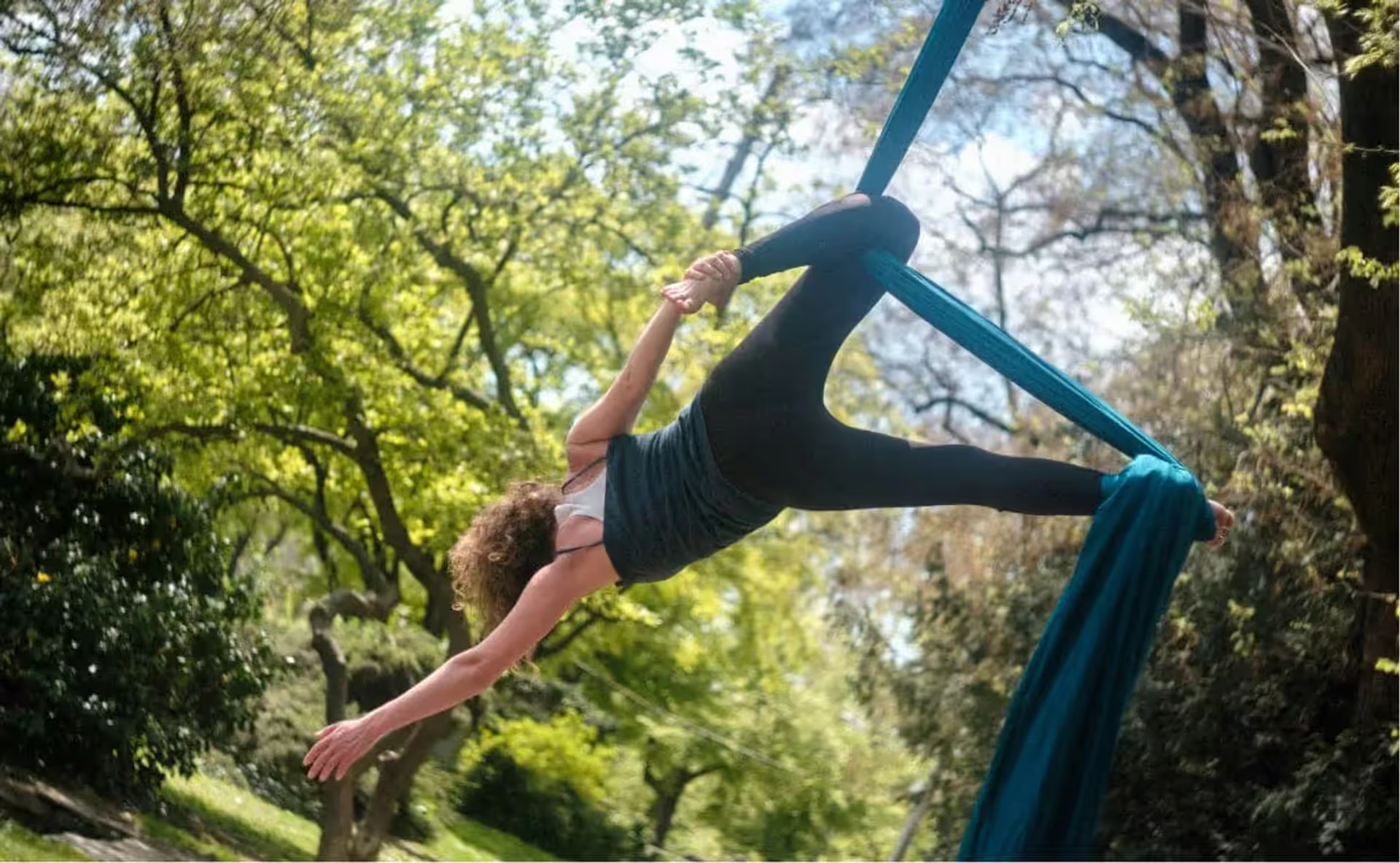
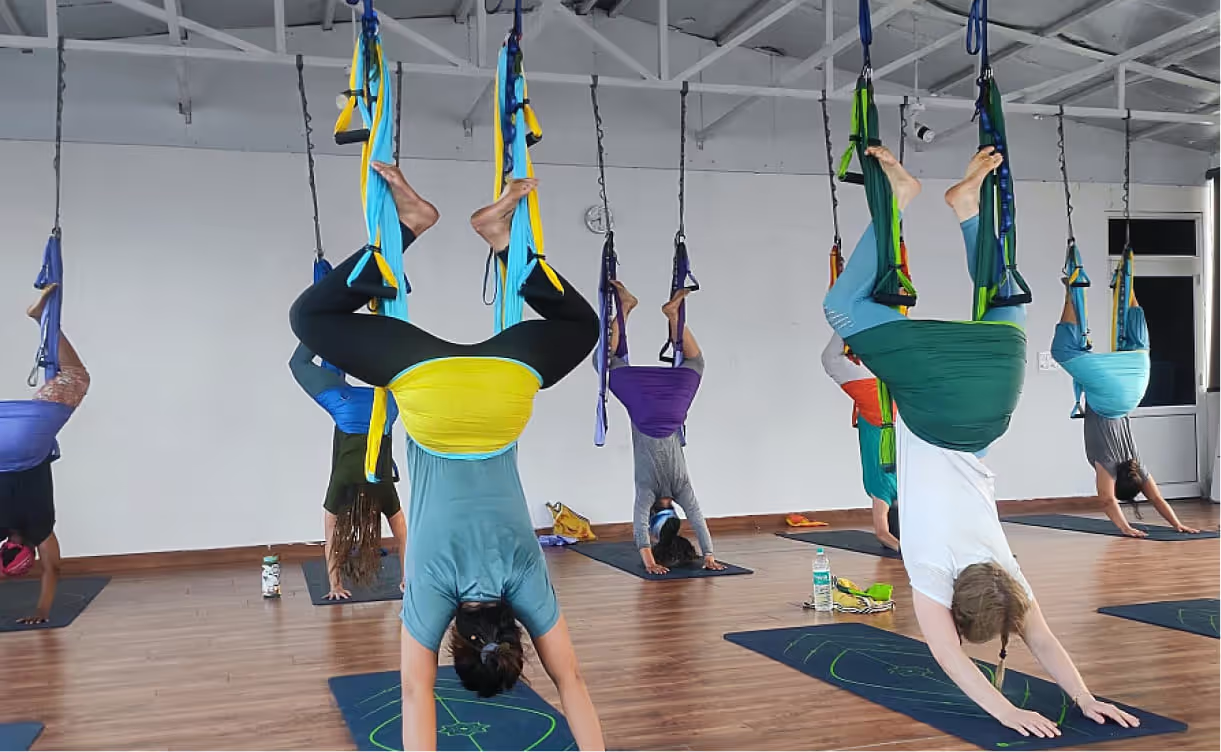
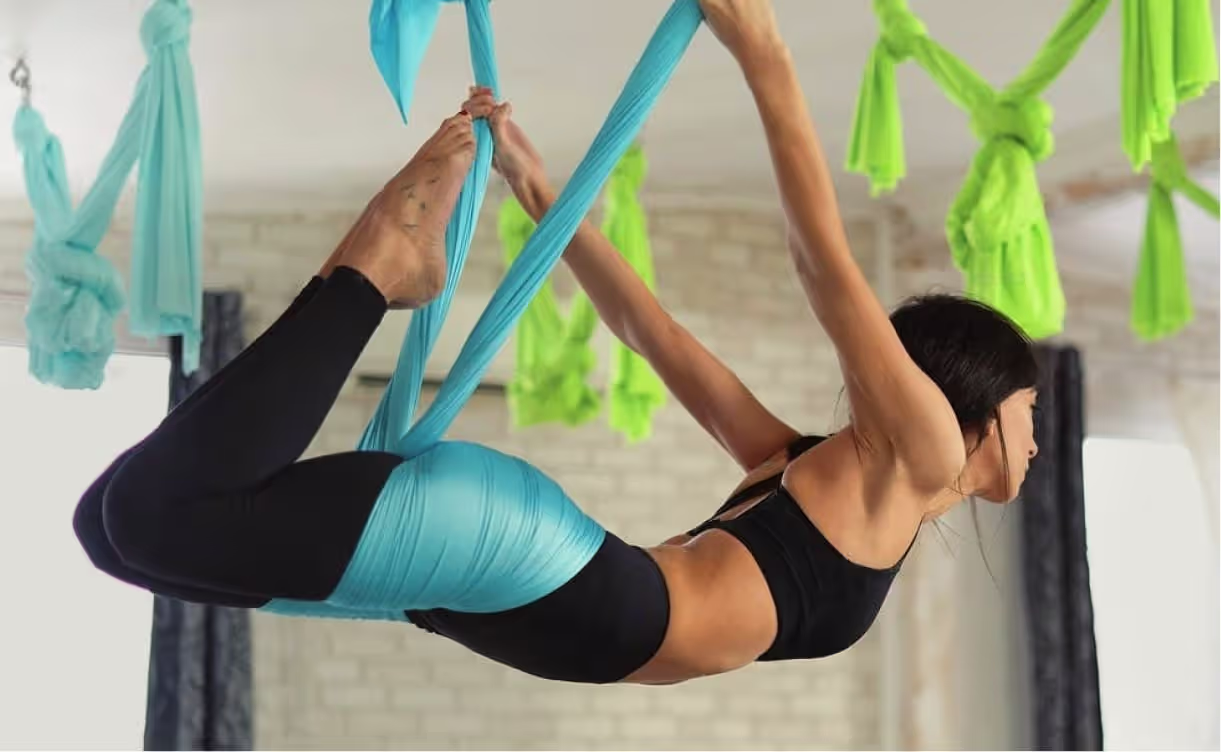
Aerial Yoga, sometimes referred to as AntiGravity Yoga, involves performing traditional yoga poses while suspended in a soft fabric hammock or swing. The hammock is securely fastened to the ceiling, allowing practitioners to perform a variety of poses that stretch, strengthen, and align the body with the support of gravity. The hammock can be used to assist in achieving deeper stretches, improve alignment, and provide support during more challenging poses.
Aerial Yoga incorporates elements from traditional yoga, Pilates, acrobatics, and dance. It combines inversion therapy with core work and balance exercises, offering a full-body workout that is both physically and mentally challenging. The fabric hammock acts as a prop to support the body, reduce joint pressure, and create a feeling of weightlessness that helps deepen the yoga experience.
Author: Jessica Taylor;
Source: thelifelongadventures.com
History and Origins
Aerial Yoga is a relatively new practice, developed in the early 2000s by Christopher Harrison, a former gymnast and aerial performer. Harrison's background in acrobatics and fitness inspired him to create a form of yoga that utilized a silk hammock to support and enhance traditional poses. His goal was to provide practitioners with a new perspective on movement, one that embraced freedom, flow, and creativity.
Since its inception, Aerial Yoga has grown in popularity and is now practiced worldwide. Its unique combination of strength, flexibility, and aerial movements has made it a popular choice for those looking to explore new dimensions of yoga and fitness. The practice has evolved to include various styles and approaches, with studios and instructors developing their own unique methods and sequences.
Key Components of Aerial Yoga
Aerial Yoga is characterized by the use of a fabric hammock, which is typically made of high-density nylon or silk and suspended from the ceiling. The hammock can be adjusted to different heights, allowing practitioners to perform a wide range of poses, from gentle stretches to challenging inversions. Some key components of Aerial Yoga include:
Inversions and Decompression: The hammock allows for safe inversions, where the body is suspended upside down. Inversions decompress the spine, improve circulation, and promote relaxation. These poses can also help reverse the effects of gravity on the body and provide a fresh perspective both physically and mentally.
Deep Stretches: The support of the hammock helps deepen stretches, enabling practitioners to improve flexibility and release tension. The fabric provides a stable yet yielding surface that allows muscles to relax more fully into each stretch.
Core Engagement: Many Aerial Yoga poses require significant core strength to maintain balance and stability, providing an excellent workout for the abdominal muscles. The unstable nature of the hammock naturally activates stabilizing muscles throughout the body.
Balance and Coordination: Working with the instability of the hammock challenges balance and coordination, enhancing proprioception and body awareness. This component helps improve overall movement quality in daily activities.
Benefits of Aerial Yoga
The unique benefits of Aerial Yoga go beyond what can be achieved in a traditional mat-based practice. Some of the most significant advantages include:
Spinal Decompression: Inversions in Aerial Yoga gently lengthen the spine, alleviating tension and reducing compression on the vertebrae. This can help alleviate back pain and improve posture. The decompression can be particularly beneficial for those who spend long hours sitting or standing.
Improved Flexibility: The hammock supports the body, allowing for deeper stretches and safer explorations of flexibility. Practitioners can gradually increase their range of motion without the risk of overextension.
Enhanced Core Strength: Balancing in the hammock requires constant engagement of the core muscles, leading to improved strength and stability. This functional strength translates to better posture and reduced risk of injury in daily life.
Reduced Impact on Joints: The support provided by the hammock reduces pressure on the joints, making Aerial Yoga a low-impact option for people with joint issues, arthritis, or those recovering from injuries.
Increased Mindfulness and Body Awareness: The challenge of balancing in the air requires focus and concentration, promoting mindfulness and an enhanced connection to the body. This meditative aspect can help reduce stress and anxiety.
Improved Circulation and Lymphatic Drainage: Inversions and suspended poses enhance blood flow and lymphatic circulation, which can boost immune function and promote detoxification.
Enhanced Mood and Mental Health: The playful, creative nature of Aerial Yoga can boost mood and reduce symptoms of depression and anxiety. The endorphin release from physical activity combined with the unique experience creates a sense of joy and accomplishment.
Who Can Practice Aerial Yoga?
While Aerial Yoga offers numerous benefits, it's not suitable for everyone. Individuals with the following conditions should consult a healthcare provider before trying Aerial Yoga:
Recent surgery or injury
Pregnancy (especially after the first trimester)
Glaucoma or other eye conditions
Heart disease or high blood pressure
Vertigo or dizziness
Bone or joint conditions
However, Aerial Yoga can be modified for various fitness levels and abilities, making it accessible to beginners as well as advanced practitioners.
Getting Started with Aerial Yoga
If you're interested in trying Aerial Yoga, here are some steps to get started:
Find a Certified Instructor: Look for studios that offer Aerial Yoga classes with certified instructors who can ensure proper safety and technique.
Start with Beginner Classes: Even if you're experienced in traditional yoga, Aerial Yoga requires learning new skills and techniques specific to working with the hammock.
Wear Appropriate Clothing: Choose fitted clothing that covers your arms and legs to prevent friction burns from the fabric. Avoid clothing with zippers or hooks that could catch on the hammock.
Stay Hydrated: As with any physical practice, proper hydration is essential for optimal performance and recovery.
Listen to Your Body: Respect your body's limits and communicate with your instructor about any discomfort or concerns.
Resources and Further Information
To learn more about Aerial Yoga and find classes near you, consider exploring these resources:
Yoga Alliance - Find certified yoga instructors and studios
AntiGravity Fitness - The original Aerial Yoga program founded by Christopher Harrison
Local yoga studios - Many yoga studios now offer Aerial Yoga classes; search for "aerial yoga near me" to find options in your area
YouTube tutorials - While not a substitute for in-person instruction, video tutorials can help you understand the basics (search for "aerial yoga for beginners")
Yoga Journal - Offers articles and guides on various yoga styles, including Aerial Yoga
Aerial Yoga represents an innovative fusion of traditional yoga wisdom with modern creativity and aerial arts. Whether you're seeking physical benefits like spinal decompression and improved strength, or mental benefits like stress relief and mindfulness, this unique practice offers a fresh perspective on movement and wellness. With proper instruction and safety precautions, Aerial Yoga can be a transformative addition to your fitness and wellness routine.
What Is Acro Yoga?
Defining Acro Yoga
Acro Yoga combines traditional yoga with acrobatics and Thai massage. It is a partner-based practice where two or more people work together to create gravity-defying poses and transitions. The practice involves one person acting as the base (the one on the ground), the other as the flyer (the one lifted into the air), and often a spotter (to ensure safety). Acro Yoga is a playful, trust-building practice that challenges balance, communication, and strength.
Unlike Aerial Yoga, which uses a hammock for support, Acro Yoga relies solely on the connection between partners. This collaborative element makes Acro Yoga a unique blend of yoga, teamwork, and acrobatic play. While it may look intimidating, Acro Yoga is accessible to practitioners of all levels, as poses can be scaled up or down depending on skill and comfort level.
The Origins of Acro Yoga
Acro Yoga began in the late 1990s and early 2000s, with several groups around the world independently developing similar practices that blended acrobatics and yoga. Jenny Sauer-Klein and Jason Nemer are credited with formalizing Acro Yoga in the United States, founding the practice in 2003 and creating a structured method for teaching it.
The philosophy behind Acro Yoga is rooted in trust, connection, and communication. It aims to build community and break down barriers between people through the playful exploration of movement and mutual support.
Key Components of Acro Yoga
Acro Yoga typically involves three main roles:
Base: The base is the person on the ground who provides support for the flyer. The base’s stability and strength are essential for creating a safe and balanced foundation.
Flyer: The flyer is the person lifted into the air. The flyer needs to maintain tension and control in their body while being supported by the base.
Spotter: The spotter is an observer who helps ensure safety, provides feedback, and can assist in transitions.
Acro Yoga Positions and Transitions
Acro Yoga includes a variety of static poses, such as Bird, Throne, and Star, as well as dynamic transitions like Washing Machine Flows, where the flyer and base move through a series of linked poses. Some of the most common poses include:
Bird Pose: The flyer balances on the base’s feet, with arms extended like wings.
Throne Pose: The flyer sits upright on the base’s feet, similar to sitting on a throne.
Star Pose: The flyer’s body is aligned vertically, supported by the base’s hands and feet.
Benefits of Acro Yoga
Acro Yoga offers numerous physical, mental, and social benefits, making it a popular choice for those looking to deepen their practice or try something new. Some of the key benefits include:
Enhanced Strength and Balance: Supporting another person’s weight requires strength, balance, and coordination, challenging the entire body.
Improved Communication and Trust: Acro Yoga is a partner-based practice that builds trust, communication, and teamwork.
Increased Body Awareness: The need to maintain balance and alignment in complex poses heightens proprioception and body awareness.
Emotional and Mental Benefits: The playful nature of Acro Yoga promotes joy, reduces stress, and encourages a sense of community.
Aerial Yoga vs. Acro Yoga: What’s the Difference?
While Aerial Yoga and Acro Yoga share the element of gravity-defying movement, they are fundamentally different practices. Here’s a breakdown of the key differences:
Aerial Yoga
Although Aerial Yoga and Acro Yoga share an element of gravity-defying movement, the two practices are fundamentally different in both approach and intention. At first glance, both may seem like playful variations of traditional yoga, but each discipline has its own philosophy, benefits, and requirements. Understanding these distinctions can help you decide which style best aligns with your goals, whether you’re seeking relaxation, flexibility, strength, or partnership.
Aerial Yoga is practiced with the aid of a fabric hammock that hangs securely from the ceiling. This hammock supports the body during various postures, making it possible to explore inversions and deep stretches without placing excess pressure on the joints. Because of the support, aerial yoga is accessible to people of all levels—including beginners—since the hammock can be adjusted for modifications. Physically, the practice helps improve flexibility, builds core strength, and decompresses the spine, providing a gentle release that many find therapeutic. On an emotional level, aerial yoga fosters relaxation and stress relief, as the feeling of suspension often brings a sense of lightness and calm. Most sessions take place in a studio environment, where ceiling support is available, making it a structured and supportive practice.
Acro Yoga, by contrast, does not rely on equipment but instead on human connection. This is a partner-based practice where one person serves as the base, another as the flyer, and often a third person acts as a spotter to ensure safety. Unlike aerial yoga, acro yoga emphasizes strength, balance, trust, and communication between partners. It requires teamwork: the base provides stability, the flyer builds body control in midair, and both partners must remain mindful of each other’s alignment. While it can be practiced indoors or outdoors, it is generally more challenging for beginners, not only physically but also mentally, since it asks participants to step outside their comfort zones and rely on another person. The rewards, however, are significant: enhanced strength, improved coordination, and the cultivation of deep trust and communication skills.
Incorporating Aerial and Acro Yoga into Your Routine
Author: Jessica Taylor;
Source: thelifelongadventures.com
Both aerial and acro yoga can add variety and depth to your fitness routine, but how you integrate them depends on your goals and experience level. If you’re just starting out, it’s wise to begin with the basics. Foundational classes teach not only the physical poses but also the essential safety techniques. In aerial yoga, this means learning how to safely enter and exit the hammock, while in acro yoga, it involves developing trust, practicing simple balances, and learning how to communicate effectively with a partner.
You don’t have to completely replace your regular yoga or fitness practice to experience the benefits. Instead, these styles can be integrated alongside your existing routine. For example, aerial yoga is an excellent choice for recovery days, as the hammock supports the body in restorative stretches that relieve tension. Acro yoga, on the other hand, can serve as an engaging alternative for active rest days, offering both fun and physical challenge while breaking the monotony of traditional workouts.
No matter which style you choose, maintaining a focus on form and alignment is crucial. Proper technique ensures safety and maximizes effectiveness, especially since these practices involve either suspension or partner lifting. Props such as blocks or straps can also help you transition more comfortably into poses, particularly in aerial yoga.
For those practicing acro yoga, working with a partner of similar skill level makes the learning process smoother. It’s important to remain open to switching roles between base and flyer, as this builds a more well-rounded practice and enhances empathy between partners. Always use a dedicated spotter when attempting new movements—this provides an extra layer of safety and confidence as you explore more advanced sequences.
Aerial yoga also offers a unique opportunity for deep stretching. With the support of the hammock, practitioners can safely move into postures like backbends or inversions that might otherwise feel too intense on the mat. This makes it particularly beneficial for increasing flexibility and spinal mobility while minimizing strain.
Finally, both practices share an underlying emphasis on mindfulness and breathwork. In aerial yoga, the breath helps release tension as you sink deeper into supported postures. In acro yoga, controlled breathing fosters focus and balance, helping partners remain steady and connected. In both cases, breath awareness transforms the physical practice into a more mindful experience, grounding you in the present moment even while you are suspended above the ground or balancing on another person.
While aerial yoga provides a solo, hammock-supported practice centered on flexibility, decompression, and relaxation, acro yoga delivers a partner-based experience that highlights strength, trust, and communication. Both offer unique benefits and can complement a traditional yoga routine in different ways. Choosing between them—or combining both—depends on whether you’re seeking personal grounding and stress relief, or a dynamic, trust-building journey with others.
Safety Tips for Aerial and Acro Yoga
While both Aerial and Acro Yoga are safe when practiced correctly, they do come with a few risks, especially for beginners. Follow these safety tips to ensure a positive experience:
1. Work with a Certified Instructor
Always start your Aerial or Acro Yoga journey with a certified instructor who can guide you through the fundamentals and ensure you're using proper form and technique. Look for teachers certified through reputable organizations such as:
Yoga Alliance - The largest nonprofit association representing the yoga community
Both practices require strength and flexibility. Warm up your muscles thoroughly before starting to reduce the risk of injury. A proper warm-up should include:
5-10 minutes of cardiovascular activity (light jogging, jumping jacks, or dynamic stretching)
Joint mobilization for wrists, shoulders, hips, and ankles
Core activation exercises like planks or cat-cow stretches
Specific warm-ups for the muscle groups you'll be using (shoulders for aerial work, legs and core for acro bases)
Never push yourself into a pose that feels uncomfortable or painful. With Acro Yoga, communicate openly with your partner if you feel unstable or unsure. Warning signs to watch for include:
Sharp or shooting pain
Dizziness or nausea (especially common when inverting in aerial yoga)
Joint instability or popping sensations
Muscle trembling or fatigue
Difficulty breathing
Remember that progress takes time. Honor your current abilities and celebrate small victories along the way.
5. Use a Spotter for Acro Yoga
Having a spotter is essential, especially when trying new poses or transitions. The spotter can provide physical support and help prevent falls. A good spotter should:
Stand close enough to intervene quickly
Keep their attention focused on the flyers
Understand the pose being attempted
Know how to safely assist if balance is lost
Communicate clearly with both base and flyer
6. Know the Contraindications
Certain medical conditions may make aerial or acro yoga inadvisable. Consult with your healthcare provider before beginning if you have:
High or low blood pressure
Heart conditions
Glaucoma or other eye conditions
Vertigo or inner ear disorders
Recent surgeries or injuries
Pregnancy (especially for aerial inversions)
Osteoporosis or bone density issues
The Mayo Clinic provides comprehensive information about exercise considerations for various health conditions.
7. Progress Gradually
Avoid the temptation to skip foundational work and jump into advanced poses. Build your practice systematically:
Master basic poses before attempting variations
Develop adequate strength and flexibility
Practice transitions slowly and mindfully
Take rest days to allow recovery
Consider supplementary training in strength and mobility
8. Stay Hydrated and Nourished
Both practices can be physically demanding. Maintain proper hydration and avoid practicing on a completely empty or overly full stomach. Eat a light snack 1-2 hours before class if needed.
The Future of Gravity-Defying Yoga
As Aerial and Acro Yoga continue to grow in popularity, these practices are evolving to include new styles and variations. Hybrid classes that combine elements of dance, calisthenics, and even martial arts are emerging, offering practitioners new ways to challenge their bodies and minds.
Innovations in the field include:
Aerial Barre - Combining ballet-inspired movements with aerial hammock work
Acro Dance - Blending contemporary dance with acrobatic partner work
Therapeutic Aerial Yoga - Using gentle aerial techniques for rehabilitation and chronic pain management
Outdoor Aerial Installations - Pop-up classes in parks and natural settings
Virtual Reality Integration - Technology-enhanced training experiences
Organizations like Circus Arts Institute are researching the therapeutic applications of these practices, while fitness innovators continue to create new fusion styles.
As people seek new, engaging ways to stay fit and connected, the future of gravity-defying yoga looks bright, with endless possibilities for innovation and exploration. The growing body of research on the benefits of inversion therapy and partner-based movement continues to validate what practitioners have known intuitively: these practices offer profound benefits for body, mind, and spirit.
Whether you're drawn to the gentle support of Aerial Yoga or the dynamic, trust-building challenge of Acro Yoga, these practices offer a unique opportunity to defy gravity, explore new movements, and cultivate a deeper connection to yourself and others. Take flight, embrace the unknown, and experience the joy and freedom that come with these extraordinary forms of yoga.
Ready to begin your journey? Find classes near you through ClassPass, Mindbody, or search for certified instructors in your area through the organizations mentioned above.
Runners get tight hip flexors, stubborn calves, and underactive glutes from thousands of repetitive strides. This guide shows the best yoga poses for common running issues, when to do dynamic vs recovery yoga, a 15-minute cooldown sequence, and how often to practice for mobility without overstretching.
Struggling with tight hips, hamstrings, or shoulders? This guide explains why yoga improves flexibility better than static stretching—by retraining your nervous system and building strength at end range. Learn 12 essential poses, follow 15/30/45-minute routines, and avoid the mistakes that stall progress.
New to yoga? This beginner guide explains the real, science-backed benefits, the only gear that matters, and how to choose classes or practice at home. Learn 10 foundational poses with form cues, then follow a 20-minute routine—plus common mistakes to avoid and the best styles for your goals.
Back pain is common—but yoga can reduce pain and improve function when done right. Learn why it works for acute vs chronic pain, 8 proven relief poses, how often to practice, mistakes that worsen symptoms, when to seek yoga therapy, and posture/core habits that protect your spine daily.
The content on this website is provided for general informational and educational purposes related to health, yoga, fitness, and overall wellness. It is not intended to replace professional medical advice, diagnosis, or treatment.
All information, workout suggestions, yoga practices, nutrition tips, and wellness guidance shared on this site are for general reference only. Individual health conditions, fitness levels, and medical needs vary, and results may differ from person to person. Always consult a qualified healthcare provider before starting any new exercise program, dietary plan, or wellness routine.
We are not responsible for any errors or omissions, or for any outcomes resulting from the use of information presented on this website. Your health and fitness decisions should always be made in consultation with appropriate medical and fitness professionals.