Shopping for running shoes shouldn't feel like decoding rocket science, yet here we are. Walk into any sporting goods store and you'll face walls of nearly identical-looking shoes, each promising to revolutionize your running. Meanwhile, your friend swears by a pair that gave you blisters after two miles.
Here's what nobody tells you upfront: the $180 shoes that transformed your running buddy's training might wreck your knees. Your foot structure, how you move, where you run—these personal factors matter infinitely more than whatever won "Shoe of the Year" in running magazines.
The good news? You don't need a biomechanics degree to figure this out. A few simple tests you can do at home, plus understanding what those shoe categories actually mean, will point you toward options that work with your body instead of against it. Let's skip the marketing hype and focus on what actually matters.
Understand Your Foot Type and Gait Pattern
Before you even think about brands or cushioning technology, you need two pieces of information: what your arch looks like, and how your foot moves when it hits the ground. These basics determine which shoes will help versus hurt your running.
The Wet Test for Determining Your Arch Type
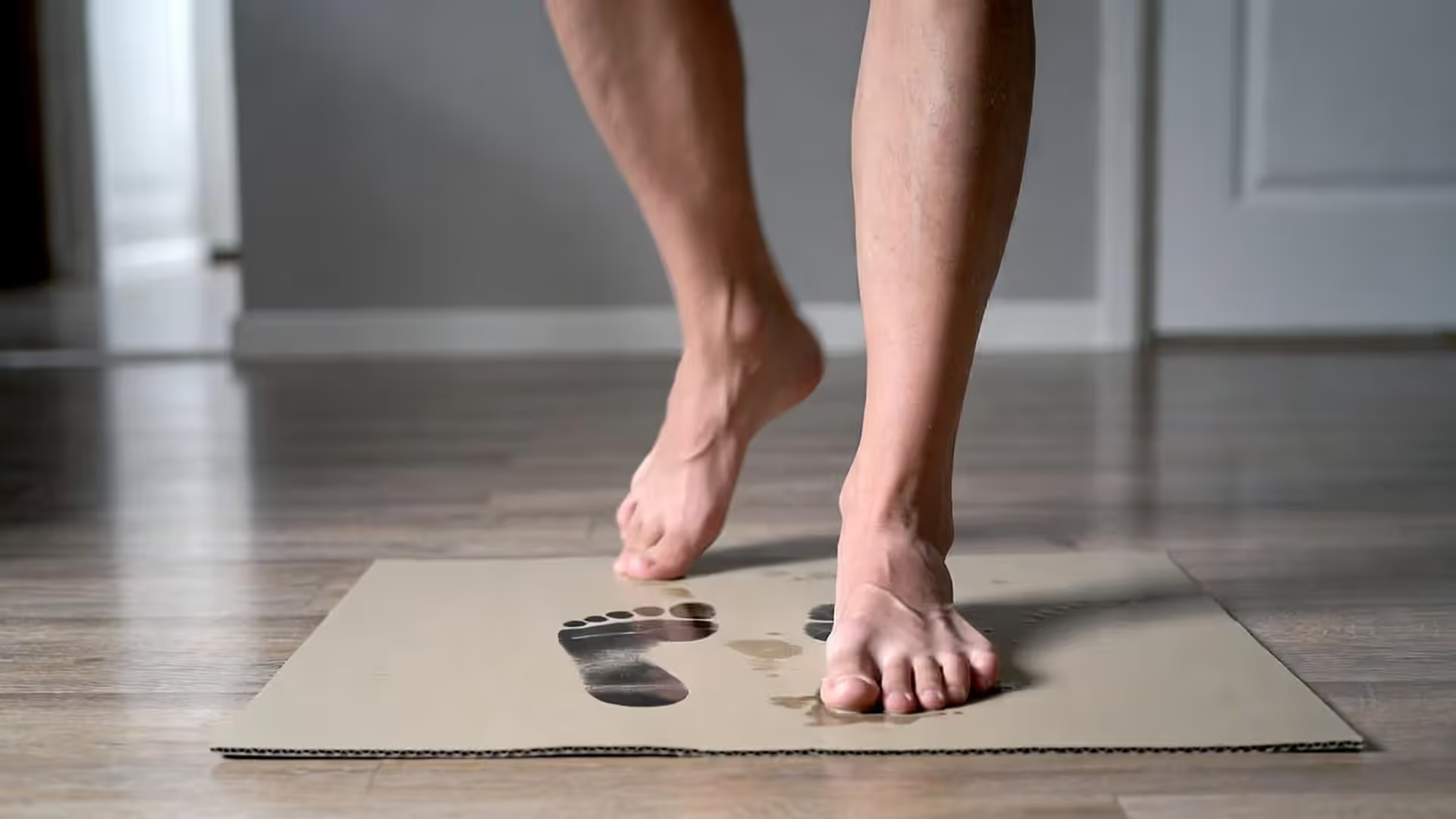
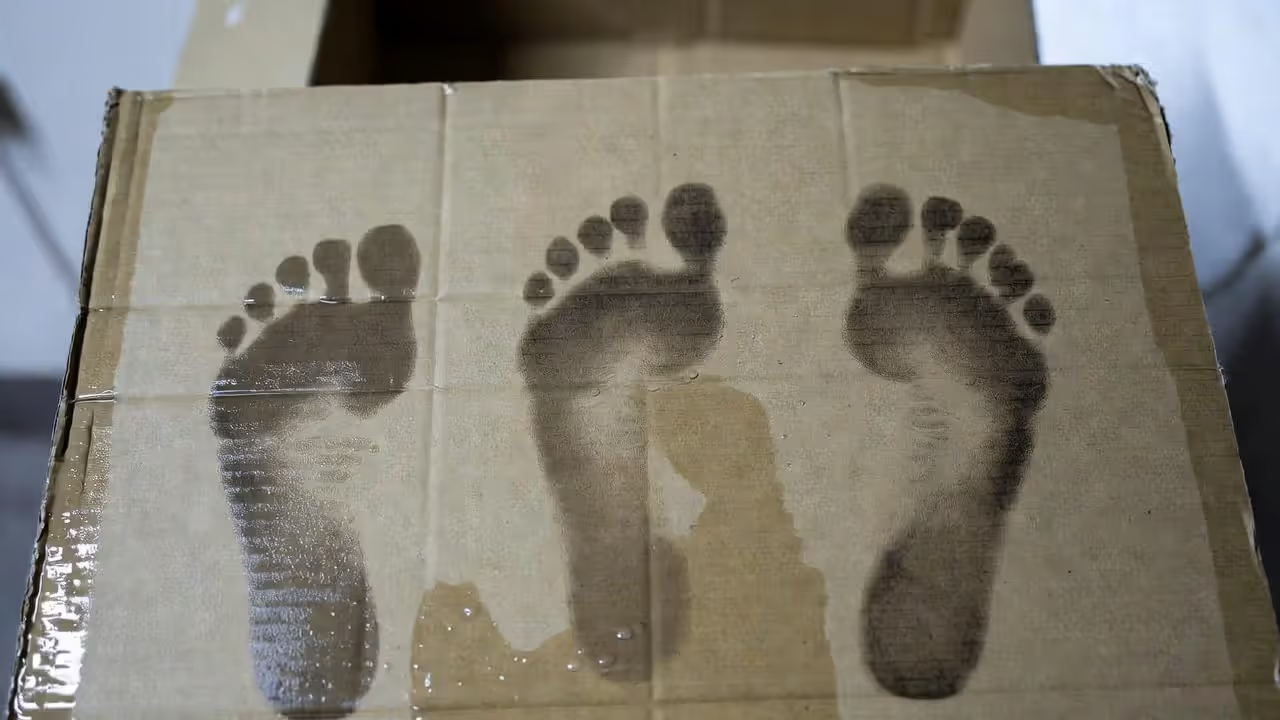
Grab a paper bag or piece of cardboard. Wet the bottom of your bare foot completely—not dripping, just thoroughly damp. Step firmly onto the paper, then look at what you left behind.
See almost your entire footprint from heel to toe, with barely any curve on the inside edge? You've got flat feet with low arches. If there's only a narrow strip connecting your heel to your forefoot, you're working with high arches. That moderate inward curve along the inside? Medium arches, which most people have.
Author: Caleb Foster;
Source: thelifelongadventures.com
Why does this matter? Flat feet typically need more structural support in shoes. High arches often require extra cushioning because these feet don't absorb shock as naturally. Medium arches work well with most shoe types.
Here's something that surprises runners: check both feet separately. I've fitted countless people who discovered their left arch sits noticeably higher than their right. It's more common than you'd think.
What Pronation Means for Shoe Selection
Pronation is just your foot's natural inward roll after your heel touches down. This motion helps spread out impact forces—it's not inherently bad. The question is how much rolling happens.
Normal pronation means your foot rolls inward about 15 degrees, then pushes off efficiently through your big toe. Perfect system, no problems.
Overpronation happens when your foot rolls inward excessively—think past 15 degrees—causing your ankle to collapse inward with each step. Do this several thousand times per run and you're asking for knee or ankle issues.
Underpronation (also called supination) is the opposite. Your foot doesn't roll inward enough, leaving the outside edge to handle too much impact. Less common than overpronation, but equally problematic.
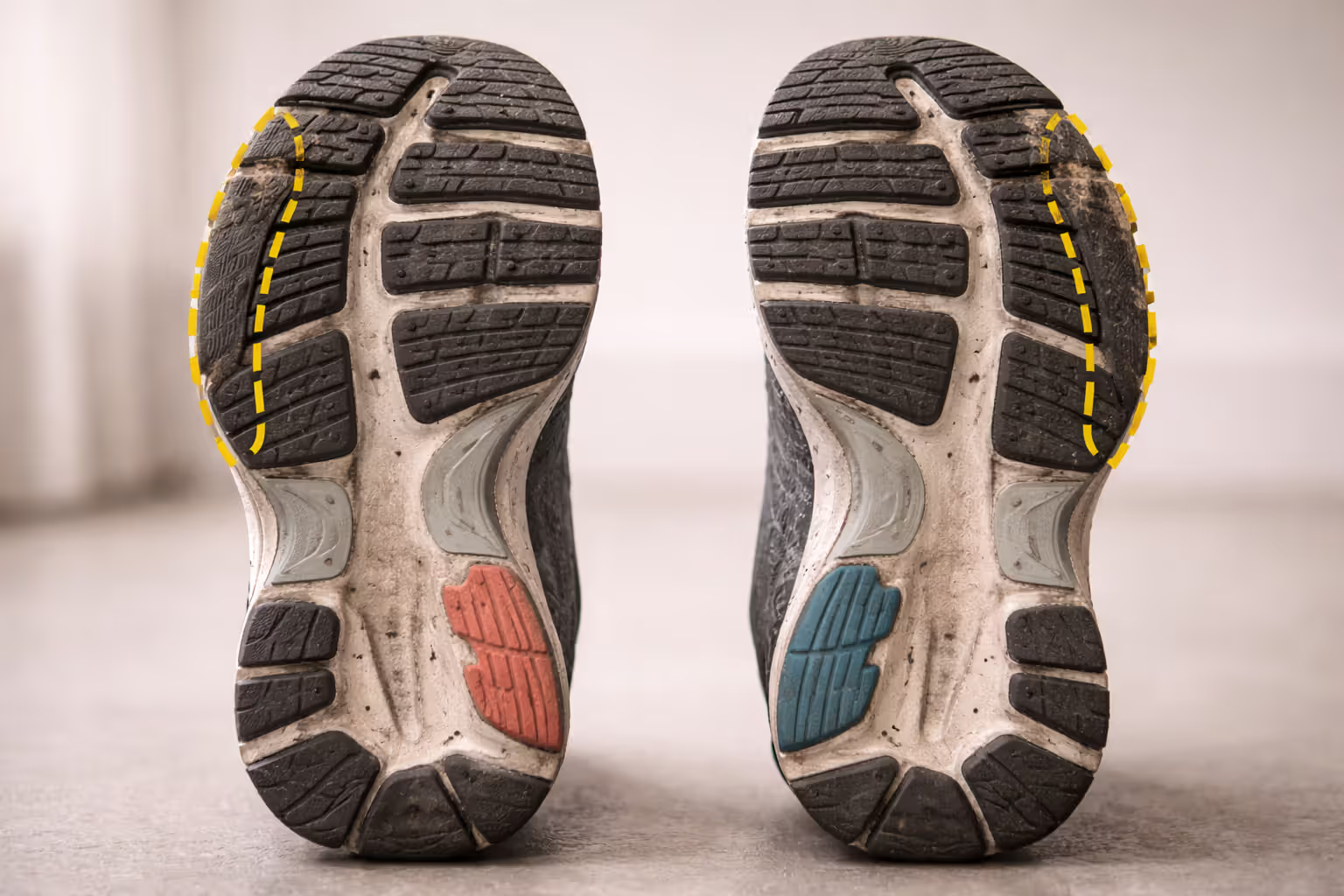
Check your old, worn training shoes right now. If the inside edge of the midsole looks beaten down and compressed, you probably overpronate. Outside edge wearing through faster? That suggests underpronation. Even wear across the forefoot means neutral pronation.
Flat feet usually (but not always) come with overpronation. High arches often underpronate. But I've seen plenty of exceptions, so don't assume—actually check your wear patterns.
Author: Caleb Foster;
Source: thelifelongadventures.com
Running Shoe Types Explained: Which Category Fits Your Needs
Shoe companies organize their products into specific categories based on how much support and correction they provide. Understanding these classifications saves you from trying on every shoe in the store.
Comparing Support Levels Across Shoe Categories
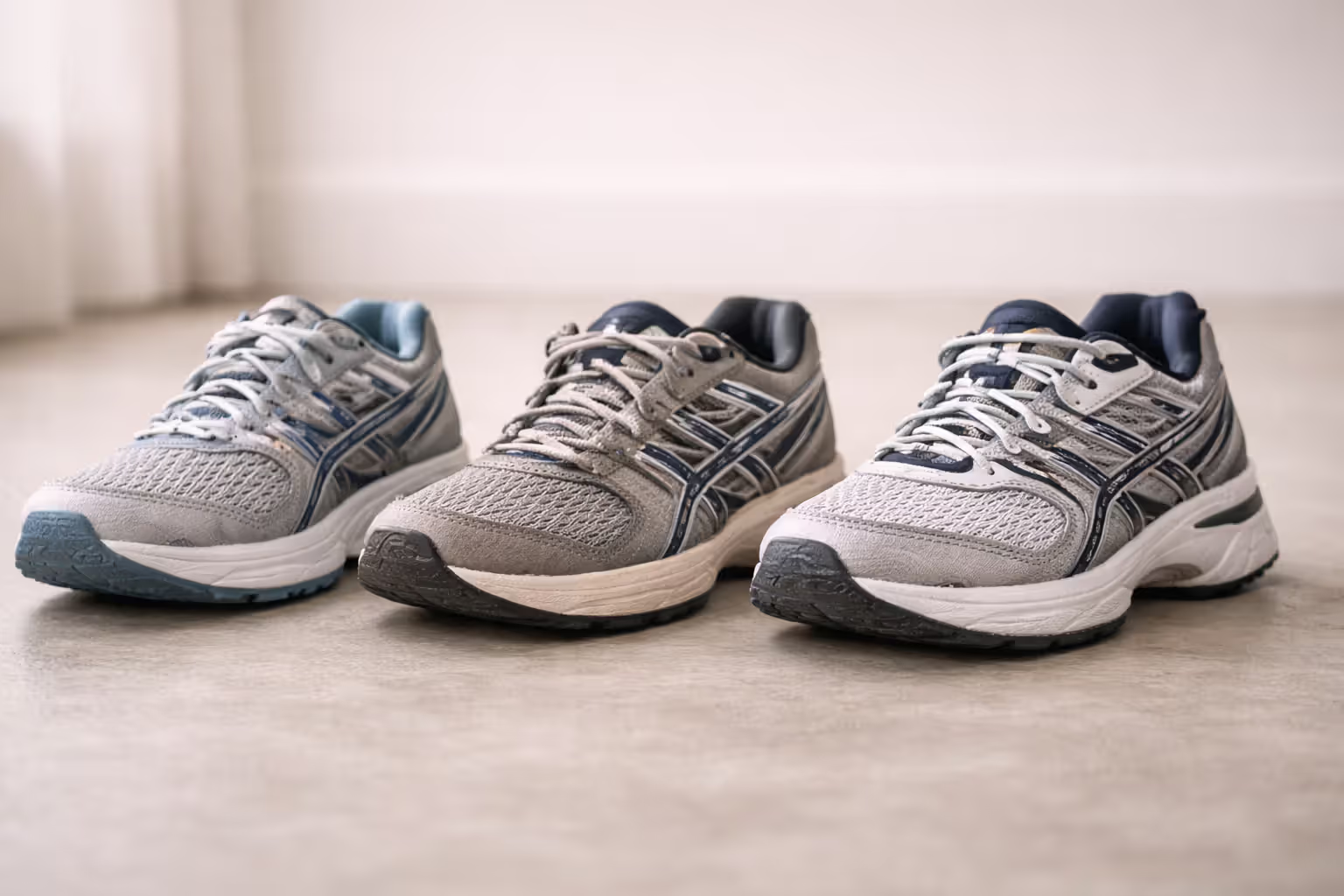
Neutral shoes are designed for runners with normal arches and standard pronation. They provide cushioning and protection without any corrective features. The shoe lets your foot move naturally through each stride without interference. Think of these as the default—no bells and whistles, just straightforward running shoes.
Stability shoes add a support structure on the inner edge of the midsole—usually denser foam or a plastic post—that helps control mild to moderate overpronation. If your foot tends to collapse inward, this firmer section pushes back against that motion. You'll notice it when you press on the shoe's inner side, but it shouldn't feel like you're wearing orthopedic equipment.
Motion control shoes take things further with maximum support features: very firm midsoles, reinforced heel cups, and straighter shapes. These target severe overpronators or heavier runners who need substantial structure. They feel noticeably stiffer than neutral shoes—that's intentional.
Here's a mistake I see constantly: flat-footed runners assuming they automatically need motion control. Not true. Plenty of people with pancake-flat arches run perfectly fine in neutral shoes. Unless you're experiencing pain or a professional analysis revealed serious issues, don't add correction you might not need.
Author: Caleb Foster;
Source: thelifelongadventures.com
Minimalist and Maximalist Options
Minimalist shoes strip away most cushioning, using thin midsoles (sometimes barely 10mm thick), zero or near-zero heel-to-toe drop, and flexible materials that mimic barefoot running. They can strengthen your feet and encourage a forefoot strike, but switching to these requires months of gradual adaptation. Jump in too fast and you're looking at Achilles tendinitis or calf strains that'll sideline you for weeks.
Maximalist shoes go the opposite direction with extremely thick, plush midsoles—sometimes 35mm or more of cushioning. Despite looking like platform shoes, many weigh less than you'd expect. Runners recovering from injuries, those with joint sensitivity, or anyone logging serious weekly mileage often appreciate the extra shock absorption. The tradeoff? Less ground feel and sometimes less stability on uneven surfaces.
Neither approach works for everyone. Most runners do best somewhere in the middle with moderate cushioning and standard drops.
Cushioning Systems and Midsole Technology Decoded
The midsole—that thick layer between your foot and the ground—controls how your shoe actually feels and performs. Brands drown you in proprietary names for their foam technologies, but a few basic concepts cut through the confusion.
Standard EVA foam (ethylene-vinyl acetate) still dominates because it's lightweight, reasonably durable, and cheap to produce. Compression-molded EVA lasts longer than injection-molded versions, but you can't always tell which you're getting without asking.
Polyurethane foams last longer than EVA but add weight. You'll find these in some motion control models where durability matters more than featherlight construction.
Newer technologies like TPU beads or nitrogen-infused foams provide better energy return—that springy, responsive feeling when you push off. These work great in racing shoes or tempo trainers where you want that bounce. Daily trainers don't necessarily need it.
Stack height refers to total midsole thickness. More cushioning generally means more shock absorption, though foam density plays a huge role. A firm 30mm midsole can feel harsher than a soft 25mm one.
The best way to predict the future is to create it.
— Peter Drucker
The drop (or offset) measures the height difference between your heel and forefoot. Traditional running shoes sit around 10-12mm. Lower drops (4-6mm) promote midfoot striking and increase calf engagement. Zero-drop designs position your heel and forefoot at the same height.
Don't obsess over drop numbers. A high drop won't force you to heel strike, and a low drop won't magically fix your form. If you've been running pain-free in 10mm shoes, switching to zero-drop probably isn't necessary.
Cushioning preference is wildly personal. Some runners want plush, cloud-like landings. Others prefer firm, responsive ground contact. Neither is objectively better—go with what feels comfortable and doesn't cause injuries.
Getting the Right Fit: Sizing and Comfort Checkpoints
Author: Caleb Foster;
Source: thelifelongadventures.com
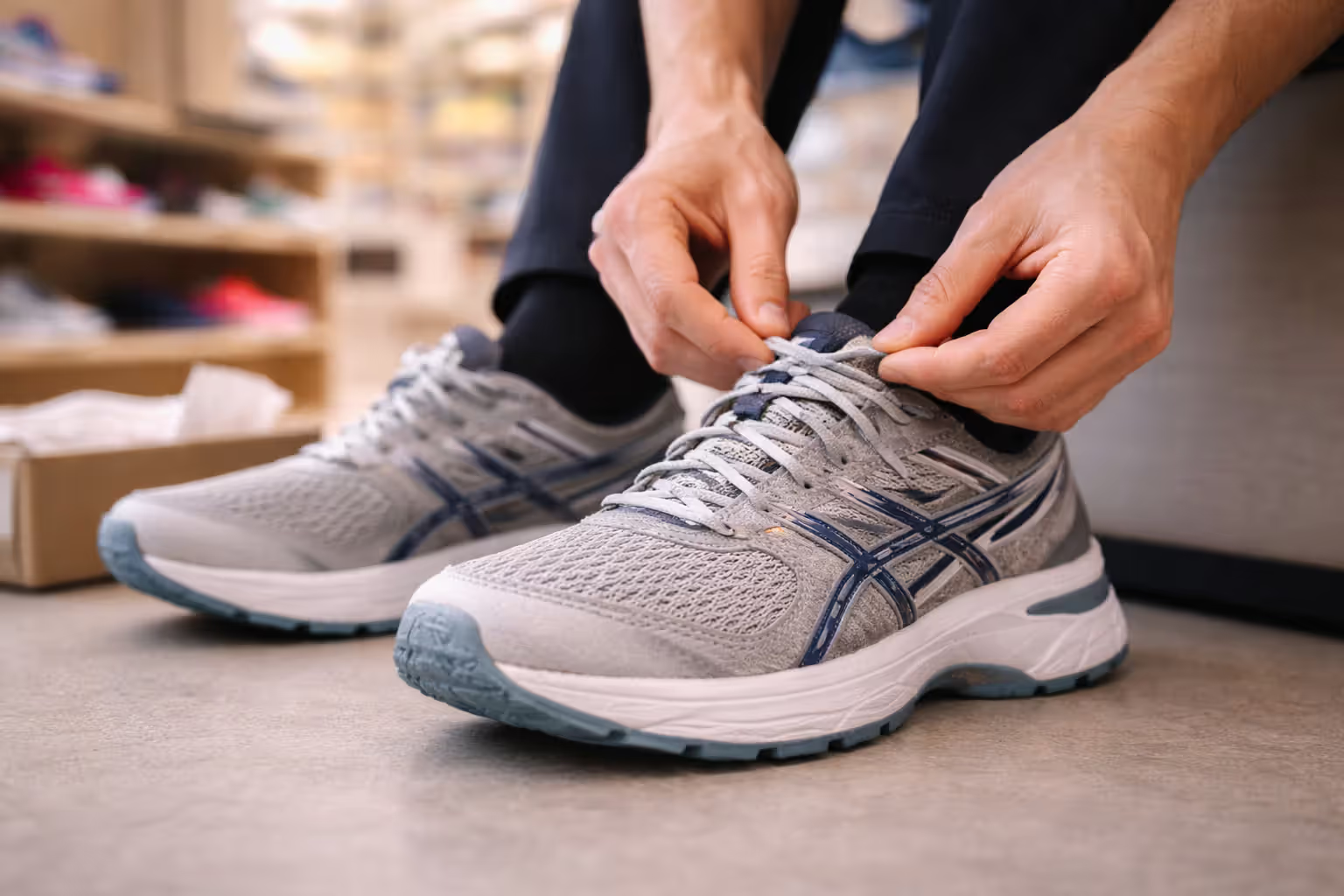
Proper fit prevents blisters, black toenails, and the general misery of shoes that don't actually fit your feet. Running shoe sizing differs from dress shoes, and length is just one piece of the puzzle.
Leave about a thumb's width of space between your longest toe and the shoe's end. Your feet swell during runs, especially in heat or on long distances. Shoes that fit perfectly while you're standing in the store will feel too tight at mile eight.
Width matters as much as length. Your foot should sit securely through the midfoot and heel without sliding around, but your toes need room to spread naturally. If a shoe pinches your pinky toe or squeezes your forefoot, keep looking. Many brands make wide and narrow widths—don't settle for a bad fit just because "standard" is all they have on display.
Toe Box Width and Heel Lock Considerations
The toe box needs enough volume for your toes to spread without compression. Narrow, tapered designs might look sleek, but they'll smash your forefoot unnaturally. Stand in the shoes and try spreading your toes—they shouldn't hit the sides.
Your heel should stay locked down without slipping up and down. Excessive heel movement creates blisters and reduces stability. If your heel lifts when you walk, try tightening the laces or look for shoes with better heel cups.
Shop in the afternoon or evening. Feet naturally expand throughout the day, and morning shopping might leave you with shoes that feel tight during evening runs.
Some shoes feel great immediately; others need 10-20 miles to break in as materials soften and conform. But breaking in shouldn't mean enduring pain or hot spots. Shoes that hurt in the store probably won't improve dramatically.
Bring the socks you actually run in. Thick cushioned socks need more room than thin racing socks. Testing shoes with the wrong socks throws off your whole fit assessment.
Matching Shoes to Your Running Environment and Distance
Author: Caleb Foster;
Source: thelifelongadventures.com
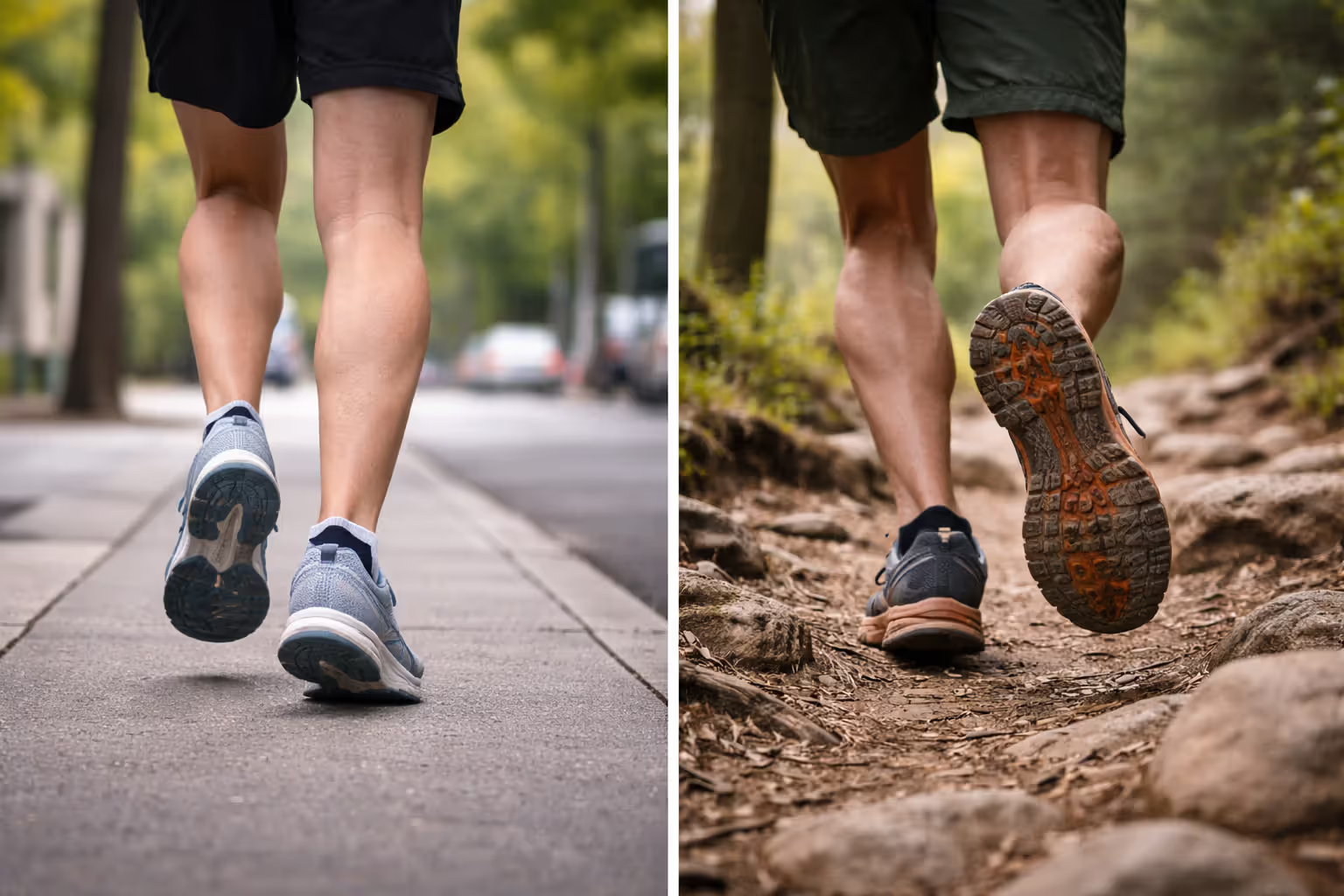
Where you run and how far you typically go should influence which shoes you buy. Road shoes, trail shoes, and racing flats serve different purposes, and using the wrong category for your usual routes creates unnecessary problems.
Road running shoes feature smooth rubber outsoles designed for pavement and concrete. They emphasize cushioning and lightweight construction. Most recreational runners do the majority of their training in this category.
Trail running shoes add aggressive rubber lugs for traction on dirt, mud, and rocks. They include protective plates in the midsole and tougher upper materials to handle trail debris. These additions add weight compared to road shoes. Running trails in road shoes risks twisted ankles and slipping on wet surfaces.
Daily trainers handle the bulk of your weekly mileage. They balance cushioning, durability, and reasonable weight. Expect 300-500 miles from these depending on your weight, running form, and surfaces.
Racing shoes and tempo trainers sacrifice some cushioning and durability for lighter weight and more responsive foam. They're fantastic for speed workouts and race day but wear out quickly under daily training loads. Heavier runners or injury-prone athletes should think twice about minimal cushioning.
Long run shoes might differ from daily trainers. Many runners prefer extra cushioning for efforts over 90 minutes when fatigue degrades their form. Others stick with the same shoes regardless of distance.
Easy recovery runs sometimes feel better in maximum-cushion shoes that reduce impact stress on tired legs. Rotating between two or three pairs extends each shoe's life and exposes your feet to slightly different mechanics.
Common Running Shoe Selection Mistakes That Lead to Injuries
Even experienced runners make predictable errors when buying new shoes. Recognizing these patterns helps you avoid setbacks.
Buying shoes because they look cool is shockingly common. Color schemes and brand prestige won't prevent shin splints. Function first, fashion second—or never, if necessary.
Running on dead shoes causes countless overuse injuries. Midsole foam compresses permanently over accumulated miles, losing shock absorption long before the outsole rubber looks worn. Most shoes need replacing every 300-500 miles. Track your mileage and retire shoes proactively, not after you're already injured.
Over-correcting pronation by adding unnecessary stability features can create new problems. Your foot moves the way it does for a reason. Unless you're in pain or a professional analysis revealed significant dysfunction, don't assume you need maximum support.
Switching between drastically different shoe types without gradual adaptation stresses tissues accustomed to your old shoes. Going from traditional trainers to minimalist shoes, or from minimal cushioning to maximalist designs, requires progressive adaptation over several weeks.
Chasing weight savings over injury prevention serves elite runners with efficient biomechanics and massive training volumes. Most recreational runners benefit more from adequate cushioning and appropriate support than from shaving two ounces.
Keeping shoes too long because they still look clean wastes the most important component—the invisible midsole cushioning. Cosmetic appearance doesn't reflect internal foam degradation.
Assuming expensive shoes automatically outperform cheaper options ignores individual fit requirements. A $200 shoe that doesn't match your foot structure will cause more problems than a $100 shoe that fits properly. Price reflects materials and technology, not universal superiority.
Running Shoe Categories at a Glance
Shoe Type
Best For
Key Features
Typical Drop Range
Ideal Runner Profile
Neutral
Standard arches with normal pronation mechanics
Cushioned protection without corrective elements, natural flexibility
8-12mm
Runners with efficient biomechanics, no pain issues or gait abnormalities
Stability
Low-to-medium arches with mild overpronation
Denser foam on medial side, structured midfoot area
8-12mm
Runners needing gentle pronation control, past medial knee or ankle discomfort
Motion Control
Very flat arches, severe overpronation, higher body weight
Very firm midsole, reinforced heel, maximum structural framework
10-12mm
Runners requiring substantial support, those with significant inward foot collapse
Minimalist
Experienced runners transitioning to natural running
Thin midsole (under 15mm), low or zero drop, flexible materials
0-4mm
Runners with strong feet, willing to adapt gradually over months
Maximalist
High-impact runners, injury recovery, high weekly mileage
Very thick midsoles (30-40mm), substantial shock absorption
4-8mm
Runners prioritizing impact protection, those with joint sensitivity issues
Frequently Asked Questions About Choosing Running Shoes
What's a reasonable budget for quality running shoes?
Expect to spend $100-$160 for quality running shoes with proven cushioning technology and durable construction from established brands. Anything below $80 usually involves cheaper foam that breaks down quickly, while options above $180 typically include racing-specific innovations most recreational runners won't actually benefit from. Last season's models offer excellent value—you'll find previous year's top shoes discounted 30-40% with identical performance.
What's the actual replacement schedule for running shoes?
Plan on new shoes every 300-500 miles, which translates to roughly four-to-six months if you're running 20-25 miles weekly. Heavier runners and those pounding pavement should target the lower end of that range. Track your mileage through a training log or running app. Warning signs include reduced cushioning sensation, unusual knee or shin discomfort, and visible midsole compression or creasing.
Is professional gait analysis at a running store worth it?
Specialty running stores provide helpful expertise, especially for beginners or runners dealing with injuries. Staff can watch your gait on treadmills and suggest appropriate categories. That said, the wet-foot test and wear pattern inspection covered earlier give you solid baseline information. If you're injury-free and comfortable in your current shoes, self-assessment works fine. Seek professional biomechanical analysis when you're troubleshooting persistent pain or genuinely confused about what you need.
Will incorrect shoes actually cause knee pain or shin splints?
Absolutely. Shoes lacking sufficient cushioning increase impact stress transferred directly to your joints. Worn-out shoes that have lost their shock absorption contribute to overuse injuries. Overly supportive shoes restricting natural foot movement can alter your gait and create stress points at the knee. Shin splints commonly develop when runners switch abruptly to minimalist designs or dramatically change their usual shoe category. Matching footwear to your biomechanics and replacing shoes on schedule minimizes injury risk significantly.
What should the fit feel like when I first try them on?
You want comfortably secure through the midfoot and heel while your toes move freely. You shouldn't feel pressure points or pinching anywhere. Your heel should lock down without slipping, but not so tight it irritates your Achilles. Walk and jog around the store—the shoes should feel immediately ready to run in, though foam materials might soften slightly over the first few runs. If they're uncomfortable in the store, they won't magically feel better later.
Do higher prices guarantee better performance?
Price reflects materials quality, technological features, and marketing budgets—not necessarily better performance for your specific needs. A $180 carbon-plated racing shoe offers zero advantage over a $120 daily trainer if you're logging easy-paced miles at conversational effort. Expensive shoes often feature lighter materials or more responsive foam that primarily benefits competitive athletes. Focus on proper fit and features appropriate for your foot structure. Well-fitting mid-range shoes outperform expensive models that don't match your biomechanics every single time.
Choosing running shoes comes down to three elements: your foot architecture, your movement patterns, and your typical running conditions. The wet-foot test and worn-shoe inspection reveal your arch type and pronation tendencies. That information points you toward neutral, stability, or motion control categories. Factor in your primary running surfaces—roads require different features than trails. Consider your weekly mileage and whether you need durable trainers or responsive uptempo shoes.
Try on multiple pairs in the afternoon when your feet have expanded to running size. Maintain that thumb's width in the toe box and verify your heel stays secure. Walk and jog in the store checking for pressure points or movement.
Skip the overthinking about cushioning preferences or proprietary foam names. Comfort beats marketing terminology. If shoes feel good during your test run and match your biomechanical requirements, they're probably a solid choice.
Replace shoes every 300-500 miles regardless of how they look externally. Midsole foam degrades invisibly, and compromised cushioning leads to injuries. Track mileage systematically and retire shoes proactively.
Most importantly, don't choose shoes based on appearance, brand loyalty, or what elite runners wear. Your feet and movement patterns are unique to you. Proper footwear complements your natural mechanics rather than forcing unnecessary corrections. When you find a model that works brilliantly, buy backup pairs before discontinuation—shoe companies refresh product lines annually, and your perfect shoe might disappear next season.
A yoga strap isn’t a “beginner crutch.” It’s a precision prop for safer stretching, better alignment, and smarter pose access. Learn strap techniques for hamstrings, hips, shoulders, quads, and calves—plus advanced modifications (Dancer, King Pigeon, inversions), rehab uses, and common mistakes to avoid.
Confused about 3mm vs 6mm yoga mats? This guide explains how thickness affects joint protection, balance and proprioception, portability, and grip. Learn which thickness fits vinyasa, yin, hot yoga, and beginners, how materials change “feel,” and the most common buying mistakes to avoid.
Yoga blocks aren’t “cheating”—they’re alignment tools that help you progress safely. Discover evidence-based benefits, correct block placement for standing, seated, and restorative poses, the biggest mistakes to avoid, and how to choose the right block material, size, and density for your practice.
Confused about workout shoes vs running shoes? Learn the real design differences—cushioning, heel drop, flexibility, and lateral stability—plus when each fails, how to match shoes to CrossFit, lifting, or cardio, and when to replace them to reduce injury risk.
The content on this website is provided for general informational and educational purposes related to health, yoga, fitness, and overall wellness. It is not intended to replace professional medical advice, diagnosis, or treatment.
All information, workout suggestions, yoga practices, nutrition tips, and wellness guidance shared on this site are for general reference only. Individual health conditions, fitness levels, and medical needs vary, and results may differ from person to person. Always consult a qualified healthcare provider before starting any new exercise program, dietary plan, or wellness routine.
We are not responsible for any errors or omissions, or for any outcomes resulting from the use of information presented on this website. Your health and fitness decisions should always be made in consultation with appropriate medical and fitness professionals.