Foam rolling has moved from physical therapy clinics into gyms, living rooms, and locker rooms worldwide. Athletes swear by it. Weekend warriors rely on it after long runs. Office workers use it to combat desk-induced stiffness. But what actually happens when you roll out tight muscles, and which benefits hold up under scientific scrutiny?
Understanding the real effects of foam rolling helps you use this tool more effectively and set realistic expectations. Some claims about foam rollers are backed by solid research, while others remain speculative or misunderstood.
How Foam Rolling Actually Works on Your Muscles
The fascia—a web-like connective tissue wrapping around muscles, organs, and bones—plays a central role in how foam rolling affects your body. When healthy, fascia slides smoothly, allowing muscles to contract and lengthen without restriction. Repetitive strain, poor posture, dehydration, or injury can cause fascia to become dense, sticky, or adhered to surrounding structures.
A myofascial release roller applies sustained pressure to these tissues, creating mechanical deformation. This pressure doesn't literally "break up" adhesions in the way many people imagine. Instead, research suggests foam rolling triggers several physiological responses simultaneously.
Movement is medicine, but recovery is what allows movement to continue.
— Kelly Starrett
The mechanical pressure temporarily softens the gel-like ground substance within fascia, improving tissue pliability. Think of cold honey versus warm honey—the structure remains the same, but viscosity changes. Studies using ultrasound imaging show that rolling increases tissue temperature by 1-2 degrees Celsius, enough to alter fascial properties temporarily.
Neurological effects matter just as much as mechanical ones. Pressure stimulates mechanoreceptors in your skin and fascia, sending signals that can override pain signals traveling to your brain. This "gate control" mechanism explains why rubbing a bumped elbow provides immediate relief. Foam rolling essentially floods your nervous system with non-threatening sensory input, reducing the perception of muscle tightness and discomfort.
Blood flow increases during and after rolling. Compression forces blood and fluid out of the tissue; when pressure releases, fresh blood rushes back in, carrying oxygen and nutrients while flushing metabolic waste products. This pump-like action supports the recovery process, though it's not a miracle cure for deep tissue damage.
The foam rolling science reveals that you're not physically reshaping tissue structure in minutes. You're modulating nervous system responses, temporarily changing tissue fluid dynamics, and potentially influencing muscle tone through reflex pathways.
7 Evidence-Based Benefits of Regular Foam Rolling
Author: Logan Brooks;
Source: thelifelongadventures.com
Improved flexibility and range of motion: Multiple studies demonstrate that foam rolling increases joint range of motion without the performance decrements sometimes seen with static stretching. A 2015 meta-analysis found that rolling for 30-120 seconds per muscle group improved flexibility comparably to stretching, with effects lasting 10-20 minutes. For someone struggling to touch their toes or achieve proper squat depth, pre-activity rolling can create immediate improvements. The mechanism likely involves reduced muscle-tendon stiffness and altered sensory perception rather than structural lengthening.
Reduced delayed onset muscle soreness (DOMS): That deep ache appearing 24-72 hours after intense exercise responds moderately well to foam rolling. Research shows rolling immediately post-workout and in subsequent days can reduce soreness ratings by 10-30%. While not eliminating DOMS entirely, this reduction often makes the difference between hobbling around or maintaining normal function. Rolling appears to work by reducing inflammation markers and improving fluid circulation around damaged muscle fibers. A practical approach: spend 10 minutes rolling major muscle groups within an hour of finishing your workout, then repeat daily until soreness subsides.
Author: Logan Brooks;
Source: thelifelongadventures.com
Enhanced circulation and recovery speed: The pumping action created during muscle recovery rolling moves interstitial fluid and increases local blood flow. While a single rolling session won't dramatically accelerate healing, consistent use may support the body's natural recovery processes. Athletes training multiple times daily or competing in tournament formats often report feeling fresher when incorporating regular rolling. The effect seems most pronounced when rolling targets muscles worked hardest during training.
Trigger point and knot release: Those tender, pea-sized lumps in your muscles—often in upper traps, glutes, or along the IT band—respond to sustained pressure. Trigger points are hyperirritable spots in taut muscle bands that refer pain to other areas. Spending 20-60 seconds applying moderate pressure to these spots can reduce sensitivity and referral patterns. The trigger point rolling benefits come from desensitizing the nervous system's response rather than physically "breaking up" the knot. You'll know you've found a trigger point when pressure creates a sharp, specific discomfort that might radiate elsewhere.
Pre-workout muscle activation: Rolling before training can wake up dormant muscles and improve mind-muscle connection. Unlike static stretching, which can temporarily reduce force production, dynamic rolling doesn't impair strength or power. A quick 30-second roll on glutes before squats or on lats before pull-ups can enhance muscle recruitment patterns. This works particularly well for muscles that tend to "turn off" due to prolonged sitting or previous injuries.
Injury prevention through tissue maintenance: Regular rolling helps maintain tissue quality and identify problem areas before they become injuries. When a specific spot suddenly feels more tender than usual, it's often an early warning sign of overuse or compensation patterns. Addressing these areas promptly—through modified training, additional recovery, or targeted treatment—can prevent minor issues from escalating. Weekend warriors who roll 2-3 times weekly often report fewer nagging injuries compared to periods when they skip this maintenance work.
Cost-effective alternative to massage therapy: Professional massage provides benefits foam rolling can't match, but sessions cost $80-150 and require scheduling. A quality foam roller runs $20-60 and provides unlimited use. For someone needing regular soft tissue work, rolling between monthly professional sessions extends therapeutic benefits while managing costs. The trade-off: you control the pressure and must learn proper techniques, whereas a skilled therapist can access areas you can't reach and apply more sophisticated methods.
Foam Rolling vs. Other Recovery Tools: What Works Best
Author: Logan Brooks;
Source: thelifelongadventures.com
Tool
Effectiveness
Cost
Convenience
Best Use Cases
Foam Roller
Moderate; best for large muscle groups
$20-60 one-time
High; use anywhere with floor space
IT band, quads, back, calves; pre/post-workout routines
Massage Gun
High for targeted work; adjustable intensity
$100-600 one-time
High; portable, no floor needed
Specific trigger points, hard-to-reach areas, quick sessions
Lacrosse Ball
High for precision; intense pressure
$5-15 one-time
Very high; fits in pocket
Glutes, feet, upper traps, pecs; deep trigger point work
Professional Massage
Highest; trained assessment and technique
$80-150 per session
Low; requires scheduling and travel
Complex issues, full-body treatment, relaxation, areas you can't self-treat
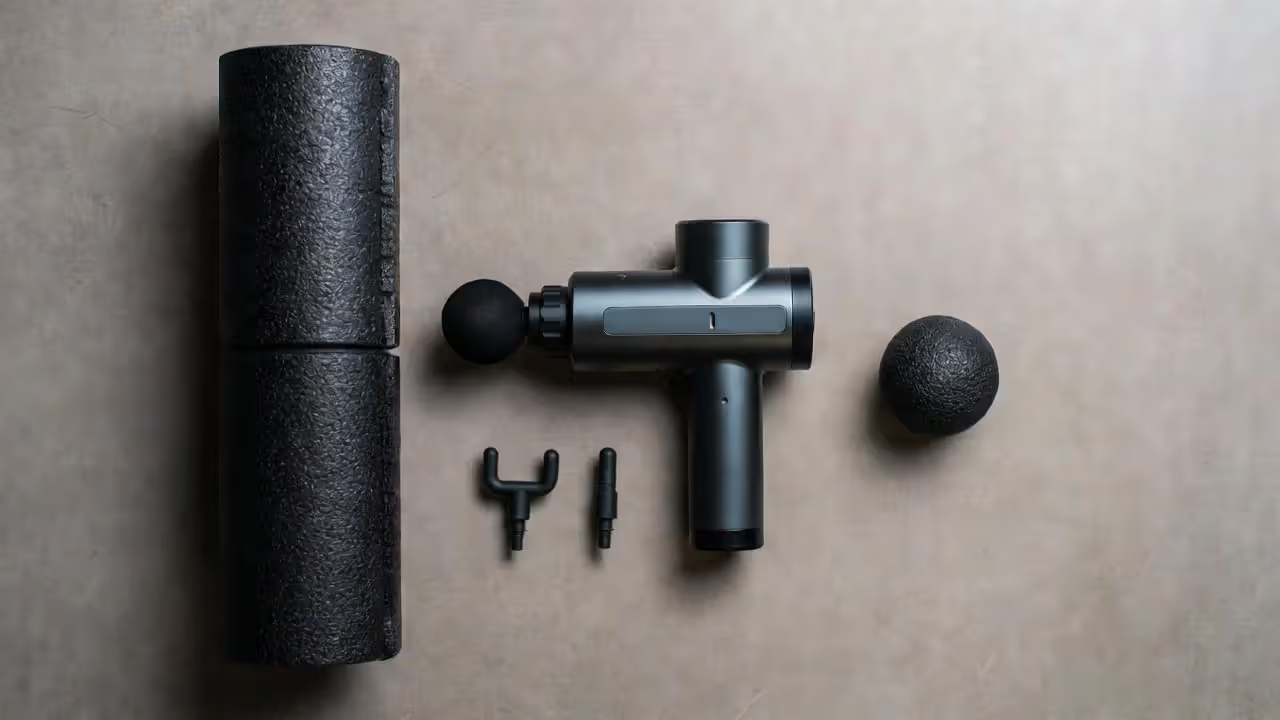
Choosing between recovery mobility tools depends on your specific needs and constraints. Foam rollers excel at covering large surface areas quickly—rolling your entire posterior chain takes 5-10 minutes. Massage guns deliver variable intensity without requiring body weight, making them ideal for upper body work or when you're too sore to lie on a roller. Lacrosse balls provide surgical precision for stubborn spots but require patience and pain tolerance.
Combining methods produces better results than relying on one tool exclusively. A typical routine might use a foam roller for general work on quads, hamstrings, and back, then switch to a lacrosse ball for specific trigger points in glutes or feet. Following with a massage gun on hard-to-reach spots like upper traps completes the session.
Athletes with injury histories or chronic pain patterns benefit most from professional assessment first, then using self-myofascial release tools to maintain improvements between appointments. Someone with acute injuries, unexplained pain, or conditions like osteoporosis should consult healthcare providers before aggressive rolling.
Target Areas and Techniques That Deliver Results
Upper Body: Back, Shoulders, and Neck
The thoracic spine responds well to careful rolling. Position the roller perpendicular to your spine at mid-back level, supporting your head with hands. Lift hips slightly and roll from shoulder blades to bottom of ribcage—never directly on the lower back, where unprotected vertebrae could compress. Cross arms over chest to spread shoulder blades apart, exposing more muscle tissue. Spend 60-90 seconds, pausing on tender spots.
Lats connect from your armpit to lower back, often harboring tightness from pulling movements or desk work. Lie on your side with the roller under your armpit, bottom arm extended overhead. Roll from armpit toward mid-back. This position feels awkward initially but effectively targets tissue that's difficult to reach otherwise.
Direct neck rolling is risky and generally inadvisable. Instead, place a lacrosse ball against a wall at the base of your skull or along the upper traps, controlling pressure by leaning into it. This allows precise work without the danger of rolling directly on cervical vertebrae.
Lower Body: Quads, Hamstrings, IT Band, and Calves
Author: Logan Brooks;
Source: thelifelongadventures.com
Quadriceps rolling provides significant bang for your buck. Lie face-down with the roller under your thighs, supporting your upper body on forearms. Roll from just above the knee to the hip crease. Rotate slightly to hit inner, middle, and outer quad sections. The vastus medialis (inner quad near the knee) often holds surprising tenderness in runners and cyclists.
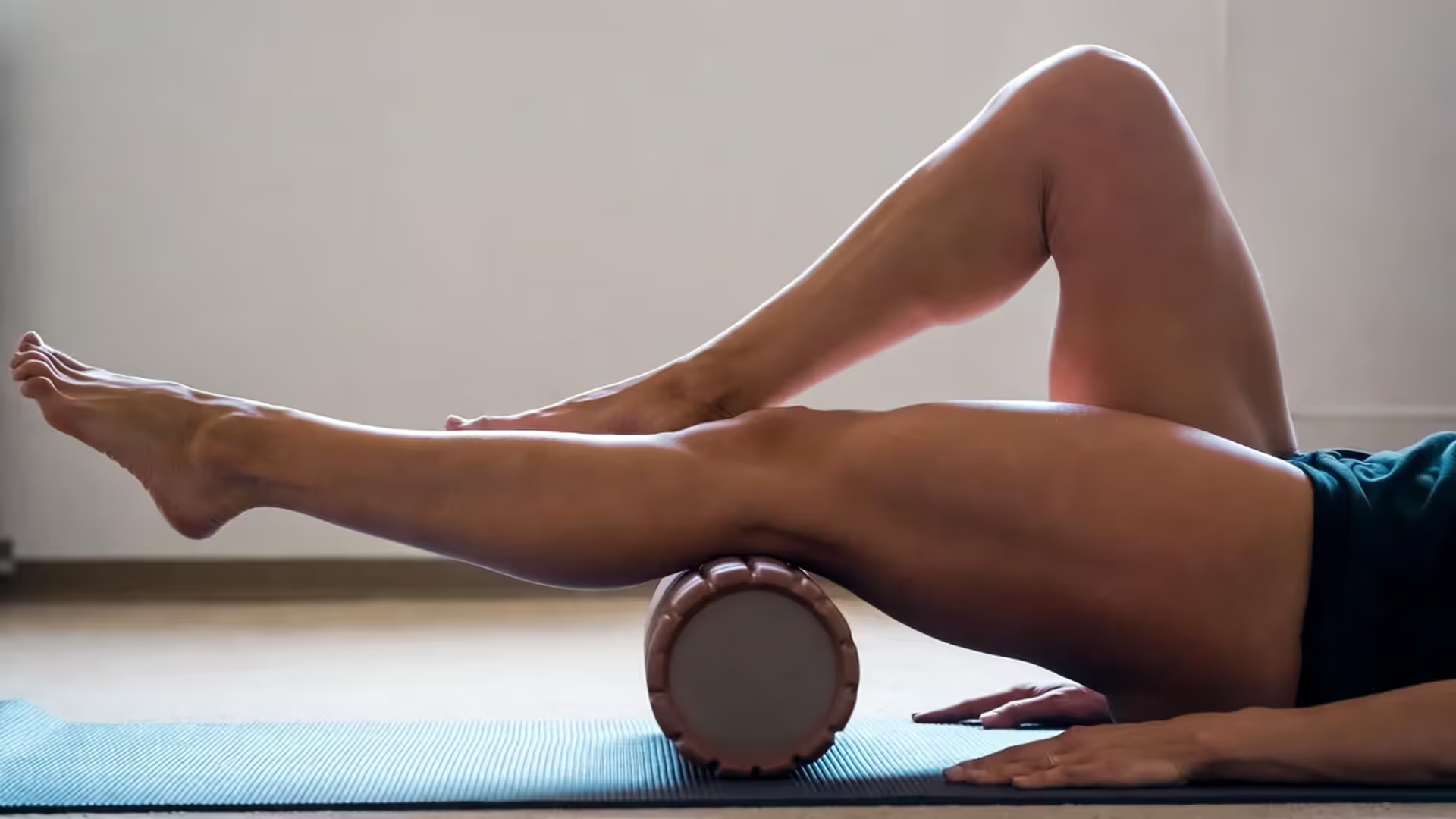
Hamstrings require a seated position with the roller under your thighs, hands supporting you from behind. Lift hips and roll from just below glutes to above the knee. Adding leg rotation or bending the knee changes which portion receives the most pressure. Single-leg rolling increases intensity when both legs feel insufficient.
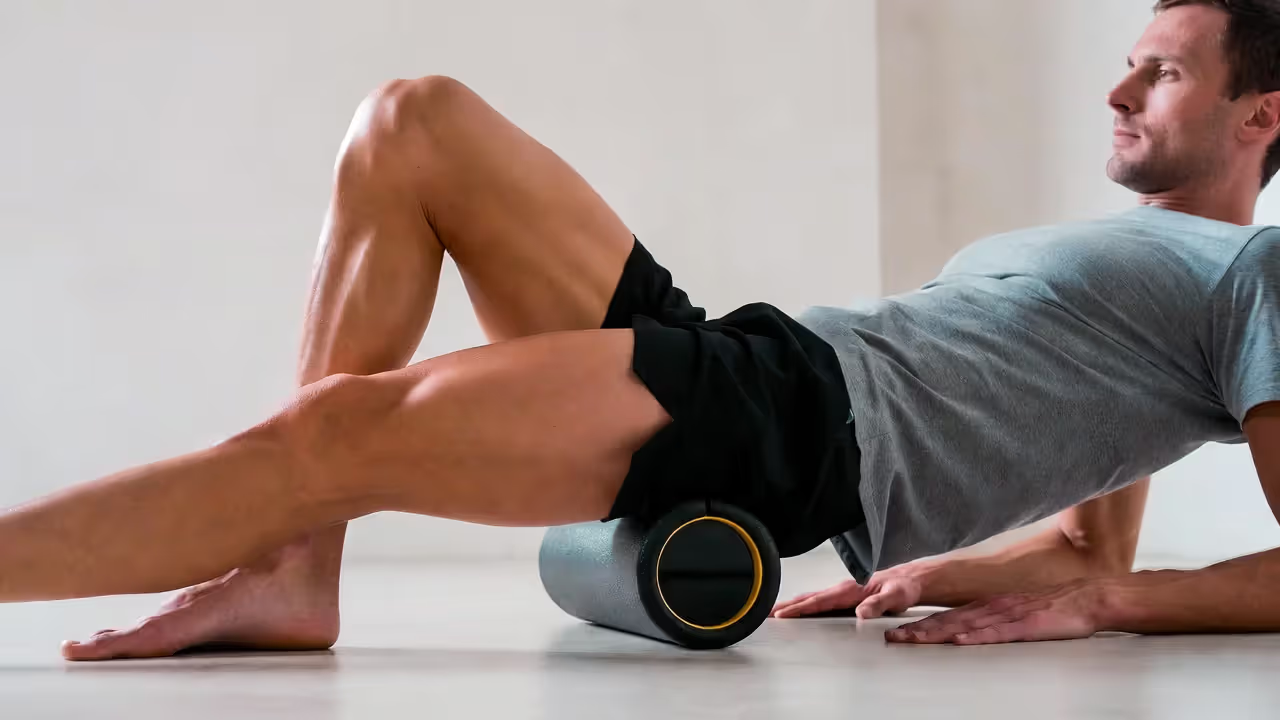
The IT band—that thick fascial structure running down the outer thigh—has a reputation for excruciating rolling sessions. Lie on your side with the roller under your outer thigh, bottom leg straight, top leg crossed in front for support. Roll from hip to just above the knee. The intensity often feels overwhelming at first. The IT band itself doesn't actually stretch or release much; you're affecting the muscles attaching to it (vastus lateralis, tensor fasciae latae, glutes). Gentler pressure for longer duration works better than aggressive, brief rolling.
Calves respond to seated rolling with the roller under the lower leg, hands supporting from behind. Stack one leg on top to increase pressure. Roll from Achilles tendon to behind the knee, hitting both gastrocnemius and soleus by pointing and flexing your foot during rolling.
Common Mistakes That Reduce Effectiveness
Rolling too quickly defeats the purpose. Rushing through at high speed provides minimal benefit. Aim for 1-2 inches per second, pausing 20-30 seconds on tender areas. The tissue needs time to respond to pressure.
Excessive pressure causes muscles to guard protectively, counteracting the relaxation response you're seeking. If you're holding your breath or tensing other body parts, reduce pressure. Discomfort should rate 5-7 out of 10, not 9-10.
Spending all your time on one spot while neglecting others creates imbalances. The IT band gets attention while adductors, glutes, and hip flexors go ignored, yet these surrounding muscles often contribute to the issue.
Rolling directly over joints, bones, or the lower back risks injury without providing benefits. Keep pressure on muscle tissue only.
Most people should roll for 10-15 minutes total, spending 30-120 seconds per muscle group. More isn't always better—excessive rolling can cause bruising or irritation.
Avoid foam rolling over acute injuries, open wounds, fractures, or areas of severe pain. Conditions like deep vein thrombosis, advanced osteoporosis, or bleeding disorders require medical clearance before using pressure-based therapies. When in doubt, consult a healthcare provider.
Choosing the Right Foam Roller for Your Goals
Author: Logan Brooks;
Source: thelifelongadventures.com
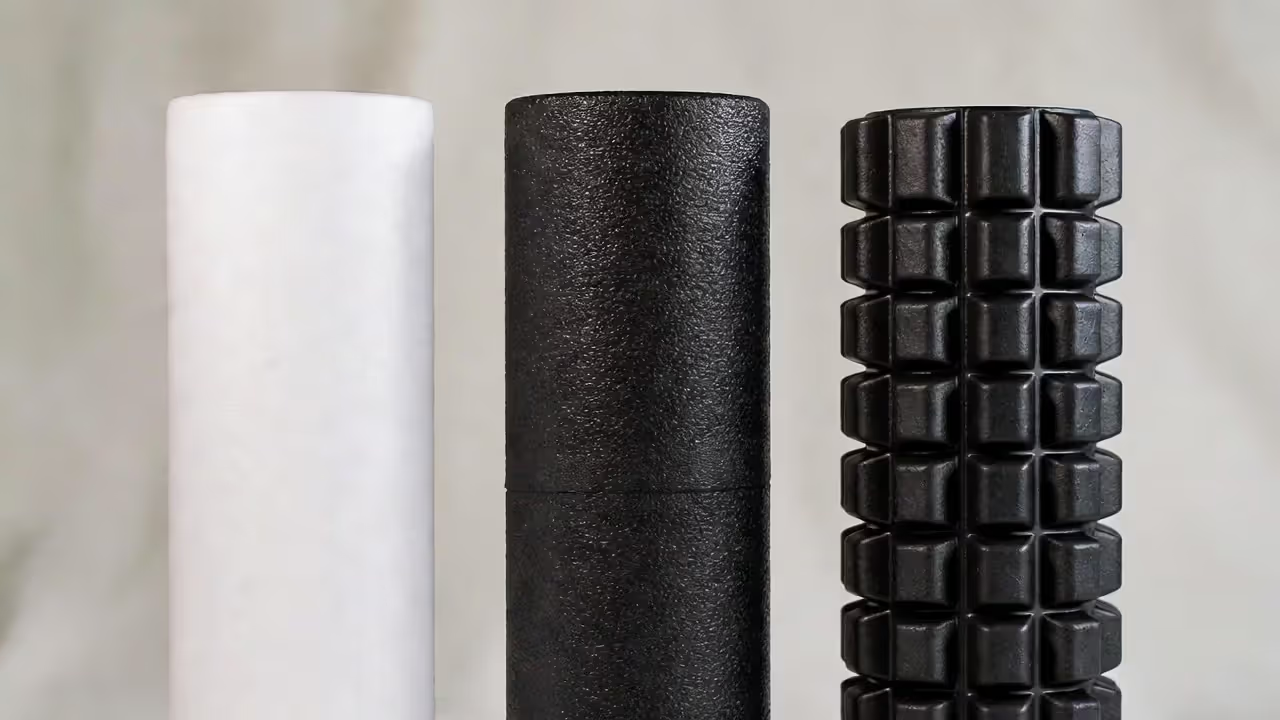
Density determines how much pressure you'll experience. Low-density foam rollers (often white or light-colored) compress easily, providing gentler pressure suitable for beginners or sensitive individuals. Medium-density (typically black) offers a balance between comfort and effectiveness, working well for most users. High-density rollers barely compress, delivering intense pressure preferred by experienced users or those with high pain tolerance.
Starting too firm causes many people to abandon rolling entirely. Begin with medium density, progressing to firmer options as your tolerance increases over weeks or months.
Surface texture affects the rolling experience significantly. Smooth rollers provide even, consistent pressure across the entire surface. Textured or "grid" rollers feature ridges, knobs, or varied surfaces that target tissue more aggressively. These designs attempt to mimic hands-on massage techniques, providing more intense work in less time. The trade-off: textured rollers can feel uncomfortable or even painful initially.
Vibrating rollers add another dimension, using mechanical vibration to enhance nervous system effects. Research on vibration benefits remains mixed, with some studies showing improved range of motion and reduced soreness, while others find minimal advantage over standard rolling. The added cost ($100-200 versus $20-60) may not justify modest benefits for most users.
Size considerations matter for portability and coverage. Standard 36-inch rollers work well for back rolling and home use but don't travel easily. Half-length 18-inch rollers fit in luggage and work fine for limbs, though back rolling requires more repositioning. Diameter typically runs 5-6 inches; smaller diameters create more intense pressure due to reduced surface area.
Price ranges from $15 budget options to $60+ premium models. Cheap rollers often lose shape within months, developing flat spots or crumbling foam. Mid-range options ($30-45) from reputable brands typically provide years of regular use. Premium pricing often pays for brand names, vibration features, or specialized textures rather than dramatically better durability.
A practical first purchase: a medium-density, smooth-surface, 36-inch roller from an established fitness brand, costing $30-40. This covers most needs while you learn proper techniques and discover which features matter to you personally.
FAQ: Foam Roller Benefits and Usage
How long should I foam roll to see benefits?
Immediate effects on flexibility and muscle tension appear after a single 10-15 minute session. For lasting improvements in tissue quality and reduced soreness, consistent rolling 3-4 times weekly for 2-3 weeks produces noticeable changes. Most people report that previously painful spots become less sensitive, movement feels smoother, and recovery between workouts improves within this timeframe.
Can foam rolling help with sciatic nerve pain?
Foam rolling might provide temporary relief if sciatic symptoms stem from tight piriformis or glute muscles compressing the nerve, but it won't address disc herniations or spinal stenosis causing sciatica. Roll the glutes and hip rotators gently, avoiding direct pressure on the painful nerve pathway down the leg. If symptoms worsen or persist beyond a few weeks, medical evaluation is essential since serious conditions can masquerade as simple muscle tightness.
Is it better to foam roll before or after workouts?
Both timing options provide distinct benefits. Pre-workout rolling (5-10 minutes) increases range of motion, activates muscles, and prepares tissue for exercise without reducing power output. Post-workout rolling (10-15 minutes) addresses muscle soreness, aids recovery, and helps maintain tissue quality. Many athletes split the difference: brief, dynamic rolling before training and longer, slower sessions afterward. Choose based on your primary goal and available time.
Why does foam rolling hurt so much at first?
Initial discomfort comes from sensitized nervous systems responding to novel pressure, tight tissues resisting deformation, and discovering tender spots you didn't know existed. As you roll consistently, nervous system adaptation reduces pain perception, tissue quality improves, and you learn to control pressure appropriately. The first week often feels brutal; by week three, the same pressure feels manageable. Pain should be tolerable discomfort, not sharp or unbearable—if you're grimacing and tensing, reduce pressure.
How often should I use a foam roller for muscle recovery?
For general maintenance and recovery, 3-4 sessions weekly covering major muscle groups works well for most people. Athletes training intensely might roll daily, focusing on muscles worked hardest that day. During periods of high training volume or when managing soreness, daily rolling provides maximum benefit. Less active individuals might find 2-3 times weekly sufficient. Listen to your body—excessively tender or bruised tissue needs rest, not more rolling.
Does foam rolling actually break up scar tissue?
Foam rolling doesn't physically break apart mature scar tissue formed after injuries or surgery. Scar tissue consists of dense collagen fibers that require months of progressive loading and sometimes manual therapy or medical intervention to remodel. Rolling can improve how tissue around scars moves and feels by addressing compensatory tightness, reducing nervous system sensitivity, and maintaining healthy tissue quality. For significant scarring or adhesions limiting function, physical therapy provides more targeted treatment than self-rolling alone.
Foam roller benefits extend beyond the temporary relief many people experience after their first session. Regular use supports flexibility, manages muscle soreness, and provides an affordable way to maintain tissue health between professional treatments. The science backs several key benefits while debunking myths about physically reshaping fascia or breaking up adhesions in minutes.
Success with foam rolling comes from consistent practice, appropriate pressure, and realistic expectations. You're not performing surgery on your fascia—you're influencing nervous system responses, temporarily changing tissue properties, and supporting your body's natural recovery processes. Combined with proper training, adequate sleep, and good nutrition, foam rolling becomes one valuable tool in a comprehensive approach to movement quality and recovery.
Start with a basic roller, learn proper techniques for your problem areas, and commit to regular sessions for at least a month. Most people discover that initial discomfort fades while benefits accumulate, making those 10-15 minutes a worthwhile investment in long-term physical function.
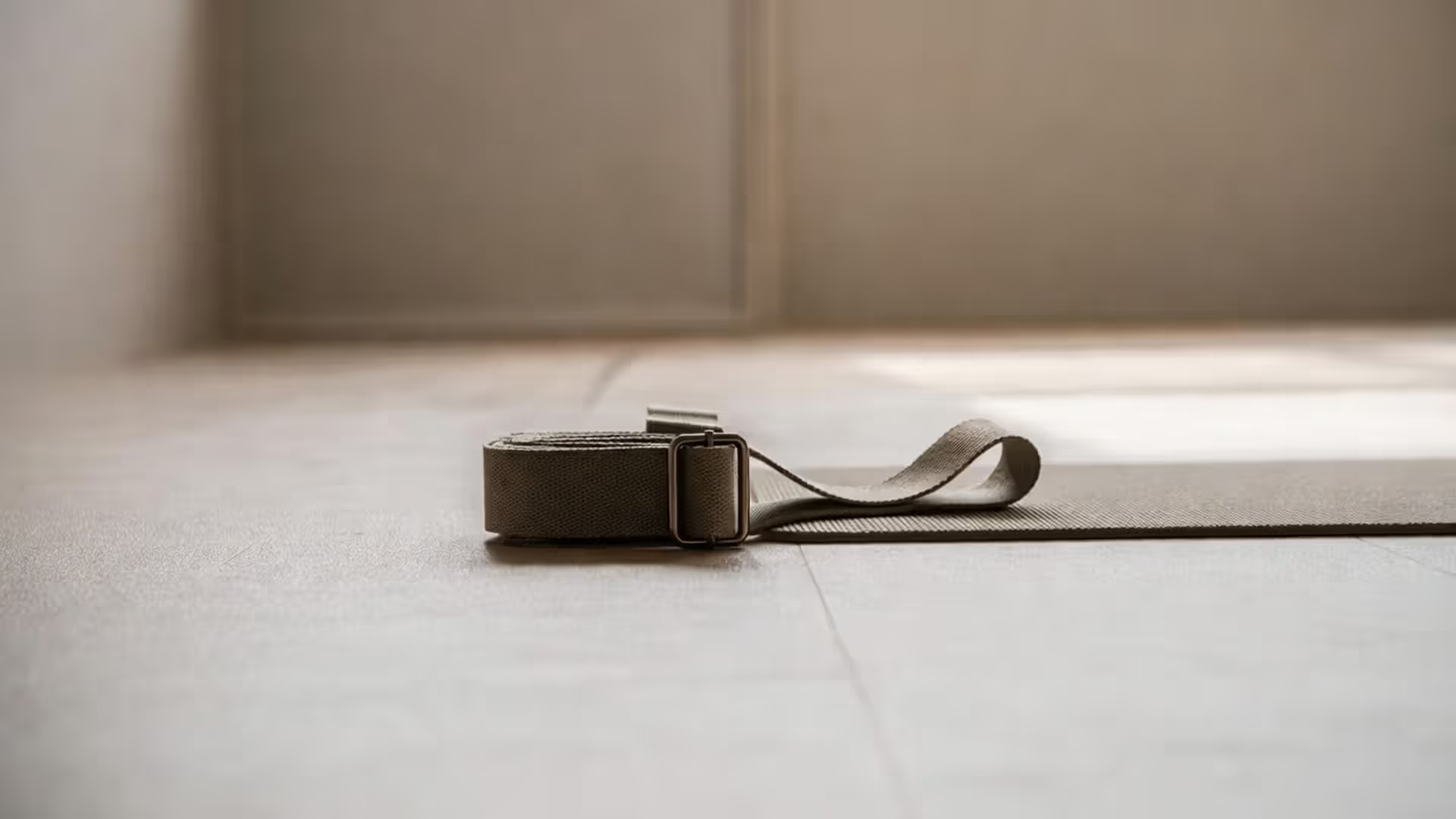
A yoga strap isn’t a “beginner crutch.” It’s a precision prop for safer stretching, better alignment, and smarter pose access. Learn strap techniques for hamstrings, hips, shoulders, quads, and calves—plus advanced modifications (Dancer, King Pigeon, inversions), rehab uses, and common mistakes to avoid.
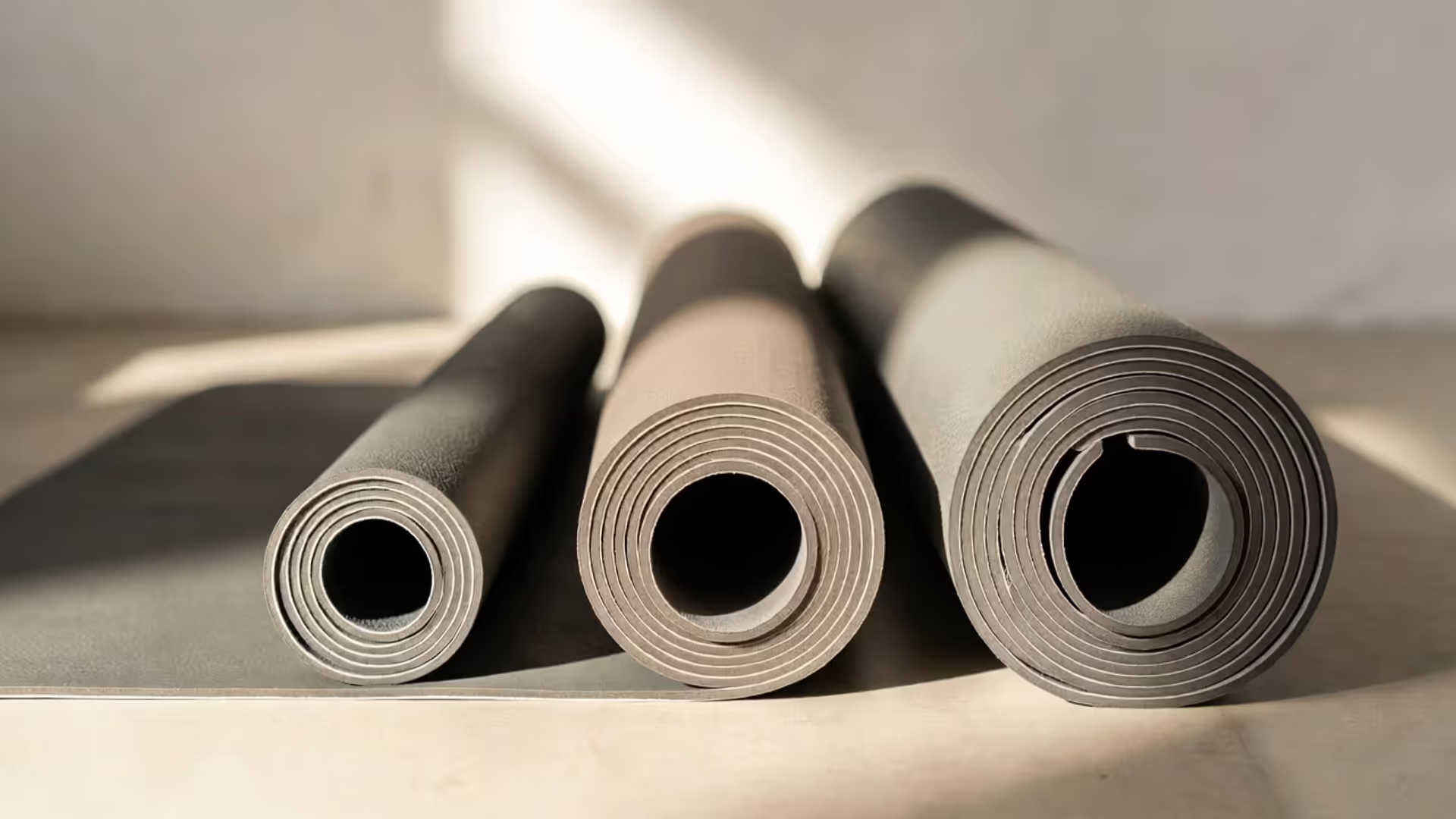
Confused about 3mm vs 6mm yoga mats? This guide explains how thickness affects joint protection, balance and proprioception, portability, and grip. Learn which thickness fits vinyasa, yin, hot yoga, and beginners, how materials change “feel,” and the most common buying mistakes to avoid.
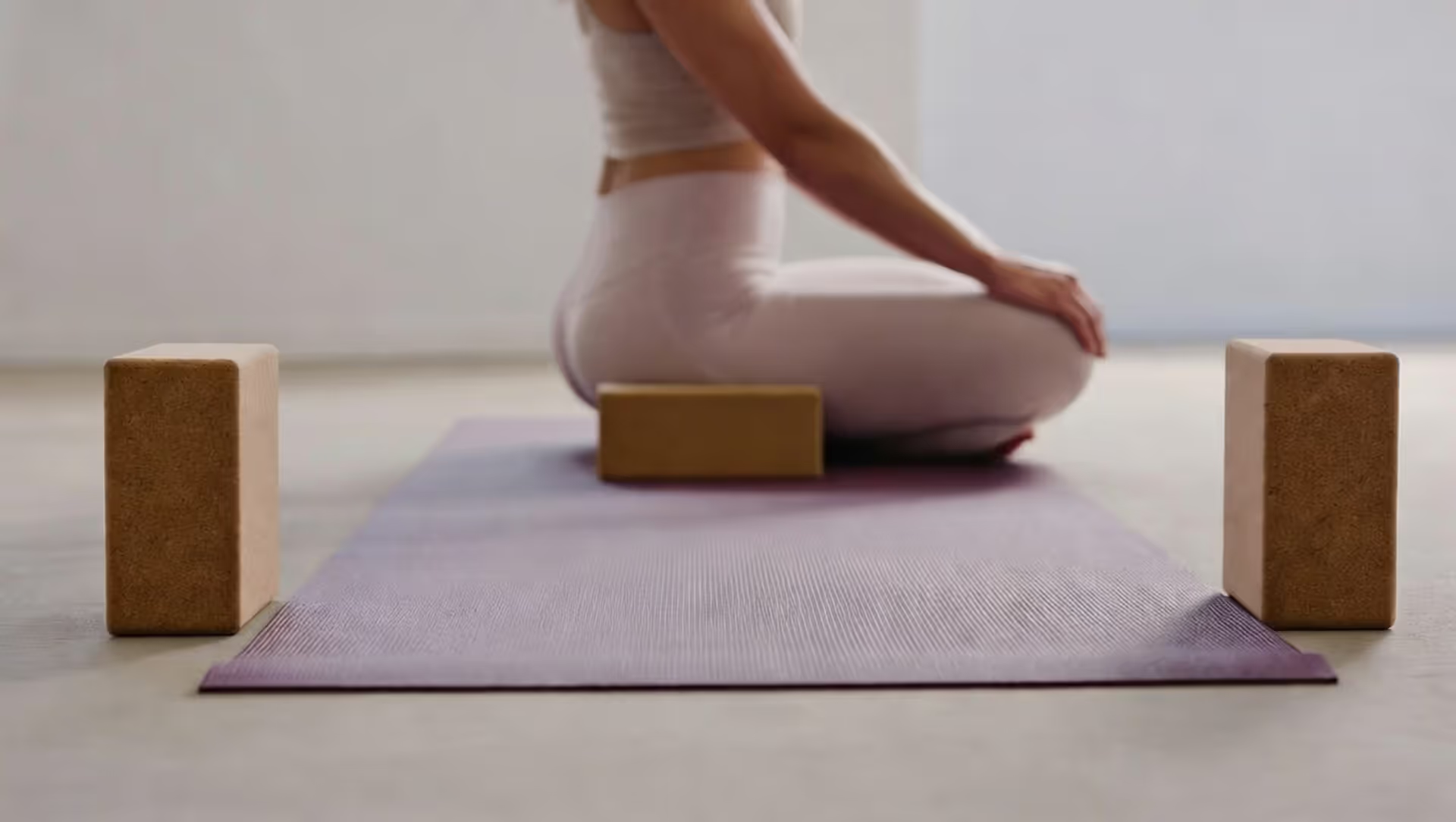
Yoga blocks aren’t “cheating”—they’re alignment tools that help you progress safely. Discover evidence-based benefits, correct block placement for standing, seated, and restorative poses, the biggest mistakes to avoid, and how to choose the right block material, size, and density for your practice.
Confused about workout shoes vs running shoes? Learn the real design differences—cushioning, heel drop, flexibility, and lateral stability—plus when each fails, how to match shoes to CrossFit, lifting, or cardio, and when to replace them to reduce injury risk.
The content on this website is provided for general informational and educational purposes related to health, yoga, fitness, and overall wellness. It is not intended to replace professional medical advice, diagnosis, or treatment.
All information, workout suggestions, yoga practices, nutrition tips, and wellness guidance shared on this site are for general reference only. Individual health conditions, fitness levels, and medical needs vary, and results may differ from person to person. Always consult a qualified healthcare provider before starting any new exercise program, dietary plan, or wellness routine.
We are not responsible for any errors or omissions, or for any outcomes resulting from the use of information presented on this website. Your health and fitness decisions should always be made in consultation with appropriate medical and fitness professionals.