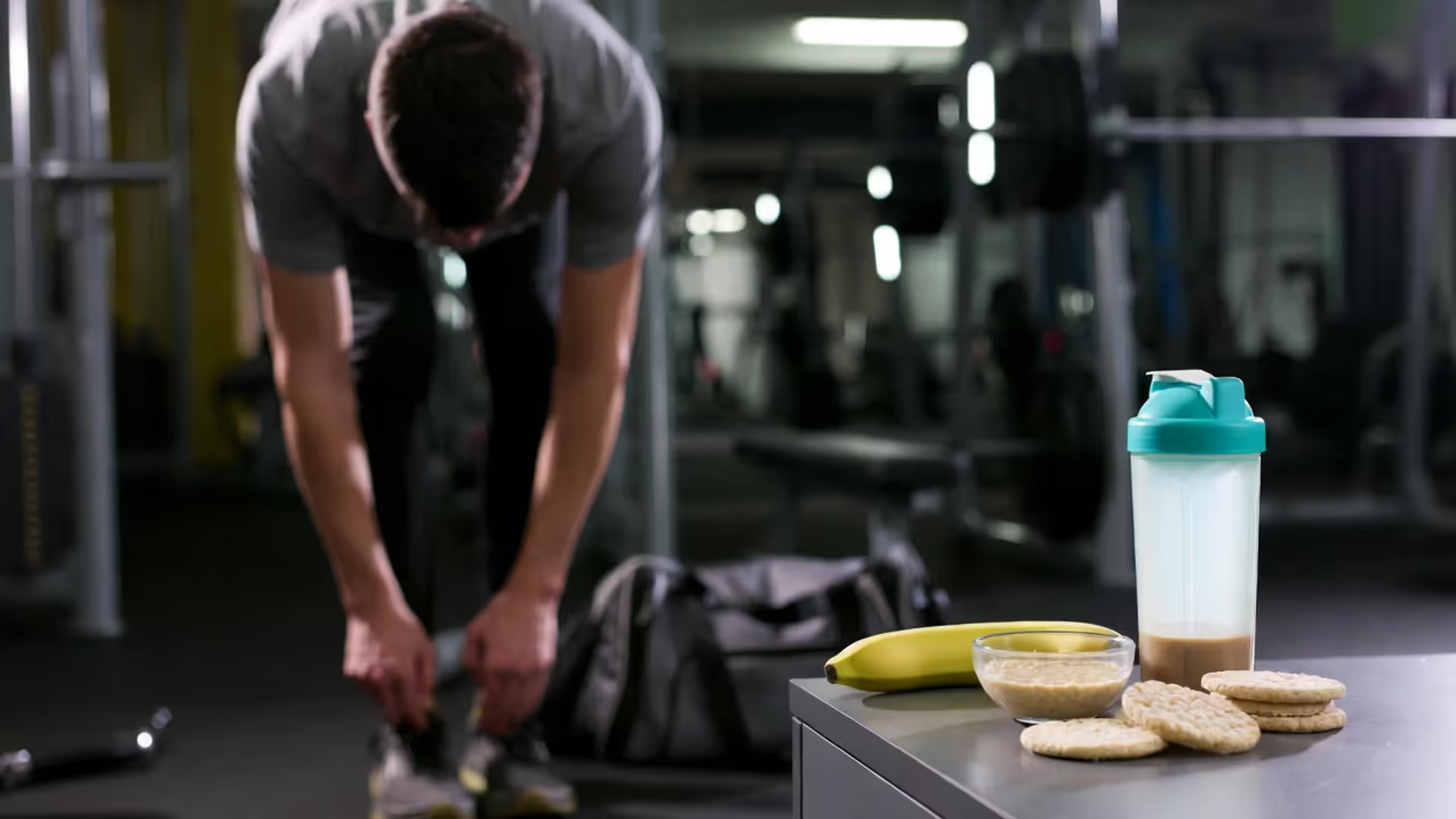
You've felt it before: halfway through your workout, your energy tanks. Your legs feel heavy, your focus drifts, and those last few reps become impossible. The culprit? What you ate—or didn't eat—before you started training.
Pre workout nutrition isn't about following rigid rules or choking down chalky supplements. It's about understanding how your body uses fuel during exercise and making strategic choices that match your goals, schedule, and workout intensity. Get it right, and you'll notice the difference in your first set.
Why What You Eat Before Exercise Actually Matters
Your muscles store carbohydrates as glycogen, which serves as their primary fuel source during moderate to high-intensity exercise. When you start a workout with depleted glycogen stores, your body struggles to maintain intensity. Performance drops, fatigue sets in earlier, and you can't push as hard as you otherwise could.
Think of glycogen as your workout bank account. Endurance activities and high-intensity training drain this account quickly. If you show up with insufficient funds, your body starts breaking down muscle protein for energy—exactly what you're trying to avoid.
The energy systems your body uses depend on workout intensity. For quick, explosive movements like sprinting or heavy lifting, your body relies on phosphocreatine and glycogen. For longer, steady-state cardio, it shifts toward using both glycogen and fat stores. But here's the catch: even when burning fat, your body still needs some glycogen present to do it efficiently.
Proper fueling workouts correctly also affects your mental performance. Your brain runs on glucose, and when blood sugar drops during exercise, concentration and coordination suffer. That's why athletes who skip pre workout meals often report difficulty maintaining proper form or staying motivated through tough sets.
Beyond immediate performance, what you eat before training influences your recovery. Starting a workout in a fed state means your body spends less time in a catabolic (breakdown) state and can shift toward repair and growth more quickly afterward.
Author: Caleb Foster;
Source: thelifelongadventures.com
The Best Foods to Eat Before Your Workout
Not all foods work equally well before exercise. Your pre workout meal should prioritize easy-to-digest options that provide quick energy without causing digestive distress mid-set.
High-Quality Carbs That Fuel Exercise
Carbs before exercise are non-negotiable for most training sessions. They're your body's preferred fuel source and the most efficient way to maintain workout intensity.
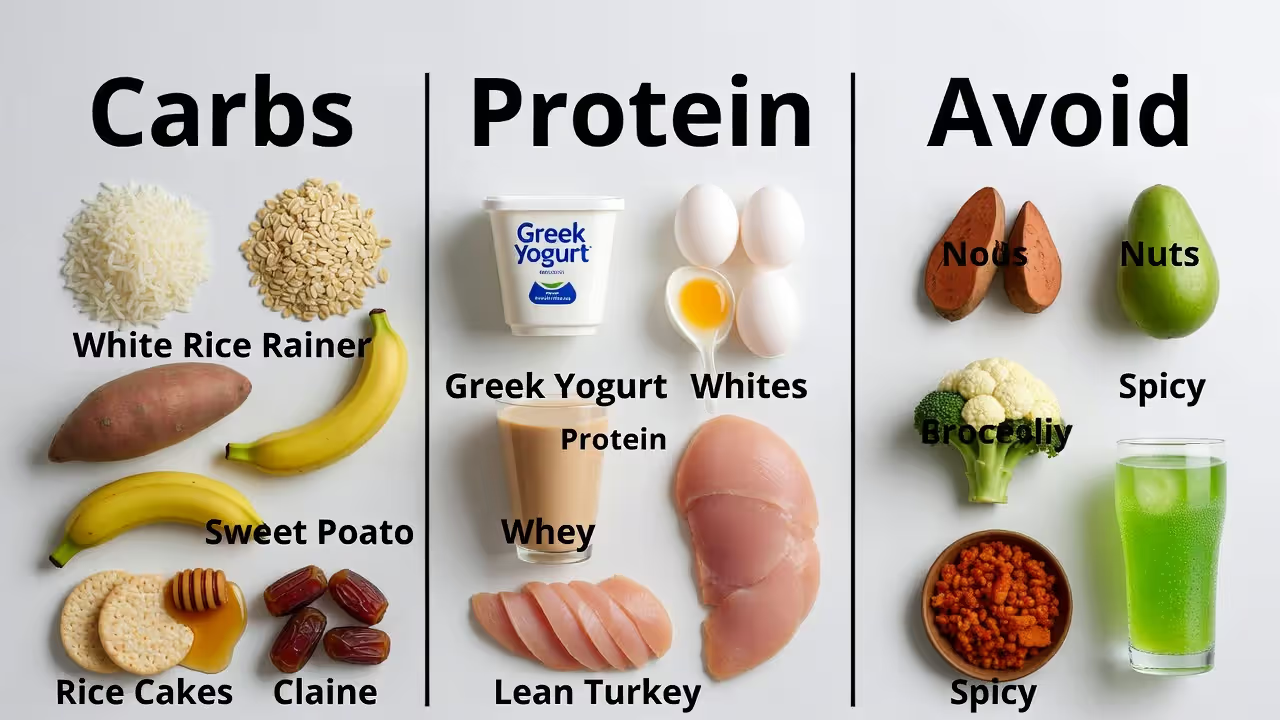
White rice digests quickly and rarely causes stomach issues, making it ideal 1-2 hours before training. Pair it with a small amount of protein, and you've got a reliable pre workout meal that won't weigh you down.
Oatmeal provides sustained energy for longer workouts. Steel-cut oats take longer to digest than instant varieties, so adjust your timing accordingly. Add a banana for quick-acting sugars that hit your bloodstream right when you need them.
Sweet potatoes offer complex carbohydrates with enough fiber to provide steady energy without causing blood sugar crashes. Bake a batch at the start of the week and you've got ready-made workout energy foods.
Bananas are the ultimate convenience option. They're portable, easy to digest, and contain both quick and moderate-release carbohydrates. The potassium doesn't hurt either, especially for preventing cramps during intense sessions.
Rice cakes with honey or jam work perfectly when you need something 30-45 minutes before training. They're essentially pure carbohydrate with minimal fiber, which means fast digestion and quick energy.
Dried fruit like dates, raisins, or apricots pack concentrated carbohydrates in a small package. Three or four dates 20 minutes before your workout provide an immediate glucose boost without requiring much digestion.
Protein Sources That Support Performance
Protein before workouts serves multiple purposes. It provides amino acids that reduce muscle breakdown during training and sets the stage for better recovery afterward. The key is choosing sources that won't sit heavy in your stomach.
Greek yogurt combines protein with some carbohydrates, and its liquid consistency means faster digestion than solid foods. A small cup 60-90 minutes before training works well for most people.
Egg whites digest more quickly than whole eggs because they contain virtually no fat. Two or three scrambled egg whites with toast provide protein and carbs without the digestive load of fattier options.
Protein powder mixed with water or a low-fat milk alternative offers the fastest-digesting protein option. Whey protein, in particular, hits your bloodstream within 30-45 minutes, making it useful for tight pre workout windows.
Lean turkey or chicken breast (2-3 ounces) paired with rice or bread provides complete protein without excessive fat. Save this combination for meals eaten 2-3 hours before training when you have more time to digest.
Performance doesn’t start in the gym — it starts at the table. What you eat before you train determines how hard you can push and how well you recover.
— Nancy Clark
Foods to Avoid Before Training
High-fat foods slow digestion significantly. That avocado toast or handful of nuts might be healthy, but fat takes 3-4 hours to clear your stomach. Eating fatty foods too close to training leaves you feeling sluggish and can cause cramping.
High-fiber vegetables like broccoli, cauliflower, and Brussels sprouts cause gas and bloating during exercise. Save the big salad for after your workout.
Spicy foods increase the risk of heartburn and acid reflux, especially during exercises that involve lying down or inverting your body. Nobody wants to taste their pre workout meal during burpees.
Carbonated beverages create unnecessary bloating. Even zero-calorie sparkling water can make your stomach feel distended during training.
Anything you've never tried before doesn't belong in your pre workout nutrition plan. Experiment with new foods on rest days, not before important training sessions.
How Timing Changes Everything: When to Eat Before You Train
Author: Caleb Foster;
Source: thelifelongadventures.com
The timing of what to eat before workout matters as much as the food itself. Your digestive system needs different amounts of time to process different meal sizes, and matching your eating window to your meal composition prevents both energy crashes and stomach discomfort.
The 3–4 Hour Window: Full Meals
This timeframe allows for complete digestion of a substantial meal containing all three macronutrients. You can include moderate amounts of fat and fiber without worrying about digestive issues during your workout.
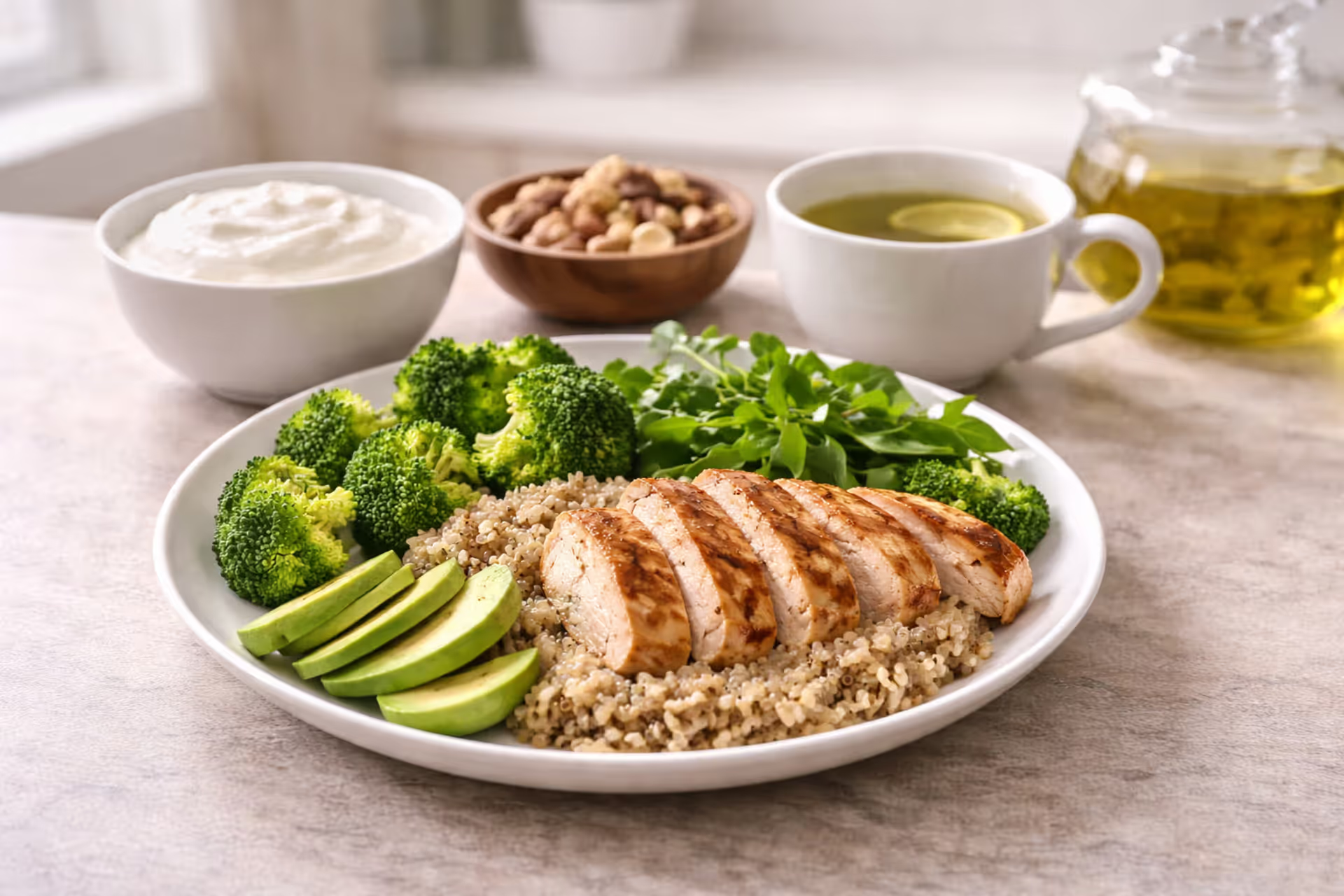
A balanced meal might include 4-6 ounces of grilled chicken, 1-2 cups of white rice, and a small serving of cooked vegetables. This combination provides sustained energy throughout your workout while giving your digestive system plenty of time to process everything.
Another option: a turkey sandwich on whole grain bread with a piece of fruit and a small handful of pretzels. The protein supports muscle function, the bread and fruit provide carbohydrates, and the pretzels add easily digestible carbs plus sodium to support hydration.
For morning trainers who wake up early, a full breakfast of scrambled eggs, oatmeal with berries, and a slice of toast eaten 3-4 hours before training sets you up perfectly. This requires waking up earlier, but the performance benefits often justify the lost sleep for serious athletes.
The 30–60 Minute Window: Quick Fuel
When you're short on time, your pre workout meal timing shifts toward simple, fast-digesting carbohydrates with minimal protein and virtually no fat or fiber.
A banana with a tablespoon of honey provides 40-50 grams of quick-acting carbohydrates that hit your bloodstream within 20-30 minutes. This combination works especially well before high-intensity interval training or heavy lifting sessions.
Two rice cakes with jam offer similar benefits in a less portable package. The refined carbohydrates digest almost immediately, providing glucose right when your workout begins.
A small smoothie made with a banana, a scoop of protein powder, and water (no milk, no nut butter) digests faster than whole foods while still providing both carbs and protein. Keep the total volume under 12 ounces to avoid sloshing.
For some people, even 30-60 minutes isn't enough time to digest solid food comfortably. In these cases, a sports drink or diluted fruit juice (4-6 ounces) provides carbohydrates in liquid form that requires zero digestion time.
Time Before Workout
Meal Size
Best Food Types
Example Meals
3–4 hours
Full meal (400-600 calories)
Balanced carbs, protein, moderate fat
Chicken breast with rice and vegetables; turkey sandwich with fruit and pretzels
2–3 hours
Moderate meal (300-400 calories)
Higher carbs, moderate protein, low fat
Oatmeal with banana and Greek yogurt; pasta with lean ground turkey
1–2 hours
Small meal (200-300 calories)
Mostly carbs, small protein, minimal fat
Toast with honey and egg whites; rice cakes with turkey slices
30–60 minutes
Light snack (100-200 calories)
Simple carbs, optional small protein
Banana with honey; sports drink and rice cakes; dates
<30 minutes
Minimal/liquid only (50-100 calories)
Fast-acting carbs only
Fruit juice; sports drink; single banana
Pre Workout Meal Ideas by Exercise Type
Author: Caleb Foster;
Source: thelifelongadventures.com
Different workouts demand different fueling strategies. A marathon training run depletes glycogen differently than a 45-minute strength session, and your pre workout nutrition should reflect those differences.
Strength Training and Powerlifting
Heavy lifting relies primarily on phosphocreatine and glycogen for fuel. Since sets are relatively short with rest periods between, you don't need massive amounts of carbohydrates, but you do need enough to maintain intensity across multiple sets.
Two hours before: White rice (1 cup cooked) with grilled chicken (4 oz) and a small amount of teriyaki sauce for flavor and extra carbs.
One hour before: Two slices of white toast with honey and a small protein shake.
Thirty minutes before: A banana and 3-4 dates if you're training fasted and need quick energy.
Cardio and Endurance Training
Longer cardio sessions deplete glycogen stores more completely than strength training. For runs, rides, or swims lasting over 60 minutes, you need more total carbohydrates and should prioritize easily digestible options.
Three hours before a long run: Oatmeal (1 cup cooked) with banana, raisins, and a drizzle of maple syrup, plus a slice of toast with jam.
One hour before: A bagel with a thin layer of peanut butter (emphasis on thin—too much fat causes cramping).
Thirty minutes before: Sports drink or banana, especially for early morning sessions when you can't eat a full meal beforehand.
HIIT and CrossFit-Style Training
High-intensity interval training combines the glycogen demands of strength work with the sustained energy needs of cardio. You'll burn through fuel quickly, so adequate carbohydrate intake is crucial.
Two hours before: Sweet potato (medium) with a small chicken breast and a piece of fruit.
One hour before: Rice cakes (3-4) with honey and a small protein shake.
Thirty minutes before: Banana with honey or a small sports drink. HIIT creates more stomach jostling than steady-state cardio, so keep pre workout meals light if timing is tight.
Yoga and Lower-Intensity Training
Gentler workouts don't deplete glycogen as aggressively, so your pre workout nutrition can be more flexible. Focus on comfort and avoiding hunger rather than maximizing glycogen stores.
One to two hours before: A small smoothie with fruit, yogurt, and a handful of spinach.
Thirty to sixty minutes before: A piece of fruit or a small handful of trail mix (go easy on the nuts).
For early morning yoga, many people prefer training completely fasted. If you do eat, keep it very light—half a banana or a few sips of juice.
The 5 Most Common Pre Workout Nutrition Mistakes
Author: Caleb Foster;
Source: thelifelongadventures.com
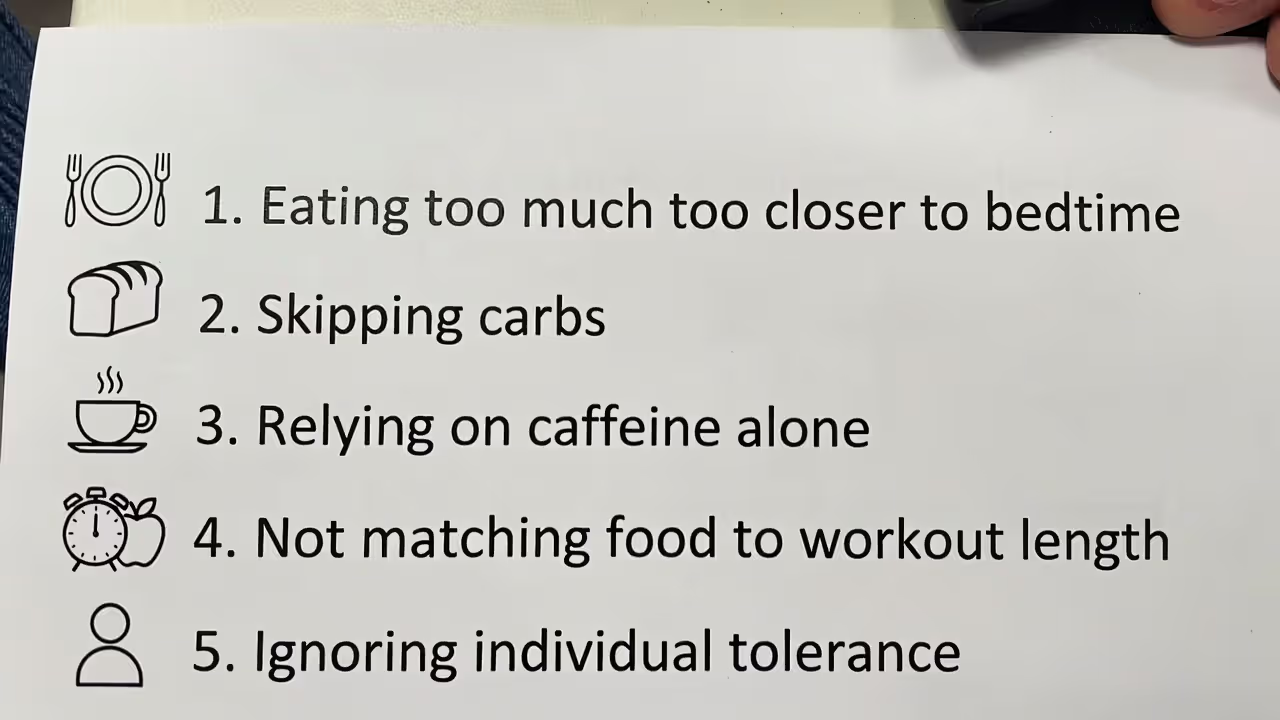
1. Eating Too Much, Too Close to Training
Showing up to the gym with a full stomach tanks performance. Blood flow diverts to your digestive system instead of your working muscles, and you feel sluggish and uncomfortable. The fix: if you're eating within 90 minutes of training, keep portions small and stick to easily digestible carbohydrates. Save larger meals for the 2-4 hour window.
2. Skipping Carbs Because of Diet Trends
Low-carb and keto diets have their place, but immediately before high-intensity training isn't it. Your body can't efficiently fuel hard efforts without glucose. Even if you follow a low-carb diet generally, strategic carb timing around workouts improves performance without derailing your overall approach. Fueling workouts correctly sometimes means making exceptions to your usual eating pattern.
3. Relying Only on Caffeine
Pre workout supplements loaded with caffeine provide a stimulant boost but no actual fuel. Caffeine can enhance performance, but it doesn't replace the energy your muscles need from carbohydrates. If you use caffeine, combine it with actual food rather than using it as a meal replacement.
4. Eating the Same Thing Regardless of Workout Length
A 30-minute lifting session and a 90-minute run have vastly different energy demands. Eating a massive meal before a short workout wastes calories and causes discomfort, while eating too little before a long session guarantees you'll run out of gas. Match your portion sizes and carbohydrate amounts to your workout duration and intensity.
5. Ignoring Individual Tolerance
Your training partner might crush workouts after eating a full meal, while you need 3 hours to digest anything substantial. Some people handle dairy perfectly before exercise; others experience immediate stomach distress. Pay attention to your own responses rather than blindly following general guidelines. Keep a simple log for a week or two, noting what you ate, when, and how you felt during training.
Frequently Asked Questions About Pre Workout Eating
Should I eat before an early morning workout?
It depends on workout intensity and duration. For short sessions (under 45 minutes) or lower-intensity cardio, training fasted works fine for many people. Your body has enough stored glycogen from the previous day to fuel these workouts. For longer or more intense sessions, eating something small—even just a banana or a few dates—prevents energy crashes and improves performance. If you train first thing and can't stomach solid food, try a small sports drink or diluted juice 15-20 minutes before starting.
How many carbs do I actually need before exercise?
A general guideline: 0.5-1 gram of carbohydrate per kilogram of body weight 1-2 hours before training. For a 150-pound (68 kg) person, that's roughly 35-70 grams of carbs—equivalent to a large banana and a cup of oatmeal, or two slices of toast with jam. Longer or more intense workouts justify the higher end of this range. For quick snacks eaten 30 minutes before training, aim for 15-30 grams of fast-acting carbs.
Can I work out on an empty stomach and still see results?
Yes, but with caveats. Fasted training works best for shorter, lower-intensity sessions. You'll still build muscle and improve fitness, but you probably won't perform at your absolute peak. Some research suggests fasted cardio might increase fat oxidation during the workout itself, but this doesn't necessarily translate to more fat loss overall. If fasted training fits your schedule and you feel good doing it, it's fine. If it leaves you dragging through workouts, eat something small beforehand.
What's the best pre workout snack if I only have 20 minutes?
Stick to simple carbohydrates that require minimal digestion: a banana, 2-3 dates, a small handful of gummy bears (yes, really), or 4-6 ounces of a sports drink. Avoid protein, fat, and fiber at this timing—they take too long to digest and can cause stomach discomfort. The goal is getting glucose into your bloodstream quickly, not creating a balanced meal.
Do I need protein before a workout or just after?
Both help, but post-workout protein is more critical. That said, including 15-20 grams of protein in pre workout meals eaten 2-3 hours before training provides amino acids that reduce muscle breakdown during exercise and jumpstart recovery. For meals eaten closer to training (within 60 minutes), prioritize carbohydrates and add protein only if your stomach handles it well. A small amount of fast-digesting protein like whey can work, but skip it if it causes any digestive issues.
How does pre workout nutrition change for weight loss goals?
The fundamentals don't change—you still need adequate fuel to perform well and preserve muscle mass. However, you might reduce portion sizes slightly or choose lower-calorie options. Instead of a large sweet potato with chicken, try a medium one. Instead of a bagel with peanut butter, have a banana with a small protein shake. The key is finding the minimum amount of food that supports good performance while staying within your calorie targets. Cutting pre workout nutrition too aggressively leads to poor workouts, which ultimately slows progress toward your goals.
Building an effective pre workout nutrition strategy doesn't require perfection. Start by identifying your typical workout schedule and planning backward from there. If you train at 6 PM after work, a substantial lunch at 2-3 PM plus a small snack at 5 PM sets you up well. If you're a morning trainer, experiment with different wake-up times and meal sizes to find what works.
Keep a rotation of 3-4 reliable pre workout meals that you know digest well and provide good energy. This eliminates decision fatigue and ensures you're never scrambling to figure out what to eat before training.
Remember that consistency matters more than optimization. A decent pre workout meal eaten regularly beats a "perfect" meal you only manage occasionally. Your body adapts to patterns, so establishing reliable habits produces better results than constantly changing your approach.
The difference between training well-fueled and running on empty becomes obvious within a few workouts. More energy, better focus, stronger lifts, and faster runs—these aren't subtle improvements. Give your body the fuel it needs, time that fuel appropriately, and watch your training quality improve.
Your arms haven't grown in three months — and the problem isn't your workout split, it's what you ate last Tuesday when you skipped lunch. This guide covers calorie surplus calculations for beginners through advanced lifters, optimal protein intake and distribution across meals, why carbs matter more than you think, meal timing realities vs. bro-science myths, recovery nutrition strategies, supple
Your legs can be trained to perfection, but underfuel them and you're driving cross-country on a quarter tank. This guide covers daily carb requirements by training phase from recovery to peak, workout timing protocols, sweat rate testing and electrolyte thresholds, an 8-week race nutrition practice plan, carb-loading strategy for race week, and the common fueling mistakes that sabotage months of
Your basal metabolic rate burns 65-75% of daily calories — yet most people obsess over the wrong bucket. This guide covers how three calorie-burn systems actually work, 15 foods with documented thermogenic effects and exact calorie-burn increases per serving, seven metabolism myths costing you money, a practical daily eating framework maximizing thermic effect, and why sleep and strength training
Most people die too young while living too long — years marked by declining function and preventable disease. This guide covers how macronutrients trigger cellular aging pathways, five eating patterns linked to extended lifespan, Blue Zone dietary commonalities, seven metabolic biomarkers to track with optimal ranges, exercise types that maximize longevity from Zone 2 to VO2 max intervals, and a 4
The content on this website is provided for general informational and educational purposes related to health, yoga, fitness, and overall wellness. It is not intended to replace professional medical advice, diagnosis, or treatment.
All information, workout suggestions, yoga practices, nutrition tips, and wellness guidance shared on this site are for general reference only. Individual health conditions, fitness levels, and medical needs vary, and results may differ from person to person. Always consult a qualified healthcare provider before starting any new exercise program, dietary plan, or wellness routine.
We are not responsible for any errors or omissions, or for any outcomes resulting from the use of information presented on this website. Your health and fitness decisions should always be made in consultation with appropriate medical and fitness professionals.