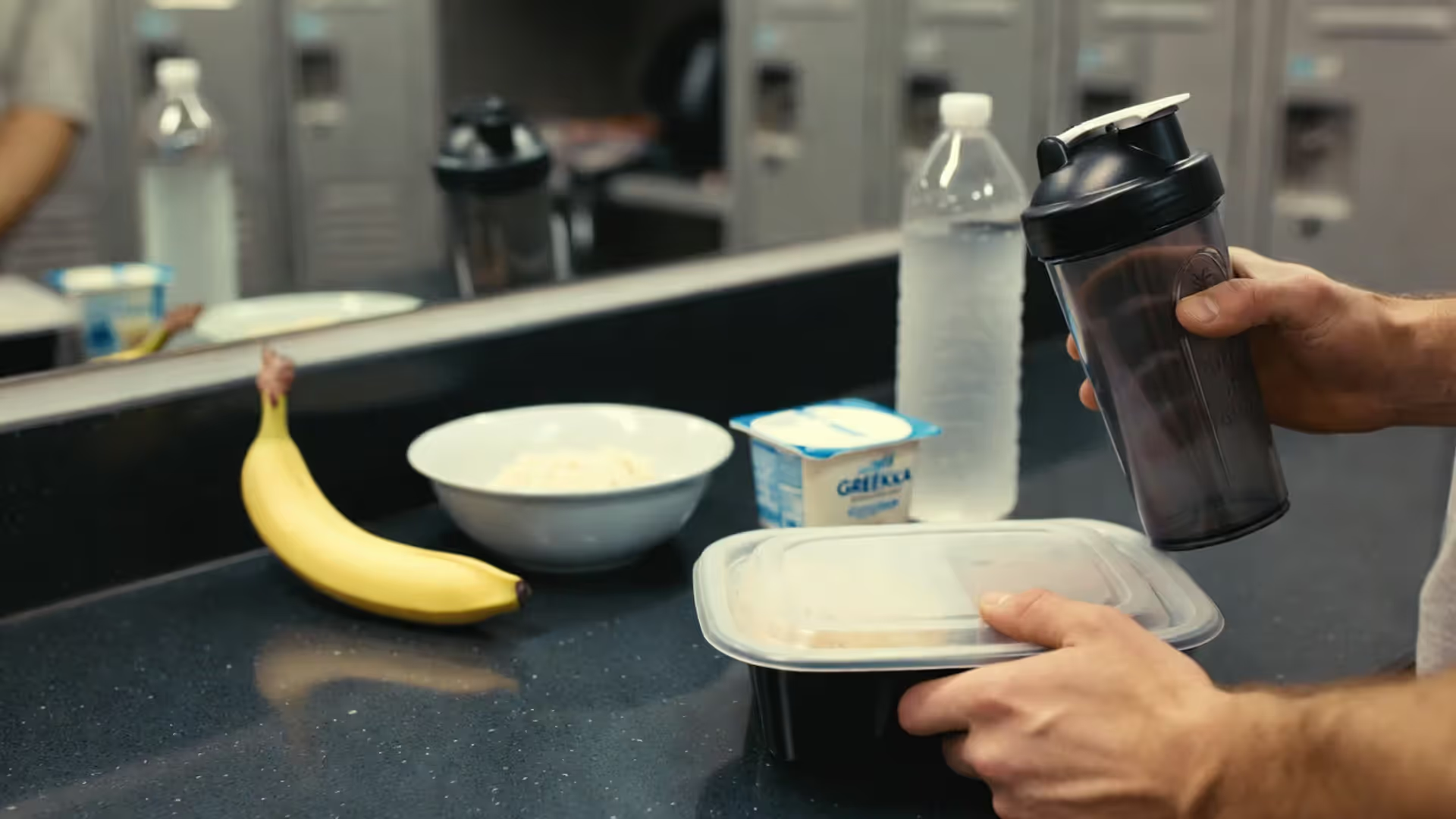
Your muscles are depleted, your heart rate is dropping, and you're debating whether to grab that protein shake or wait until you get home for a proper meal. What you choose in the next few hours will directly impact how well your body recovers, how much muscle you build, and whether your next workout feels strong or sluggish.
The confusion around post-workout eating makes sense when you hear conflicting advice everywhere. One trainer insists you need protein within 30 minutes or you've wasted your workout. Your gym buddy claims he eats whenever and still makes gains. Meanwhile, someone's selling you a $60 supplement promising miraculous recovery.
Here's what actually works, backed by current research and practical application.
Why What You Eat After Exercise Actually Matters
Finish your last set or your final sprint, and your body shifts into a distinct physiological state. Muscle glycogen—stored carbohydrate in your muscle tissue—sits anywhere from somewhat depleted to nearly empty, depending on how hard and how long you trained. Your muscle fibers show microscopic damage from the stress you applied. Most importantly, your muscle cells become unusually receptive to absorbing nutrients, almost like they've opened up extra doors.
This metabolic shift creates opportunity. Muscle protein synthesis—your body building new muscle proteins—increases after resistance training and continues elevated for 24-48 hours in trained lifters, sometimes up to 72 hours if you're new to training. But here's the catch: without proper nutrition, your body may actually cannibalize existing muscle tissue to fund the recovery process.
Recovery nutrition science confirms that eating after training accomplishes three specific outcomes: it halts the breakdown of muscle protein, kicks off the synthesis of new muscle protein, and refills glycogen stores so you're not dragging through your next session. Skip this entirely? You won't completely derail your progress, but you're definitely compromising results you've already worked hard to earn.
Consider it this way: your workout just told your body it needs to adapt and improve. Post-workout nutrition hands over the construction materials to make that happen. Without materials, the project stalls out.
Author: Logan Brooks;
Source: thelifelongadventures.com
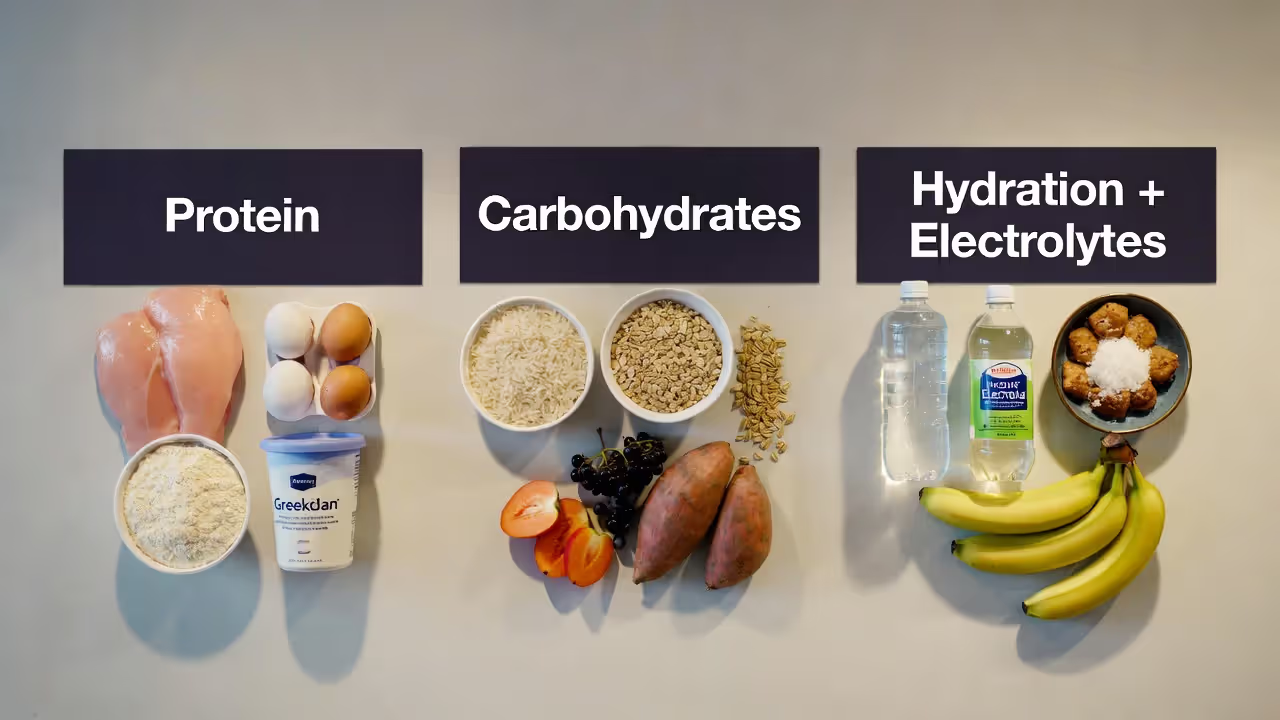
The Three Critical Nutrients Your Body Needs Post-Workout
Protein for Muscle Repair
Protein delivers amino acids—the fundamental building blocks your body assembles into muscle tissue. When you lift weights or push through challenging exercise, you create tiny tears throughout muscle fibers. Your body patches these tears by building new muscle proteins, which makes the tissue more resilient and typically larger.
Studies consistently demonstrate that 20-40 grams of quality protein after training maximizes muscle protein synthesis for most people. Where you fall in that range depends on body size and workout intensity—someone who weighs 120 pounds doing moderate training needs considerably less than a 200-pound athlete finishing heavy squats.
But protein quality rivals quantity in importance. You want complete proteins that include all essential amino acids. Leucine, one specific amino acid, essentially acts as the ignition switch for muscle protein synthesis. You'll need approximately 2-3 grams of leucine to activate that mechanism, found in:
3-4 ounces of chicken, beef, or fish
2-3 whole eggs
1 scoop of most whey protein powders
1 cup of Greek yogurt
Plant-based proteins work too, though you'll typically need larger servings to reach the same leucine threshold. Mix different plant sources—think rice protein with pea protein—and you'll create an amino acid profile comparable to animal sources.
Recovery is where the results are built. Training is the stimulus — nutrition is the signal that tells your body to rebuild stronger.
— Brad Schoenfeld
Carbohydrates for Glycogen Replenishment
Carbohydrates catch unnecessary heat in fitness circles, yet they're absolutely essential for recovery following intense or lengthy workouts. Your muscles stockpile carbohydrates as glycogen, the fuel source for high-intensity work. One tough training session can drain 30-40% or more of these reserves.
Your muscles refill glycogen most efficiently during the first few hours after exercise, when insulin sensitivity peaks. Eating carbohydrates during this timeframe rapidly restores energy reserves, setting you up for strong performance next time.
How many carbs you need swings dramatically based on what you just did:
Easy 30-minute workout: Very few carbs necessary; prioritize protein instead
Standard 60-minute strength session: 30-60 grams of carbs
Brutal 90+ minute training or multiple daily sessions: 1-1.2 grams per kilogram bodyweight
For someone weighing 150 pounds doing serious training, that translates to roughly 70-80 grams of carbohydrates—picture a large sweet potato plus a banana, or a generous rice bowl.
Athletes who train twice daily or compete in endurance events need aggressive carb replacement. Someone doing moderate strength training three times weekly? You've got more flexibility without compromising recovery.
The Role of Fats and Hydration
Fats don't directly fuel immediate recovery like protein and carbs, but they don't sabotage it either. Earlier research hinted that dietary fat might delay nutrient absorption, though newer studies reveal minimal interference with muscle protein synthesis or glycogen storage at moderate intake levels.
The practical reality: don't avoid fats in your recovery meal, but don't prioritize them. If you're eating salmon, eggs, or nuts after training, that's perfectly fine. Just make sure you've covered your protein and carb requirements first.
Meanwhile, hydration gets overlooked far too often. You're shedding fluids and electrolytes through sweat, and even slight dehydration hampers recovery. Here's a practical guideline: consume 16-24 ounces of water for each pound you lost during your workout. Did you train for over an hour or sweat heavily? Add back electrolytes—sodium, potassium, magnesium—through food or specialized drinks.
Timing Your Post-Workout Meal: Does the 30-Minute Window Really Exist?
Author: Logan Brooks;
Source: thelifelongadventures.com
The "anabolic window"—that legendary 30-minute period when you supposedly must eat protein or waste everything you just did—has been simultaneously overblown and unfairly dismissed.
Here's the nuanced reality: timing does matter, just probably not how you've been taught.
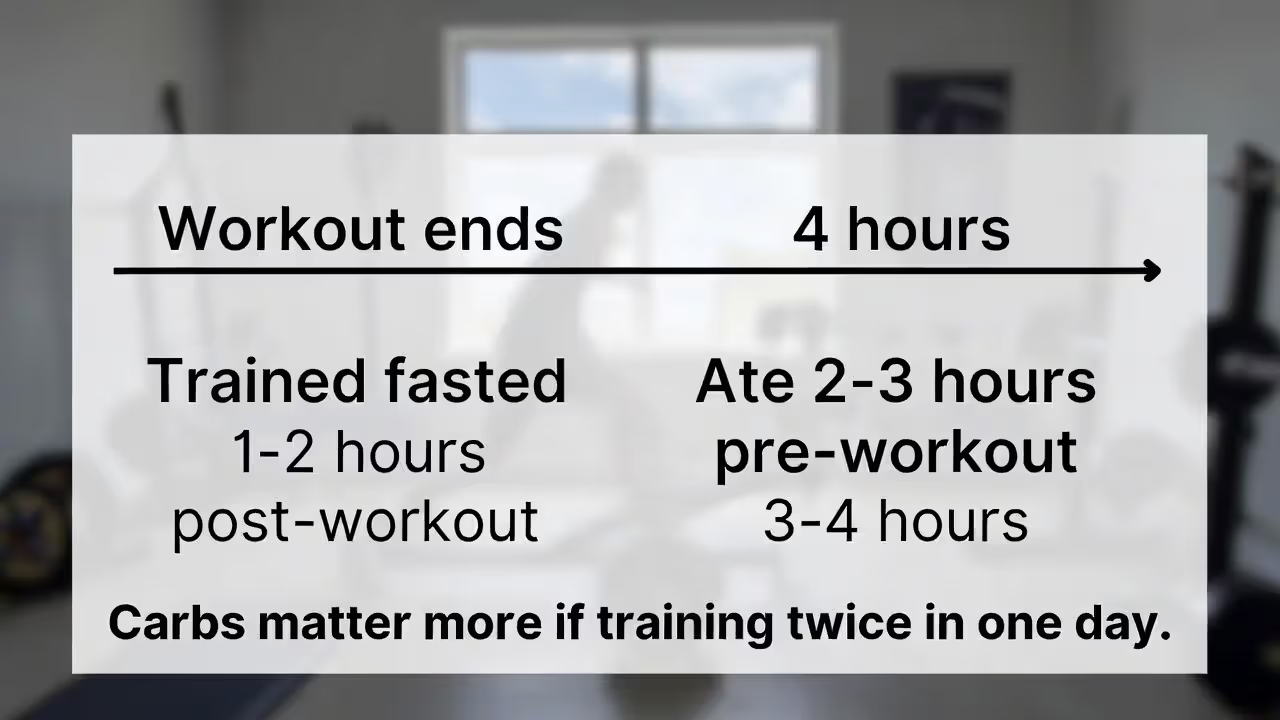
Train on an empty stomach or haven't eaten for 4-5 hours? Getting protein and carbs within an hour or two creates measurable improvement. Your body needs those nutrients now, and waiting several additional hours means extended muscle breakdown and postponed glycogen restoration.
But if you ate a solid meal 2-3 hours before training, you've bought yourself more time. Amino acids and glucose from that pre-workout meal are still circulating through your bloodstream and getting absorbed. The "window" effectively stretches to 3-4 hours post-workout in this scenario.
Studies comparing immediate post-workout feeding versus waiting 2-3 hours reveal minimal differences in muscle growth or strength gains when total daily protein intake stays adequate and you didn't train fasted. A 2013 meta-analysis discovered that the apparent benefits of precise post-workout meal timing largely vanished after researchers controlled for total daily protein consumption.
The practical approach: target eating within 2 hours of finishing training, sooner if you trained fasted or have another workout scheduled later today. Train twice daily or compete tomorrow? Tighten that window to 30-60 minutes. For most recreational lifters training once daily with solid overall nutrition, stressing about the exact 30-minute mark is wasted mental energy.
One exception deserves mention: glycogen replenishment happens significantly faster when you eat carbohydrates immediately. Training twice today or competing within 24 hours? Prioritize quick post-workout carbs.
Best Post-Workout Foods and Meal Combinations by Fitness Goal
Author: Logan Brooks;
Source: thelifelongadventures.com
Your ideal recovery meal shifts based on training goals, what type of workout you completed, and when you'll eat next.
Protein smoothie (protein powder, milk, banana, peanut butter, spinach)
30
42
Convenience, no appetite after training
4 minutes
Quick Options When You're Short on Time
Sometimes you need fuel immediately—rushing to work, getting kids from school, or your appetite just hasn't returned after brutal training.
Liquid nutrition shines in these situations because it's easier to consume when you're not hungry and digests rapidly. A quality protein shake with a banana handles your needs in under 5 minutes. Chocolate milk, surprisingly enough, delivers an excellent protein-to-carb ratio and costs a fraction of most supplements.
Protein bars have gotten substantially better over the past few years. Look for options delivering at least 20 grams of protein plus some carbohydrates. Add a piece of fruit, and you've built a complete recovery snack.
Pre-prepared options are lifesavers: grab rotisserie chicken from any grocery store, hard-boiled eggs you batch-cooked Sunday, or single-serve Greek yogurt cups. Stock these consistently so you're never scrambling without options.
Full Meal Ideas for Serious Recovery
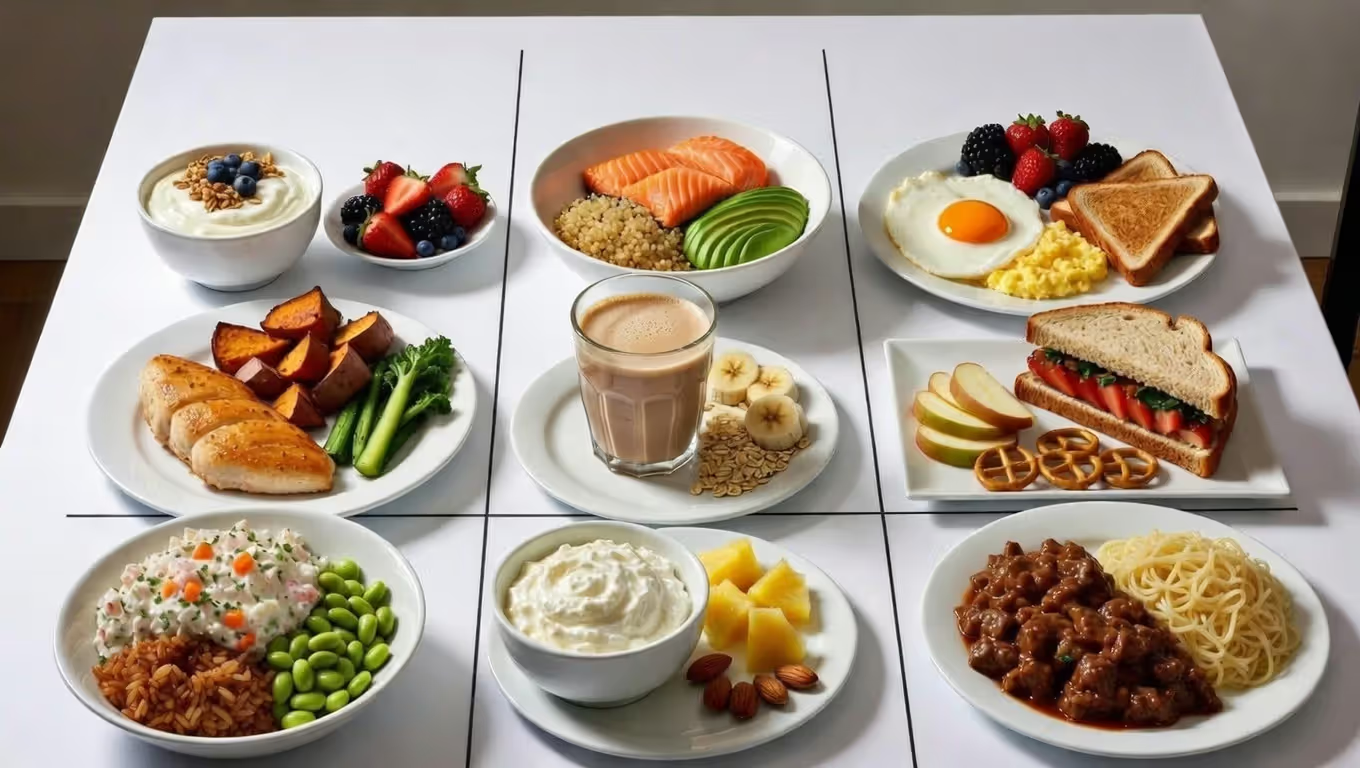
When you've got time for an actual meal—or your training was intense enough to demand substantial calories—focus on balanced plates.
Here's a simple template: one palm-sized protein portion, one to two fist-sized carb portions (adjust based on workout intensity), and vegetables. Include a small amount of healthy fat if your protein source didn't already provide it.
Breakfast-style recovery meals work exceptionally well: scrambled eggs with cheese, whole grain toast with nut butter, roasted potatoes, and fruit hits every target. The combination of whole eggs (complete protein plus healthy fats), starches (glycogen restoration), and fruit (fast-digesting carbs plus micronutrients) addresses every recovery need.
For lunch or dinner timing, grain bowls are your friend: rice or quinoa foundation, grilled protein, roasted vegetables, simple sauce. These meals adapt endlessly and work whether you're meal-prepping Sunday or cooking fresh.
Common Post-Workout Nutrition Mistakes That Slow Your Progress
Author: Logan Brooks;
Source: thelifelongadventures.com
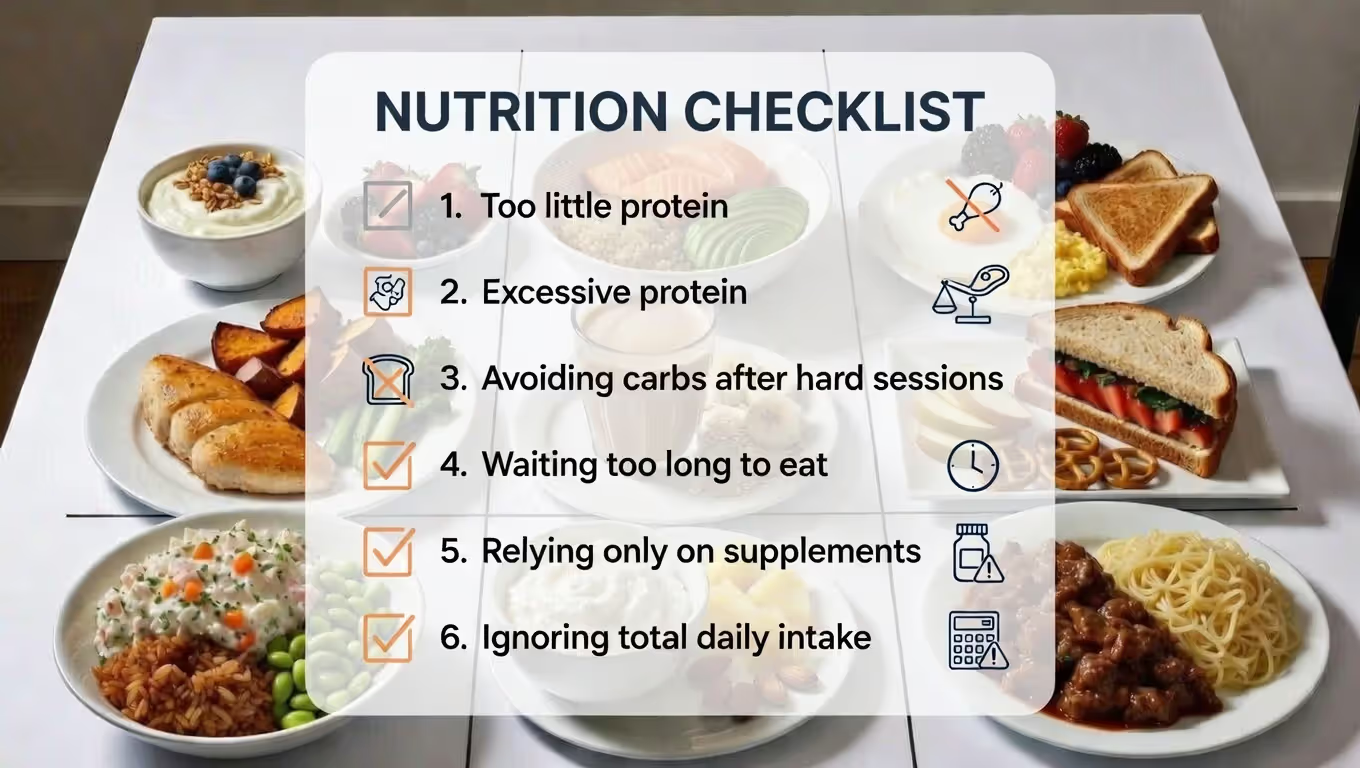
Consuming too little protein tops the list of frequent errors. Many people eat 10-15 grams and consider themselves covered. Unless you're quite small or completed minimal training, that won't cut it. Most people need at least 20 grams, while larger athletes or those finishing intense training benefit from 30-40 grams.
The flip side—consuming massive protein doses—just wastes money without additional benefit. Your body can only build muscle protein at a certain rate. Downing 60+ grams in one sitting doesn't double your results; it mainly creates expensive urine.
Avoiding carbohydrates after intense training is another common error, particularly among people focused on fat loss. Just finished hard leg work or a long run? Your glycogen stores are seriously depleted. Without carbs, you'll feel terrible during your next workout, likely underperform, and lose valuable training stimulus. Carbs themselves don't cause fat gain; consuming too many total calories does. Strategic post-workout carbs support both performance and recovery.
Timing matters more than people acknowledge—not because some magical 30-minute window exists, but because delaying too long often results in eating too little overall. When you push your post-workout meal back 4-5 hours, you compress your eating window, making it harder to hit daily protein and calorie requirements.
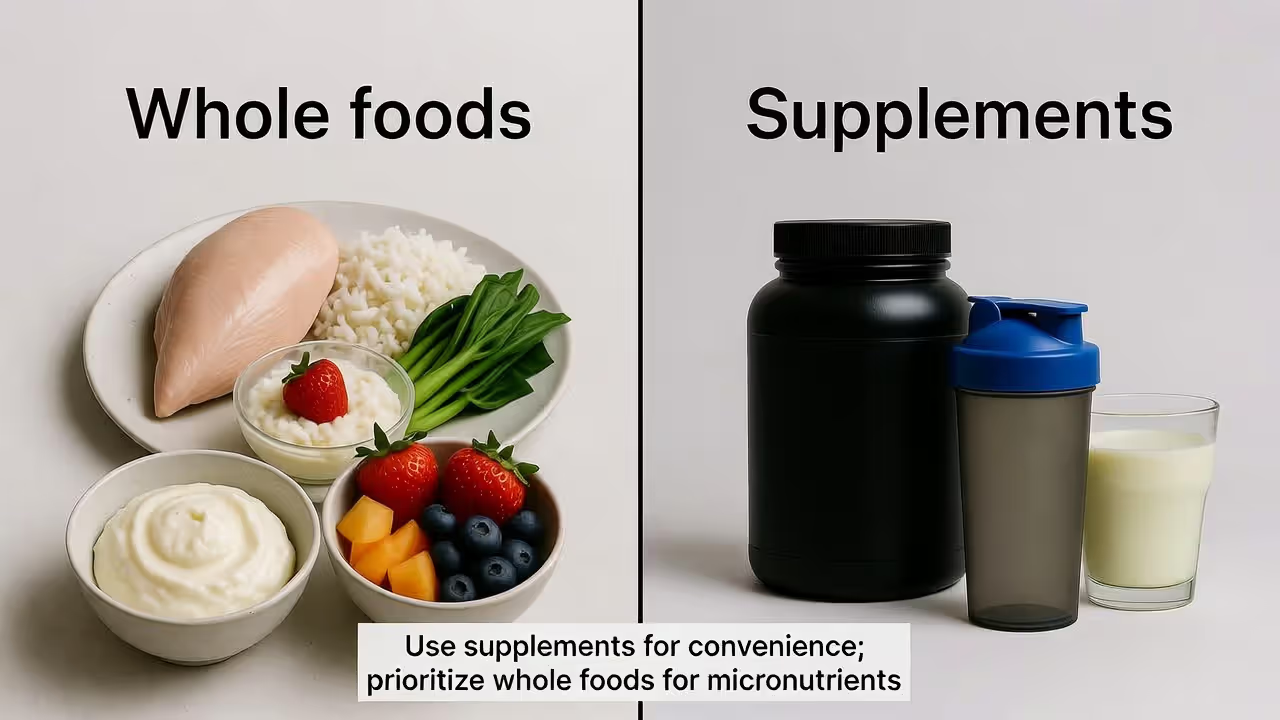
Depending exclusively on supplements while dismissing whole foods creates nutritional gaps. Protein powder offers convenience, yet it doesn't deliver the vitamins, minerals, and other beneficial compounds found in whole foods. Supplements should supplement actual food, not replace it entirely.
The biggest mistake? Obsessing over post-workout nutrition while ignoring your total daily intake. Your recovery meal matters, sure, but it's one piece of a larger nutritional puzzle. Nail your post-workout nutrition but only consume 60 grams of protein daily when you need 150? You won't progress. The hierarchy runs: total daily calories and protein first, meal timing second, supplements last.
Supplements vs. Whole Foods: What Works Best for Recovery
Author: Logan Brooks;
Source: thelifelongadventures.com
Whole foods deliver complete nutrition—protein, carbs, fats, vitamins, minerals, fiber, beneficial plant compounds. A chicken breast alongside rice and vegetables provides far more than macronutrients; you're getting zinc, B vitamins, magnesium, and dozens of additional compounds supporting recovery.
Supplements deliver convenience, precise dosing, and rapid absorption. A protein shake requires 2 minutes to prepare and drink versus 30 minutes spent cooking and eating a meal. After an early morning workout when you need to get to work, that convenience becomes genuinely valuable.
Cost-wise, whole foods usually win. One pound of chicken breast delivers roughly 100 grams of protein for $3-5. The same protein from powder runs $5-8. Greek yogurt, eggs, and canned tuna offer even better economics. However, if your alternative to a protein shake is skipping post-workout nutrition completely, the supplement clearly wins.
Supplements make sense when: you train early and need something immediate, you have zero appetite right after working out, you're traveling, or you need to hit aggressive protein targets and struggle eating enough whole food. Whey protein digests rapidly and contains elevated leucine levels, making it particularly effective for triggering muscle protein synthesis.
Whole foods are superior when: you have time to prepare and eat a meal, you're trying to lose fat and need the volume and fullness that whole foods provide, or you're on a tight budget. Whole foods also supply micronutrients supporting overall health beyond just muscle repair.
The smartest approach combines both strategies. Keep protein powder available for convenience, but construct most of your nutrition from whole foods. Think of supplements as gap-fillers, not your nutritional foundation.
Frequently Asked Questions About Post-Workout Nutrition
How much protein do I really need after a workout?
Most research points to 20-40 grams as the sweet spot for maximizing muscle protein synthesis. Smaller individuals (under 150 pounds) doing moderate training can aim for the lower end—20-25 grams works fine. Larger people (over 200 pounds) or those completing very intense training see better results from 30-40 grams. Beyond 40 grams in one meal, you hit diminishing returns for muscle building, though the extra protein isn't harmful and still counts toward your daily total.
Can I skip post-workout nutrition if I'm trying to lose weight?
This strategy backfires far more often than it succeeds. Post-workout nutrition preserves muscle tissue during fat loss, which remains critical for maintaining your metabolism and achieving a lean, athletic appearance rather than just becoming a smaller version of your current physique. You can scale back the carbohydrate portion if your workout was light, but always include protein. A reasonable post-workout meal of 300-400 calories won't block fat loss when you're maintaining a caloric deficit overall, and it substantially improves recovery and performance.
What should I eat after morning workouts vs. evening workouts?
The timing relative to your other meals matters more than what the clock says. After morning training, especially fasted workouts, prioritize getting protein and carbs within an hour. Your body just finished an overnight fast and then depleted more energy through exercise. Traditional breakfast foods work perfectly—eggs, oats, yogurt, fruit, toast. After evening training, you have more flexibility since you've likely consumed several meals already today. A normal dinner with adequate protein and some carbs handles your needs. Just avoid the mistake of skipping dinner completely because you worked out and want to "maximize fat burning"—you need those nutrients for proper recovery.
Are protein shakes better than real food after exercise?
Protein shakes get absorbed slightly faster than whole food protein, which theoretically might provide a minor advantage immediately post-workout. However, this difference is small and unlikely to impact your long-term results meaningfully. Real food provides more complete nutrition, better fullness, and typically costs less. Your best choice depends on circumstances: no appetite post-workout or need something immediately? Shakes win. Have time and appetite for a meal? Whole food generally works better. Many people split the difference—drink a shake right after training, then eat a whole food meal 1-2 hours later.
How long can I wait to eat after working out without losing benefits?
Ate a substantial meal within 3-4 hours before training? You can wait 2-3 hours afterward without major consequences. Nutrients from your pre-workout meal are still getting processed and utilized. Trained fasted or haven't eaten in 5+ hours? Aim to eat within 1-2 hours to minimize muscle breakdown and optimize recovery. For athletes training twice daily or doing extremely high-volume work, tighten this to 30-60 minutes. Research demonstrates that as long as you meet your total daily protein and calorie targets, precise timing has modest impact for most recreational exercisers.
Do I need different post-workout nutrition for cardio vs. strength training?
Absolutely—the emphasis shifts substantially. Strength training requires higher protein intake for muscle repair—target 25-40 grams. Moderate carbs (30-50 grams) assist with recovery but aren't as critical unless you're doing high-volume training. Endurance cardio depletes glycogen more dramatically, so prioritize carbohydrates—60-90 grams or more following long sessions—with moderate protein (15-25 grams) supporting overall recovery. A long run demands more carbs than a heavy squat session. A heavy squat session demands more protein than a moderate bike ride. Match your nutrition to the specific demands you just placed on your body.
Your post-workout meal doesn't require complexity. Hit your protein target, add carbs proportional to workout intensity, eat within a reasonable timeframe, and focus on the bigger picture of total daily nutrition. Someone who consistently eats adequate protein and calories throughout the day will outperform the person obsessing over the perfect post-workout shake while neglecting the other 23 hours. Recovery happens around the clock, not just during the hour following training. Make smart choices after your workout, but remember that one meal represents just one piece of a much larger process.
Your arms haven't grown in three months — and the problem isn't your workout split, it's what you ate last Tuesday when you skipped lunch. This guide covers calorie surplus calculations for beginners through advanced lifters, optimal protein intake and distribution across meals, why carbs matter more than you think, meal timing realities vs. bro-science myths, recovery nutrition strategies, supple
Your legs can be trained to perfection, but underfuel them and you're driving cross-country on a quarter tank. This guide covers daily carb requirements by training phase from recovery to peak, workout timing protocols, sweat rate testing and electrolyte thresholds, an 8-week race nutrition practice plan, carb-loading strategy for race week, and the common fueling mistakes that sabotage months of
Your basal metabolic rate burns 65-75% of daily calories — yet most people obsess over the wrong bucket. This guide covers how three calorie-burn systems actually work, 15 foods with documented thermogenic effects and exact calorie-burn increases per serving, seven metabolism myths costing you money, a practical daily eating framework maximizing thermic effect, and why sleep and strength training
Most people die too young while living too long — years marked by declining function and preventable disease. This guide covers how macronutrients trigger cellular aging pathways, five eating patterns linked to extended lifespan, Blue Zone dietary commonalities, seven metabolic biomarkers to track with optimal ranges, exercise types that maximize longevity from Zone 2 to VO2 max intervals, and a 4
The content on this website is provided for general informational and educational purposes related to health, yoga, fitness, and overall wellness. It is not intended to replace professional medical advice, diagnosis, or treatment.
All information, workout suggestions, yoga practices, nutrition tips, and wellness guidance shared on this site are for general reference only. Individual health conditions, fitness levels, and medical needs vary, and results may differ from person to person. Always consult a qualified healthcare provider before starting any new exercise program, dietary plan, or wellness routine.
We are not responsible for any errors or omissions, or for any outcomes resulting from the use of information presented on this website. Your health and fitness decisions should always be made in consultation with appropriate medical and fitness professionals.