Your body runs on chemical messengers. Every craving, energy crash, stubborn fat deposit, and workout performance issue traces back to hormonal signals that either work in your favor or against it. Most people blame willpower when they can't stick to a diet, but the real culprit sits deeper: disrupted hormone communication caused by what—and when—you eat.
The endocrine system doesn't care about your macros if your meal timing sends cortisol through the roof at 10 PM. It won't reward calorie deficits if those deficits tank testosterone production or wreck insulin sensitivity. Food isn't just fuel; it's information that tells your glands what hormones to release, in what amounts, and at what times.
Why Your Diet Controls More Hormones Than You Think
Your endocrine system includes the pancreas, adrenal glands, thyroid, gonads, and pituitary—all constantly reading signals from your diet. When you eat refined carbs on an empty stomach, your pancreas floods your bloodstream with insulin. Skip breakfast after a poor night's sleep, and your adrenals pump out extra cortisol to mobilize energy. Eat too little fat for months, and your gonads can't manufacture adequate sex hormones because cholesterol serves as the raw material.
This isn't abstract biology. A 2019 study in Cell Metabolism showed that meal timing alone shifted insulin sensitivity by 25% in participants eating identical foods. Another trial found that men consuming under 40 grams of fat daily experienced testosterone drops of 10-15% within eight weeks, even with sufficient calories.
The hormone health diet framework recognizes three critical principles: nutrient density matters, but so does timing; calorie quantity affects hormones, but composition matters more; and single meals create acute hormonal responses while patterns shape chronic hormone levels.
Most diet advice ignores the endocrine nutrition fitness connection entirely. You'll see recommendations to "eat protein" without acknowledging that 30 grams at breakfast affects satiety hormones differently than 30 grams at dinner. Or advice to "reduce carbs" that doesn't distinguish between eliminating them at night (often helpful for cortisol) versus eliminating them post-workout (often counterproductive for insulin sensitivity).
The food you eat can be either the safest and most powerful form of medicine or the slowest form of poison.
— Ann Wigmore
Your hormones operate on feedback loops. Leptin signals satiety to your brain, but chronic calorie restriction desensitizes receptors. Insulin clears glucose effectively until constant sugar intake creates resistance. Cortisol mobilizes energy beautifully in acute stress but becomes destructive when chronically elevated. The key is working with these systems, not against them.
The Cortisol-Diet Connection: Managing Stress Through Food Choices
Cortisol gets unfairly demonized. You need it to wake up, respond to challenges, and mobilize stored energy. Problems emerge when levels stay elevated for hours instead of minutes, or when the natural morning peak extends into evening.
Your diet influences cortisol through three mechanisms: blood sugar instability triggers release, certain foods contain cortisol-stimulating compounds, and meal timing either supports or disrupts the natural circadian rhythm.
Foods That Spike Cortisol (and What to Eat Instead)
Caffeine on an empty stomach amplifies cortisol release by 30% compared to caffeine with food. That morning coffee before breakfast? It's likely making you more anxious, not more productive. The fix: eat protein and fat first, then add coffee 30-60 minutes later.
Author: Caleb Foster;
Source: thelifelongadventures.com
High-glycemic carbs without fiber create blood sugar swings that trigger cortisol as your body tries to stabilize glucose. White bread, pastries, and sweetened yogurt all qualify. The cortisol diet fitness approach swaps these for slow-digesting alternatives: steel-cut oats instead of instant, berries instead of banana, Greek yogurt instead of regular.
Alcohol deserves special mention. While it initially suppresses cortisol, metabolism of alcohol disrupts sleep architecture and causes a rebound spike between 2-4 AM. That's why you wake up wired after drinking, even when tired. A single serving with dinner usually proves manageable; three drinks guarantees hormonal chaos.
Processed seed oils high in omega-6 fatty acids promote inflammatory pathways that elevate cortisol. Soybean, corn, and cottonseed oils dominate packaged foods. Choose olive oil, avocado oil, or butter instead.
What actively lowers cortisol? Dark chocolate (85%+ cacao) reduces levels by 15% in controlled trials. Fatty fish rich in omega-3s dampen the stress response. Magnesium-rich foods like pumpkin seeds, spinach, and black beans support the HPA axis. Fermented foods containing probiotics improve gut-brain signaling that regulates cortisol.
Meal Timing Strategies to Lower Stress Hormones
Cortisol naturally peaks 30-45 minutes after waking, then gradually declines toward evening. Eating patterns should support this rhythm, not fight it.
Front-load calories and carbs earlier in the day. A 600-calorie breakfast with 40 grams of carbs aligns with high morning cortisol and insulin sensitivity. The same meal at 8 PM works against your biology—cortisol should be dropping, not spiking from blood sugar.
The "fasted cardio" trend often backfires for cortisol management. Exercising in a fasted state, especially high-intensity work, can elevate cortisol for 6-8 hours afterward. If you train in the morning, eat something small first: a banana with almond butter, or a protein shake. Save true fasted training for easy recovery sessions.
Late-night eating creates a double problem. It raises cortisol when levels should drop, and it disrupts sleep quality, which further dysregulates next-day cortisol patterns. Finish your last meal 3 hours before bed. If you need an evening snack, choose something that combines tryptophan and magnesium: a small bowl of cottage cheese with cherries, or chamomile tea with a handful of cashews.
Stress is not what happens to us. It’s our response to what happens. And response is something we can choose.
— Maureen Killoran
Meal frequency matters less than consistency. Whether you eat three meals or six, keep the timing regular. Your body anticipates food at expected times and pre-releases appropriate hormones. Erratic eating—breakfast at 7 AM one day, noon the next—keeps stress hormones elevated as your endocrine system struggles to predict energy availability.
Building Insulin Sensitivity Through Strategic Nutrition Choices
Insulin sensitivity determines whether carbohydrates fuel your muscles or get stored as fat. High sensitivity means your cells respond to small amounts of insulin, clearing glucose efficiently. Poor sensitivity requires more insulin to do the same job, leading to chronically elevated levels that promote fat storage and increase diabetes risk.
Unlike cortisol, which you want to minimize, or testosterone, which you want to optimize, insulin requires context. You need robust insulin responses after meals to shuttle nutrients into cells, but you want low baseline levels between meals. The insulin sensitivity nutrition approach achieves both.
The Carb-Timing Method for Better Blood Sugar Control
Your muscles become insulin sponges after resistance training. For 2-6 hours post-workout, glucose uptake occurs with minimal insulin required. This window offers the ideal time for your largest carb intake.
A practical template: if you train at 5 PM, eat moderate protein and fat before (chicken and avocado), then load 60-80% of daily carbs in the post-workout meal and the one following. This might mean sweet potato and rice at dinner, then oatmeal before bed. Earlier meals contain more protein and vegetables with minimal starches.
Author: Caleb Foster;
Source: thelifelongadventures.com
For people who train fasted in the morning, the first post-workout meal should be carb-rich, then taper intake across subsequent meals. Someone eating 200 grams of carbs daily might consume 80 grams at breakfast post-workout, 60 at lunch, 40 at dinner, and 20 in snacks.
What about non-training days? Reduce total carb intake by 20-30% and distribute evenly across meals, prioritizing earlier in the day when natural insulin sensitivity peaks. Your body is most insulin-sensitive in the morning regardless of training status; use that biology to your advantage.
Carb type matters as much as timing. Low-glycemic sources like quinoa, legumes, and intact grains require less insulin per gram than high-glycemic options like white rice or bread. That doesn't make high-glycemic carbs forbidden—post-workout, they're actually beneficial for rapid glycogen replenishment—but they should constitute the minority of daily intake.
Protein and Fiber Combinations That Stabilize Insulin
Protein triggers insulin release, but it also stimulates glucagon, insulin's opposing hormone. The net effect stabilizes blood sugar rather than spiking it. Aim for 25-40 grams per meal; this range optimizes the insulin-to-glucagon ratio.
Fiber slows gastric emptying and glucose absorption. Ten grams of fiber with a meal can reduce the insulin response by 20-30%. Most Americans eat 15 grams daily; target 35-40 grams.
The practical application: never eat carbs alone. Add protein and fiber to every carb-containing meal. That means:
Oatmeal gets protein powder and chia seeds, not just fruit
Rice gets paired with chicken and broccoli, not eaten solo
Fruit gets combined with nuts or cheese
Bread (if you eat it) gets topped with avocado and eggs
Vinegar and lemon juice improve insulin sensitivity through acetic acid, which inhibits enzymes that break down starches. One tablespoon of apple cider vinegar before a high-carb meal reduces the glucose spike by 20%. Build this into salad dressings or drink diluted in water before meals.
Cinnamon, berberine, and alpha-lipoic acid all improve insulin signaling, but food sources matter more than supplements. Prioritize whole foods first; add targeted supplements only after nailing the basics.
Walking after meals—even just 10 minutes—dramatically improves glucose clearance. Muscle contractions activate GLUT4 transporters that pull glucose into cells independent of insulin. This simple habit can improve insulin sensitivity by 15-20% within weeks.
Testosterone Nutrition: Foods and Patterns That Support Healthy Levels
Testosterone isn't just for men. Women need it for muscle maintenance, bone density, libido, and motivation—just in smaller amounts. Both sexes experience declining levels with age, but diet can accelerate or slow that decline dramatically.
The testosterone nutrition framework centers on providing raw materials for hormone production while avoiding dietary patterns that suppress synthesis.
Micronutrients That Matter for Hormone Production
Author: Caleb Foster;
Source: thelifelongadventures.com
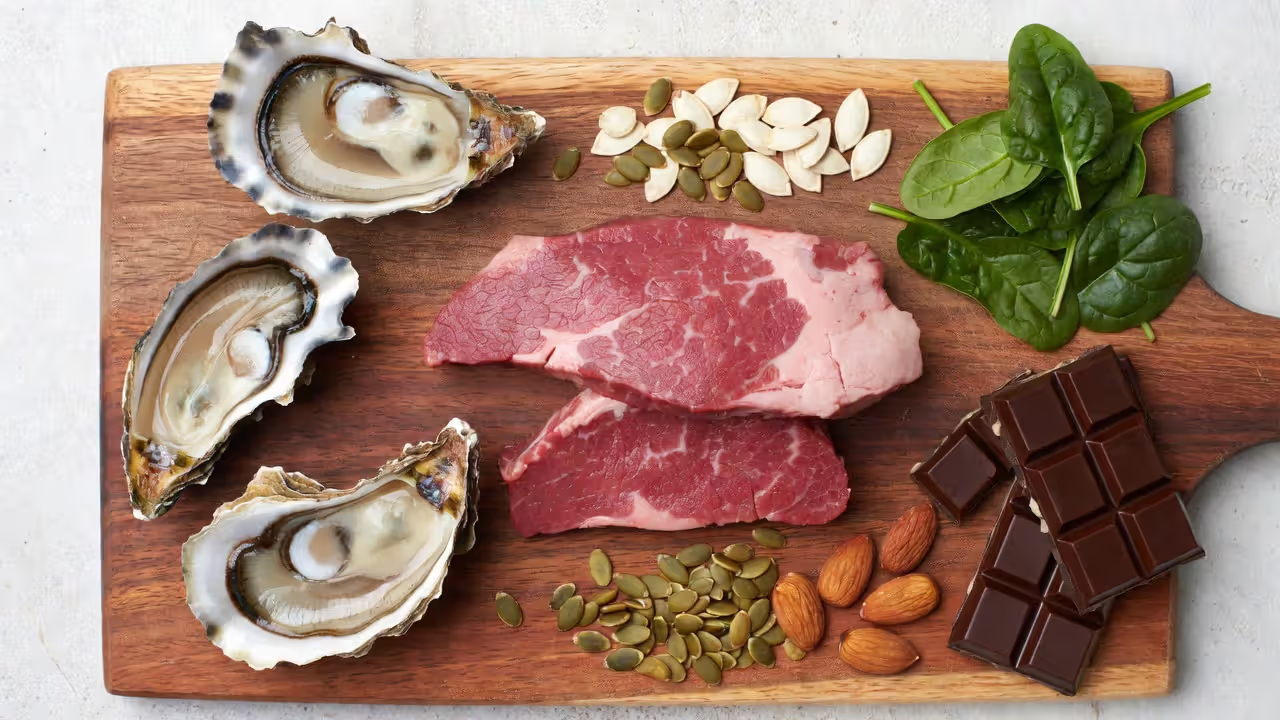
Zinc and magnesium are rate-limiting for testosterone synthesis. Low levels of either mineral directly impair production. Oysters contain more zinc per serving than any other food—six oysters provide 32 mg, well above the 11 mg RDA. For those who don't eat oysters, beef, pumpkin seeds, and cashews offer solid amounts.
Magnesium is easier to obtain: spinach, almonds, black beans, and dark chocolate all provide 15-20% of daily needs per serving. Yet 50% of Americans are deficient. Supplementing 400 mg of magnesium glycinate before bed improves testosterone levels and sleep quality simultaneously.
Vitamin D functions more like a hormone than a vitamin. Men with levels above 30 ng/mL have testosterone levels 25% higher than those below 20 ng/mL. Sun exposure is ideal, but 2,000-4,000 IU of D3 daily works when that's impractical. Pair it with vitamin K2 to ensure proper calcium metabolism.
Boron, a trace mineral found in avocados, almonds, and raisins, increases free testosterone by reducing SHBG (sex hormone binding globulin). Six milligrams daily—roughly what you'd get from a handful of almonds and an avocado—can boost free testosterone by 25% in eight weeks.
Cholesterol provides the backbone for all steroid hormones. Very low-fat diets (under 20% of calories) consistently suppress testosterone. Include egg yolks, full-fat dairy, fatty fish, and quality meats. The outdated fear of dietary cholesterol has no basis in current research for most people.
Common Diet Mistakes That Tank Testosterone
Chronic calorie restriction is testosterone's enemy. Drops of 20-40% occur within weeks of aggressive dieting. If you need to lose fat, use modest deficits (300-500 calories) with diet breaks every 8-12 weeks where you eat at maintenance for 1-2 weeks.
Excessive alcohol consumption—more than 4-5 drinks per week—impairs testosterone production through multiple pathways: it increases aromatase (converts testosterone to estrogen), damages Leydig cells in the testes, and disrupts sleep. Moderate intake (2-3 drinks weekly) shows minimal impact.
Soy's effect on testosterone is overstated but not imaginary. Moderate intake (1-2 servings daily) doesn't impact hormone levels in most people, but excessive consumption—protein shakes, soy milk, tofu, and edamame all in one day—may cause issues in sensitive individuals. Variety matters; don't make soy your primary protein source.
Sugar and refined carbs create insulin resistance, which correlates strongly with low testosterone. Men with metabolic syndrome have testosterone levels 30-40% lower than metabolically healthy peers. The mechanism: chronic hyperinsulinemia suppresses gonadotropin-releasing hormone, which signals testosterone production.
Licorice root (often in herbal teas and candies) contains glycyrrhizin, which directly inhibits testosterone synthesis. Mint, particularly spearmint and peppermint, shows anti-androgenic effects in animal studies. While a cup of mint tea won't crash your levels, drinking a liter daily might.
Undereating fat and protein both impair production. Aim for 0.8-1 gram of protein per pound of body weight and 25-35% of calories from fat, with at least a third from saturated sources. The obsession with "lean" everything—chicken breast, egg whites, fat-free dairy—often backfires hormonally.
Sample Meal Plans for Different Hormone Goals
Theory matters less than application. Below are three-day examples showing how to structure eating for specific hormonal outcomes. Portions are moderate (roughly 2,000 calories) and should be scaled to individual needs.
3-Day Hormone-Focused Meal Plans Comparison
Meal/Time
Cortisol Management Plan
Insulin Sensitivity Plan
Testosterone Support Plan
Breakfast (7-8 AM)
3 eggs scrambled with spinach, ½ avocado, berries, green tea
Greek yogurt with protein powder, mixed berries, chia seeds, walnuts
4-egg omelet with cheese, 2 slices whole-grain toast with butter, orange
Mid-morning snack
Apple with almond butter, dark chocolate square
Cottage cheese with cucumber and cherry tomatoes
Beef jerky, handful of cashews
Lunch (12-1 PM)
Grilled salmon, large mixed salad with olive oil, quinoa
Chicken breast, roasted vegetables, small sweet potato
Grass-fed burger patty, avocado, side salad, sourdough bun
Pre-workout (3-4 PM)
Banana, handful of almonds
Rice cake with peanut butter
Turkey slices, apple
Post-workout (5-6 PM)
Grilled chicken, roasted Brussels sprouts, small portion white rice
Lean beef, jasmine rice, broccoli
Salmon, large portion white rice, asparagus with butter
Dinner (7-8 PM)
Turkey breast, cauliflower mash, green beans, small portion berries
Cod, zucchini noodles, marinara sauce, side salad
Ribeye steak, baked potato with sour cream, mixed vegetables
Key differences:
The cortisol plan front-loads calories and carbs, uses anti-inflammatory fats, includes magnesium-rich foods at every meal, and keeps dinner lighter to support evening cortisol decline.
The insulin sensitivity plan times the largest carb portions post-workout when muscles are most receptive, pairs all carbs with protein and fiber, and includes vinegar-based dressings.
The testosterone support plan emphasizes dietary cholesterol at breakfast, includes zinc and magnesium sources throughout, maintains higher overall fat intake (especially saturated), and doesn't restrict calories aggressively.
All three plans share common elements: whole foods, adequate protein, plenty of vegetables, minimal processed ingredients, and consistent meal timing.
How Fitness Timing Affects Your Endocrine Response
Training is a hormonal event, not just a caloric one. The same workout performed fasted versus fed, morning versus evening, or with different pre- and post-workout nutrition creates vastly different endocrine responses.
Resistance training acutely raises testosterone and growth hormone while increasing insulin sensitivity for hours afterward. The endocrine nutrition fitness strategy leverages these changes.
Morning training (6-8 AM): Cortisol is naturally elevated, which can enhance performance but also increase muscle breakdown risk. Eating 20-30 grams of protein before training minimizes breakdown without blunting the beneficial cortisol response. Post-workout, consume your largest meal with ample carbs to capitalize on insulin sensitivity and begin lowering cortisol.
Afternoon training (3-5 PM): Testosterone peaks naturally in early afternoon for most people. Training during this window may optimize strength gains. Eat a moderate meal 2-3 hours before (protein, fat, small amount of carbs), then load carbs post-workout. This timing works well for insulin sensitivity since you'll eat your carb-heavy dinner after training.
Evening training (6-8 PM): Potentially problematic if it elevates cortisol too close to bedtime, disrupting sleep. Mitigate this by keeping intensity moderate, consuming carbs immediately after training (which helps lower cortisol), and avoiding stimulants. Include magnesium-rich foods at dinner.
Fasted training: Increases growth hormone and may improve fat oxidation, but also raises cortisol more than fed training. Best reserved for low-intensity work like walking or easy cardio. For resistance training, even a small pre-workout meal (banana and protein shake) dramatically improves hormonal outcomes.
Fed training: Supports performance, minimizes cortisol response, and provides nutrients for the post-workout anabolic window. The trade-off is slightly less growth hormone release. For most people focused on muscle gain and hormone optimization, fed training wins.
Post-workout nutrition timing matters more than pre-workout. The 2-6 hour window of enhanced insulin sensitivity and muscle protein synthesis is real. Waiting 3+ hours to eat after training wastes this opportunity and may prolong cortisol elevation.
Carbs post-workout serve multiple hormonal functions: they spike insulin (which is anabolic post-training), they help restore glycogen (preventing cortisol release), and they trigger serotonin production (improving mood and sleep). Don't fear the post-workout carb load; it's one of the most hormonally beneficial meals you'll eat.
Author: Caleb Foster;
Source: thelifelongadventures.com
Frequently Asked Questions About Hormone Health Diet
Can you balance hormones through diet alone, or do you need supplements?
Diet creates the foundation; supplements fill gaps. If you're sleeping 4 hours nightly, no amount of food will fix cortisol dysregulation—you need more sleep. If you have clinical hypogonadism (testosterone under 300 ng/dL), diet might improve levels 10-20%, but you may need medical intervention.
For most people without diagnosed conditions, diet changes produce measurable improvements within 4-8 weeks. Supplements like magnesium, vitamin D, and zinc help when dietary intake falls short or absorption is impaired. Start with food; add targeted supplements based on bloodwork and symptoms. Avoid proprietary "hormone balance" blends with undisclosed ingredients—they're usually overpriced and undereffective.
How long does it take to see results from hormone balance nutrition changes?
Acute changes happen within hours—insulin sensitivity improves after a single workout, cortisol drops within 20 minutes of eating dark chocolate. But meaningful, sustained changes require consistency.
Insulin sensitivity improvements become noticeable in 2-3 weeks: better energy, fewer cravings, easier fat loss. Cortisol normalization takes 4-6 weeks of consistent meal timing and stress management; you'll notice better sleep and less anxiety. Testosterone changes are slowest, requiring 8-12 weeks of proper nutrition to see 10-20% increases in levels.
Bloodwork provides objective measures. Test baseline levels, implement changes for 8-12 weeks, then retest. Subjective improvements often precede measurable changes—better workouts, improved mood, enhanced recovery all signal hormonal improvements before labs confirm them.
What's the biggest diet mistake people make when trying to fix hormone issues?
Extreme restriction. Cutting carbs to zero, slashing calories by 50%, eliminating all fat—these approaches reliably wreck hormones. Your endocrine system interprets severe restriction as starvation and responds by lowering metabolic rate, suppressing sex hormones, and elevating cortisol.
The second biggest mistake is inconsistency. Eating clean Monday through Friday, then binging on weekends creates hormonal whiplash. Your body can't establish stable patterns when inputs vary wildly. Moderate consistency beats perfect inconsistency every time.
Third is ignoring sleep and stress while obsessing over food. Diet influences hormones, but so does sleep quality, stress management, and training. You can't out-eat chronic sleep deprivation or unmanaged stress. Address all factors simultaneously for best results.
Do men and women need different approaches to hormone health diet strategies?
Somewhat. The fundamental principles apply to both: stable blood sugar, adequate protein and fat, strategic carb timing, nutrient density. But women face additional considerations.
Menstrual cycle phase affects insulin sensitivity and cortisol response. The follicular phase (days 1-14) typically features better insulin sensitivity and higher cortisol tolerance. The luteal phase (days 15-28) often requires slightly more carbs to support progesterone production and manage cravings. Some women benefit from carb cycling that matches their cycle: lower carbs in follicular, higher in luteal.
Women are more susceptible to hormonal disruption from under-eating and excessive training. The threshold where calorie restriction impairs hormones is higher for women—a 300-calorie deficit might be sustainable for men but too aggressive for women. Female athletes especially need adequate carbs and overall calories to maintain menstrual regularity.
Men can typically handle more aggressive fat loss phases and longer periods of lower carb intake without hormonal consequences. But the testosterone nutrition principles—adequate fat, cholesterol, zinc, magnesium—matter more for men than women in absolute terms.
Can intermittent fasting help or hurt hormone balance?
Context-dependent. Intermittent fasting (IF) can improve insulin sensitivity and promote autophagy, but it can also elevate cortisol and suppress sex hormones if implemented poorly.
IF tends to work better for men than women. Many women experience disrupted cycles, increased anxiety, and worsened sleep with aggressive fasting protocols (20:4, alternate-day fasting). A 14:10 or 16:8 pattern with an eating window that includes post-workout nutrition usually works better.
For both sexes, IF backfires when it leads to under-eating. If your 6-hour eating window only allows 1,500 calories when you need 2,200, you'll wreck your hormones regardless of any fasting benefits. The eating window must accommodate adequate nutrition.
Cortisol-sensitive individuals should avoid fasting. If you wake up anxious, struggle with afternoon energy crashes, or have diagnosed adrenal issues, prioritize regular meals over fasting. The stress of skipping breakfast often outweighs any metabolic benefits.
IF can be a useful tool for improving insulin sensitivity in metabolically unhealthy individuals. But it's not mandatory for hormone balance, and forcing it when it doesn't suit your biology creates more problems than it solves.
What blood tests should I get before changing my hormone-focused diet?
At minimum, test fasting glucose, fasting insulin, and HbA1c to assess insulin sensitivity. These three markers reveal metabolic health more accurately than glucose alone. Fasting insulin above 10 μIU/mL suggests insulin resistance even with normal glucose.
For sex hormones, test total testosterone and SHBG (which determines free testosterone). Men should aim for total testosterone above 500 ng/dL; women's ranges vary by age but typically 15-70 ng/dL. Free testosterone matters more than total for symptom correlation.
Cortisol is tricky because single measurements miss the pattern. A 4-point salivary cortisol test (morning, noon, evening, night) reveals whether your rhythm is normal, flat, or reversed. This costs more but provides actionable information that a single blood draw can't.
Thyroid function affects and is affected by nutrition. Test TSH, free T3, and free T4. TSH alone misses many thyroid issues. Reverse T3 can be useful if you suspect conversion problems, common with chronic dieting.
Vitamin D, magnesium (RBC magnesium is more accurate than serum), and zinc if you suspect deficiencies. These nutrients directly impact hormone production.
Lipid panel including HDL, LDL, and triglycerides. Hormones are made from cholesterol; very low cholesterol can impair production. High triglycerides often indicate insulin resistance.
Retest after 12 weeks of dietary changes to assess progress objectively. Symptoms guide day-to-day adjustments, but bloodwork confirms you're moving in the right direction.
Food is information. Every meal sends signals that either support or sabotage your hormonal environment. The difference between feeling energized and exhausted, lean and bloated, motivated and apathetic often traces back to whether your diet works with your endocrine system or against it.
Hormone balance nutrition isn't about perfection. It's about understanding the principles—meal timing affects cortisol, carb timing affects insulin sensitivity, fat and cholesterol intake affects testosterone—and applying them consistently. Small adjustments compound over weeks and months into dramatic improvements in how you look, feel, and perform.
Start with one area. If stress and energy are your biggest issues, prioritize the cortisol management strategies. If body composition and blood sugar concern you most, focus on insulin sensitivity protocols. If low motivation and poor recovery plague your training, emphasize testosterone nutrition.
Track your changes. Note energy levels, sleep quality, workout performance, and mood alongside any objective measures like body composition or bloodwork. Hormones affect everything, so improvements should show up across multiple areas of life, not just one.
Your hormones respond to your choices. Choose wisely, consistently, and with an understanding of the signals you're sending. The results will follow.
Your arms haven't grown in three months — and the problem isn't your workout split, it's what you ate last Tuesday when you skipped lunch. This guide covers calorie surplus calculations for beginners through advanced lifters, optimal protein intake and distribution across meals, why carbs matter more than you think, meal timing realities vs. bro-science myths, recovery nutrition strategies, supple
Your legs can be trained to perfection, but underfuel them and you're driving cross-country on a quarter tank. This guide covers daily carb requirements by training phase from recovery to peak, workout timing protocols, sweat rate testing and electrolyte thresholds, an 8-week race nutrition practice plan, carb-loading strategy for race week, and the common fueling mistakes that sabotage months of
Your basal metabolic rate burns 65-75% of daily calories — yet most people obsess over the wrong bucket. This guide covers how three calorie-burn systems actually work, 15 foods with documented thermogenic effects and exact calorie-burn increases per serving, seven metabolism myths costing you money, a practical daily eating framework maximizing thermic effect, and why sleep and strength training
Most people die too young while living too long — years marked by declining function and preventable disease. This guide covers how macronutrients trigger cellular aging pathways, five eating patterns linked to extended lifespan, Blue Zone dietary commonalities, seven metabolic biomarkers to track with optimal ranges, exercise types that maximize longevity from Zone 2 to VO2 max intervals, and a 4
The content on this website is provided for general informational and educational purposes related to health, yoga, fitness, and overall wellness. It is not intended to replace professional medical advice, diagnosis, or treatment.
All information, workout suggestions, yoga practices, nutrition tips, and wellness guidance shared on this site are for general reference only. Individual health conditions, fitness levels, and medical needs vary, and results may differ from person to person. Always consult a qualified healthcare provider before starting any new exercise program, dietary plan, or wellness routine.
We are not responsible for any errors or omissions, or for any outcomes resulting from the use of information presented on this website. Your health and fitness decisions should always be made in consultation with appropriate medical and fitness professionals.