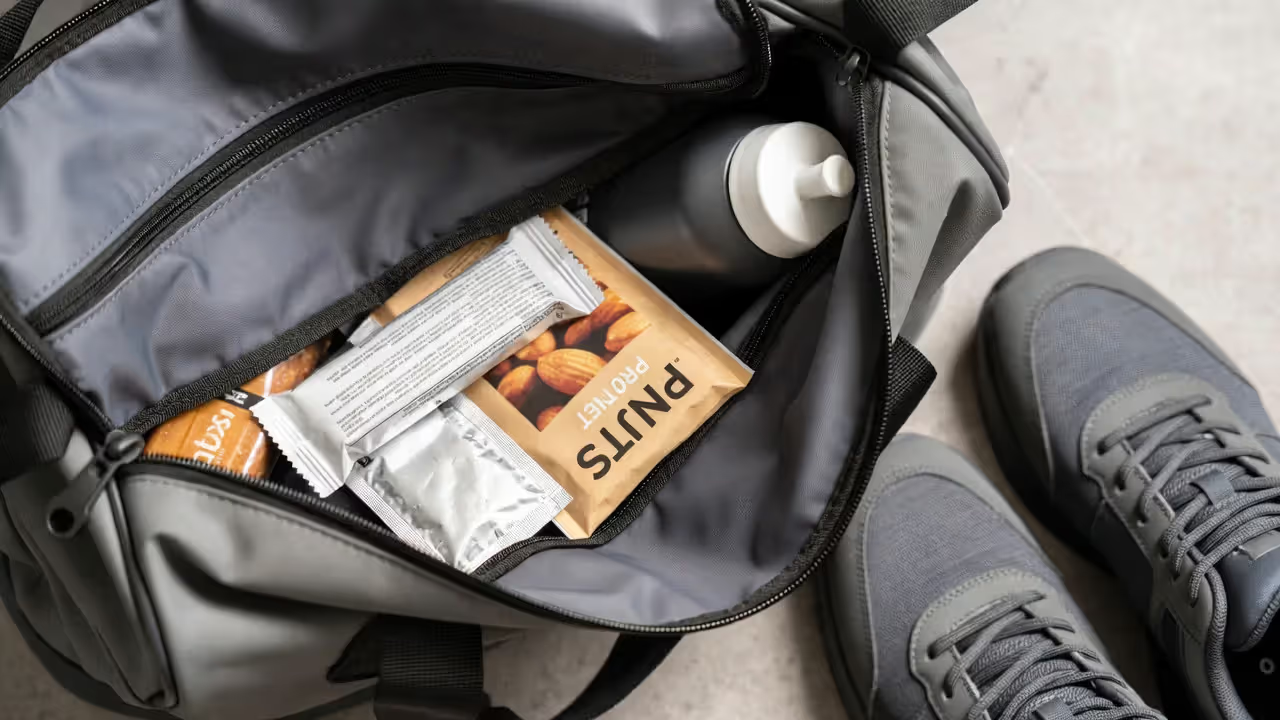
Walk into any gym at 6 AM and you'll spot two distinct camps: the planners who've packed their pre-workout banana or protein shake, and the optimists running on yesterday's dinner and strong coffee, hoping willpower fills the gap.
What you eat around your training sessions—and when you eat it—shapes whether you'll crush your lifts or quit early feeling lightheaded. It affects whether you bounce back quickly or drag through tomorrow's workout still sore and depleted.
This guide breaks down which healthy snacks for workouts actually work (versus what sounds good on paper), when to eat them, and why so many people accidentally sabotage their own progress with well-intentioned but poorly timed fuel.
Why Snack Timing Matters for Workout Performance
Your muscles run primarily on glycogen during exercise—that's stored carbohydrate packed into muscle fibers and your liver. When those tanks run low, your performance tanks with them. Strength drops. Endurance fades. Even your form gets sloppy, raising injury risk.
Here's where it gets tricky: eating too close to training time means your gut is still working to digest food. Blood flow that should power your muscles gets diverted to your stomach instead. Pick the wrong foods and you're stuck with cramps or nausea. Don't eat enough and you'll bonk before finishing.
After training, there's a window—not the mythical "you have exactly 30 minutes or you've wasted everything" nonsense from 1990s bodybuilding magazines, but a real several-hour period when your muscles soak up nutrients more efficiently than normal. That's when protein builds back damaged tissue and carbs refill empty glycogen stores faster.
Timing, perseverance, and ten years of trying will eventually make you look like an overnight success.
— Biz Stone
Smart balanced snack nutrition means matching macros to goals: carbs for immediate fuel, protein for tissue repair, and fat only when you've got time for slower digestion. Fat delays stomach emptying, which helps for long-duration energy but hurts when you need quick fuel.
Your personal tolerance varies wildly from the next person's. I've watched people demolish full meals 45 minutes before heavy deadlifts without issues. Others need three full hours or they're sprinting to the bathroom mid-workout. You'll need to experiment during regular training days (never before a competition).
Best Pre-Workout Snacks to Fuel Your Session
Your goal here? Get accessible energy in without creating digestive drama. Most people do best emphasizing carbohydrates for these pre workout snacks healthy approaches, with just enough protein to prevent hunger pangs mid-session.
Quick-Digesting Options (30–60 Minutes Before)
Short on time? You need foods your body can process fast without sitting heavy in your stomach.
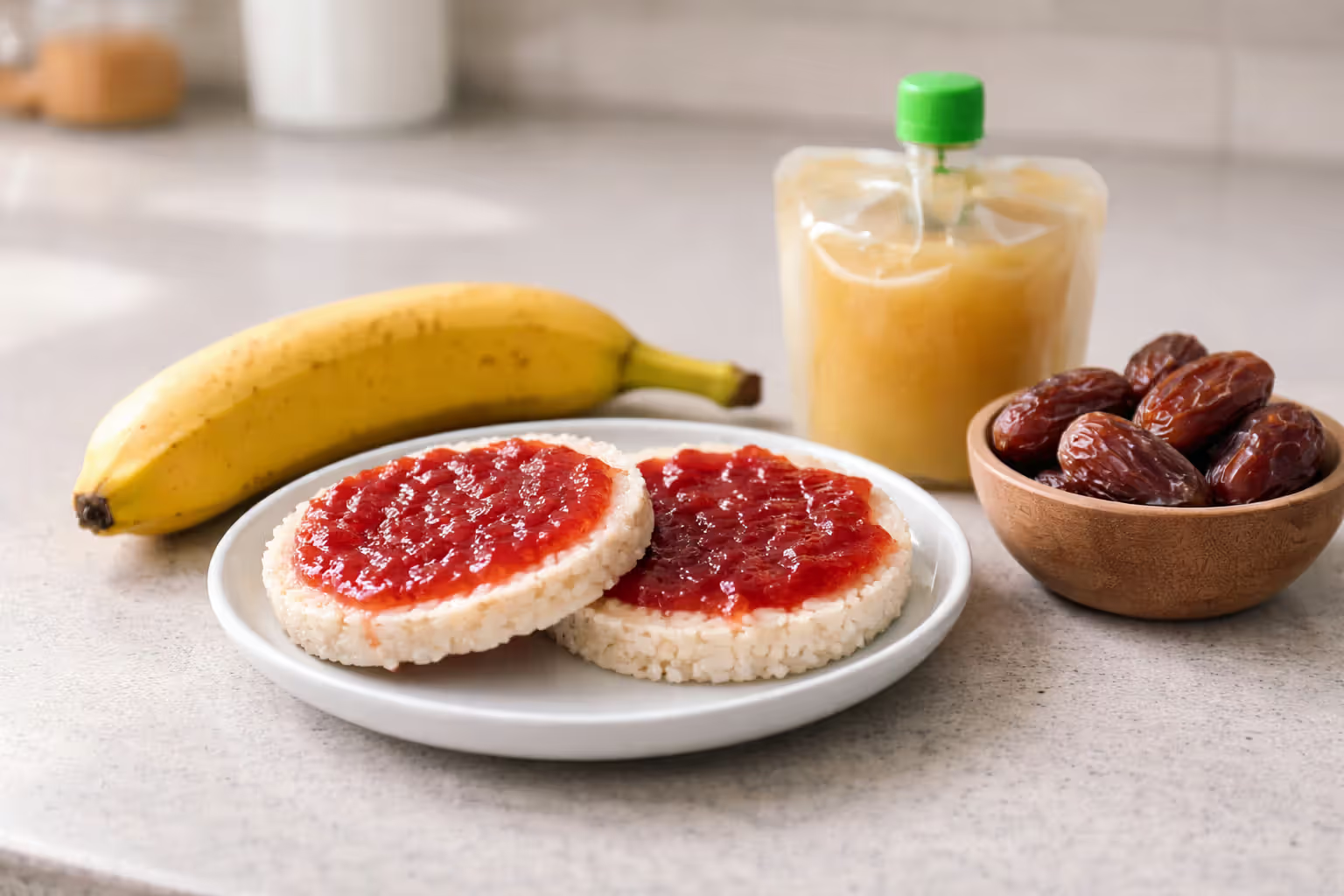
One ripe banana (the kind with brown spots) gives you easily accessible glucose plus potassium that helps prevent cramping. Doing high-intensity intervals? Drizzle on a spoonful of honey for extra fast-burning fuel.
Those squeezable applesauce pouches marketed to toddlers? They're secretly perfect pre-workout fuel. A four-ounce pouch delivers about 20 grams of simple carbs without the fiber that might send you searching for a bathroom.
Plain rice cakes spread lightly with fruit jam provide carbs that digest quickly. Skip the thick layer of almond butter for now—save that for earlier meals.
Dried mango chunks or a couple Medjool dates pack concentrated natural sugars. Watch your portions here though, or you'll deal with blood sugar swings during training.
Really pressed for time (like under 30 minutes)? Sports drinks or diluted orange juice work in a pinch. You're basically drinking liquid glucose that hits your bloodstream in 10-15 minutes.
Author: Jessica Taylor;
Source: thelifelongadventures.com
Sustained Energy Choices (1–2 Hours Before)
Got more prep time? You can include foods that digest slower while delivering steady fuel for longer sessions.
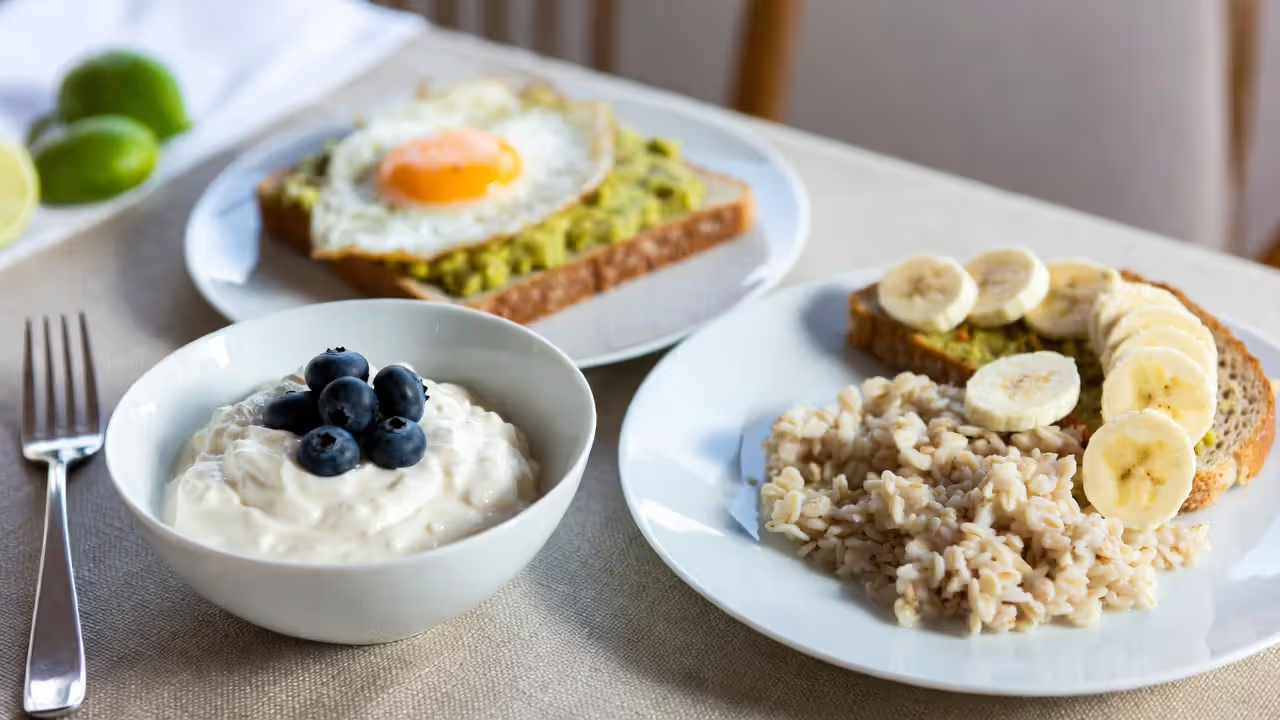
Plain Greek yogurt with fresh blueberries and a drizzle of honey balances protein (15-20 grams per cup) with fruit-based carbs, plus probiotics that new research suggests might help with inflammation.
Steel-cut oats cooked with water or milk, topped with sliced banana and cinnamon, gives you complex carbs that release energy gradually. A half-cup of dry oats expands to about 27 grams of carbs and 5 grams of protein after cooking.
Whole wheat toast with mashed avocado and a sliced hard-boiled egg hits all three macros. The fat from avocado won't mess with your digestion if you allow 90+ minutes before starting.
A moderate smoothie—frozen fruit, spinach, protein powder, unsweetened almond milk—turns nutrition into drinkable form. Keep it under 12 ounces so you're not sloshing around during burpees.
Apple slices with two tablespoons of natural almond butter supply fiber, healthy fats, and roughly 200 calories—enough to power an hour of solid lifting without uncomfortable fullness.
Homemade trail mix with raw nuts, seeds, and a few dark chocolate chips works for endurance athletes needing calorie-dense fuel. Just watch portions; a quarter-cup serving usually covers it.
Snack Option
Prep Time
Best Eaten (timing before workout)
Key Nutrients
Portable?
Ripe banana with honey drizzle
1 minute
30-45 minutes prior
Simple sugars, potassium
Yes
Applesauce squeeze pouch
Ready to eat
30-60 minutes prior
Fast-absorbing carbohydrates
Yes
Rice cakes with fruit jam
2 minutes
45-60 minutes prior
Quick carbs, minimal fiber
Yes
Greek yogurt plus berries
3 minutes
60-90 minutes prior
Protein, carbs, probiotics
No (needs refrigeration)
Steel-cut oats with banana
5 minutes
90-120 minutes prior
Complex carbs, soluble fiber
No
Toast with avocado and egg
7 minutes
90-120 minutes prior
Complete macro balance
No
Fruit and protein smoothie
5 minutes
60-90 minutes prior
Blended carbs, protein, vitamins
Somewhat (needs bottle)
Apple with almond butter
2 minutes
60-90 minutes prior
Carbs, fats, moderate protein
Yes
Trail mix (nuts and dried fruit)
Ready to eat
60-90 minutes prior
Calorie-dense, healthy fats
Yes
Dried mango or dates
Ready to eat
30-45 minutes prior
Concentrated natural sugars
Yes
Author: Jessica Taylor;
Source: thelifelongadventures.com
Smart Snacking During Longer Training Sessions
Most workouts under an hour don't require eating mid-session. Your existing glycogen stores typically hold enough fuel for a standard gym session or moderate cardio.
Once you cross that 60-minute mark—especially during intense cycling, distance running, or back-to-back training blocks—glycogen depletion speeds up considerably. That's where energy snacks fitness athletes swear by actually become necessary.
Simple carbs work best because your digestive system runs at reduced capacity during exercise. Blood flow prioritizes working muscles over your gut.
Endurance gels pack 20-25 grams of carbs into concentrated form. They taste terrible, honestly, but they're incredibly functional. One packet every 45-60 minutes during long efforts does the job.
Chewable energy blocks or athletic gummies deliver the same benefits with better taste and texture. Look for versions with added electrolytes if you're sweating heavily.
Regular small sips of a proper sports drink maintains both energy and hydration. Target 30-60 grams of carbs per hour during sustained moderate-to-high intensity work.
For ultra-endurance events lasting several hours, some athletes handle small banana pieces, boiled potato cubes with salt, or even sandwich bites. Test everything during training, never on race day.
Hydration matters equally here. Research shows losing just 2% of body weight through sweat measurably hurts performance. Take frequent small sips throughout instead of chugging large amounts occasionally.
Post-Workout Snacks That Speed Recovery
After training, your muscle fibers contain microscopic tears (the good kind that drives growth) while glycogen reserves sit partially drained. Strategic nutrition kickstarts repair and refueling.
Protein takes priority now. Aim for 20-30 grams within two hours post-exercise. Recent science suggests more flexibility than we once thought, though eating sooner generally optimizes muscle protein synthesis.
Pairing protein with carbs speeds glycogen restoration and may improve amino acid uptake. A 3:1 or 4:1 ratio of carbs to protein works well for most athletes.
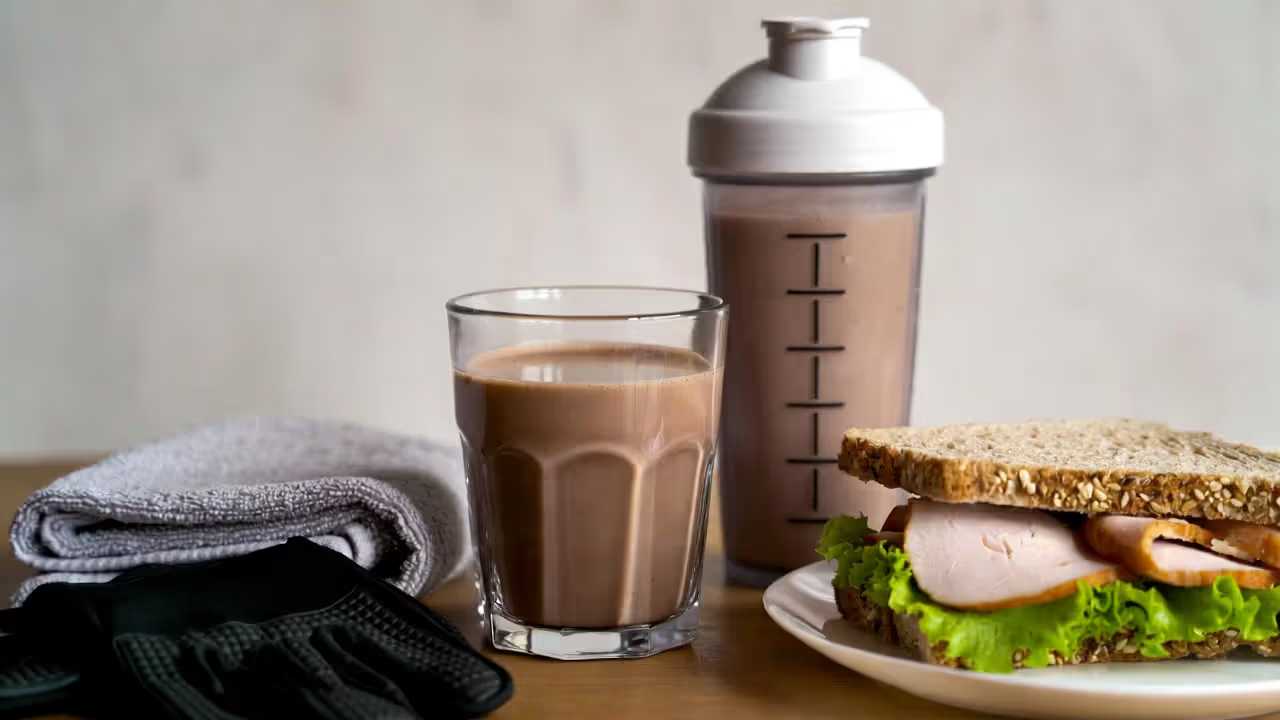
Low-fat chocolate milk is the budget-friendly recovery drink with actual scientific validation. Eight ounces contains roughly 24 grams of carbs and 8 grams of protein, plus calcium and vitamin D for bones.
A protein shake with whey or plant powder, frozen berries, and a banana delivers fast-absorbing amino acids alongside quick carbs. Toss in some spinach for extra micronutrients without affecting taste.
Sliced turkey or grilled chicken on whole grain bread with lettuce and tomato provides complete protein and complex carbs. Add fruit on the side for additional vitamins.
Low-fat cottage cheese mixed with pineapple chunks offers casein protein (which digests slowly, feeding muscles for hours) plus bromelain enzyme that potentially helps with inflammation.
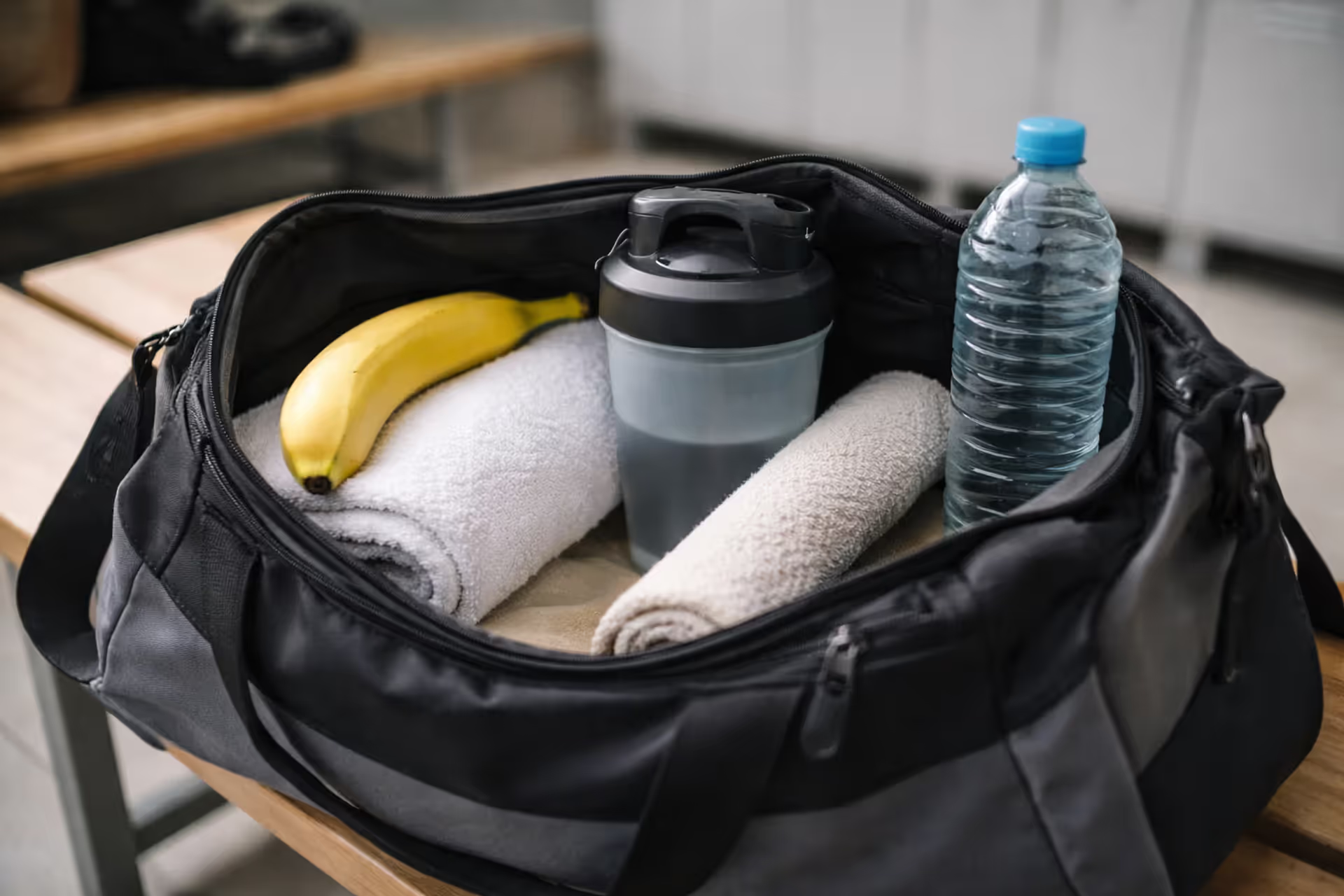
Canned tuna with whole wheat crackers supplies lean protein and anti-inflammatory omega-3s. Keep individual tuna pouches in your gym bag for ultimate convenience.
Hard-boiled eggs paired with an orange or crisp apple deliver high-quality protein and vitamin C, which supports collagen production for connective tissue repair.
Classic hummus with baby carrots and whole grain pita provides plant-based protein, fiber, and complex carbs—great for vegetarian athletes.
The workout snack ideas that work best post-training are simply the ones you'll actually eat consistently. If protein shakes make you gag, don't force it. Find whole food alternatives that hit your macro targets.
Author: Jessica Taylor;
Source: thelifelongadventures.com
Portable Fitness Snacks for Gym Bags and Busy Schedules
Real life rarely cooperates with perfect meal timing. You need portable fitness snacks that survive hot car trunks, work without refrigeration, and won't crumble into mess throughout your bag.
Single-serve nut butter packets (almond, peanut, cashew) pair perfectly with fruit bought near your gym. They stay shelf-stable for months while delivering fats and protein.
Commercial protein bars vary wildly in quality. Look for options with at least 15 grams of protein, under 10 grams of sugar, and an ingredient list you can actually pronounce. Skip bars loaded with sugar alcohols unless digestive issues don't concern you.
Beef or turkey jerky concentrates substantial protein into lightweight packaging. Choose lower-sodium versions when available and check labels for sneaky added sugars.
Home-roasted chickpeas seasoned with your preferred spices deliver plant protein and fiber in a satisfying crunch. Make a big batch on meal-prep Sunday and portion into grab-and-go containers.
Energy balls made from dates, oats, nut butter, and protein powder can be prepared ahead and frozen. Grab two or three on your way out; they'll reach perfect texture by workout time.
Whole grain crackers paired with individually wrapped cheese sticks supply carbs, protein, and calcium. Select crackers with at least 3 grams of fiber per serving.
Dry-roasted edamame (crunchy soybeans) provides complete protein with enjoyable texture. A quarter-cup delivers around 14 grams of protein.
Instant oatmeal packets just need hot water, which most gyms provide. Choose plain varieties and add your own fruit to control sugar.
Keep chocolate-covered anything out of your gym bag during summer months. You'll inevitably discover a melted disaster. Similarly, items with fresh produce won't last more than a few hours without temperature control.
Author: Jessica Taylor;
Source: thelifelongadventures.com
Transport snacks in a small insulated bag with a frozen gel pack when carrying yogurt, hard-boiled eggs, or perishables. Quality insulated containers maintain food safety for 4-6 hours.
Airport security allows most solid snacks through checkpoints, making these portable fitness snacks perfect for travel workouts. Nut butter containers must stay under 3.4 ounces, though individual packets automatically comply.
Common Workout Snacking Mistakes That Kill Results
Despite good intentions, several nutritional errors consistently undermine performance and recovery.
Eating substantial meals right before intense training. Downing a full meal just 20 minutes before sprint intervals practically guarantees nausea. Dense, high-fiber, or high-fat foods need at least 90 minutes for proper gastric emptying. Limited time available? Stick to simple carbs or train fasted.
What gets measured gets managed.
— Peter Drucker
Skipping post-exercise nutrition entirely. Some people finish tough sessions and delay eating for hours, either from suppressed appetite or deliberate calorie restriction. This approach hampers recovery and may promote muscle loss over time. At minimum, drink a protein shake.
Wildly overestimating calories burned. That 30-minute gym visit likely burned 200-300 calories, not the 600 your fitness tracker claims. Consuming a 500-calorie "recovery" snack creates a surplus that contradicts fat loss goals. Match snack size to actual workout intensity realistically.
Relying exclusively on processed convenience items. Protein bars and energy gels serve legitimate purposes, but whole foods deliver fiber, micronutrients, and beneficial plant compounds processed alternatives lack. Aim for 80% whole foods, 20% packaged convenience.
Ignoring individual digestive responses. Your workout buddy might thrive on a pre-training smoothie while you need solid food or experience weakness. Some people handle dairy perfectly; others get uncomfortable bloating. Track how different foods affect your performance and adjust accordingly.
Inadequate fluid intake. Nutrition gets disproportionate attention while hydration often gets overlooked, despite fluid being equally important. Even mild dehydration measurably decreases strength, endurance, and mental sharpness. Maintain consistent water intake all day, not just during training.
Choosing items based on marketing instead of nutritional value. "Fitness" branding guarantees nothing about whether a product actually helps your goals. Plenty of "protein" snacks contain more sugar than actual protein. Study nutrition labels carefully and compare against whole food alternatives.
FAQ: Your Workout Snack Questions Answered
How much should I eat before a workout?
It depends on timing and planned intensity. For snacks 30-60 minutes before exercise, keep portions lighter: 100-200 calories, mostly from carbs. With 1-2 hours of lead time, you can bump up to 200-400 calories including both carbs and protein. Demanding sessions need more fuel than easy activity. Start conservative and adjust based on how you actually feel during training.
Can I work out on an empty stomach?
Fasted training works for some people, especially for lower-intensity steady cardio or quick sessions. Your body can mobilize stored fat for fuel just fine. However, performance usually drops during high-intensity intervals or serious strength work without readily available energy. If you train immediately upon waking and prefer not eating, at least sip some diluted juice or eat half a small banana. Test different approaches to find what works for your body and goals.
What if I have dietary restrictions (vegan, gluten-free)?
Plenty of workout snacks work within restricted eating patterns. Vegans can use fresh fruit, rice cakes with nut butter, plant-protein shakes, veggies with hummus, homemade trail mix, and certified gluten-free oats. Athletes avoiding gluten have rice cakes, all fruits, yogurt (if dairy works), certified gluten-free oatmeal, and basically all unprocessed whole foods. The core principles stay constant: emphasize carbs before training, prioritize protein after, and timing matters significantly.
Are protein bars as good as whole food snacks?Question
Protein bars excel at convenience but rarely match the micronutrient density and natural fiber in whole foods. They're invaluable when traveling, juggling tight schedules between commitments, or needing shelf-stable emergency options. However, grilled chicken with roasted sweet potato nutritionally beats any protein bar. Use bars strategically as tools, not as your foundation nutrition. Scrutinize labels carefully—many products contain sugar levels matching regular candy.
How soon after working out should I eat?
The famous "anabolic window" isn't as restrictive as fitness culture once claimed, though eating sooner generally produces better results. Target eating within 30-90 minutes after exercise for optimal recovery. If you trained hard and substantially depleted muscle glycogen, eating within 30 minutes maximizes refueling efficiency. After moderate sessions, you've got more flexibility. Don't stress if immediate eating isn't possible, but try not to exceed two hours.
Do I need different snacks for cardio vs. strength training?
Somewhat, yes. Extended cardiovascular work depletes glycogen stores more aggressively, making carb-focused pre-workout snacks especially critical for sessions exceeding 60 minutes. Resistance training also uses stored glycogen but emphasizes creating muscle fiber damage and subsequent repair, elevating the importance of post-workout protein. That said, basic principles overlap substantially: fuel adequately beforehand, recover properly afterward, and adjust portions based on session duration and intensity.
Selecting appropriate healthy snacks for workouts doesn't require advanced nutrition credentials or elaborate meal prep. Start with these basics: eat carb-focused snacks 30-90 minutes before training, add fuel during sessions past 60 minutes, and emphasize protein within two hours of finishing. Keep a stash of portable options in your gym bag so time constraints never become an excuse.
Pay attention to how different foods affect your energy, strength output, and recovery speed. Something that works perfectly for your training partner might completely fail for you. Track your choices and corresponding performance for several weeks, then refine. The best snack ultimately fuels your specific goals, fits your actual schedule, and tastes good enough that you'll eat it consistently instead of skipping it entirely.
Your arms haven't grown in three months — and the problem isn't your workout split, it's what you ate last Tuesday when you skipped lunch. This guide covers calorie surplus calculations for beginners through advanced lifters, optimal protein intake and distribution across meals, why carbs matter more than you think, meal timing realities vs. bro-science myths, recovery nutrition strategies, supple
Your legs can be trained to perfection, but underfuel them and you're driving cross-country on a quarter tank. This guide covers daily carb requirements by training phase from recovery to peak, workout timing protocols, sweat rate testing and electrolyte thresholds, an 8-week race nutrition practice plan, carb-loading strategy for race week, and the common fueling mistakes that sabotage months of
Your basal metabolic rate burns 65-75% of daily calories — yet most people obsess over the wrong bucket. This guide covers how three calorie-burn systems actually work, 15 foods with documented thermogenic effects and exact calorie-burn increases per serving, seven metabolism myths costing you money, a practical daily eating framework maximizing thermic effect, and why sleep and strength training
Most people die too young while living too long — years marked by declining function and preventable disease. This guide covers how macronutrients trigger cellular aging pathways, five eating patterns linked to extended lifespan, Blue Zone dietary commonalities, seven metabolic biomarkers to track with optimal ranges, exercise types that maximize longevity from Zone 2 to VO2 max intervals, and a 4
The content on this website is provided for general informational and educational purposes related to health, yoga, fitness, and overall wellness. It is not intended to replace professional medical advice, diagnosis, or treatment.
All information, workout suggestions, yoga practices, nutrition tips, and wellness guidance shared on this site are for general reference only. Individual health conditions, fitness levels, and medical needs vary, and results may differ from person to person. Always consult a qualified healthcare provider before starting any new exercise program, dietary plan, or wellness routine.
We are not responsible for any errors or omissions, or for any outcomes resulting from the use of information presented on this website. Your health and fitness decisions should always be made in consultation with appropriate medical and fitness professionals.