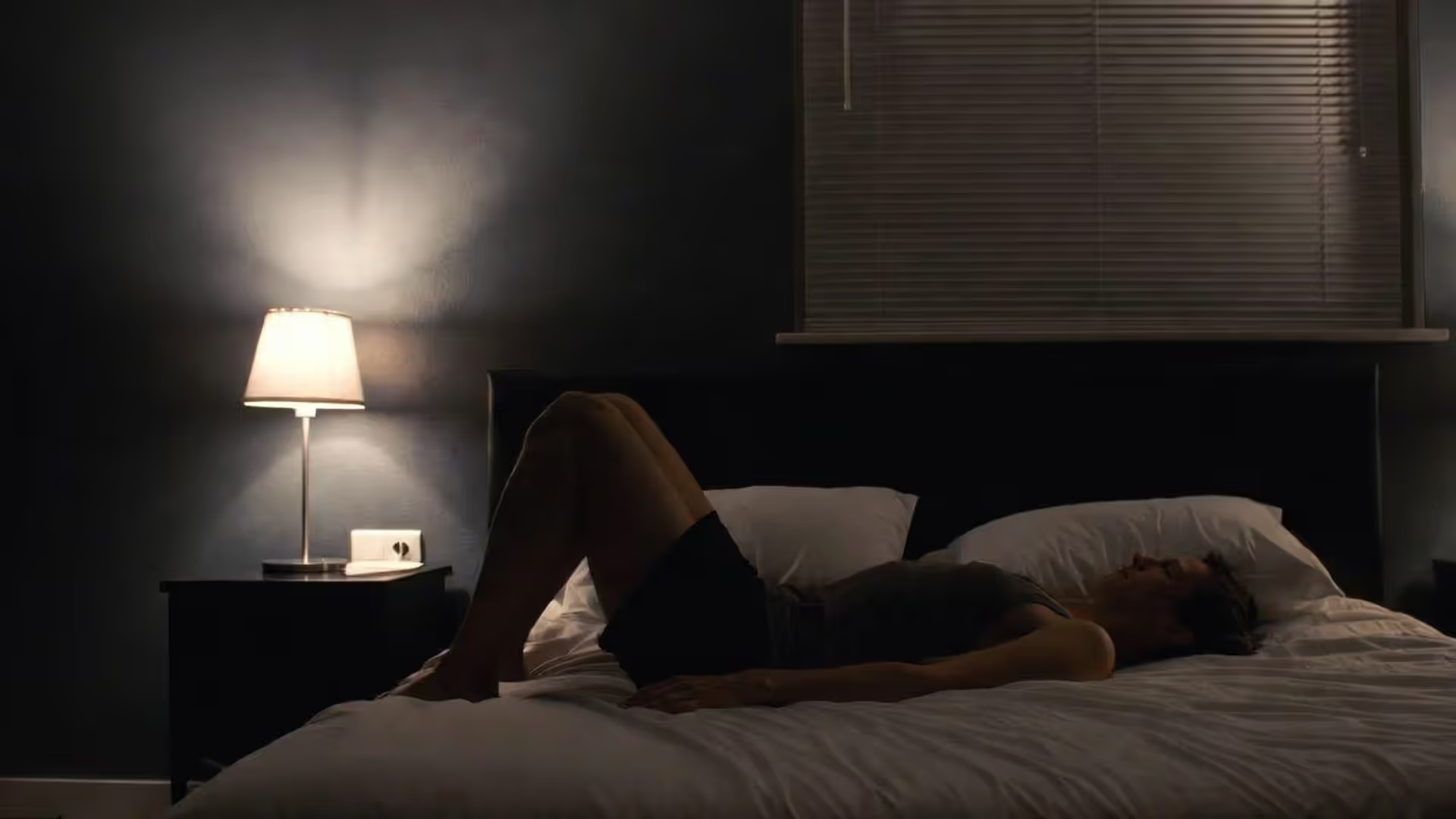
It's 2 AM. Again. You're staring at the ceiling, mentally rehearsing tomorrow's presentation for the third time tonight. Frustrating doesn't even begin to cover it—you're running on fumes.
Maybe you've already bought the melatonin gummies. Installed those blackout curtains. Downloaded four different white noise apps. But here's something to consider: what if the answer isn't something you purchase or plug in? What if it's a 3,000-year-old practice you can do without leaving your bed?
Yoga addresses what's actually keeping you awake—an amped-up nervous system, muscles that won't relax, thoughts that won't stop. Pills might knock you out temporarily. Certain poses and breathing methods? They actually retrain your stress response system. And yes, you can practice most of them wearing whatever you sleep in, without getting up.
Why Yoga Works Better Than Sleep Supplements for Restlessness
Here's what happens when sleep won't come: your sympathetic nervous system gets stuck in overdrive. Think of it as your internal alarm system that forgot to turn off. Heart keeps pounding. Stress hormones keep pumping. Every muscle stays braced for action.
Sleep medications force drowsiness without fixing the underlying problem. Your body's still operating in high-alert mode—you're just too sedated to fully notice.
Restorative yoga poses flip that switch. They engage your parasympathetic response, the system responsible for rest and recovery. Research indicates that regular practice can drop cortisol levels by a quarter while boosting GABA, your brain's calming neurotransmitter. Hold these positions for several minutes, and you're essentially telling your brain it can power down now.
Physical tension compounds the problem. Most of us clench our jaws, hunch our shoulders, and tighten our hips without awareness. Yoga's progressive release of muscle groups interrupts this pattern. According to a 2019 Journal of Clinical Sleep Medicine study, people practicing evening yoga sequences fell asleep 35% faster compared to a control group using standard supplements.
The breath work component deserves equal credit. Controlled, slow breathing decreases heart rate variability—a key marker of stress. Longer exhales than inhales? That manually activates your vagus nerve, the major player in your relaxation system. No pharmaceutical can replicate this direct mind-body communication.
Author: Amanda Reeds;
Source: thelifelongadventures.com
8 Proven Yoga Poses That Trigger Your Body's Sleep Response
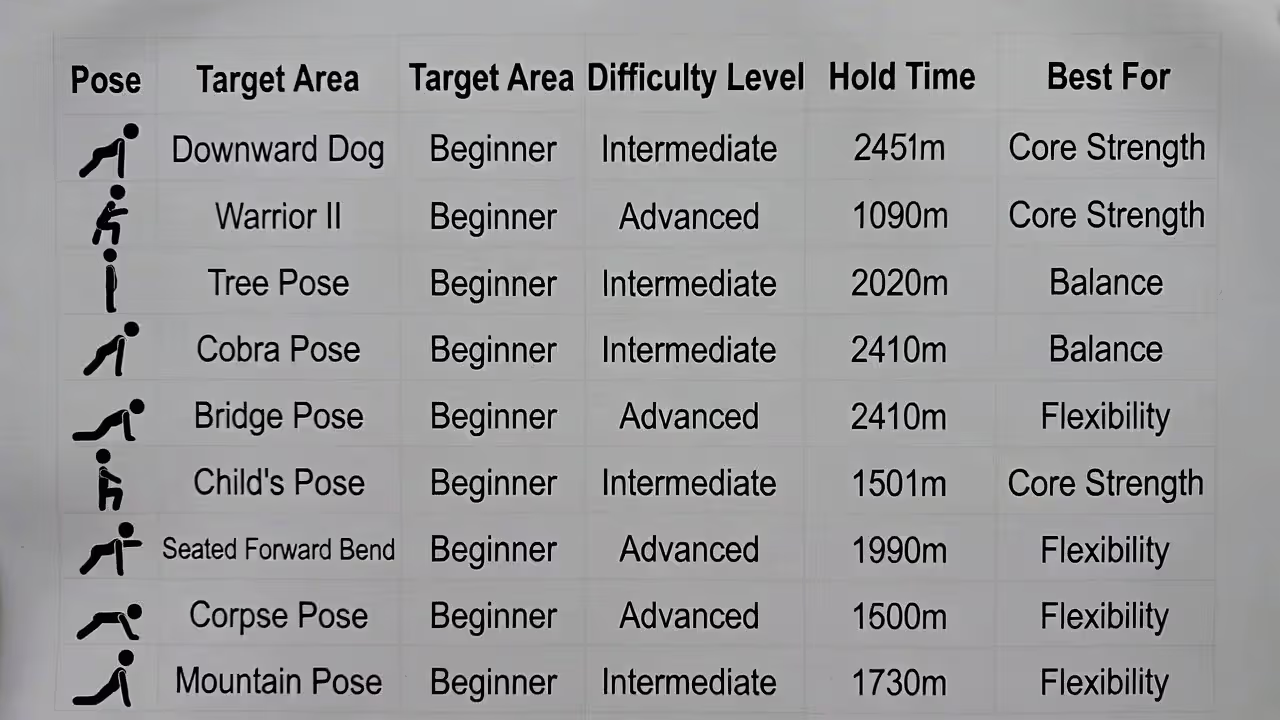
Skip the energizing stuff. Backbends, standing balances, and vigorous flows belong in morning routines. These eight poses specifically target the neurological pathways that prepare you for deep rest.
Pose Name
Target Area
Difficulty Level
Hold Time
Best For
Reclining Bound Angle
Inner thighs, hips
Beginner
3-5 min
Anxiety, mental spinning
Legs-Up-The-Wall
Lower back, legs
Beginner
5-10 min
Body tension, leg swelling
Child's Pose
Back, shoulders
Beginner
2-4 min
Stress, restricted breathing
Supine Spinal Twist
Spine, hips
Beginner
2-3 min each side
Digestive issues, back discomfort
Seated Forward Bend
Hamstrings, spine
Beginner-Intermediate
3-5 min
Mental chatter, tension headaches
Reclining Hand-to-Big-Toe
Hips, hamstrings
Intermediate
2-3 min each side
Hip tightness, restless leg sensations
Corpse Pose with Props
Full body
Beginner
5-15 min
All insomnia patterns
Supported Bridge
Spine, chest
Beginner
3-5 min
Exhaustion, mild depression
Reclining Bound Angle (Supta Baddha Konasana)
Lie down flat. Press the bottoms of your feet together, then allow both knees to drop outward. Grab some pillows or folded blankets—stack them under your thighs for support. Forcing the stretch defeats the entire purpose here.
Stay put for 3-5 minutes, directing each breath toward your lower belly. Lower back feeling strained? Roll up a towel and tuck it beneath your knees. The gentle opening across your inner thighs and hips targets areas where emotional tension often lodges. Bonus: improved circulation to pelvic organs can mean fewer midnight bathroom runs.
Shimmy your hips toward a wall until you're close enough to straighten both legs vertically against it. Let your arms fall naturally to either side, palms facing upward. This gentle inversion drains accumulated fluid from feet and ankles while gradually lowering blood pressure.
Remain here for 5-10 minutes minimum. Tingling in your legs after a few minutes? Totally normal—just bend your knees slightly. Tight hamstrings? Scoot your hips 6-12 inches away from the wall instead of forcing proximity. This position particularly helps after travel days or jobs requiring constant standing.
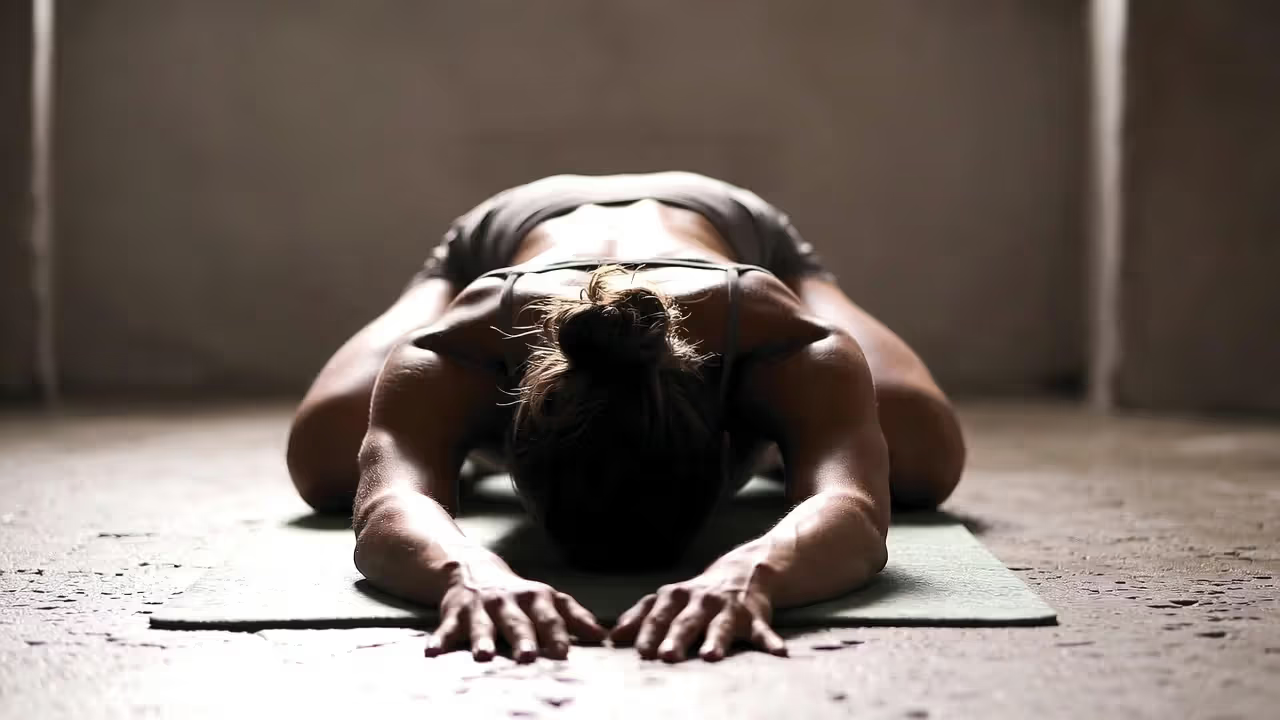
Child's Pose (Balasana)
Start kneeling. Touch your big toes together behind you, then separate your knees wide. Fold your torso down between your thighs. Stretch your arms forward past your head, or let them relax alongside your body—your choice. Lower your forehead onto your mattress or a cushion.
Maintain this position for 2-4 minutes, consciously breathing into the back of your ribcage. That gentle compression against your abdomen directly stimulates the vagus nerve. Can't get your hips down to your heels? Stuff a pillow between them. This pose excels at releasing chest tightness caused by anxiety.
Supine Spinal Twist (Supta Matsyendrasana)
Lie flat on your back. Pull your right knee up toward your chest, then guide it across your body toward the left side. Extend your right arm straight out to the right, and turn your head to look that direction. Both shoulders should stay grounded on the surface.
Hold each side for 2-3 minutes. This gentle rotation massages internal organs while releasing spinal tension. Knee hovering above the ground? That's fine—prop it with a cushion. Never force these twists. You want mild sensation, not strain.
Your 15-Minute Bedtime Yoga Routine (Step-by-Step)
Author: Amanda Reeds;
Source: thelifelongadventures.com
Practice this sequence on your mattress or any padded surface, already dressed for sleep. Lower the lighting. Put your phone in another room. Perfect alignment isn't the goal here—nervous system downregulation is.
Minutes 0-3: Child's Pose Begin here to signal the transition from activity to rest mode. Breathe slowly and deliberately, making each exhale slightly longer than each inhale. Mind wandering to your inbox? That's expected. Keep redirecting attention to how your breath physically feels.
Minutes 3-6: Reclining Bound Angle Sit up carefully, then lower yourself back down. Arrange your cushions and props before settling in completely. Your heart rate should start decreasing noticeably here. Hip openers sometimes trigger emotional releases—if tears come, that's stored tension leaving your system.
Minutes 6-9: Supine Spinal Twist Move deliberately slowly, giving each side 90 seconds. When switching sides, pause flat on your back for a few breaths rather than rushing through. One side tighter than the other? Completely normal. Don't try to "fix" it.
Minutes 9-14: Legs-Up-The-Wall Scoot to your bed's edge or locate clear wall space. This becomes your deepest relaxation moment. Racing thoughts interrupting? Count backward from 50 with each breath cycle. By reaching zero, your nervous system will have shifted into a lower gear.
Minutes 14-15: Final Rest Lower your legs carefully. Bend your knees, then roll onto your right side. Rest there for three full breath cycles before sitting up. Transition directly into bed and lie on your back in corpse pose for as long as comfortable, or simply drift off.
The entire sequence keeps you close to horizontal, which is intentional. Upright poses require muscle engagement; we want complete surrender instead. Feeling exhausted? Just do the final two poses and call it done.
Breathing Techniques That Amplify Sleep Benefits
Author: Amanda Reeds;
Source: thelifelongadventures.com
Poses create the physical conditions for rest, but breath work directly influences brain wave patterns. These techniques shift you from beta waves (active thinking mode) to alpha and theta waves (drowsy, drifting states).
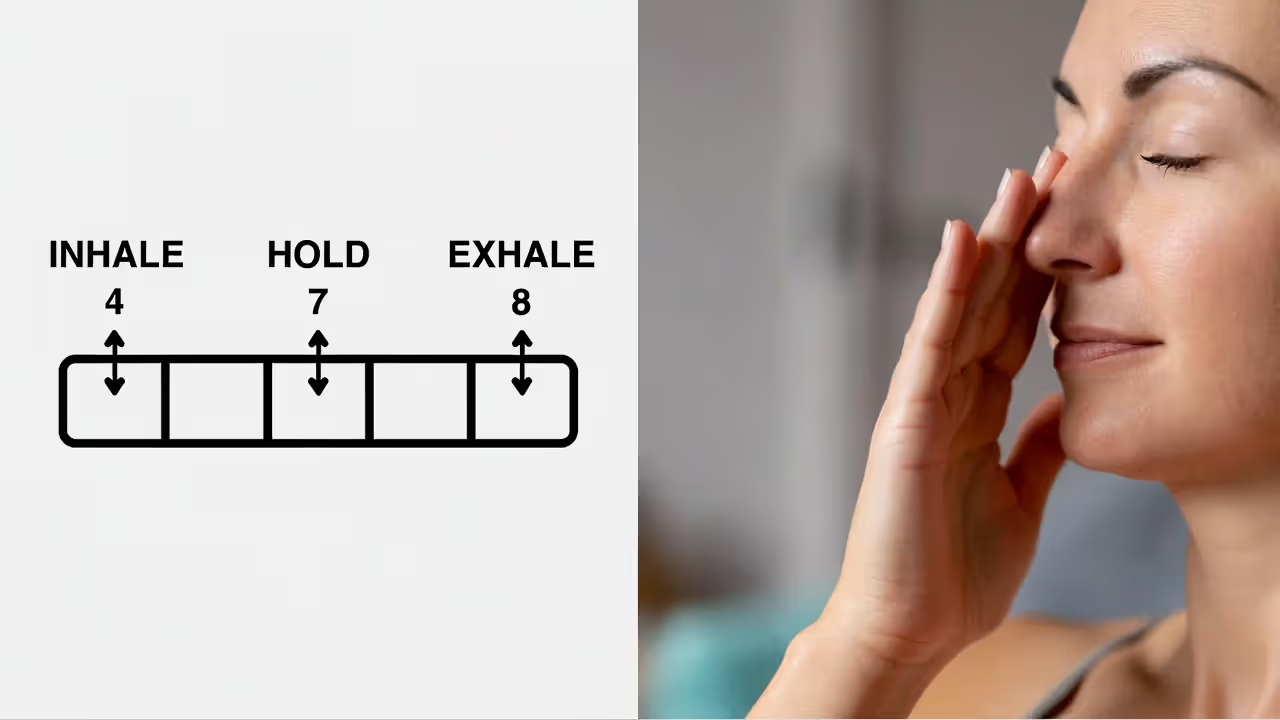
4-7-8 Breath for Racing Thoughts
Take air in through your nose for a 4-count. Hold that breath for 7 counts. Release through your mouth for 8 counts. The extended retention and prolonged exhale activate your parasympathetic response. Complete four full cycles while in legs-up-the-wall or after lying down in bed.
This pattern works especially well when anxious thoughts spiral. Counting gives your mind a task, interrupting the mental loop. Feeling lightheaded your first few attempts? Return to regular breathing, then try again using shorter counts (perhaps 3-5-6 instead).
Alternate Nostril Breathing for Nervous System Balance
Place your right thumb against your right nostril, closing it. Draw air in through the left side for 4 counts. Now use your ring finger to close the left nostril while releasing the right side, then exhale for 4 counts. Inhale right side, switch fingers, exhale left side. Continue this pattern for 2-3 minutes.
This technique balances your brain's left and right hemispheres, reducing the mental ping-pong preventing sleep. Practice it during reclining bound angle pose or sitting at your bed's edge. Arms getting tired? Prop your elbow on a cushion resting in your lap.
Combine these breathing methods with poses rather than isolating them. The combination creates a stronger parasympathetic response than practicing either element alone.
True rest is not the absence of activity, but the absence of inner turbulence.
— Sadhguru
Common Mistakes That Make Bedtime Yoga Backfire
Pushing into deep stretches releases adrenaline—exactly what you're trying to avoid before sleep. Your evening practice should feel easy, operating at maybe 40-50% of your maximum flexibility. Shaking or grimacing? Back off immediately.
Practicing too close to lights-out can leave you wired rather than relaxed. Your core temperature rises during yoga, then drops afterward. That temperature drop triggers drowsiness, but the process takes 30-60 minutes to complete. Finish your routine at least 30 minutes before your target sleep time.
Bright overhead lighting keeps you stuck in daytime mode. Switch to a small table lamp or safely positioned candles instead. Checking your phone "real quick" after practice? That blue light exposure erases your hard work. Treat the transition from yoga to sleep as protected time—no screens, no harsh lights, no stimulating debates.
Some people design overly complicated routines requiring extensive props and precise alignment cues. Simplicity wins over perfection here. Three poses performed consistently beat an elaborate sequence you'll abandon after two nights.
Skipping breath work means completing only half the practice. Sure, you'll feel stretched, but you'll miss the nervous system reset. Even with time for just two poses, include at least one minute of conscious breathing.
When to Practice: Timing Your Evening Yoga for Maximum Results
Author: Amanda Reeds;
Source: thelifelongadventures.com
The optimal window falls 60-90 minutes before your target bedtime. This allows core temperature to drop and your nervous system to settle into rest mode. Late dinner? Wait at least 90 minutes before practicing—yoga on a full stomach causes discomfort and potential reflux.
Your routine should be your final active task before bed. After finishing, move directly into your sleep prep: tooth brushing, light dimming, getting under covers. Don't fold laundry, check emails, or watch TV in between. You're maintaining the relaxed state, not rebuilding it from scratch.
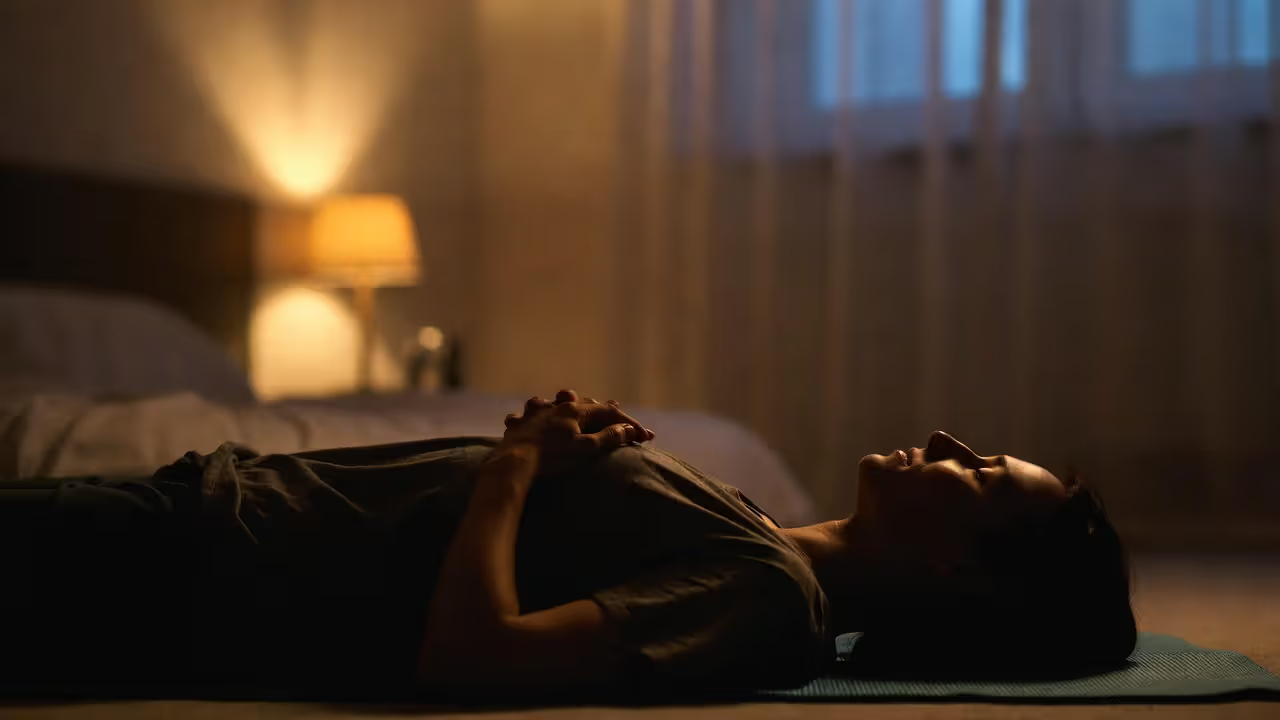
Some people benefit from a shorter practice performed right in bed while falling asleep. Wake at 3 AM unable to return to sleep? Do 5 minutes of legs-up-the-wall or child's pose rather than grabbing your phone. This approach often works better than lying there feeling frustrated.
Consistency trumps duration every time. Seven nights of 10-minute practices will transform your sleep more than one weekly 45-minute session. Your nervous system learns patterns—when yoga becomes a nightly ritual, your body starts preparing for sleep the moment you assume your first pose.
Avoid practicing within 30 minutes of consuming caffeine or alcohol. Caffeine blocks the relaxation response entirely, and alcohol disrupts sleep architecture even when it initially makes you drowsy.
Frequently Asked Questions About Yoga for Better Sleep
How long before bed should I do yoga?
Complete your practice 30-60 minutes before your desired sleep time. This timing permits your core temperature to naturally decrease, which triggers drowsiness. Practicing immediately before lying down might leave you feeling relaxed but not actually sleepy. The exception? Gentle poses performed in bed when you're already trying to sleep—those work immediately before or during sleep attempts.
Can yoga replace sleep medication for insomnia?
For mild to moderate insomnia patterns, research demonstrates yoga can match the effectiveness of certain sleep aids without side effects. That said, chronic insomnia or prescription sleep medication requires a doctor's involvement before making changes. Many people successfully taper medication dosages by incorporating yoga, but this reduction should happen gradually under medical guidance. Yoga functions best as one component of comprehensive sleep hygiene, not a magic bullet.
Is it safe to do yoga in bed?
Absolutely—for bedtime routines, it's often ideal. Your mattress provides cushioning for restorative poses. Just skip poses requiring balance or core activation, which need firmer surfaces. Child's pose, supine twists, reclining bound angle, and legs-up-the-wall all function perfectly on a bed. There's also a psychological benefit: practicing in your sleep space helps your brain associate the bed with relaxation.
How many days until I notice sleep improvements?
Most people report faster sleep onset within 3-5 nights of consistent practice. Improvements in overall sleep quality typically emerge after 2-3 weeks. Not noticing changes after 10 days? Evaluate your routine: Are you practicing consistently at the same time each evening? Are you incorporating breathing work? Are you avoiding screens afterward? Sometimes the problem isn't the yoga itself but what happens in the following hour.
What if I'm not flexible?
Flexibility is completely irrelevant for sleep yoga. These poses work through nervous system activation, not deep stretching. Use as many props as needed—pillows, blankets, towels, whatever you have. Can't sit cross-legged? Use a chair. Child's pose hurts your knees? Cushion the space between your thighs and calves. The sole requirement is feeling comfortable enough to hold the position and breathe slowly.
Can I do yoga for sleep if I'm pregnant?
Most bedtime poses remain safe during pregnancy and can address common sleep disruptions. Legs-up-the-wall reduces swelling, while side-lying twists ease back pain. Avoid deep twists, belly-down positions, and lying flat on your back after the first trimester ends. Use extra pillows supporting your belly and between your knees. Always consult your healthcare provider first, especially with pregnancy complications present. Prenatal yoga classes teach safe modifications specific to each trimester.
Sleep isn't a luxury you earn after checking off every to-do list item—it's the foundation making everything else possible. When supplements and sleep trackers haven't resolved your restlessness, yoga offers a different approach: working with your body's natural relaxation mechanisms rather than forcing them.
The poses and breathing techniques described here aren't complicated. You don't need special equipment, perfect flexibility, or an hour of free time. You need 10-15 minutes and willingness to slow down. Start with the 15-minute routine for one week. Notice which poses provide the most relief and adjust from there.
Your sleep struggles probably didn't develop overnight. They won't disappear overnight either. But each night you practice, you're retraining your nervous system to transition from stress to rest more efficiently. Three weeks from now, you might find yourself yawning during legs-up-the-wall instead of mentally drafting tomorrow's emails.
The goal isn't perfect practice or even perfect sleep every single night. It's creating a nightly ritual signaling to your body: the day has ended, and it's safe to let go now.
Can yoga help you lose weight? Explore what research shows about calorie burn, metabolic impact, hormone balance, and which yoga styles are most effective for supporting fat loss, improving body composition, and building sustainable habits beyond the mat.
Discover 8 essential yoga poses and a simple 15-minute desk routine designed to correct poor posture, realign your spine, and ease upper back pain. Follow expert guidance to release tension, strengthen postural muscles, improve mobility, and prevent stiffness caused by long hours of sitting.
Discover 8 proven yoga poses designed to relieve neck pain and reduce cervical tension. Follow clear, step-by-step guidance tailored for desk workers to improve mobility, correct posture imbalances, restore healthy alignment, and prevent recurring stiffness caused by long hours of sitting.
Discover how yoga supports cardiovascular health through evidence-based poses, targeted breathing techniques, and structured routines. Learn how mindful movement improves circulation, lowers blood pressure, and enhances heart resilience, with practical safety guidelines and research-backed insights for every fitness level.
The content on this website is provided for general informational and educational purposes related to health, yoga, fitness, and overall wellness. It is not intended to replace professional medical advice, diagnosis, or treatment.
All information, workout suggestions, yoga practices, nutrition tips, and wellness guidance shared on this site are for general reference only. Individual health conditions, fitness levels, and medical needs vary, and results may differ from person to person. Always consult a qualified healthcare provider before starting any new exercise program, dietary plan, or wellness routine.
We are not responsible for any errors or omissions, or for any outcomes resulting from the use of information presented on this website. Your health and fitness decisions should always be made in consultation with appropriate medical and fitness professionals.