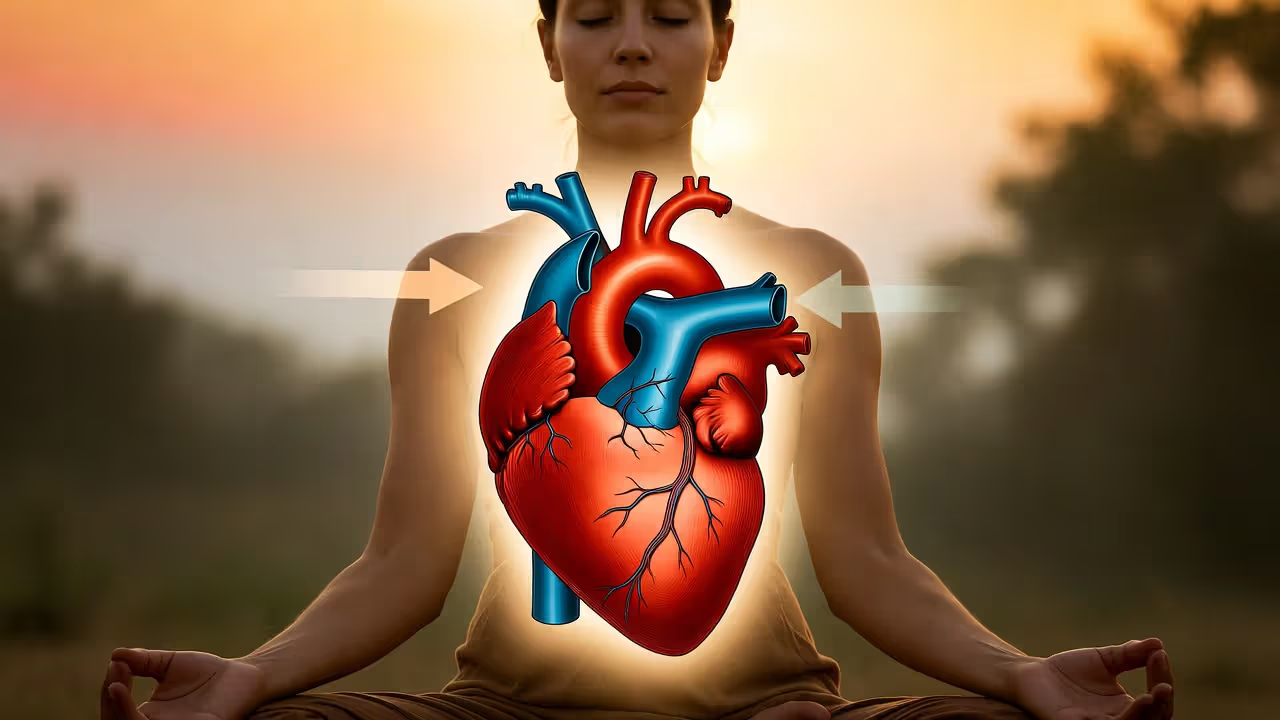
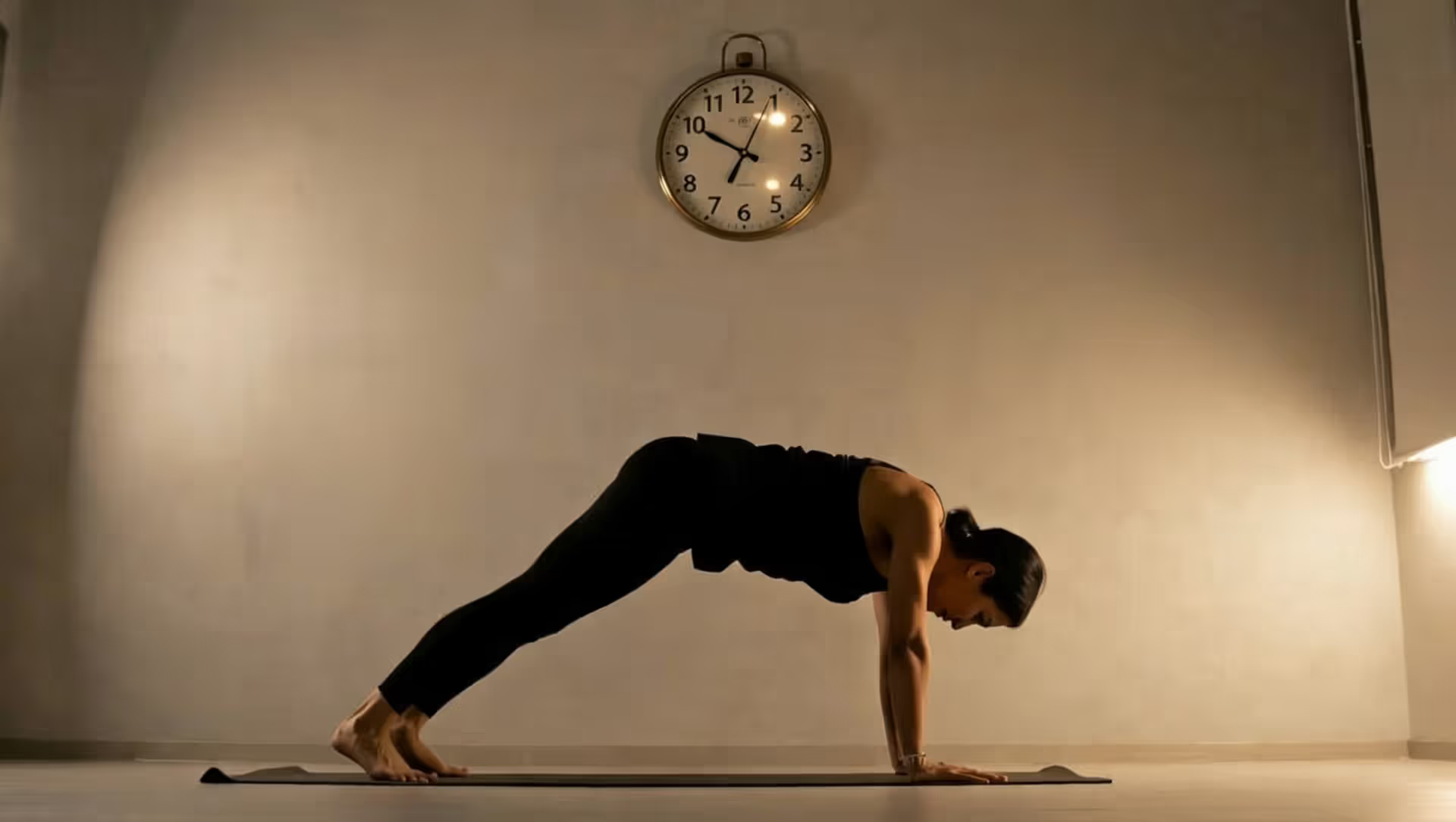
Every single day, your heart squeezes and releases around 100,000 times. Blood travels through what amounts to 60,000 miles of vessels threading through every corner of your body. When someone mentions getting your heart in better shape, you probably picture yourself on a treadmill or pedaling away in a spin class. But there's something most people miss completely: yoga strengthens your heart through biological mechanisms that have nothing to do with traditional cardio—and delivers specific protective effects that jogging can't touch.
Back in 2014, researchers pooled data from 37 randomized controlled trials and published what they found in the European Journal of Preventive Cardiology. Their results challenged everything we thought we knew about cardiovascular training. People practicing yoga saw improvements in major heart health markers that matched what traditional exercise programs produced. The bonus? These practitioners also gained better stress control and their autonomic nervous systems functioned with much better balance.
Regular cardio works by keeping your heart rate elevated for extended stretches. Yoga takes a completely different path. It quiets down excessive stress signals, strengthens the delicate endothelial cells lining your blood vessels, lowers inflammation throughout your body, and improves heart rate variability—basically, how well your heart adjusts to different physical demands. This matters enormously when you consider that cardiovascular disease still kills about 697,000 Americans every year, based on CDC numbers.
Whether yoga helps your heart? That's not even up for debate anymore. Research settled that years ago. What matters now: figuring out exactly which practices pack the biggest heart-protective punch, building a weekly schedule you'll actually stick with, and avoiding the common mistakes that sabotage your cardiovascular gains.
How Yoga Affects Your Heart Rate and Blood Pressure
Author: Caleb Foster;
Source: thelifelongadventures.com
Picture yourself holding warrior II or moving through several rounds of sun salutations. What happens in your cardiovascular system looks nothing like what goes on during a jog around your neighborhood. The way yoga affects your pulse centers mainly on activating your parasympathetic nervous system rather than pure aerobic conditioning. Your heart rate typically climbs to somewhere between 50-70% of your maximum during practice—definitely lower than running pace, but plenty sufficient to trigger significant changes in your cardiovascular network.
Your autonomic nervous system has a parasympathetic branch that handles recovery functions—scientists call this your rest and digest mode. It balances out the sympathetic division, which runs your fight or flight responses. When sympathetic activity stays chronically ramped up—from ongoing stress, bad sleep, or sitting too much—you end up with elevated blood pressure, stiff arteries, and higher odds of cardiac events. Yoga directly stimulates the vagus nerve, your main parasympathetic highway. This stimulation slows your pulse, widens your blood vessels, and brings down arterial pressure.
Scientists tracked 60 people with prehypertension through 12 weeks of three-times-weekly practice in a 2016 Journal of Clinical Hypertension study. These participants saw their systolic readings drop an average of 4.5 mmHg and diastolic fall by 3.2 mmHg—improvements that rival certain first-line medications. The mechanism involves dropping cortisol and catecholamine production. When stress hormone levels decrease, vessel walls relax, resistance in your peripheral circulation drops, and your heart doesn't work as hard to pump blood around.
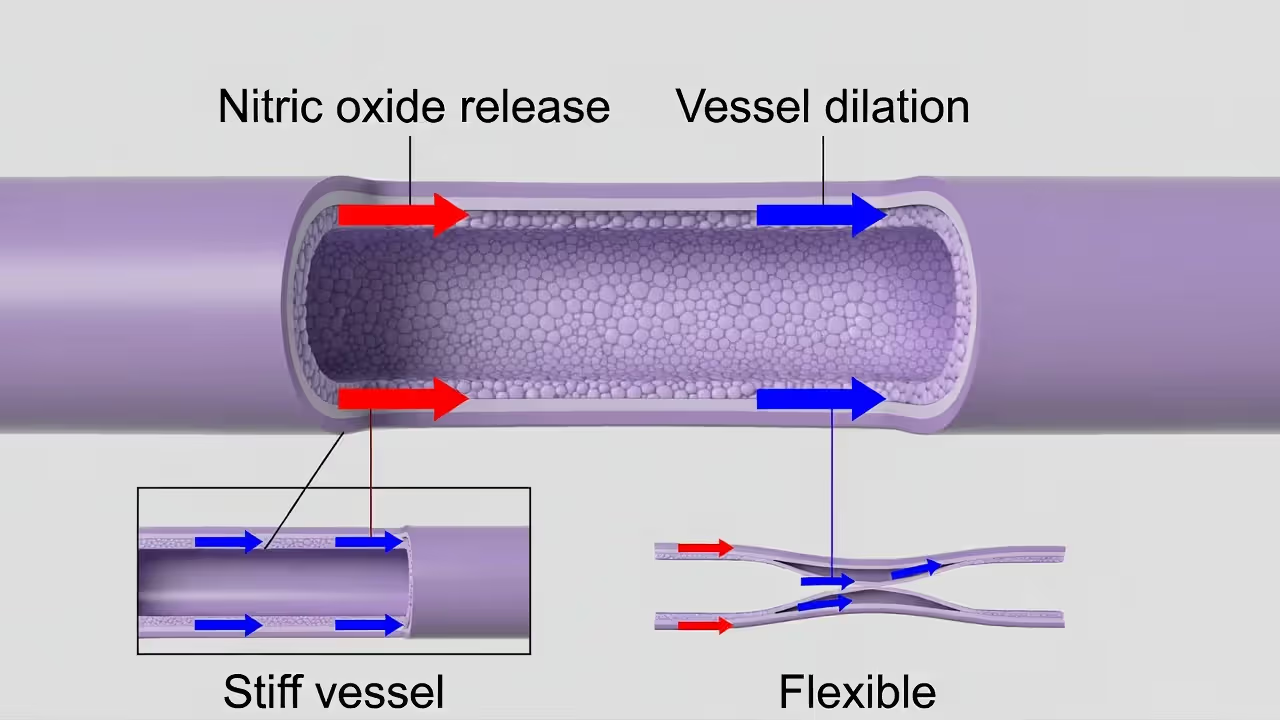
The way yoga practice enhances circulation involves another mechanism: increased nitric oxide production. Your endothelium—that thin cell layer coating the inside of your vessels—produces nitric oxide, which dilates vessels and prevents plaque formation. Specific poses trigger this effect, particularly ones that create compression followed by release, like twisting movements. These movements produce brief oxygen restriction followed by reactive flooding, essentially bathing tissues in oxygen-rich blood and stimulating endothelial cells to crank out more nitric oxide.
Heart rate variability (HRV) represents another crucial metric. HRV measures the tiny time differences between successive heartbeats. Higher variability signals better cardiovascular fitness and autonomic balance. A 2018 meta-analysis in the International Journal of Behavioral Medicine found that consistent yoga practice increased HRV by 10-15% on average, showing improved cardiac autonomic function and lower risk of sudden cardiac death.
7 Circulation-Boosting Yoga Poses for Cardiovascular Support
Author: Caleb Foster;
Source: thelifelongadventures.com
These poses target different aspects of cardiovascular function. You can practice them as a flowing sequence or weave them into whatever routine you already follow. Unless noted otherwise, hold each position for 5-8 full breaths.
Gentle Inversions to Improve Venous Return
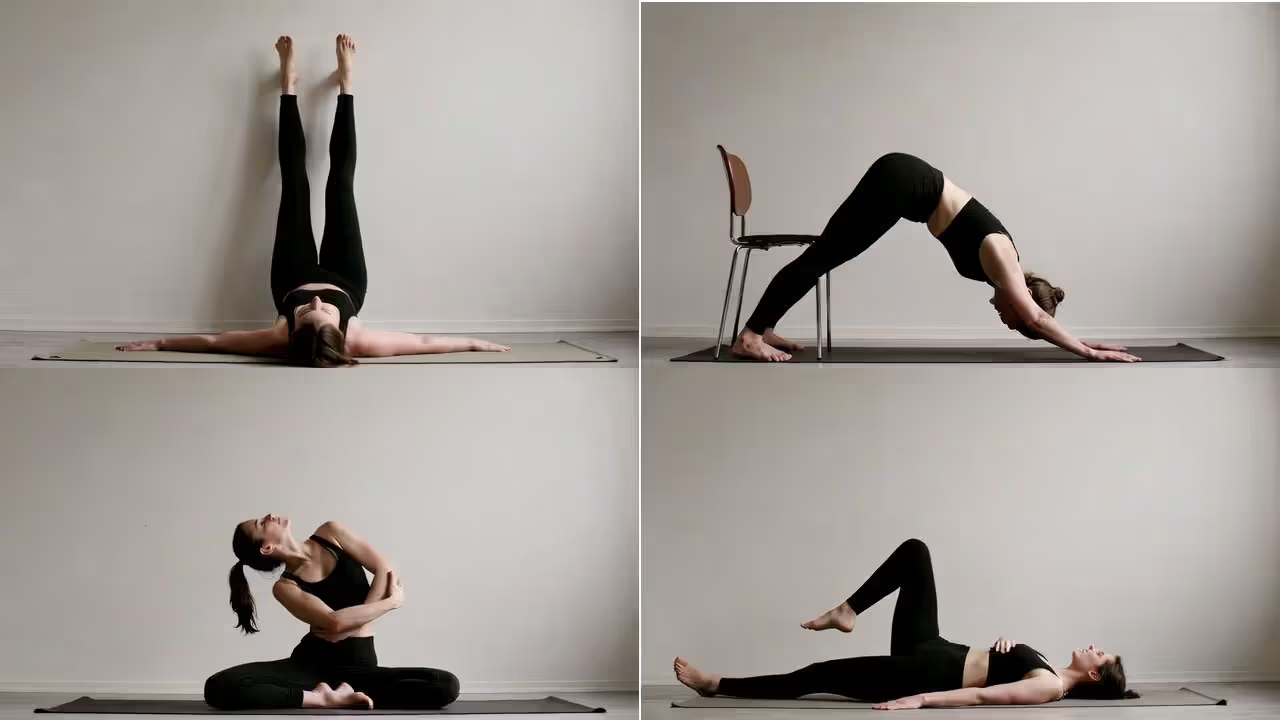
Legs-Up-the-Wall Pose (Viparita Karani)
Sit sideways next to a wall. Swing your legs up as you lower your back and shoulders to the floor. Your hips should sit close to the wall base (or right against it), legs extending straight up. Let your arms rest wherever feels comfortable—out to the sides or on your belly both work fine.
This mild inversion uses gravity to help blood from your lower body return to your heart more easily. Blood pooled in your feet and calves flows back toward your heart with less cardiovascular effort. The position triggers your baroreceptor reflex, signaling your brain to lower arterial pressure. Stay here 5-10 minutes for maximum benefit.
Skip this if you have glaucoma, detached retina issues, or you're past your first trimester of pregnancy.
Downward-Facing Dog (Adho Mukha Svanasana)
Start on your hands and knees. Tuck your toes and push your hips up and back, making an upside-down V-shape with your body. Spread your fingers wide and press firmly through your palms. Work toward straightening your legs, though keeping your knees bent is perfectly fine if your hamstrings are tight.
This position places your heart above your head, encouraging blood flow toward your upper body and brain while building shoulder and leg strength. The gentle inversion typically drops heart rate by 5-10 beats per minute.
If you have high blood pressure, modify by putting your hands on blocks or a chair seat to keep your head above heart level.
Twists That Stimulate Blood Flow
Seated Spinal Twist (Ardha Matsyendrasana)
Start sitting with both legs out front. Bend your right knee and plant that foot outside your left thigh. Bend your left knee too, bringing the left foot beside your right hip (or keep it straight for more ease). Inhale to lengthen up through your spine, exhale as you twist right, hooking your left elbow outside your right knee. Your right hand rests behind you for support.
Twisting compresses organs and blood vessels on one side, then releases everything as you unwind—creating what people often call a "wring and rinse" effect. This mechanical action pushes stagnant blood out of organs and tissues, making room for fresh, oxygenated blood to rush in. The compression also stimulates your adrenal glands, helping regulate healthy cortisol patterns.
Hold the twist for 5-8 breaths, then switch sides. Always rotate equally both directions for balanced benefits.
Supine Spinal Twist (Supta Matsyendrasana)
Lie flat on your back. Pull your right knee toward your chest, then guide it across your body to the left side, letting it rest on the floor. Extend your right arm straight out at shoulder height and turn your head to look right. Rest your left hand gently on your bent right knee.
This gentler version delivers similar circulation benefits without requiring as much spinal mobility or core strength. The reclined position minimizes cardiac workload while keeping the compression-release mechanism intact.
It is exercise alone that supports the spirits and keeps the mind in vigor.
— Marcus Tullius Cicero
Heart-Opening Backbends
Cobra Pose (Bhujangasana)
Lie face-down with your palms under your shoulders. Press the tops of your feet down into the floor. Inhale as you lift your chest, using mostly back muscle engagement rather than pushing hard with your arms. Keep your elbows slightly bent and pull your shoulder blades down away from your ears.
Backbends expand your chest cavity, giving your lungs more room to fill and your heart more space to contract. They also stretch chronically tight chest muscles—often shortened from desk work and slouching forward—which restrict chest expansion and promote shallow breathing.
Begin with smaller lifts (often called baby cobra) and gradually increase your backbend depth over several weeks. Forcing deep backbends before your spine is ready invites injury.
Bridge Pose (Setu Bandhasana)
Start on your back, knees bent, feet hip-distance apart and planted close to your sit bones. Press through your feet and lift your pelvis toward the ceiling. You can interlace your fingers under your back and press your arms down, or just keep your arms by your sides.
This combines gentle inversion with chest-opening backbend qualities. It strengthens your posterior chain—the muscles along your back body—while increasing circulation to your thyroid gland, which regulates metabolism and affects cardiovascular function. The position also activates your glutes and hamstrings, supporting proper posture and efficient daily movement.
Hold for 5-8 breaths, then slowly lower down one vertebra at a time. Rest briefly before repeating if you'd like.
Camel Pose (Ustrasana)
Kneel with your knees hip-width apart. You can tuck your toes or keep the tops of your feet flat—either works. Place your hands on your lower back for support. Engage your core and start arching backward, lifting your chest toward the ceiling. When it feels accessible without strain, reach back to hold your heels.
This deeper backbend opens your front chest substantially and stretches chronically tight hip flexors from too much sitting. The pose can initially cause lightheadedness as your system adjusts to increased chest expansion and altered blood flow patterns.
Avoid this if you have uncontrolled high blood pressure, you're recovering from recent cardiac surgery, or you have significant neck problems. Come up slowly to prevent orthostatic hypotension—that dizzy feeling from changing position too quickly.
The Science Behind Cardiovascular Benefits of Yoga Practice
Author: Caleb Foster;
Source: thelifelongadventures.com
The cardiovascular benefits of yoga reach far beyond what happens during your actual practice time. Regular yoga creates structural and functional changes in your cardiovascular system that last all day long.
A significant 2015 study published in the Journal of the American Heart Association looked at 3,400 participants across 32 different studies. People practicing yoga showed average systolic blood pressure reductions of 5 mmHg and diastolic decreases of 4 mmHg. To put that in perspective, every 2 mmHg drop in systolic pressure correlates with roughly 10% lower stroke death rates and 7% reduced death from ischemic heart disease.
The anti-inflammatory effects matter tremendously too. Chronic low-level inflammation damages vessel walls, speeds up plaque formation, and raises clotting risk. A 2017 study in Oxidative Medicine and Cellular Longevity measured inflammation markers in yoga practitioners versus sedentary controls. After 12 weeks, the yoga group showed 23% lower C-reactive protein—a key inflammation marker—and 15% decreased interleukin-6 levels.
Arterial stiffness, measured using pulse wave velocity, predicts cardiovascular events independently from blood pressure readings. Stiff arteries force your heart to work harder and increase pulse pressure—the gap between systolic and diastolic numbers. A 2018 International Journal of Yoga study showed that 12 weeks of practice reduced arterial stiffness by 9%, matching improvements seen with aerobic exercise programs.
The American Heart Association released a scientific statement in 2020 acknowledging yoga as a potentially useful complementary therapy for cardiovascular disease prevention and management. They highlighted particular promise for stress reduction, blood pressure control, and improved quality of life in cardiac patients.
Comparison: Yoga vs. Traditional Cardio Exercise for Heart Health
Benefit Category
Yoga
Traditional Cardio (Walking/Jogging)
Combined Approach
Blood Pressure Reduction
4-5 mmHg systolic drop; magnified through stress management
5-7 mmHg systolic reduction; mainly through improved vascular function
7-10 mmHg systolic decrease; mechanisms work together
Stress Hormone Levels
25-30% cortisol reduction; direct parasympathetic engagement
10-15% cortisol drop; mostly post-workout
30-35% reduction; sustained benefits throughout day
Heart Rate Variability
10-15% increase; stronger vagal tone
8-12% improvement; better cardiac efficiency
15-20% gain; ideal autonomic balance
Arterial Stiffness
9% decrease; better endothelial function
12% reduction; improved vascular remodeling
15-18% drop; maximum vascular benefits
Sustainability/Injury Risk
Low impact; 2-3% injury rate; sustainable for life
Moderate impact; 20-40% injury rate in runners; joint stress accumulates
6-8 weeks for blood pressure changes; 8-12 weeks for structural adaptations
4-6 weeks for aerobic capacity gains; 8-10 weeks for blood pressure
4-6 weeks for initial gains; 8-10 weeks for comprehensive benefits
This comparison reveals something important: yoga and traditional cardio work through different biological pathways, making them complementary rather than interchangeable. Yoga excels at stress regulation and autonomic nervous system balance. Traditional cardio provides better aerobic conditioning and calorie burn. The combined approach delivers the most complete heart-healthy movement benefits.
Research from the NIH-funded Lifestyle Heart Trial showed that comprehensive lifestyle changes including yoga reversed coronary artery blockages without drugs or surgery. After one year, participants showed average regression of atherosclerosis, while blockages in the control group progressed. At five years, the yoga group maintained these gains, proving that heart-protective benefits persist with continued practice.
Breathing Techniques That Lower Heart Disease Risk
Author: Caleb Foster;
Source: thelifelongadventures.com
Pranayama—the yogic practice of breath control—impacts cardiovascular function as powerfully as physical poses do. Your breathing pattern directly affects your autonomic nervous system, heart rate, and blood pressure through what scientists call the respiratory-cardiac reflex.
Alternate Nostril Breathing (Nadi Shodhana)
Sit comfortably with a straight spine. Take your right thumb and seal your right nostril. Draw breath in through your left nostril, counting to four. Now close your left nostril with your right ring finger, open the right side, and breathe out for four counts. Inhale right, then switch to exhale left. That's one complete round.
Do 5-10 rounds, gradually extending the count to 6 or 8 as your lung capacity improves.
This technique balances sympathetic and parasympathetic nervous system activity. A 2013 International Journal of Yoga study found that six weeks of daily alternate nostril breathing lowered blood pressure an average of 6 mmHg systolic and 4 mmHg diastolic in hypertensive participants. The practice also decreased resting heart rate by 8-10 beats per minute.
The mechanism involves activating pressure receptors in your nasal passages that connect directly to vagus nerve pathways. Slow, controlled breathing at around 5-6 breaths per minute—versus the typical 12-16—maximizes heart rate variability and activates the baroreflex, your body's built-in blood pressure regulation system.
Coherent Breathing
Inhale for a count of five, then exhale for five, maintaining this steady 5-5 rhythm. This creates a breathing rate of 6 breaths per minute. Focus on smooth, even breaths with no pause between inhale and exhale.
Practice for 5-20 minutes daily.
This simple technique optimizes respiratory sinus arrhythmia—the natural heart rate variation that happens with breathing. Your pulse speeds up slightly when you inhale, slows when you exhale. When your breathing rate matches your body's natural resonant frequency—around 6 breaths per minute for most adults—heart rate variability peaks, signaling optimal cardiovascular efficiency.
A 2017 study in Frontiers in Psychology showed that coherent breathing reduced anxiety and increased heart rate variability within just 5 minutes, with effects lasting several hours after practice. Regular practice seems to reset your autonomic nervous system's baseline, reducing chronic sympathetic overdrive.
Contraindications for Pranayama
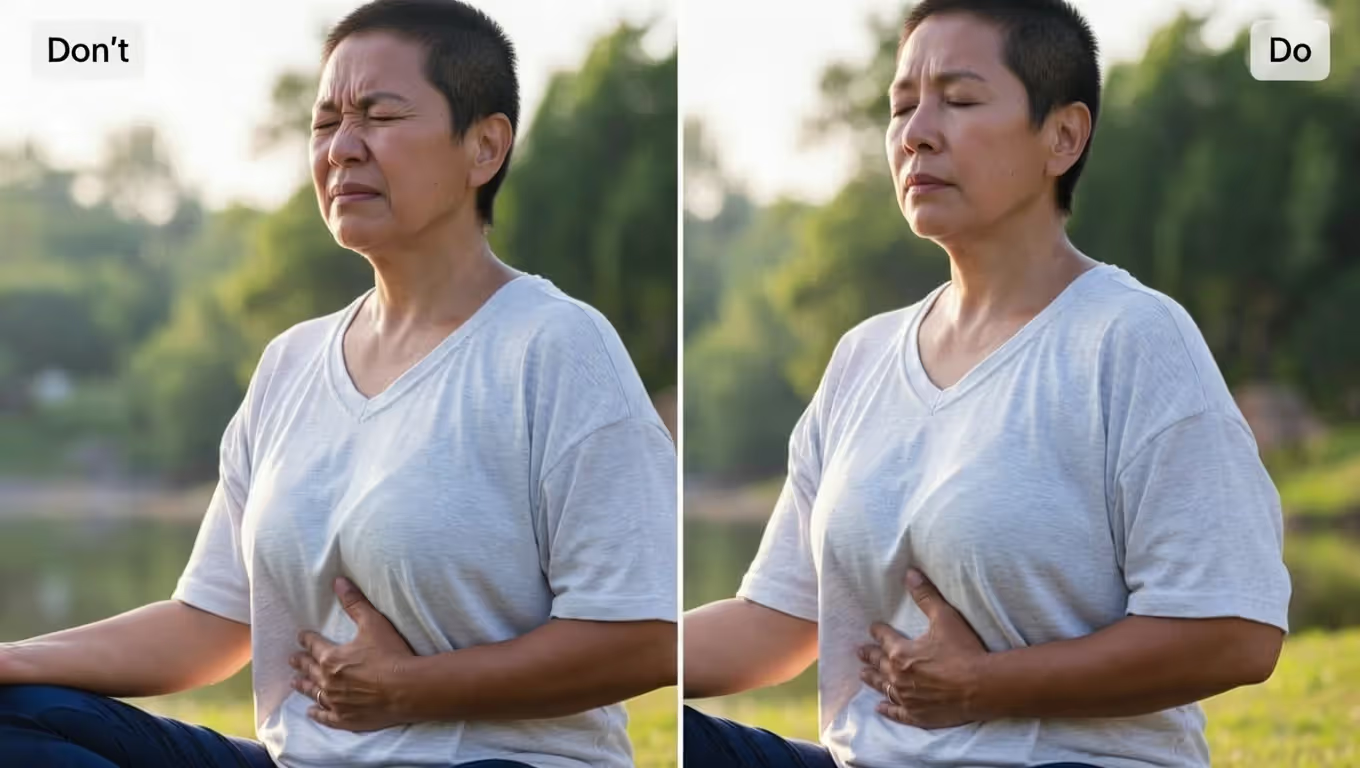
If you have severe COPD, uncontrolled asthma, or recent cardiac events, get physician clearance before starting pranayama practice. Begin with short sessions—2-3 minutes—and gradually increase duration. Never force your breath or create tension. Pranayama should feel calming, not stressful.
Common Mistakes That Reduce Heart-Healthy Benefits
Author: Caleb Foster;
Source: thelifelongadventures.com
Even experienced practitioners sometimes fall into patterns that undermine cardiovascular benefits or create unnecessary risks.
Holding Your Breath During Challenging Poses
When you're struggling to maintain balance or hold a tough position, breathing often stops unconsciously. This creates the Valsalva maneuver—bearing down against a closed throat—which temporarily spikes blood pressure and reduces blood return to your heart. Over time, repeatedly holding your breath during practice can actually increase cardiovascular stress rather than reducing it.
The fix: When you catch yourself holding your breath, back out of the pose slightly until you can maintain steady breathing. The cardiovascular benefits come from linking movement with conscious breath, not from forcing yourself into advanced positions.
Skipping the Warm-Up
Jumping straight into deep backbends or vigorous flowing sequences without gradually raising your pulse and warming your muscles increases injury risk and prevents optimal cardiovascular conditioning. Your heart needs transition time from rest to activity, progressively increasing output and redirecting blood flow from internal organs to working muscles.
Spend at least 5-10 minutes on gentle movement before progressing to more demanding practices. Cat-cow stretches, easy twists, and slow sun salutations prepare your cardiovascular system for increased demands.
Ignoring Warning Signs
Chest pain, severe shortness of breath, dizziness, or heart palpitations during practice need immediate attention. Some practitioners push through these symptoms, thinking they'll pass. They might actually indicate poor cardiovascular adaptation or underlying cardiac problems.
The right response: Stop immediately if you experience chest pressure or pain, severe breathlessness that doesn't resolve within a minute of rest, or irregular heartbeats. Distinguish between healthy effort—elevated pulse, mild breathlessness that resolves quickly—and warning signals like pain, extreme fatigue, or persistent irregular rhythm.
Practicing at Inappropriate Intensity Levels
Some yoga styles market themselves as "cardio yoga" or "power yoga," keeping heart rates elevated throughout 60-90 minute classes. While these classes offer real cardiovascular conditioning, they may not provide the stress reduction and parasympathetic activation that make yoga uniquely beneficial for heart health.
On the flip side, practicing only restorative or gentle yoga may not provide enough stimulus for cardiovascular adaptation if you're otherwise sedentary.
The solution: Build variety into your practice. Include 2-3 weekly sessions that raise your heart rate to 50-70% of maximum—you should be able to speak in short sentences but not carry on extended conversations—plus 1-2 slower sessions focusing on breathwork and deep stretches. This combination provides both cardiovascular conditioning and stress reduction.
Building a Weekly Yoga Routine for Optimal Heart Function
Author: Caleb Foster;
Source: thelifelongadventures.com
Consistency beats perfection every time. A sustainable routine you'll maintain for months trumps an ambitious schedule you abandon after three weeks.
Minimum Effective Dose
Research shows that 150 minutes per week of moderate-intensity activity—including yoga—provides substantial cardiovascular benefits. That translates to three 50-minute sessions or five 30-minute practices. If you're starting from a sedentary baseline, begin with two 20-30 minute weekly sessions and gradually increase frequency and duration over 4-6 weeks.
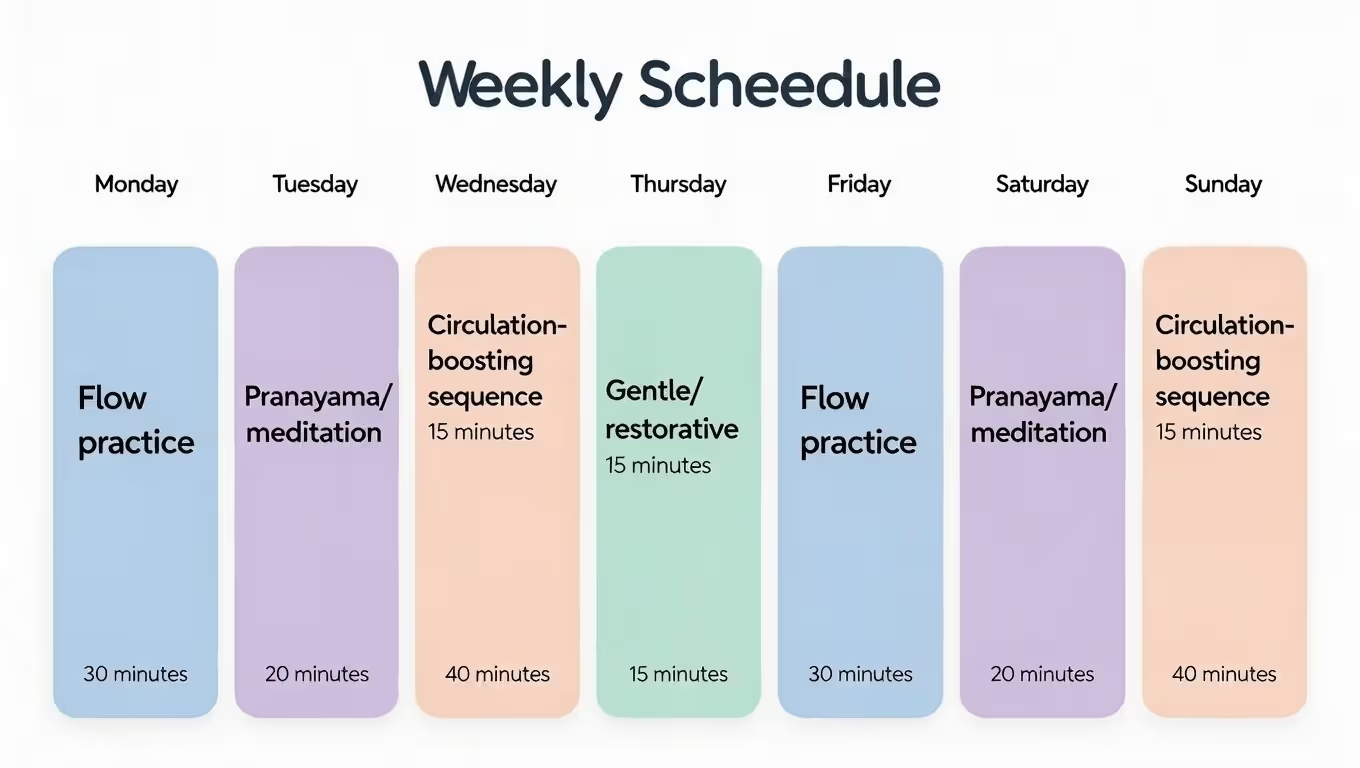
A practical starter schedule might look like:
Monday: 30-minute flow practice with sun salutations, standing poses, and gentle backbends
Wednesday: 20-minute pranayama and meditation session
Friday: 40-minute practice including the 7 circulation-boosting poses outlined above
Sunday: 15-minute gentle practice or restorative poses
Progression Timeline
Weeks 1-4: Focus on learning proper form and building consistency. Your pulse may not elevate dramatically yet. That's completely normal. You're building the foundation.
Weeks 5-8: Gradually increase intensity by holding poses longer, moving through flows more quickly, or adding more challenging variations. You should notice improved stamina and easier breathing during practice.
Weeks 9-12: Cardiovascular adaptations become measurable. Many practitioners notice lower blood pressure, better resting heart rate, and improved stress management by this point.
Months 4-6: Structural changes occur—improved arterial flexibility, higher heart rate variability, and measurable shifts in inflammation markers.
Combining Yoga with Other Exercise
Yoga complements rather than replaces other forms of cardiovascular exercise. An ideal weekly routine for complete heart health might include:
2-3 yoga sessions (60-90 minutes total)
2-3 moderate-intensity cardio sessions like brisk walking, cycling, or swimming (60-90 minutes total)
1-2 strength training sessions (optional but beneficial for overall metabolic health)
This combination addresses cardiovascular fitness, strength, flexibility, and stress management—the full spectrum of heart-healthy movement.
When time is tight, prioritize consistency over duration. Three 20-minute sessions you actually complete beat one ambitious 90-minute practice you keep postponing.
Timing Considerations
Morning practice may offer the most consistent stress-reduction benefits, setting a calm tone for your day and moderating cortisol's natural morning spike. However, afternoon or evening practice can effectively release accumulated stress from your workday.
Avoid intense practice within 2-3 hours of bedtime, since elevated pulse and core temperature may interfere with falling asleep. Gentle, restorative practices work beautifully in the evening.
Frequently Asked Questions About Yoga and Heart Health
Is yoga safe if I already have heart disease or have had a heart attack?
Yoga can be both safe and beneficial for people with existing cardiovascular disease, but you absolutely need medical clearance and appropriate modifications. The American Heart Association acknowledges yoga as a potentially helpful component of cardiac rehabilitation programs. A 2014 study in the European Journal of Cardiovascular Nursing found that heart attack survivors who practiced yoga showed better quality of life, reduced anxiety, and improved exercise capacity compared to those receiving standard care alone.
Start with a cardiac rehabilitation program if available—these medically supervised programs can safely incorporate yoga. Initially avoid inversions (including downward dog), deep backbends, and breath-holding practices. Focus instead on gentle poses, supported positions, and breathing exercises. Work with a yoga therapist or instructor experienced with cardiac populations who can modify practices appropriately.
If you take blood pressure medications, monitor your pressure regularly. Yoga may enhance medication effects, potentially requiring dosage adjustments under your doctor's supervision.
Which style of yoga provides the most cardiovascular benefits?
Research doesn't identify a single "best" style, but certain approaches have stronger evidence. Hatha yoga—the foundation for most Western styles—has the most research supporting cardiovascular benefits. Iyengar yoga, with its emphasis on precise alignment and use of props, has shown blood pressure reductions in multiple studies.
Vinyasa or flow styles that link breath with continuous movement offer more aerobic conditioning but may provide less stress reduction than slower practices. Bikram or hot yoga raises heart rate substantially but also increases dehydration risk and may be contraindicated for people with certain cardiac conditions.
The most effective approach integrates elements: flowing sequences that moderately raise pulse, held poses that build strength and focus, pranayama for autonomic regulation, and relaxation for stress reduction. Many studios offer "heart-healthy yoga" or "gentle flow" classes designed specifically for cardiovascular benefits.
How often should I practice yoga to see improvements in heart health?
Most studies showing cardiovascular benefits used protocols of 3-5 weekly sessions, 30-60 minutes each. Measurable blood pressure reductions typically appear within 6-8 weeks at this frequency.
However, even twice-weekly practice provides benefits, especially if you're also doing other forms of physical activity. The key factor is consistency—practicing twice weekly for six months produces better results than practicing daily for three weeks then stopping.
If you can only commit to one weekly session, supplement with daily pranayama practice—10-15 minutes. The breathing techniques alone offer measurable cardiovascular benefits and help maintain stress-reduction effects between physical practice sessions.
Can yoga replace my regular cardio workouts for heart health?
Yoga can serve as your primary exercise if you're currently sedentary, providing significant cardiovascular improvements. However, yoga typically doesn't elevate heart rate as high or as sustained as traditional aerobic exercise, so it builds cardiovascular fitness through different pathways.
The ideal approach combines both. Yoga delivers stress reduction, improved autonomic balance, and increased heart rate variability—benefits that traditional cardio doesn't provide as effectively. Conversely, activities like brisk walking, cycling, or swimming build aerobic capacity and burn calories more efficiently than most yoga styles.
If you genuinely prefer yoga and will practice it consistently versus sporadically doing cardio you hate, yoga alone beats doing nothing by miles. But if you can incorporate both, you'll gain complementary benefits: aerobic fitness from cardio and stress resilience from yoga.
What heart rate should I aim for during yoga practice?
Unlike traditional cardio, yoga doesn't require sustained elevated pulse to deliver cardiovascular benefits. Most of yoga's heart-protective effects come from parasympathetic activation, stress hormone reduction, and improved vascular function rather than pure aerobic conditioning.
During active flow sequences, your pulse may reach 50-70% of maximum. Calculate maximum as 220 minus your age. For a 50-year-old, that translates to 85-120 beats per minute. During held poses, it may drop to 40-50% of maximum. During relaxation, it should approach or fall below your normal resting rate.
Rather than obsessing over pulse targets, pay attention to breath quality. If you can maintain smooth, controlled nasal breathing, you're at an appropriate intensity. If you're gasping or can't complete full breaths, reduce intensity.
The evidence supporting yoga for heart health extends beyond individual studies to include systematic reviews, meta-analyses, and recognition from major medical organizations. The practice works through multiple mechanisms—lowering stress hormones, activating the parasympathetic nervous system, improving endothelial function, reducing inflammation, and strengthening autonomic balance—that traditional exercise alone doesn't address as thoroughly.
Starting a heart-healthy yoga practice doesn't require advanced flexibility, expensive equipment, or hours of daily commitment. Begin with 20-30 minutes twice weekly, emphasizing the circulation-boosting poses outlined here. Add pranayama techniques to balance your autonomic nervous system. Gradually build consistency over weeks and months.
The cardiovascular benefits accumulate with regular practice: blood pressure decreases, arterial stiffness reduces, heart rate variability improves, and stress resilience increases. These changes translate to lower cardiovascular disease risk, better management of existing cardiac conditions, and improved quality of life.
Your heart will beat roughly 2.5 billion times throughout your lifetime. Yoga offers evidence-based tools to help those billions of beats happen more efficiently, with less strain, and support you through a longer, healthier life.
Can yoga help you lose weight? Explore what research shows about calorie burn, metabolic impact, hormone balance, and which yoga styles are most effective for supporting fat loss, improving body composition, and building sustainable habits beyond the mat.
Discover proven bedtime yoga stretches and calming breathing techniques designed to help you fall asleep faster and sleep more deeply. Follow a complete 15-minute routine with clear, step-by-step instructions to relax your nervous system, release tension, and prepare your body for restful sleep.
Discover 8 essential yoga poses and a simple 15-minute desk routine designed to correct poor posture, realign your spine, and ease upper back pain. Follow expert guidance to release tension, strengthen postural muscles, improve mobility, and prevent stiffness caused by long hours of sitting.
Discover 8 proven yoga poses designed to relieve neck pain and reduce cervical tension. Follow clear, step-by-step guidance tailored for desk workers to improve mobility, correct posture imbalances, restore healthy alignment, and prevent recurring stiffness caused by long hours of sitting.
The content on this website is provided for general informational and educational purposes related to health, yoga, fitness, and overall wellness. It is not intended to replace professional medical advice, diagnosis, or treatment.
All information, workout suggestions, yoga practices, nutrition tips, and wellness guidance shared on this site are for general reference only. Individual health conditions, fitness levels, and medical needs vary, and results may differ from person to person. Always consult a qualified healthcare provider before starting any new exercise program, dietary plan, or wellness routine.
We are not responsible for any errors or omissions, or for any outcomes resulting from the use of information presented on this website. Your health and fitness decisions should always be made in consultation with appropriate medical and fitness professionals.