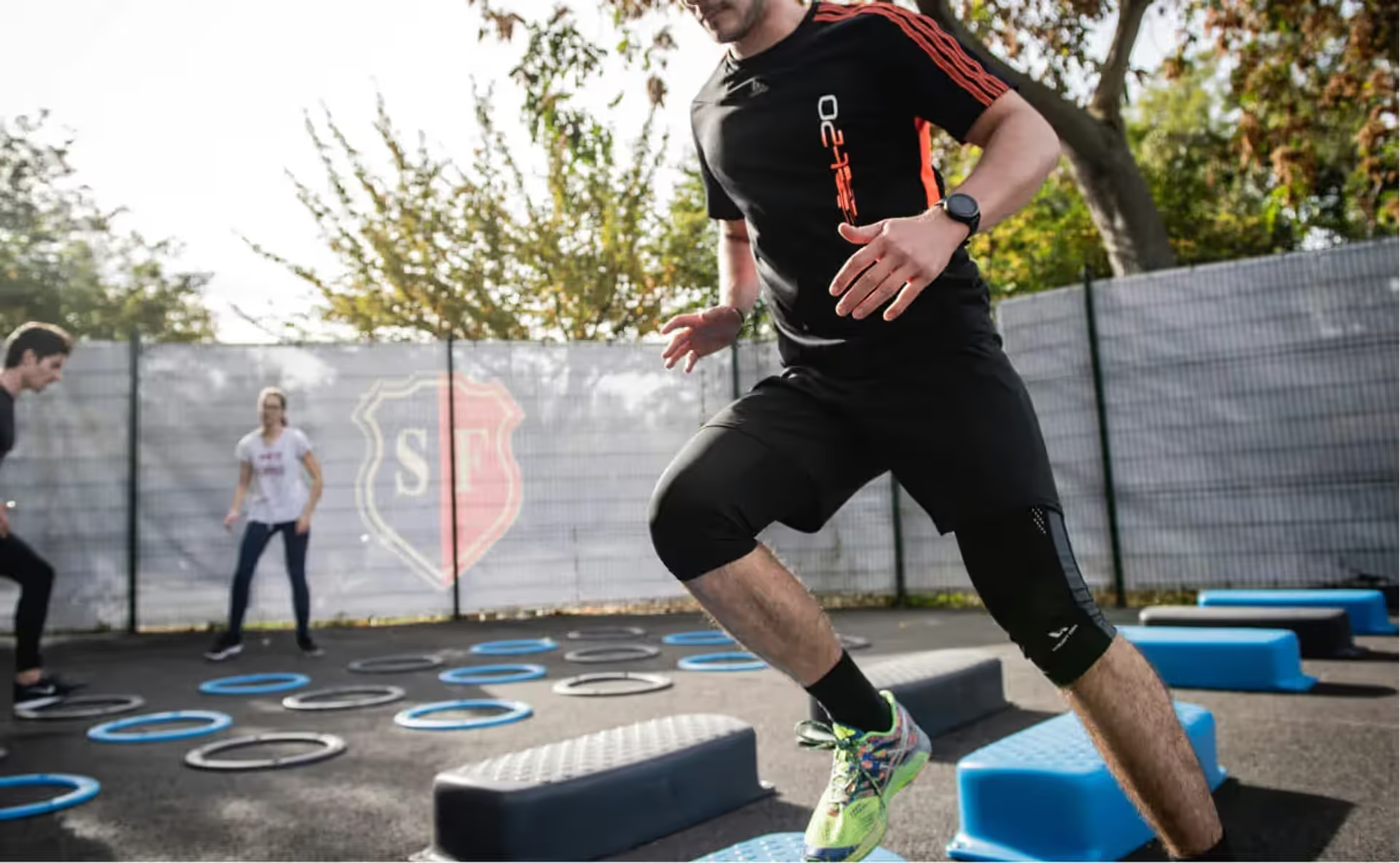
How to Get Real Results from 20-Minute Workouts at Home
Science-backed guide to 20-minute workouts. Burn calories, build strength, and get results with efficient training.

Every person confidently loading plates once stood exactly where you are — confused and uncertain. This guide bridges that gap with seven fundamental lifting techniques, a complete 8-week plan progressing from foundation to overload, essential gear vs. marketing waste, how to pick starting weights, five mistakes that destroy beginner progress, and tracking methods that reveal real gains the scale
Read articleScience-backed guide to 20-minute workouts. Burn calories, build strength, and get results with efficient training.
A 250-pound person absorbs 750 pounds of pressure per running stride — no wonder joints protest. This guide covers 12 low impact exercises from swimming to chair squats with calorie comparisons, a week-by-week progression plan for beginners, knee-friendly modifications, water-based options for weight concerns, common mistakes that turn safe workouts into injuries, and an honest equipment guide sep
Your pulse is at 165 BPM, blood vessels are dilated to triple their resting size, and metabolic waste is flooding muscle tissue — stop moving now and tomorrow you'll barely straighten your legs. This guide explains why those final 10-15 minutes determine recovery quality, covers heart rate reduction protocols, static vs. dynamic stretching, a full 10-minute routine, cool downs by workout type, and
Most gym-goers waste hours on five-day splits that crumble when life interrupts. A full body routine trains everything each session in three to four weekly visits. This guide covers five essential movement patterns, beginner and intermediate schedules, an 8-exercise starter workout with progression rules, how to combine strength and cardio without overtraining, and the common mistakes that sabotag

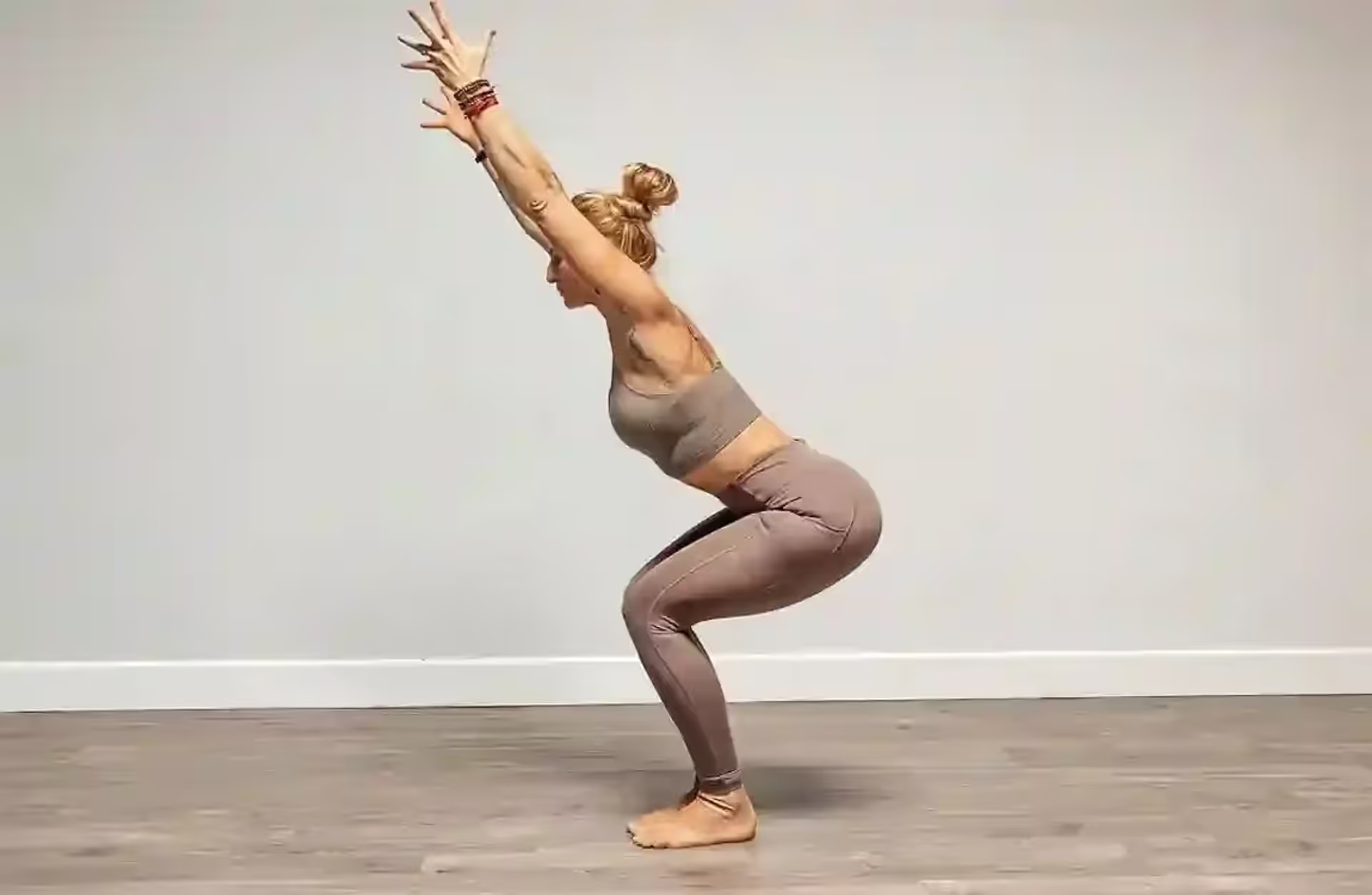
Achieving and maintaining a healthy weight is a common goal for many people, and physical activity plays a crucial role in this journey. Regular exercise not only helps in burning calories but also boosts metabolism, tones muscles, and improves overall well-being. Among various forms of physical activity, specific poses, especially those derived from yoga, Pilates, and strength training, have proven to be particularly effective for weight loss.

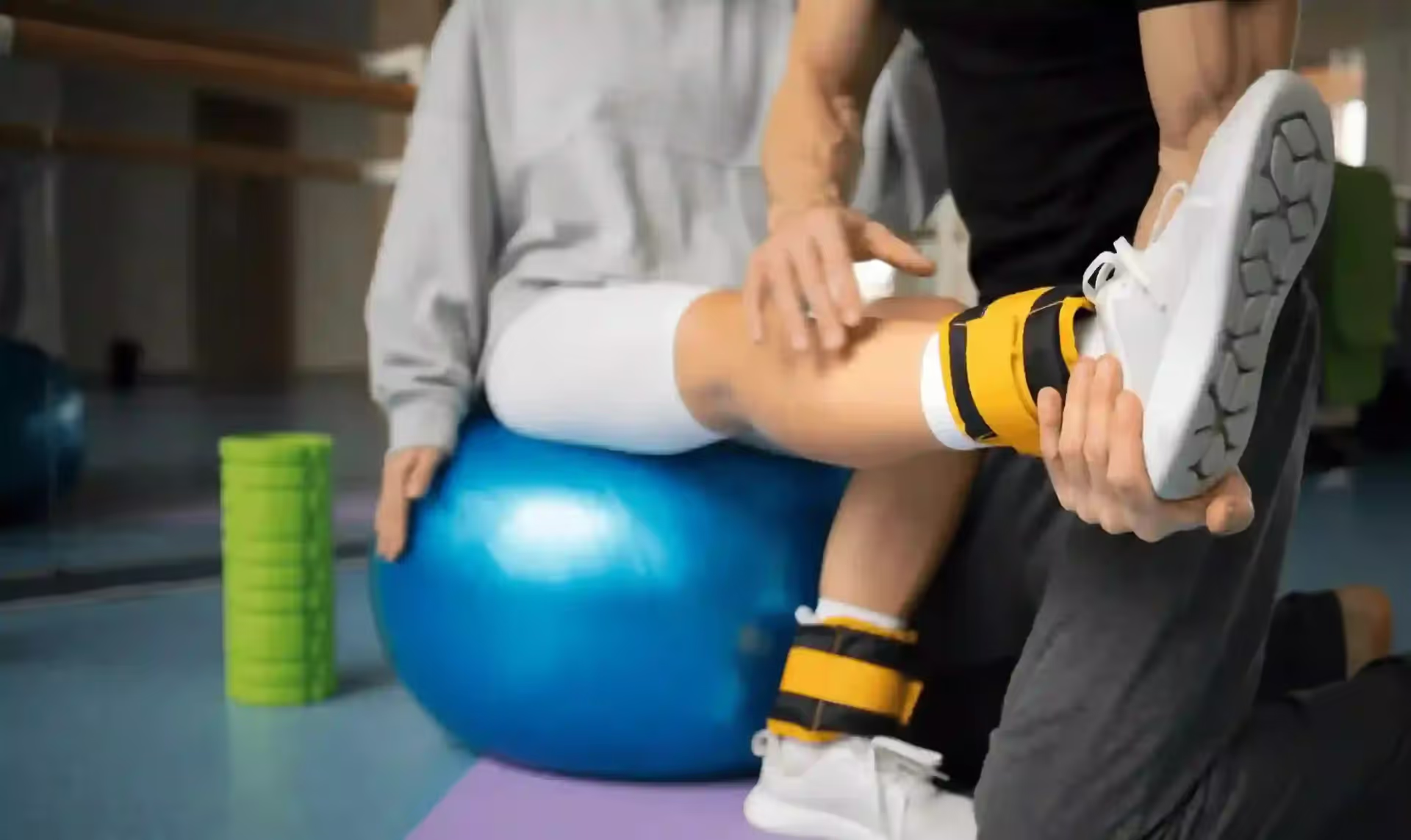
In this article, we will explore some of the most effective unconventional recovery methods for sports injuries. From cutting-edge technology to ancient healing practices, these methods can help you bounce back faster and stronger. Whether you're recovering from a sprain, a muscle tear, or chronic overuse, these strategies may provide the edge you need to return to peak performance.

Injuries, whether minor or severe, are an inevitable part of life, especially for those who are physically active. The importance of proper recovery after an injury cannot be overstated. A well-structured recovery plan not only ensures that you heal completely but also helps prevent future injuries and complications. Ignoring the recovery process or rushing through it can lead to chronic issues and prolonged downtime, significantly impacting your overall health and performance.

Cardiovascular workouts, commonly referred to as cardio, are exercises that raise your heart rate and keep it elevated for a prolonged period. These exercises are essential for maintaining overall health and fitness, contributing significantly to physical and mental well-being. In this guide, we will explore the various aspects of cardio workouts, their benefits, and how to incorporate them into your fitness routine effectively.

In the competitive world of athletics, physical fitness is the key to success. Athletes, both professional and amateur, constantly strive to improve their performance through rigorous training, pushing their bodies to the limit to achieve their goals. However, there is a silent and often overlooked threat to athletic performance: micro-traumas. These small, seemingly insignificant injuries can accumulate over time, leading to severe physical problems that can hinder performance and, in some cases, end careers. In this article, we will delve into the concept of micro-traumas, how they occur, and most importantly, how they can wreck your athletic performance if left untreated. We'll also discuss strategies to identify, manage, and prevent these invisible injuries to ensure athletes maintain peak condition.

Sports injuries are an inevitable part of an active lifestyle. Whether you are a professional athlete or a recreational player, the risk of injury is always present. Properly addressing these injuries is crucial for several reasons, including preventing long-term damage, ensuring a swift recovery, and maintaining overall health and performance.

High-Intensity Interval Training, commonly known as HIIT, is a form of cardiovascular exercise strategy that alternates short periods of intense anaerobic exercise with less intense recovery periods. HIIT workouts typically last between 10 to 30 minutes, but despite their short duration, they can produce health benefits similar to twice as much moderate-intensity exercise. The core concept of HIIT is to push your limits for a short period, followed by a rest or low-intensity phase, then repeat.
Read more
In this article, we will explore some of the most effective unconventional recovery methods for sports injuries. From cutting-edge technology to ancient healing practices, these methods can help you bounce back faster and stronger. Whether you're recovering from a sprain, a muscle tear, or chronic overuse, these strategies may provide the edge you need to return to peak performance.
Read more
A 250-pound person absorbs 750 pounds of pressure per running stride — no wonder joints protest. This guide covers 12 low impact exercises from swimming to chair squats with calorie comparisons, a week-by-week progression plan for beginners, knee-friendly modifications, water-based options for weight concerns, common mistakes that turn safe workouts into injuries, and an honest equipment guide sep
Read more
Hands-on 2025 guide to the best home workout apps—programs, prices, gear needs, and who each option fits best.
Read more
Your cardiovascular system responds to intensity, not location — and that gym commute eats 156 hours annually. This guide covers 12 indoor exercises ranked by calorie burn from 4 to 12 per minute, equipment comparison from $0 to $2,000, four structured workout plans for beginners through advanced, common mistakes that cause injury or plateau, and six tracking methods proving your heart health is i

A 250-pound person absorbs 750 pounds of pressure per running stride — no wonder joints protest. This guide covers 12 low impact exercises from swimming to chair squats with calorie comparisons, a week-by-week progression plan for beginners, knee-friendly modifications, water-based options for weight concerns, common mistakes that turn safe workouts into injuries, and an honest equipment guide sep

Your body burns fat when metabolic conditions are right — not when you sweat more or feel sore. This guide breaks down five training methods from HIIT to resistance work with calorie comparisons, a progressive 4-week plan from foundation to peak, why combining cardio and strength beats either alone, common mistakes that stall results, and six progress tracking methods that reveal real changes the

When it comes to yoga and fitness, experiencing discomfort is often part of the journey toward physical progress. Whether you're lifting weights, practicing yoga, or engaging in high-intensity workouts, your body will undergo stress as it adapts to new demands. But how do you know if the discomfort you're feeling is a natural part of building strength or if it's a sign of injury?
The content on this website is provided for general informational and educational purposes related to health, yoga, fitness, and overall wellness. It is not intended to replace professional medical advice, diagnosis, or treatment.
All information, workout suggestions, yoga practices, nutrition tips, and wellness guidance shared on this site are for general reference only. Individual health conditions, fitness levels, and medical needs vary, and results may differ from person to person. Always consult a qualified healthcare provider before starting any new exercise program, dietary plan, or wellness routine.
We are not responsible for any errors or omissions, or for any outcomes resulting from the use of information presented on this website. Your health and fitness decisions should always be made in consultation with appropriate medical and fitness professionals.