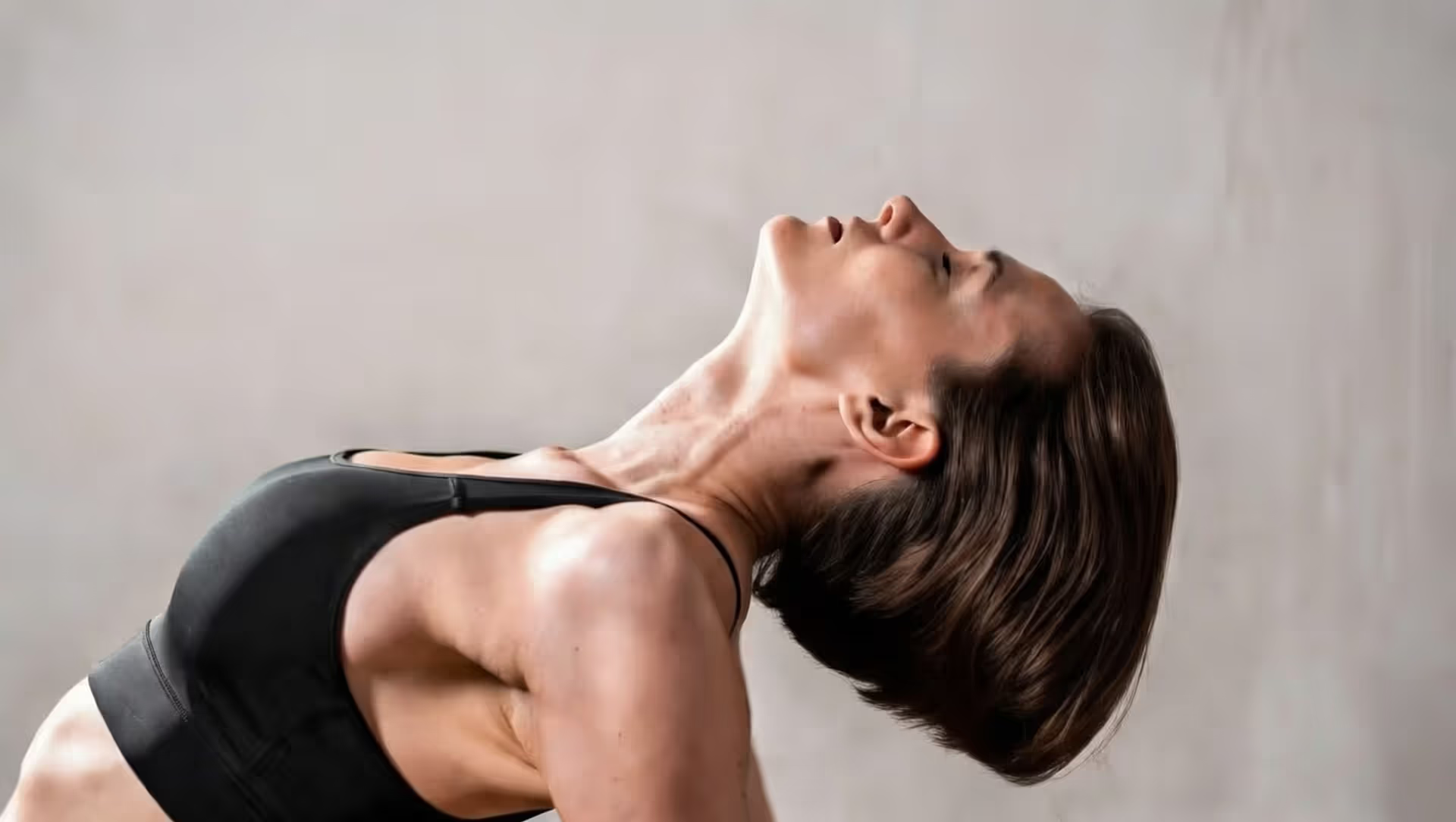
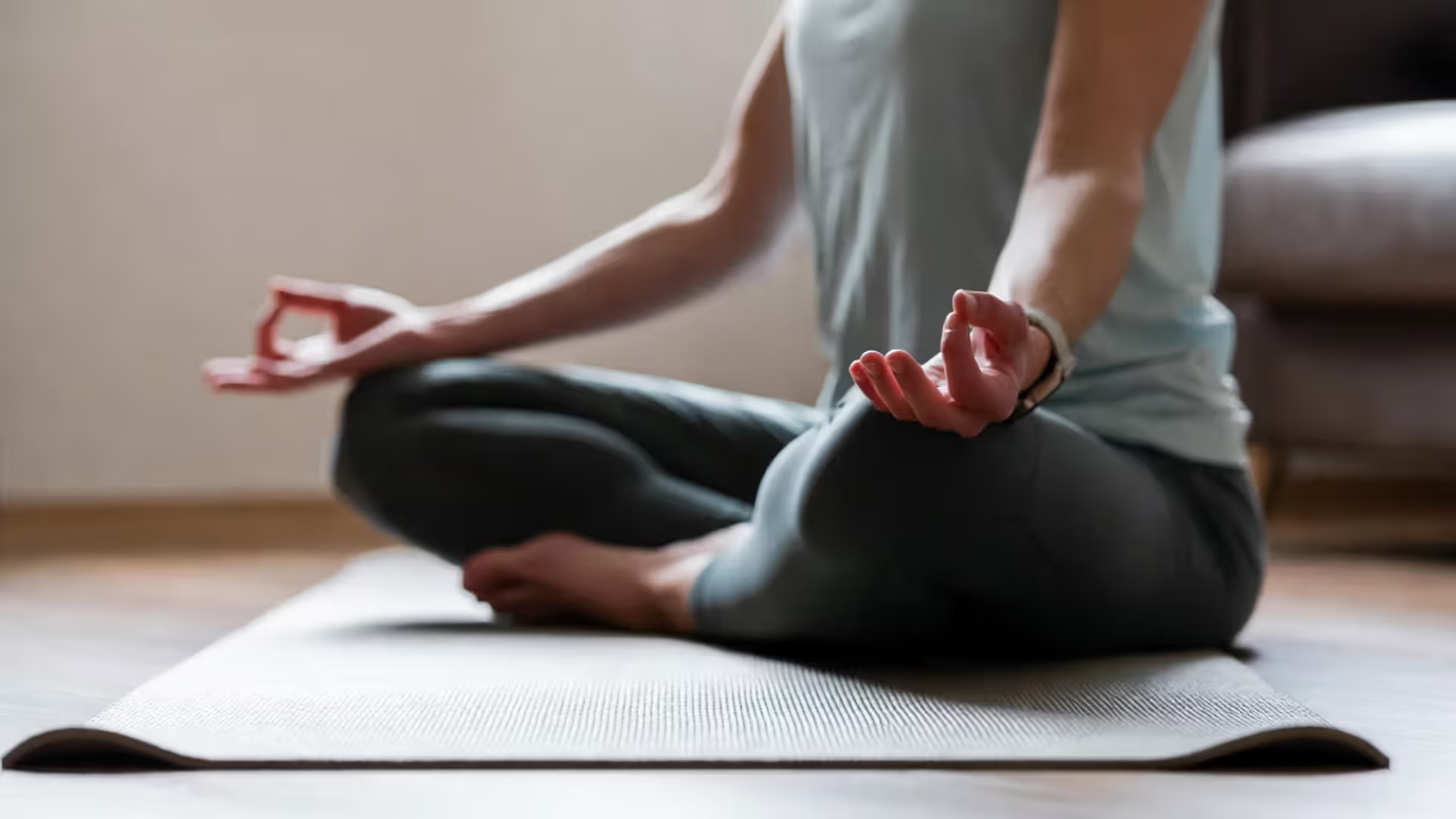
About three in ten American adults deal with neck discomfort each year—and if you're reading this hunched over a laptop right now, you already know the culprit. Your neck contains seven vertebrae stacked like building blocks, holding up a head that weighs somewhere between a bowling ball and a small watermelon. Evolution didn't prepare this structure for staring at screens eight hours daily. As fatigue sets in and your posture crumbles, your head creeps forward. The muscles running down the back of your neck never get a break—they're locked in a constant holding pattern. Weeks turn into months. Tension builds. Blood flow gets restricted. Your body develops workarounds that cause their own problems. Yoga interrupts this entire sequence.
Why Desk Workers Develop Chronic Neck Tension
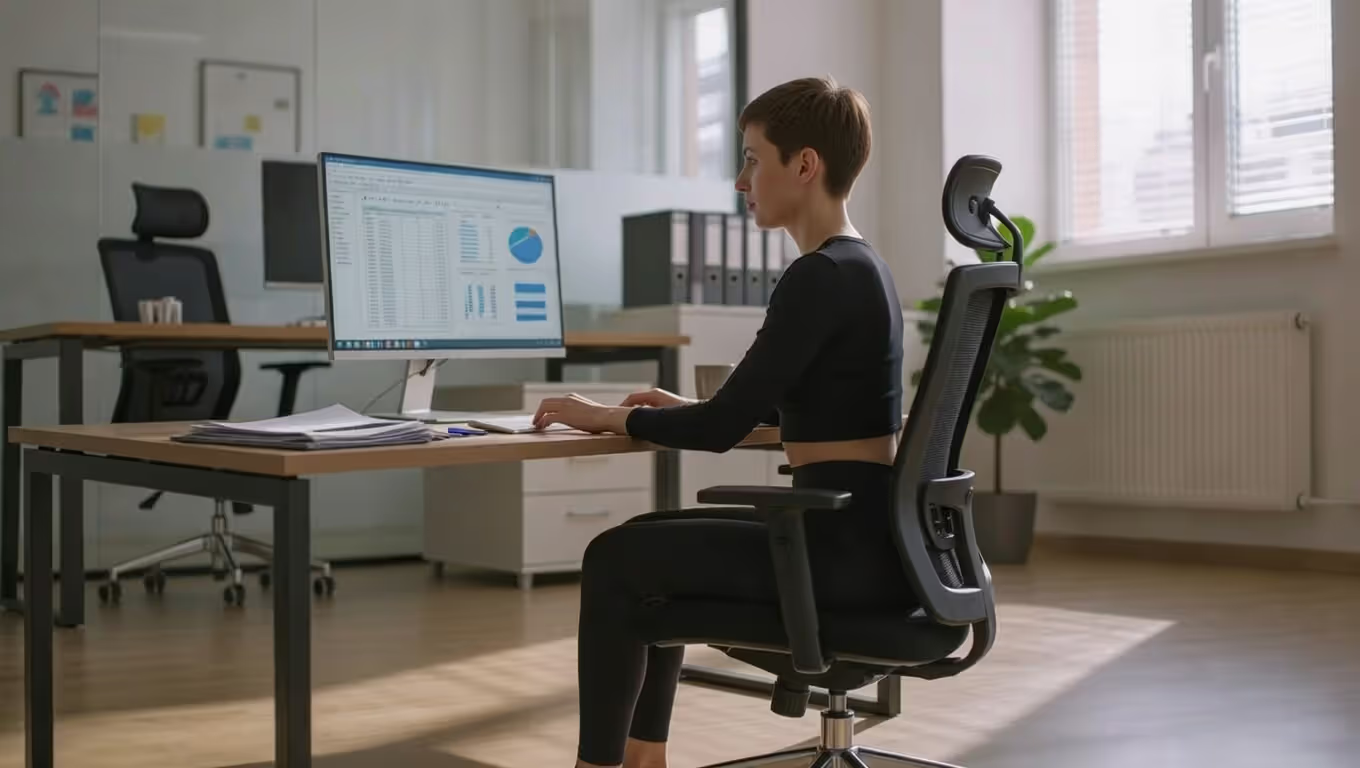
Here's something wild: push your head forward just one inch from where it should sit, and you've added roughly ten pounds of stress to your neck muscles. Now picture yourself three inches forward during a six-hour workday. Your neck is now supporting the equivalent of a 40-pound weight. No wonder it hurts.
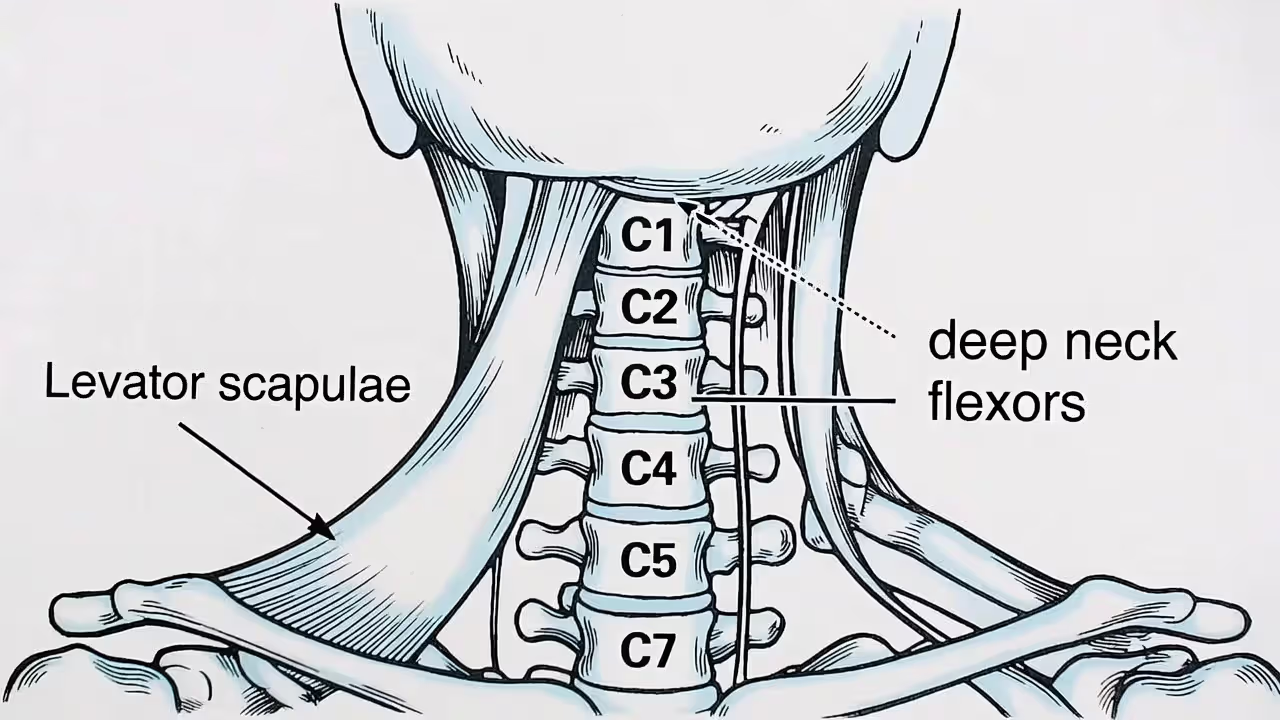
The tiny muscles where your skull meets your spine—your suboccipitals—stay shortened for so long they forget how to relax. Your levator scapulae (those ropy muscles connecting your neck to your shoulder blades) develop painful knots that send aching sensations up into your head. Meanwhile, the stabilizing muscles along the front of your neck? They're basically retired. Weak and underused.
Here's where things get worse. Tight muscles in back yank your vertebrae together, squeezing the spaces where nerves exit. The weak muscles in front can't counterbalance this backward pull. Your head drifts even further forward. You start breathing shallowly from your chest—common when you're curled over a keyboard—which means less oxygen reaching already-overworked tissues. Your nervous system reads this whole situation as a low-grade threat requiring constant muscle guarding. The guarding increases tension. See the problem?
Office posture yoga breaks this pattern by retraining your proprioception—basically your internal GPS for body position. After thousands of hours with your head forward, your brain starts thinking that's normal. Specific stretches and strengthening movements reset healthier reference points so neutral alignment stops feeling weird and starts feeling natural.
One more thing about office environments: air conditioning makes everything worse. Cold air reduces how pliable your tissues are, making them easier to strain. Desk worker yoga stretches performed throughout the day keep tissues warm and circulation flowing, preventing the stiffness that accumulates when you sit still too long.
How Yoga Addresses Cervical Spine Dysfunction
Author: Jessica Taylor;
Source: thelifelongadventures.com
Cervical spine yoga works through several mechanisms beyond simple muscle stretching. When you hold sustained gentle traction—say, in Supported Fish Pose—you actually increase how much fluid your intervertebral discs can hold. Creating negative pressure draws fluid into disc spaces. Better hydration means better shock absorption and nutrient delivery to disc tissue, which lacks its own blood supply.
Controlled movement through comfortable ranges stimulates mechanoreceptors—specialized sensory neurons detecting tissue position and movement. Here's the interesting part: when you perform slow, mindful neck rotations, these receptors send signals that can actually override pain signals traveling to your brain along the same pathways. This "gate control" mechanism explains why gentle movement often brings immediate relief even before your tissues physically change.
Deep belly breathing during yoga practice activates your parasympathetic nervous system, reducing muscle tone throughout your entire body. Your vagus nerve connects breathing patterns to muscle tension. Slow, complete exhales signal safety to your nervous system, allowing chronically guarded muscles to release in ways stretching alone can't achieve.
Neck mobility yoga also addresses restrictions in your fascia—the connective tissue wrapping everything. Cervical fascia forms continuous sheets connecting your neck to your upper back, ribcage, and skull. Tightness anywhere in this network creates compensatory tension somewhere else. Movements combining rotation, side-bending, and flexion/extension help restore how these fascial layers glide past each other.
Blood flow improvements matter more than most people realize. Constantly contracted muscles squeeze capillaries shut, reducing oxygen and nutrient delivery while trapping metabolic waste products. These waste products—including substance P and bradykinin—make pain receptors hypersensitive, lowering your threshold for discomfort. Yoga's alternating contraction and release creates a pumping effect that flushes tissues and restores healthy circulation.
8 Proven Yoga Poses for Neck Pain Relief
Author: Jessica Taylor;
Source: thelifelongadventures.com
These neck tension relief yoga poses progress from gentle mobilization to deeper releases. Use the full sequence or cherry-pick 3-4 addressing your specific tight spots.
Seated Cat-Cow Variations
Scoot to your desk chair's edge. Plant both feet flat. Rest hands on your thighs. Breathe in while arching your upper back—squeeze your shoulder blades together, lift your chest, and let your head follow naturally without cranking it backward. Breathe out while rounding your upper back, tucking your chin toward your chest and spreading your shoulder blades apart. Critical detail: the movement starts from your mid-back, not your neck. Your cervical spine just continues whatever curve you've created below.
Do 8-10 cycles, syncing breath with movement. Each complete cycle takes 8-10 seconds. If your desk is the right height, place both hands on the desk surface for extra support. This variation takes load off your neck while establishing spinal articulation patterns that years of static sitting have erased.
Thread the Needle
Start on hands and knees (tuck a folded blanket under your knees if needed). Slide your right arm underneath your left, lowering your right shoulder and the right side of your head to the floor. Keep your left hand planted or reach it forward for a deeper twist. The release comes from gravity's gentle pull on the right side of your neck—you're not forcing rotation.
Hold 90 seconds each side. Breathe into the stretched areas—you should feel mild pulling along your right neck and shoulder, never sharp pain. Can't reach the floor comfortably with your shoulder or temple? Stack a block or folded blanket underneath. Forcing the position compresses tissues instead of releasing them.
Eagle Arms with Neck Tilts
Cross your right elbow over your left. Bend both elbows and bring your palms together (or press the backs of your hands together if your shoulders are tight). Lift your elbows to shoulder height—this position stretches the rhomboids and mid-trapezius muscles that contribute to neck tension when they're tight.
Keep your arms in position while slowly dropping your left ear toward your left shoulder. Hold 30 seconds with steady breathing. Return to center, then drop your right ear toward your right shoulder for 30 seconds. The arm position prevents you from hiking your shoulder up—a common cheat that reduces the stretch's effectiveness. Do the full sequence twice per side.
Movement is a medicine for creating change in a person’s physical, emotional, and mental states.
— Carol Welch
Supported Fish Pose
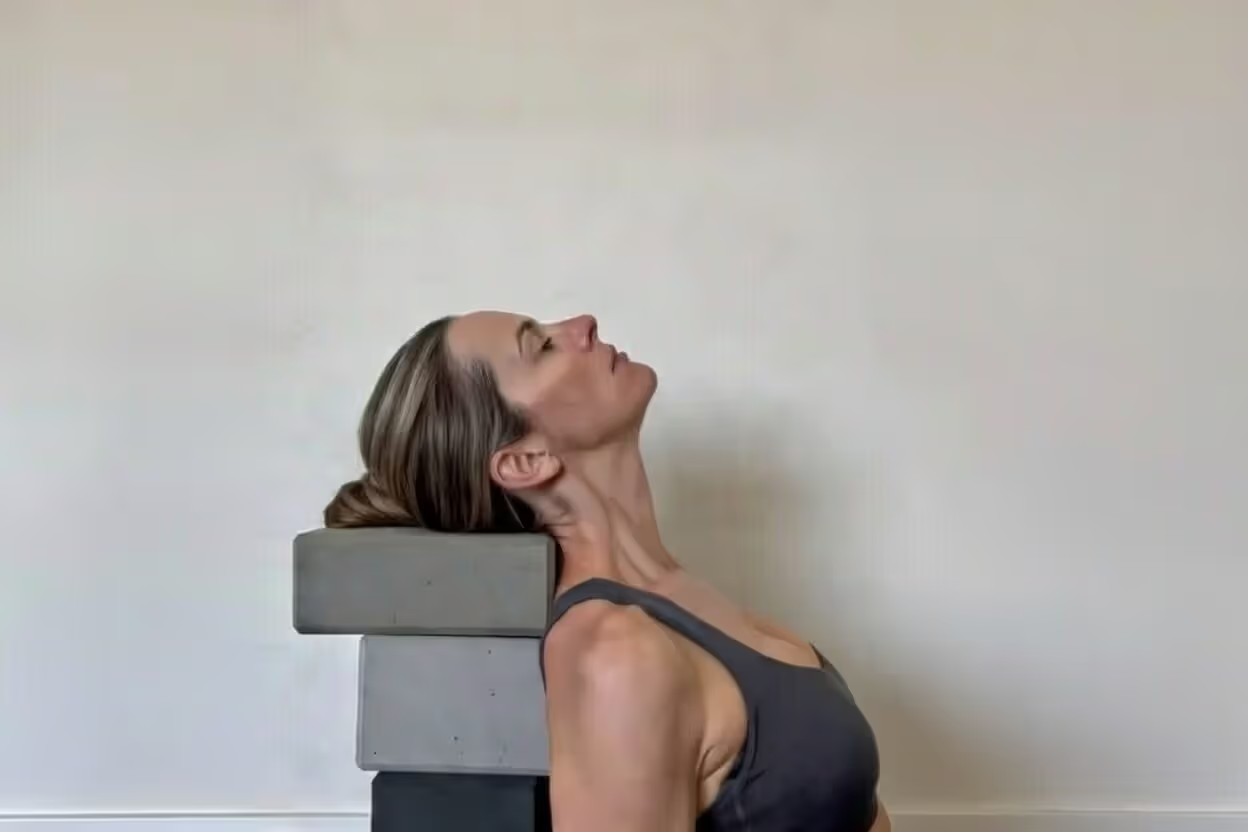
Position a yoga block (medium height) where your shoulder blades will land, and a second block (low or medium height) where your head will rest. Sit just in front of the blocks, then carefully recline backward, adjusting block positions until your mid-back arches over the first block and your head rests comfortably on the second. Let your arms relax alongside your body or stretch them overhead.
This pose reverses the forward-curled position compressing your anterior neck structures. Hold 3-5 minutes, focusing on complete exhalations that let your chest soften. Feeling pressure in your lower back? Bend your knees and place your feet flat on the floor. The cervical block should hold your head in neutral—chin pointing toward the ceiling means you need a taller block; chin tucked hard toward your chest means you need a shorter one.
Reclined Twist with Cervical Release
Author: Jessica Taylor;
Source: thelifelongadventures.com
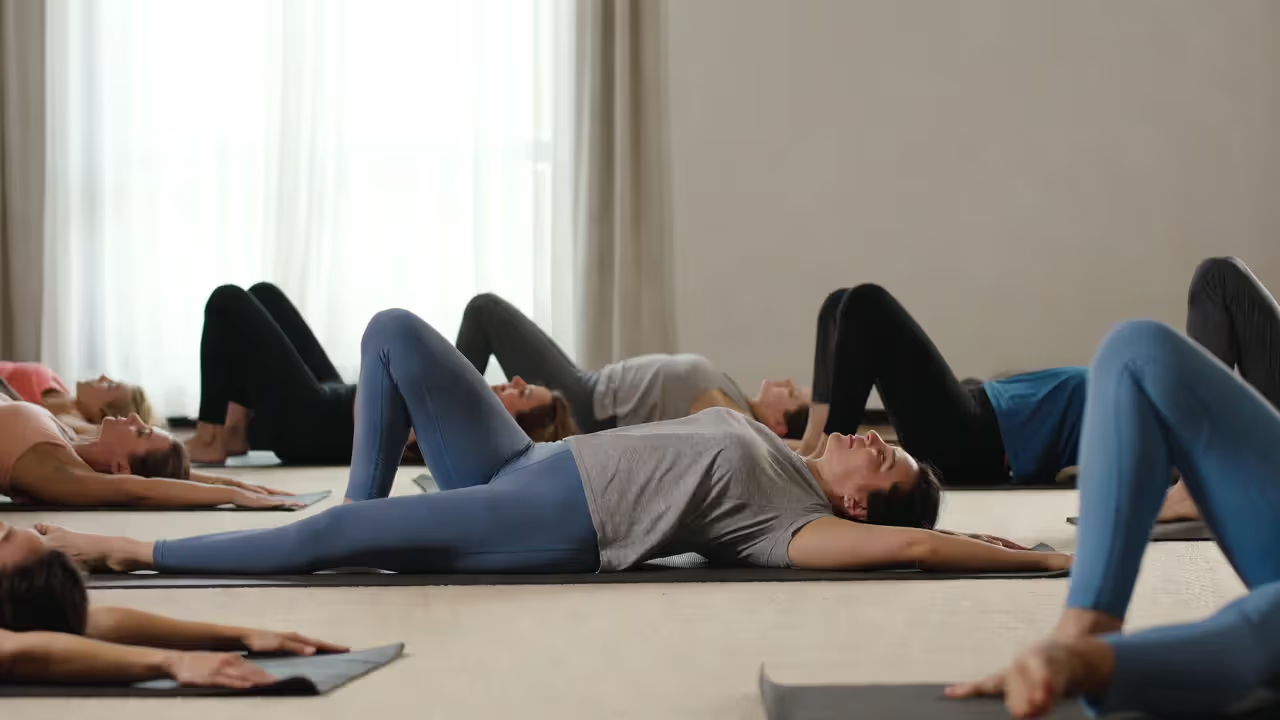
Lie on your back. Draw your right knee to your chest, then guide it across your body toward the floor on your left side. Stretch your right arm straight out to your right side with your palm facing up. Standard twisting instructions tell you to turn your head right, but for cervical release, try both directions. Some people get more relief looking toward their bent knee (left), which stretches different fascial lines.
Hold 2-3 minutes per side. Tuck a folded blanket under your bent knee if it hovers above the floor—forcing the twist creates tension instead of dissolving it. Focus on softening your jaw and temples; facial tension connects directly to neck muscle guarding through fascial continuity.
Chin Tucks in Mountain Pose
Stand with your back against a wall, heels 2-3 inches away, buttocks and shoulder blades touching the wall. Keep your head level and glide your chin straight back toward the wall—you'll look like you're making a double chin. Don't tilt your head up or down. You're strengthening the deep cervical flexors that stabilize your neck in proper alignment.
Hold each repetition 5-6 seconds, then release. Do 10-12 repetitions, 2-3 times daily. This deceptively simple exercise addresses the anterior weakness allowing forward head posture to persist. Many people initially can't perform the movement without tilting their head; practice in front of a mirror to ensure your eye level stays constant throughout.
Shoulder Rolls with Ujjayi Breath
Stand or sit comfortably. Breathe in while drawing your shoulders up toward your ears, then back and down in a smooth circular motion. Breathe out while continuing the circle forward and up. Do 5 circles in each direction. Add ujjayi breath—a slight constriction at the back of your throat creating an ocean-like sound—to enhance the parasympathetic response.
Deliberately coordinating breath and movement prevents the rushed, tension-creating shoulder shrugs many people habitually perform. Each complete circle should take 6-8 seconds. Notice whether one shoulder hikes higher than the other; asymmetries often correlate with one-sided neck pain patterns.
Supported Child's Pose
Kneel with your big toes touching and knees separated to a comfortable width. Position a bolster or several stacked folded blankets running lengthwise between your thighs. Fold forward, draping your torso over the support and turning your head to one side. Your arms can stretch forward or settle alongside your body.
The support eliminates any strain in the pose, allowing complete surrender. Hold 3-5 minutes, switching which way your head faces halfway through. The gentle pressure of your forehead against the support (when facing down) or the passive rotation when facing sideways provides different release patterns. This pose works particularly well right before bed since it activates the parasympathetic nervous system governing rest and recovery.
Common Mistakes That Worsen Neck Pain During Yoga
Author: Jessica Taylor;
Source: thelifelongadventures.com
Forcing range of motion tops the list of frequent errors. Your nervous system guards against movements it perceives as threatening. Push into sharp pain and muscles contract protectively, reinforcing the exact tension patterns you're trying to release. Work at 60-70% of your maximum range—a "comfortable discomfort" feeling like pulling but never stabbing or burning.
Holding your breath during stretches triggers a stress response increasing muscle tone throughout your body. Most people unconsciously hold their breath when moving into unfamiliar positions or experiencing discomfort. Set a timer to beep every 30 seconds during holds as a reminder to check your breathing—each exhale should feel complete and unhurried.
Misaligned foundational positions compromise every pose built upon them. In Supported Fish Pose, blocks placed too high or too low create cervical hyperextension or excessive flexion respectively—both compress nerve roots. In Thread the Needle, insufficient hip width causes your pelvis to tilt, reducing the twist's effectiveness. Spend time establishing proper setup before holding poses.
Skipping warm-up movements leaves tissues more susceptible to strain. Cold muscles have reduced elasticity and increased viscosity—they resist lengthening and tear more easily. Even two minutes of gentle neck circles and shoulder rolls before deeper poses significantly reduces injury risk.
Practicing through sharp, radiating, or burning pain indicates nerve involvement or tissue damage. Productive stretching discomfort feels like pulling or pressure that diminishes as you hold the position. Pain that intensifies, shoots down your arm, or causes numbness requires immediate cessation and professional evaluation.
Building a 15-Minute Office Posture Yoga Routine
Author: Jessica Taylor;
Source: thelifelongadventures.com
Strategic timing matters as much as pose selection. Run through this sequence mid-morning, after lunch, and mid-afternoon—when postural fatigue typically peaks.
Minutes 1-3: Mobilization Seated Cat-Cow (10 cycles) followed by Shoulder Rolls with Ujjayi Breath (5 circles each direction). These prepare tissues for deeper work without requiring you to leave your desk.
Minutes 4-8: Targeted Release Eagle Arms with Neck Tilts (two rounds per side) and Chin Tucks in Mountain Pose (12 repetitions). Stand for these; the position change itself provides therapeutic benefit after prolonged sitting.
Minutes 9-13: Deeper Stretches Thread the Needle (90 seconds per side) performed on the floor if space allows, or modify by folding forward over your desk with one arm threading under the other. Follow with a 90-second Supported Child's Pose using your chair seat as the support surface—rest your forearms on the seat with your head on your forearms.
Minutes 14-15: Integration Return to sitting. Close your eyes and perform 10 complete breath cycles, noticing changes in neck sensation, shoulder position, and overall ease. This conscious integration helps your nervous system retain the new patterns.
Props needed: yoga block or thick book, folded towel or small pillow. Keep these items in a desk drawer for consistent access. The routine's effectiveness depends on regular performance—three times daily provides dramatically better results than one longer weekly session.
When to See a Healthcare Provider Instead of Self-Treating
Author: Jessica Taylor;
Source: thelifelongadventures.com
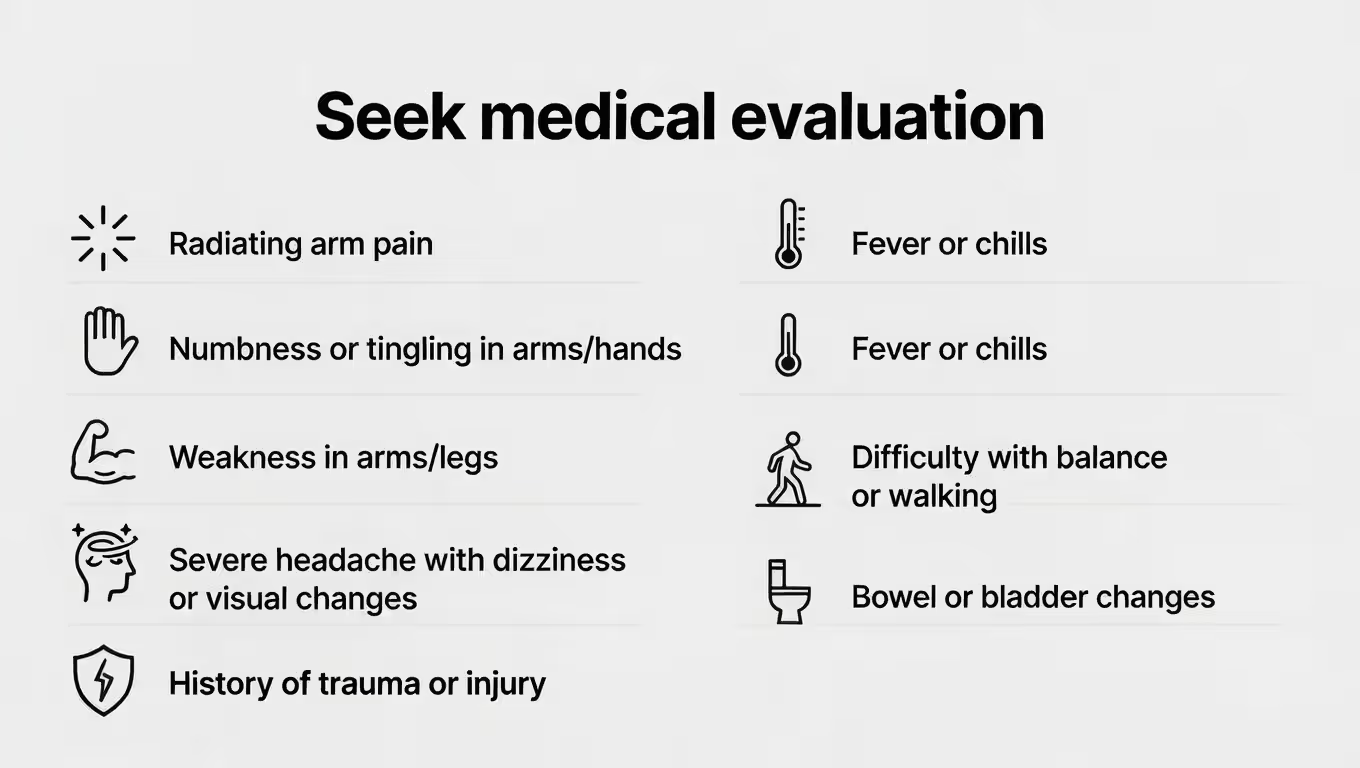
Certain symptoms indicate conditions requiring professional diagnosis before beginning yoga for neck pain. Pain radiating past your shoulder into your arm or hand suggests nerve root compression that may worsen with improper movement. Numbness, tingling, or weakness in your arms or hands similarly indicates nerve involvement requiring imaging and specialized treatment.
Severe headaches starting in your neck and radiating forward—particularly if accompanied by visual changes or dizziness—may indicate vertebral artery compromise, which constitutes a medical emergency. Any neck pain following trauma (car accident, fall, sports injury) requires imaging to rule out fracture or ligament damage before movement therapy.
Pain persisting unchanged or worsening despite 3-4 weeks of consistent, properly performed yoga warrants professional evaluation. You may have underlying conditions—disc herniation, cervical stenosis, arthritis—requiring targeted treatment beyond general stretching. Physical therapists and chiropractors trained in cervical spine disorders can provide manual therapy and specific exercises addressing your particular dysfunction patterns.
Red flags demanding immediate medical attention include: difficulty walking or maintaining balance, loss of bowel or bladder control, progressive weakness in arms or legs, or fever accompanying neck pain. These symptoms suggest serious neurological compromise or infection requiring urgent intervention.
Comparison of Yoga Props for Neck Support
Prop Type
Best Used For
Price Range
Portability
Beginner-Friendly Rating
Yoga block
Supported Fish Pose; adjusting seated height; providing arm support during twists
$8-25
Excellent (lightweight and stackable)
5/5 (stable and versatile)
Bolster
Supported Child's Pose; adding support in Reclined Twist; most restorative poses
$35-80
Poor (bulky and heavy)
5/5 (provides maximum comfort)
Folded blanket
Supporting your head in Fish Pose; cushioning knees; regulating temperature
$15-40
Moderate (foldable but bulky)
4/5 (requires proper folding technique)
Cervical pillow
Supine relaxation; maintaining neutral curve during rest poses
Frequently Asked Questions About Yoga for Neck Pain
How often should I practice yoga for neck pain relief?
Daily practice yields optimal results, but frequency trumps duration. Three 10-minute sessions scattered throughout your day outperform one 30-minute session because they repeatedly interrupt the sustained postures creating tension. During acute flare-ups, gentle mobilization every 2-3 hours helps prevent protective muscle guarding from becoming entrenched. During maintenance phases, once-daily practice combined with mindful posture awareness usually suffices.
Can yoga make neck pain worse if done incorrectly?
Absolutely. Forcing range of motion, practicing poses compressing already-irritated nerve roots, or performing strengthening exercises before establishing proper movement patterns can all exacerbate symptoms. The most common aggravating mistake? Deep backbends hyperextending your cervical spine—poses like Full Wheel or Camel performed with your head dropped back. If any pose increases pain during or within 24 hours after practice, eliminate it temporarily and consult a qualified yoga therapist for modifications.
Do I need special equipment for neck-focused yoga?
Basic props significantly improve safety and effectiveness. A yoga block (or thick hardcover book) allows proper setup for poses like Supported Fish. A standard bed pillow can substitute for a bolster in Child's Pose. A bath towel folded lengthwise provides cushioning for knees during floor poses. A yoga strap helps with shoulder stretches if you lack the flexibility to clasp hands behind your back. Total investment runs $20-40, though household items can substitute initially. Avoid purchasing cervical traction devices without professional guidance—improper use can worsen disc problems.
How long before I notice improvement in my neck pain?
Most people experience some immediate relief from gentle mobilization—the gate control mechanism provides temporary pain reduction during and shortly after practice. Sustainable structural changes require 2-3 weeks of consistent practice as your nervous system recalibrates postural reference points and tissues remodel. Significant improvements in chronic neck pain typically emerge at the 4-6 week mark. If you notice zero change after three weeks of proper daily practice, seek professional evaluation to rule out underlying conditions requiring additional intervention.
Is yoga safe if I have a herniated cervical disc?
It depends on the herniation's location, size, and direction. Generally, gentle range-of-motion exercises avoiding end-range positions are safe and beneficial. Poses compressing the affected side or creating extreme rotation should be avoided. For example, if you have a right-sided disc herniation, right rotation and right side-bending typically increase symptoms and should be eliminated. Work with a physical therapist or yoga therapist who can review imaging and provide specific modifications. Many people with disc herniations practice yoga successfully by avoiding a handful of contraindicated movements while emphasizing poses promoting centralization—moving pain from the periphery toward the spine's center.
Can I combine yoga with physical therapy or chiropractic care?
Combining approaches often produces superior results compared to single-modality treatment. Physical therapists can identify specific muscle imbalances and movement dysfunctions, then prescribe targeted exercises addressing them. Chiropractors can restore joint mobility that stretching alone cannot achieve. Yoga provides the daily movement practice maintaining gains between professional appointments. Inform all providers about your complete treatment plan—they can coordinate care and modify interventions to work synergistically. For example, your physical therapist might recommend emphasizing certain yoga poses reinforcing therapeutic exercises while temporarily avoiding others that could interfere with treatment goals.
Neck pain relief through yoga demands patience and consistency rather than aggressive stretching or complex poses. Your cervical spine responds best to gentle, frequent movement gradually retraining both tissues and the nervous system controlling them. Start with mobilization exercises feeling completely safe, establishing a foundation of pain-free movement before progressing to deeper stretches. Pay attention to your body's signals—productive discomfort differs distinctly from warning pain.
Your workspace setup deserves equal attention to your yoga practice. Monitor height, chair adjustability, and keyboard position all influence how much compensatory tension accumulates during work hours. Even perfect yoga practice can't overcome eight hours of severely compromised posture. Consider your desk worker yoga stretches as both therapeutic intervention and diagnostic tool—poses feeling particularly restricted often indicate areas where your workstation setup needs adjustment.
The relationship between breathing patterns and neck tension can't be overstated. Shallow chest breathing—both cause and effect of neck pain—perpetuates the problem through multiple mechanisms. Consciously practicing diaphragmatic breathing during yoga sessions trains patterns gradually transferring to daily life. Many people discover that breath awareness alone reduces their baseline neck tension by 30-40%.
Sustainable relief comes from addressing root causes rather than merely treating symptoms. Yoga provides the tools for both immediate comfort and long-term postural rehabilitation, but only when practiced with proper technique, appropriate frequency, and realistic expectations about the timeline for structural change.
Can yoga help you lose weight? Explore what research shows about calorie burn, metabolic impact, hormone balance, and which yoga styles are most effective for supporting fat loss, improving body composition, and building sustainable habits beyond the mat.
Discover proven bedtime yoga stretches and calming breathing techniques designed to help you fall asleep faster and sleep more deeply. Follow a complete 15-minute routine with clear, step-by-step instructions to relax your nervous system, release tension, and prepare your body for restful sleep.
Discover 8 essential yoga poses and a simple 15-minute desk routine designed to correct poor posture, realign your spine, and ease upper back pain. Follow expert guidance to release tension, strengthen postural muscles, improve mobility, and prevent stiffness caused by long hours of sitting.
Discover how yoga supports cardiovascular health through evidence-based poses, targeted breathing techniques, and structured routines. Learn how mindful movement improves circulation, lowers blood pressure, and enhances heart resilience, with practical safety guidelines and research-backed insights for every fitness level.
The content on this website is provided for general informational and educational purposes related to health, yoga, fitness, and overall wellness. It is not intended to replace professional medical advice, diagnosis, or treatment.
All information, workout suggestions, yoga practices, nutrition tips, and wellness guidance shared on this site are for general reference only. Individual health conditions, fitness levels, and medical needs vary, and results may differ from person to person. Always consult a qualified healthcare provider before starting any new exercise program, dietary plan, or wellness routine.
We are not responsible for any errors or omissions, or for any outcomes resulting from the use of information presented on this website. Your health and fitness decisions should always be made in consultation with appropriate medical and fitness professionals.