That uncomfortable fullness in your stomach—it appeared three hours after lunch and refuses to budge. You've already tried water, peppermint tea, even a short walk around the block. Nothing's helping. Here's what most people overlook: your body contains built-in mechanisms to move things along. Strategic yoga movements can activate them.
Physical movement and gut health have been connected for centuries across various traditions. But yoga offers something unique compared to jogging or cycling. It blends twisting motions, targeted pressure on your midsection, and nervous system shifts that directly influence how your intestines function. Learning exactly which poses help (and why they're effective) transforms how you approach digestive discomfort.
How Yoga Affects Your Digestive System
Your intestines respond to external pressure and movement. When you rotate your spine or apply pressure to your belly, you're creating direct contact with the organs responsible for food breakdown and waste removal. That physical contact initiates peristalsis—those wave-like muscle contractions that propel everything through your system.
Twisting poses function through what I call the squeeze-and-soak effect. When you rotate right, you're compressing that side while stretching the opposite. Unwind from the twist, and oxygenated blood floods back into areas that were temporarily compressed. Imagine wringing out a kitchen sponge, then watching it absorb clean water.
Here's something crucial: specific yoga poses activate your parasympathetic nervous system. That's the "rest and digest" mode your body requires to process food properly. When you maintain gentle positions and breathe slowly, you're signaling your body that it's safe to prioritize digestion over stress responses. This matters because chronic stress literally diverts blood flow away from your digestive organs.
Some poses work purely through physics. When you draw your knees toward your torso, you're increasing abdominal pressure in ways that help trapped gas find its exit route. Gravity combined with compression equals relief.
Research on yoga's digestive effects demonstrates that regular practice actually modifies gut motility—the speed at which food travels through your system. Too slow creates constipation. Too fast triggers diarrhea. Yoga helps normalize this timing by balancing nervous system signals and encouraging rhythmic intestinal contractions.
Author: Amanda Reeds;
Source: thelifelongadventures.com
8 Best Gut Health Yoga Poses for Digestive Relief
Each position targets your digestive system differently. Some compress your belly. Others rotate your spine. Several calm your nervous system down to the level where digestion works best.
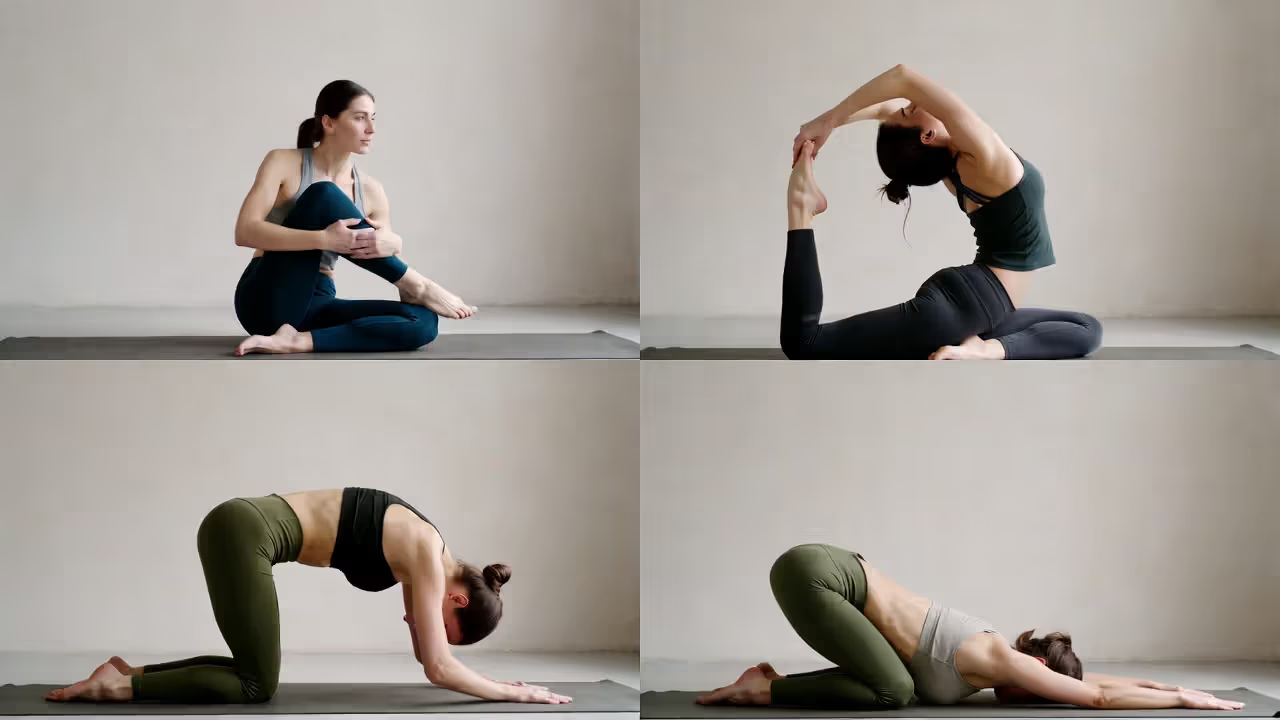
Seated Spinal Twist (Ardha Matsyendrasana)
Start sitting with both legs forward. Bend your right knee and step that foot outside your left thigh. Your left leg can stay extended or fold with the heel near your right hip. Position your right palm behind you on the floor. Take your left elbow to the outside of that bent right knee. Inhale to lengthen your spine upward. Exhale to deepen the rotation.
Maintain this for 45-60 seconds, then switch sides. This rotation massages the ascending and descending sections of your colon—those vertical parts where waste often gets stuck. It's particularly effective for constipation because you're directly stimulating the pathway waste needs to travel.
Struggling with this position? Sit on a folded blanket or cushion to elevate your hips higher. This prevents your lower back from rounding and allows you to twist more effectively through your middle and upper spine.
Wind-Relieving Pose (Apanasana)
Lie flat on your back. Bring both bent knees up close to your chest. Hold your shins, or if that bothers your knees, clasp the backs of your thighs instead. Keep your shoulders relaxed against the floor. Create gentle side-to-side rocking motions, or trace small circles with your knees.
Remain here for 60-90 seconds, or perform 10-15 rocks. The traditional Sanskrit name literally references releasing gas—because that's exactly what occurs. The compression in your lower belly increases internal pressure, nudging air pockets toward the exit. Most people notice bloating decrease within minutes in this position.
If your knees hurt, clasp behind your thighs instead of holding your shins. Or try it one leg at a time, keeping your other foot on the floor.
Cat-Cow Pose (Marjaryasana-Bitilasana)
Position yourself on all fours with hands under shoulders and knees under hips. During your inhale, allow your belly to drop, chest to lift, and gaze forward (that's Cow). During your exhale, arch your spine upward, tuck your chin, and draw your navel in (that's Cat).
Flow between these shapes for 10-15 breaths. This alternating pattern creates a pumping action that stimulates your digestive organs. The rhythmic movement also releases tension in your abdominal muscles that might be interfering with digestion.
The coordination between breath and spine movement also activates your vagus nerve—the main communication highway between your brain and gut. Activating this nerve supports the parasympathetic response essential for proper digestion.
Supine Twist (Supta Matsyendrasana)
Begin lying on your back. Bring your right knee toward your chest while keeping your left leg extended. Reach your right arm out along the floor at shoulder level. Use your left hand to guide that bent knee across your body toward the left side. Try to keep your right shoulder grounded while turning your head to the right.
Hold each side for 60-90 seconds. You get similar benefits to upright twists but with less intensity. This works particularly well before bed when you want digestive support without stimulation.
If your knee hovers in the air, slide a folded blanket or pillow under it. This lets your back muscles completely relax, which enhances the calming effect on your nervous system.
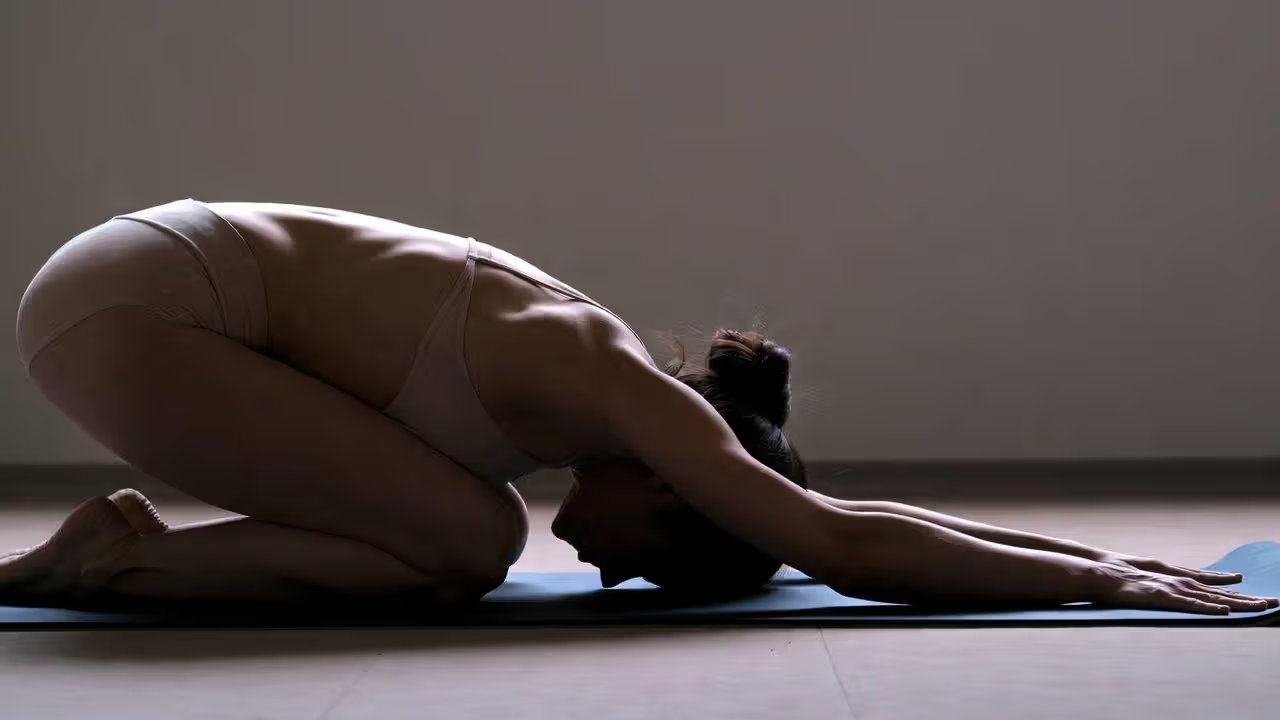
Child's Pose (Balasana)
Author: Amanda Reeds;
Source: thelifelongadventures.com
Start kneeling. Touch your big toes together and separate your knees. Sit your hips back toward your heels and fold your torso forward. Reach your arms ahead or let them rest alongside your body.
Stay here for 90 seconds to 3 minutes. The gentle pressure on your abdomen massages your digestive organs continuously. The forward fold simultaneously triggers relaxation responses that reduce stress interference with digestion. Many people find this particularly soothing when experiencing digestive cramping.
Can't get your hips to your heels? Place a rolled blanket or bolster between them. You can also take your knees wider apart to accommodate any abdominal fullness or discomfort.
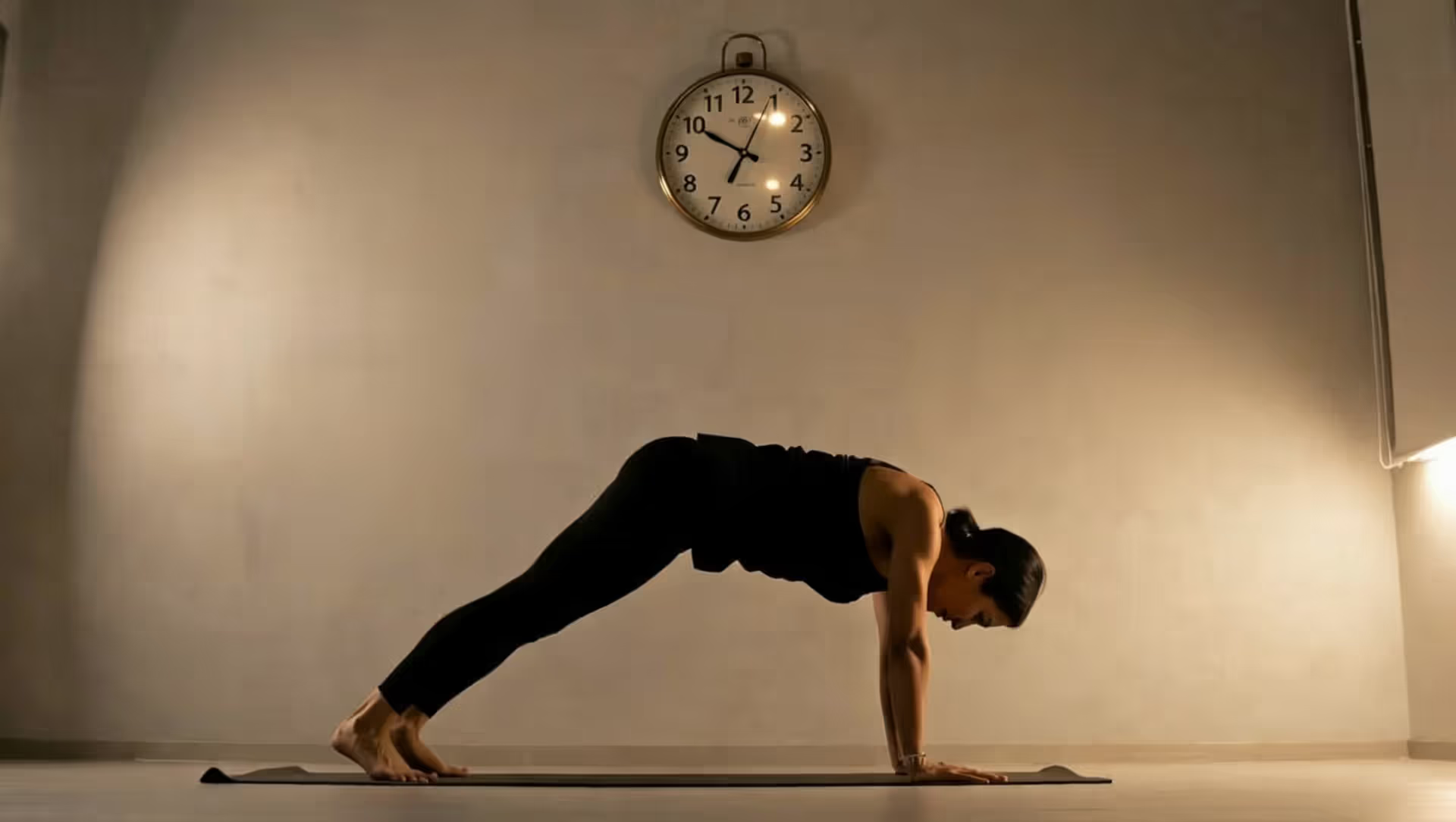
Downward-Facing Dog (Adho Mukha Svanasana)
From hands and knees, tuck your toes and lift your hips up and back, creating an upside-down V shape with your body. Press firmly through your palms. Work toward straighter legs without sacrificing length in your spine.
Hold for 30-60 seconds. This mild inversion reverses the usual gravitational pull on your digestive organs. The positional change can move intestinal contents forward from an angle they're not used to. It also lengthens your entire backside, releasing tension that might be restricting digestive function.
If tight hamstrings limit you, keep your knees generously bent. A long spine matters more than straight legs. You can also elevate your hands on yoga blocks or place them on a chair seat.
Cobra Pose (Bhujangasana)
Lie face-down with your palms positioned under your shoulders. Press through your hands to lift your chest while keeping your pelvis on the floor. Pull your shoulders down away from your ears and back toward each other.
Hold for 20-30 seconds, then lower down. Repeat 2-3 times. This moderate backbend stretches the front of your abdomen, creating space throughout your digestive tract. The compression in your lower back also stimulates nerves that support intestinal function.
Skip this one if you're actively bloated—pressing against a distended belly feels awful. This works better as prevention through regular practice than as emergency relief.
Bridge Pose (Setu Bandhasana)
Lie on your back with bent knees, feet hip-distance apart and close to your butt. Press through your feet to lift your pelvis up. Either clasp your hands together under your back or keep your arms at your sides.
Hold for 30-45 seconds. This moderate backbend creates gentle compression on your digestive organs while opening the front of your body. Having your pelvis higher than your chest encourages intestinal movement using gravity from an unusual angle compared to standing.
Want to make this easier? Slide a yoga block under your sacrum (the flat bone at the base of your spine). This supported version requires minimal muscular effort, so you can hold it longer. The restorative approach enhances relaxation while preserving digestive benefits.
Abdominal Massage Techniques to Pair with Your Yoga Practice
Author: Amanda Reeds;
Source: thelifelongadventures.com
Self-massage multiplies what you get from the poses themselves. Your large intestine follows a predictable path: up your right side, across below your ribcage, then down your left side. Massaging along this route—following waste's natural direction—enhances movement.
Lie on your back with your knees bent. Position your right hand on your lower right belly near your hip bone. Apply firm but comfortable pressure while making small circles. Move gradually upward toward your ribcage. Then travel horizontally across your upper abdomen beneath your ribs. Finally, move down your left side. Spend 3-5 minutes on this, completing the full pathway several times.
The pressure should feel supportive and substantial without being painful. You're encouraging movement, not forcing it. Hearing gurgling sounds? That's a positive sign your intestines are responding.
Timing matters here. Practice this after finishing your yoga sequence when your body has relaxed and your digestive organs have received stimulation from the poses. Don't massage right after eating—wait at least 90 minutes to avoid discomfort.
Focus extra attention on certain spots. About two inches to the right of your belly button is where many people hold tension. Spend additional time there while breathing deeply. Same with your left lower abdomen—where your descending colon prepares waste for elimination—this area benefits from concentrated attention.
Match your massage to your breathing. Inhale while preparing. Exhale while applying pressure. This coordination amplifies the calming effect that supports digestion.
The doctor of the future will give no medicine, but will interest his patients in the care of the human frame, in diet, and in the cause and prevention of disease.
— Thomas Edison
Sample 15-Minute Sequences for Different Digestive Issues
Different problems respond best to different pose combinations. These targeted sequences address three common complaints.
Digestive Issue
Recommended Poses (in order)
Duration & Best Time of Day
Bloating
Wind-Relieving Pose (2 min) → Cat-Cow (2 min) → Seated Spinal Twist (2 min per side) → Supine Twist (2 min per side) → Child's Pose (3 min)
15 minutes in total; most effective 2-3 hours following meals, particularly helpful mid-afternoon
Constipation
Cat-Cow (2 min) → Downward-Facing Dog (1 min) → Seated Spinal Twist (2 min per side) → Wind-Relieving Pose (2 min) → Bridge Pose (1 min) → Supine Twist (2 min per side) → Child's Pose (2 min)
16 minutes in total; most beneficial early morning on an empty stomach
General Sluggishness
Cat-Cow (2 min) → Downward-Facing Dog (1 min) → Cobra Pose (1 min in total, 3 rounds) → Child's Pose (2 min) → Seated Spinal Twist (2 min per side) → Bridge Pose (1 min) → Supine Twist (2 min per side)
15 minutes in total; evening sessions support nighttime digestive processes
The bloating sequence emphasizes compression and rotation to move trapped gas. Notice Wind-Relieving Pose comes first when you have the most energy for sustained compression, then progresses through twists that massage your intestines from multiple angles.
For constipation, the sequence includes more dynamic movement and adds Bridge Pose, which uses unusual gravitational angles to promote motility. Morning practice capitalizes on your body's natural elimination timing—colon activity typically peaks after waking.
The general sluggishness sequence balances gentle backbends with forward folds and twists, creating varied stimulation without focusing exclusively on one problem. Evening practice supports digestive processes that happen overnight when your body naturally emphasizes repair and elimination.
Short on time? You can modify these sequences. With only 10 minutes available, cut one of the longer holds or practice twists on just one side. Consistency beats duration every time—five poses daily outperforms fifteen poses once a week.
Common Mistakes That Reduce Yoga's Digestive Benefits
Author: Amanda Reeds;
Source: thelifelongadventures.com
Practicing right after eating is the biggest mistake I see. Your stomach needs room to churn food efficiently. Your intestines need freedom to move contents forward. Compressing a full digestive system feels terrible and might trigger nausea. Wait at least 90 minutes after light meals, 2-3 hours after big meals.
One exception: gentle walking or standing positions might help uncomfortable fullness. Just avoid anything that compresses your abdomen or turns you upside down.
Shallow breathing undermines everything. Many people concentrate so hard on getting into positions that they restrict their breathing or hold their breath entirely. Deep, rhythmic breathing activates your parasympathetic nervous system—which is essential for yoga's digestive benefits. If you can't maintain steady breathing, you're working too hard. Back off to a simpler variation.
Rushing through positions turns yoga into a checklist instead of therapy. Digestive benefits require sustained compression or rotation—at least 30-45 seconds for most positions. A quick 10-second Wind-Relieving Pose won't relieve much wind. Your body needs adequate time to respond.
Ignoring pain signals can make digestive issues worse instead of better. Sharp pain, especially in your abdomen, means stop immediately. Digestive yoga should create productive pressure that might feel mildly uncomfortable, but never sharp pain. Sharp sensations during twists indicate you're going too deep.
Doing the same sequence regardless of your current condition misses opportunities to address what you actually need. Feeling bloated today? Emphasize compression poses and twists. Dealing with constipation? Add more dynamic movement and practice in the morning. Noticing stress affecting your digestion? Focus on longer holds in restorative positions.
Skipping the final relaxation interrupts parasympathetic activation just when it's peaking. Always finish with at least 2-3 minutes in Child's Pose or lying on your back with bent knees. This completes the nervous system transition into rest-and-digest mode.
Frequently Asked Questions About Yoga and Digestion
How soon after eating can I do yoga for digestion?
Wait at least 90 minutes following light meals or snacks. After full meals, allow yourself 2-3 hours. Your stomach sits in your upper left abdomen, and many yoga positions compress or invert this area. Practicing too soon following meals can trigger acid reflux, nausea, or cramping. If you need relief sooner, stick with gentle walking or standing positions that don't compress your torso. Severe bloating represents an exception—gentle poses like Child's Pose might provide relief despite having food in your stomach, but listen to your body and stop if discomfort worsens.
Can yoga help with IBS or chronic digestive conditions?
Yoga can support management of irritable bowel syndrome and other chronic conditions, but it doesn't replace medical treatment. Research demonstrates that regular practice may reduce IBS symptom severity, probably through stress reduction and improved gut motility. During acute flare-ups though, stick to gentle poses only—skip deep rotations or intense compression that might intensify symptoms. Work with your healthcare provider to create an integrated approach. Some IBS patients discover certain poses trigger their symptoms, so pay attention to your responses and adjust your practice. For chronic digestive conditions, the stress-reduction aspects of yoga often provide benefits equal to the physical poses themselves.
How long before I notice improvements in my digestion?
Acute symptoms like bloating often improve within 15-30 minutes of targeted practice. You might experience gas relief during your session or right afterward when focusing on compression poses. For chronic issues like irregular bowel movements, expect 2-4 weeks of consistent practice before seeing pattern changes. Stress-related digestive problems may improve within a week as your nervous system starts responding to regular parasympathetic activation. For chronic concerns, practice at least 4-5 times weekly. Once-weekly sessions won't generate the consistent nervous system changes needed for lasting improvement. Keep a symptom journal to catch subtle improvements you might otherwise miss.
Which yoga poses should I avoid if I'm bloated?
Skip deep backbends like Cobra or Bow Pose when you're actively bloated—they compress an already uncomfortable midsection. Also avoid intense core work or poses requiring strong abdominal engagement, as this can trap gas rather than help it escape. Inversions like Headstand or Shoulderstand might feel uncomfortable with bloating, though gentler inversions like Downward-Facing Dog often help. Instead, prioritize poses that create space: gentle rotations, Wind-Relieving Pose, and forward folds with bent knees. Child's Pose with your knees wide apart accommodates a bloated belly better than keeping your knees together. Trust what your body tells you—if any pose increases pressure or discomfort, skip it and choose something gentler.
Is morning or evening yoga better for digestive health?
Morning practice on an empty stomach works best for constipation because it aligns with your body's natural elimination rhythms. Your colon shows peak activity in morning hours, and yoga amplifies this natural pattern. Evening practice supports digestion overnight and can relieve accumulated bloating from the day's meals. For general digestive health, consistency matters more than timing—practice whenever you'll actually stick with it. Some people benefit from practicing twice: a brief morning sequence to stimulate elimination and an evening session to support digestive processes overnight. Just avoid practicing within two hours of bedtime if you're doing vigorous sequences, as they might interfere with sleep.
Can beginners do these digestive yoga poses safely?
All the poses described here work for beginners with appropriate modifications. Start with shorter holds—30 seconds instead of 60—and gradually extend duration as your body adapts. Use props freely: blocks, blankets, and cushions make poses more accessible and often more effective by enabling better relaxation. The main safety concern for beginners is forcing positions before you're ready. If you can't breathe comfortably in a pose, you've gone too deep. Consider taking beginner classes or working with a qualified instructor initially to learn proper alignment. Once you understand the basic mechanics, these poses are safe for home practice. People with hernias, recent abdominal surgery, or pregnancy should consult healthcare providers before starting any abdomen-focused yoga practice.
Your digestive system responds to the signals you send it all day long. Stress levels, posture, and movement patterns all influence how well your gut processes nutrients and eliminates waste. Yoga addresses these factors simultaneously—delivering targeted physical stimulation while activating the relaxation responses necessary for optimal digestion.
Start with whichever sequence matches your main concern, whether that's bloating, constipation, or general sluggishness. Practice consistently for at least two weeks before evaluating effectiveness. Most people get some immediate relief from acute symptoms, but the deeper benefits of improved gut motility and reduced stress impact build over time.
The specific poses matter less than how you approach your practice. Racing through sequences while holding your breath defeats the entire purpose. Slow down, breathe fully, and give your body adequate time to respond to each position. Your digestive system has been functioning every single day of your life—it knows what to do when you create the right conditions. These yoga practices simply remove obstacles and provide support for processes your body already performs naturally.
Can yoga help you lose weight? Explore what research shows about calorie burn, metabolic impact, hormone balance, and which yoga styles are most effective for supporting fat loss, improving body composition, and building sustainable habits beyond the mat.
Discover proven bedtime yoga stretches and calming breathing techniques designed to help you fall asleep faster and sleep more deeply. Follow a complete 15-minute routine with clear, step-by-step instructions to relax your nervous system, release tension, and prepare your body for restful sleep.
Discover 8 essential yoga poses and a simple 15-minute desk routine designed to correct poor posture, realign your spine, and ease upper back pain. Follow expert guidance to release tension, strengthen postural muscles, improve mobility, and prevent stiffness caused by long hours of sitting.
Discover 8 proven yoga poses designed to relieve neck pain and reduce cervical tension. Follow clear, step-by-step guidance tailored for desk workers to improve mobility, correct posture imbalances, restore healthy alignment, and prevent recurring stiffness caused by long hours of sitting.
The content on this website is provided for general informational and educational purposes related to health, yoga, fitness, and overall wellness. It is not intended to replace professional medical advice, diagnosis, or treatment.
All information, workout suggestions, yoga practices, nutrition tips, and wellness guidance shared on this site are for general reference only. Individual health conditions, fitness levels, and medical needs vary, and results may differ from person to person. Always consult a qualified healthcare provider before starting any new exercise program, dietary plan, or wellness routine.
We are not responsible for any errors or omissions, or for any outcomes resulting from the use of information presented on this website. Your health and fitness decisions should always be made in consultation with appropriate medical and fitness professionals.