Walk into most yoga studios and you'll face a choice: either sweat through pose after pose until your legs shake, or spend an hour propped on bolsters barely moving. But there's a third option that's gained serious momentum over the past decade.
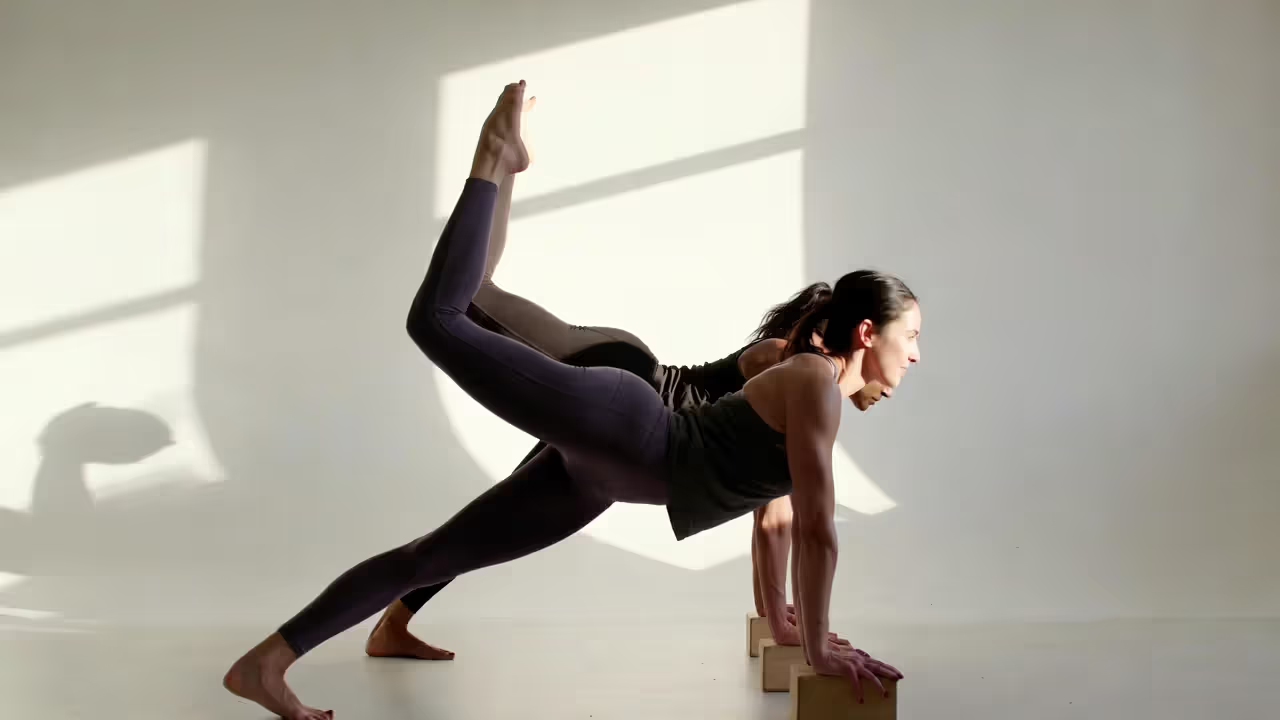
Slow flow yoga sits right between these extremes. You'll hold warrior poses long enough that your quads burn, but you won't blast through fifty sun salutations. Your body stays warm and engaged, yet your heart rate remains low enough that you could hold a conversation (though you probably won't want to).
Here's what actually happens in class: you might spend six full breaths in a single pose. That's roughly forty-five seconds. Long enough to adjust your back foot, notice your shoulders creeping toward your ears, and fix them. Long enough to feel specific muscles working instead of just mimicking shapes.
This style emerged partly from necessity. Teachers kept watching students in two camps—those who couldn't keep up with rapid-fire vinyasa flows, and others who found restorative classes too passive. Around the mid-2000s, instructors started experimenting with this middle path. Today, it's become the default recommendation for anyone who's spent months away from exercise, deals with persistent stress, or wants to actually understand what their body does in tree pose.
What Makes Slow Flow Yoga Different from Other Yoga Styles
Speed alone doesn't define this practice. What matters more is how much attention you can pay while moving.
The Pace and Breath Connection
Traditional vinyasa uses a one-to-one ratio: one movement per breath cycle. You've probably seen this if you've ever tried a YouTube yoga video—inhale as you lift your arms, exhale as you fold forward, inhale to halfway lift. It creates rhythm and heat, assuming you already know where your feet go.
Slow flow abandons that ratio entirely. You'll take five, six, sometimes eight breaths in warrior II. Why? Because there's actual work happening during those breaths.
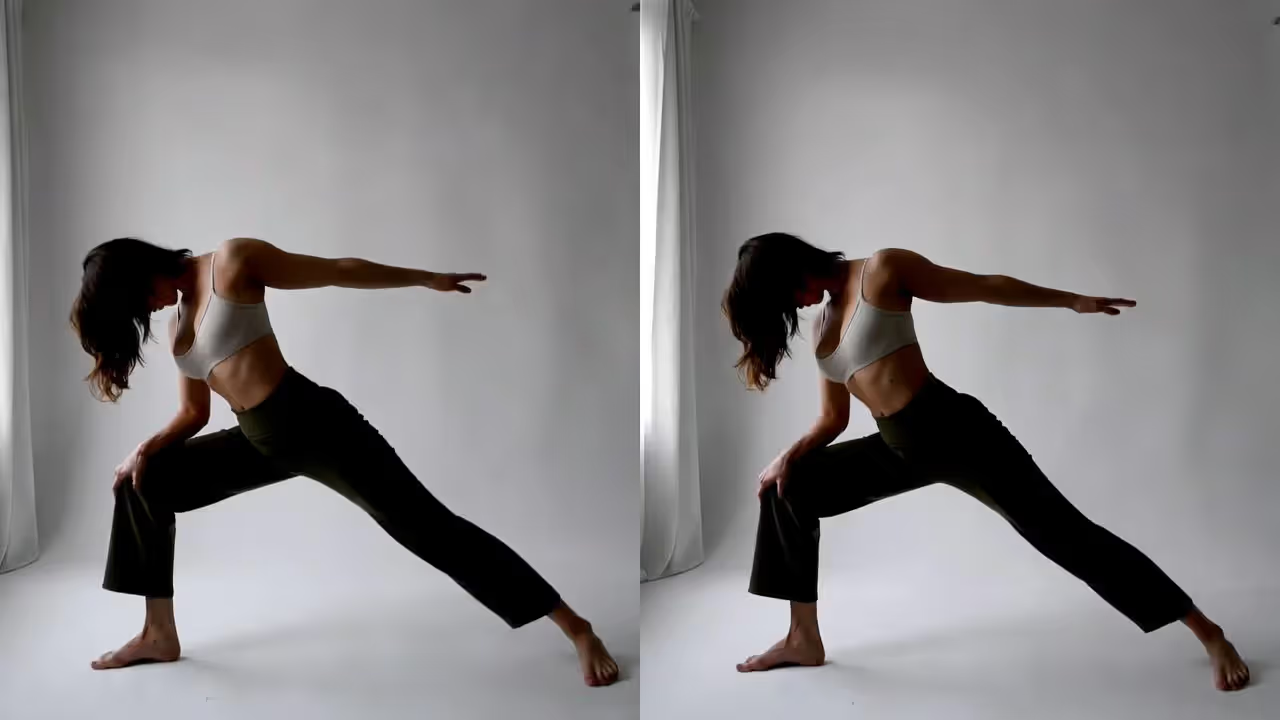
Take that warrior II example. First breath, you settle in. Second breath, you notice your front knee drifting inward and press it back out. Third breath, you feel your back foot and realize your arch has collapsed—you fix it. Fourth breath, your shoulders are basically touching your earlobes from tension—you drop them. Fifth breath, you engage your core because you've been arching your lower back. Sixth breath, everything's finally aligned and you can feel your legs genuinely working.
Try making all those adjustments in a single exhale. Can't be done.
This extended time also changes the muscular challenge. Instead of momentum carrying you from pose to pose, you're building what strength coaches call "time under tension." Your muscles contract and hold, which builds endurance differently than moving dynamically. After thirty seconds in a lunge, your front leg is working hard regardless of whether you're "flexible" or "strong."
Comparing Intensity Levels Across Yoga Types
Style
Movement Speed
Physical Demand
Works Best For
Standard Length
Energy Used (hourly)
Slow Flow
Sustained holds of 5-8 breaths
Moderate effort with active engagement
Learning proper form, managing stress, building baseline strength
45-75 min
180-250 cal
Vinyasa
Quick transitions of 1-2 breaths
Moderate to vigorous
Getting your heart rate up, experienced students, calorie burning
60-90 min
400-600 cal
Power Yoga
Rapid continuous flow
High intensity
Athletic training, advanced strength work
60-90 min
500-700 cal
Restorative
Extremely slow; holds of 5-10 minutes
Minimal (fully supported)
Deep nervous system rest, healing from injury or illness
Those calorie numbers tell an interesting story beyond simple math. Slow flow generates enough muscular work to build capacity, but keeps your heart rate in a zone where your parasympathetic nervous system—your "rest and digest" mode—can stay active. You're strengthening your body while signaling to your brain that everything's safe.
5 Science-Backed Benefits of Practicing Slow Yoga
Author: Logan Brooks;
Source: thelifelongadventures.com
Most yoga research lumps all styles together, which makes findings pretty useless. But some studies have specifically examined slower-paced approaches, and the results explain why physical therapists and psychologists increasingly recommend this practice.
1. Sharper awareness of where your body is in space. Scientists call this proprioception. A 2019 study published in the Journal of Bodywork and Movement Therapies tested participants on their ability to sense joint angles and muscle tension. Those practicing slower movements improved significantly more than faster movers. The explanation: speed relies on autopilot movement patterns your brain already knows. Slow down, and your brain has to process real-time sensory data. Three months later, this translates to better balance when you're walking on uneven ground or catching yourself from a stumble.
2. Lower stress hormones without losing strength benefits. Boston University researchers found something counterintuitive: yoga that emphasized steady breathing and moderate holds dropped cortisol levels by 15-20%, while still producing measurable gains in muscular endurance. The sweet spot was holding poses for 30-60 seconds while breathing at about five cycles per minute. This combo activates your vagus nerve—the main highway of your parasympathetic system—telling your body to stand down from high alert.
3. Better pain management, especially chronic lower back pain. A 2020 study compared slow mindful movement against faster exercise routines for people dealing with persistent back pain. The slower group reported greater pain reduction. Why? They developed what researchers call "interoceptive awareness"—the ability to distinguish between pain signaling actual damage versus the discomfort that comes with therapeutic stretching. That's a crucial skill if you've ever avoided movement because everything hurts.
4. Measurably better sleep through nervous system shifts. According to research in the Journal of Clinical Sleep Medicine, people practicing moderate yoga with extended holds fell asleep fifteen minutes faster on average. They also added thirty-five minutes to their total sleep time compared to control groups. The autonomic nervous system changes persisted for hours after practice ended, which makes evening sessions particularly effective for insomnia.
5. Strength gains without the injury risk of high-intensity training. Physical therapists have started prescribing slow flow approaches to patients recovering from workout-related injuries. The reason's practical: you can build strength through sustained holds—using the same time-under-tension principle as weightlifting—while constantly monitoring your form. When someone gets hurt doing burpees or sprinting, it's usually because fatigue breaks down their technique. Hard to maintain bad form when you're moving deliberately and paying attention.
Who Should Try Slow Flow Yoga (And Who Might Need Modifications)
Author: Logan Brooks;
Source: thelifelongadventures.com
This practice suits specific groups especially well, though almost anyone can adapt it.
Complete beginners get the most benefit because the pace allows actual learning. When a teacher says "externally rotate your thigh," you have time to figure out what that means instead of just copying the shape of the person next to you. I've watched brand-new students finally understand core engagement after six weeks of slow flow, something they never grasped in faster classes where they were just trying to keep up.
Anyone coming back from injury or illness finds the right balance here—enough challenge to rebuild capacity without overwhelming tissues that are still healing. The trick is choosing smart variations. Torn meniscus? Practice warrior II with a shorter stance and less knee bend, using those 6-8 breaths to focus on alignment rather than going deeper.
People dealing with anxiety or chronic stress respond well because the practice gives your racing mind something constructive to focus on. You're paying attention to breath, alignment, muscle activation. That's enough to interrupt rumination patterns. But the intensity stays low enough that you're not triggering fight-or-flight responses. One student described it as "the only thing that shuts my brain up without making me feel worse afterward."
Athletes using it for active recovery fill classes on their rest days. The practice maintains mobility and body awareness without adding to their recovery debt. Blood flow increases to muscles without creating inflammation or fatigue that interferes with training.
Older adults or those with mobility limitations can do seated or chair-supported versions while keeping the same principles: mindful movement, holds long enough to build strength, breath synchronized with transitions.
Who needs adjustments: Low blood pressure types should move carefully through forward folds and any inverted poses—slow transitions can cause dizziness. If you're hypermobile (your joints bend further than normal), focus on muscular engagement instead of stretching deeper, since you already have excessive range of motion. During pregnancy, skip deep twists and belly-down positions, but most standing and seated poses work fine with modifications.
Yoga teaches us to cure what need not be endured and endure what cannot be cured
— B.K.S. Iyengar
Building Your First 20-Minute Calming Yoga Sequence at Home
This beginner yoga flow uses fundamental poses that develop full-body strength while teaching the breath-movement relationship that defines mindful yoga movement.
Author: Logan Brooks;
Source: thelifelongadventures.com
Essential Poses for Beginners
Start with poses that create stable foundations and teach basic patterns you'll use in more complex work.
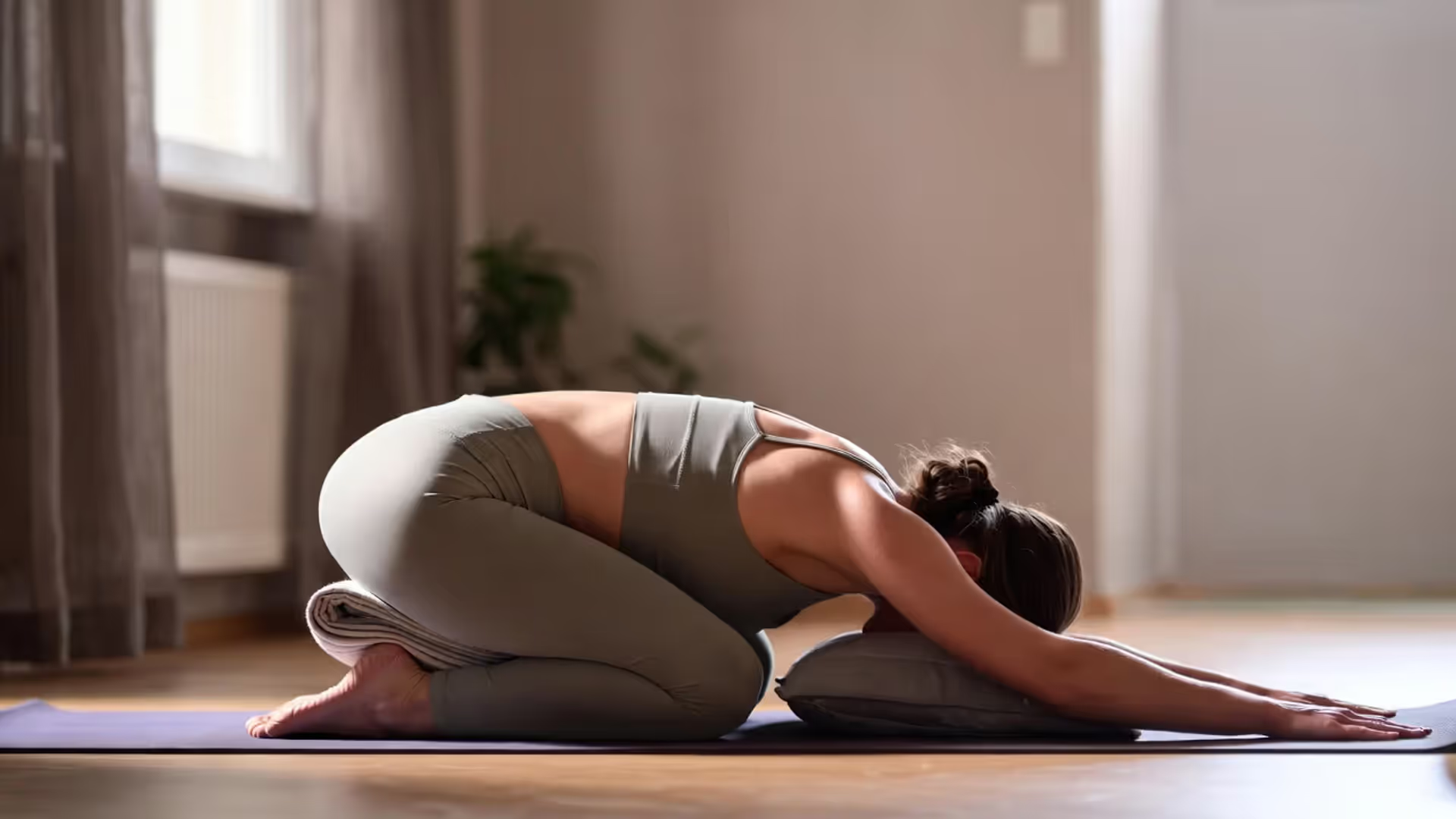
Child's Pose (2 minutes): Start here to establish your breathing rhythm. Knees spread wide, big toes touching, hips sinking back toward your heels, arms reaching forward. Focus on directing breath into your back ribs—you should feel them expand with each inhale. This sets your intention. You're not racing anywhere today.
Cat-Cow (2 minutes): Position hands beneath your shoulders, knees beneath hips. As you breathe in, drop your belly toward the floor and lift your gaze forward. As you breathe out, arch your spine upward and let your head hang. Move slowly enough to feel individual vertebrae flexing and extending. This teaches spinal articulation while coordinating breath with movement—the foundation of everything that follows.
Downward-Facing Dog (8 breaths): Starting from hands and knees, tuck your toes under and press your hips upward and back. Bend your knees generously at first. Straight legs aren't the goal—a long spine and active shoulders are. Press the floor away from you, rotate your upper arms outward slightly, let your head hang heavy. Feel your shoulders and arms supporting your weight.
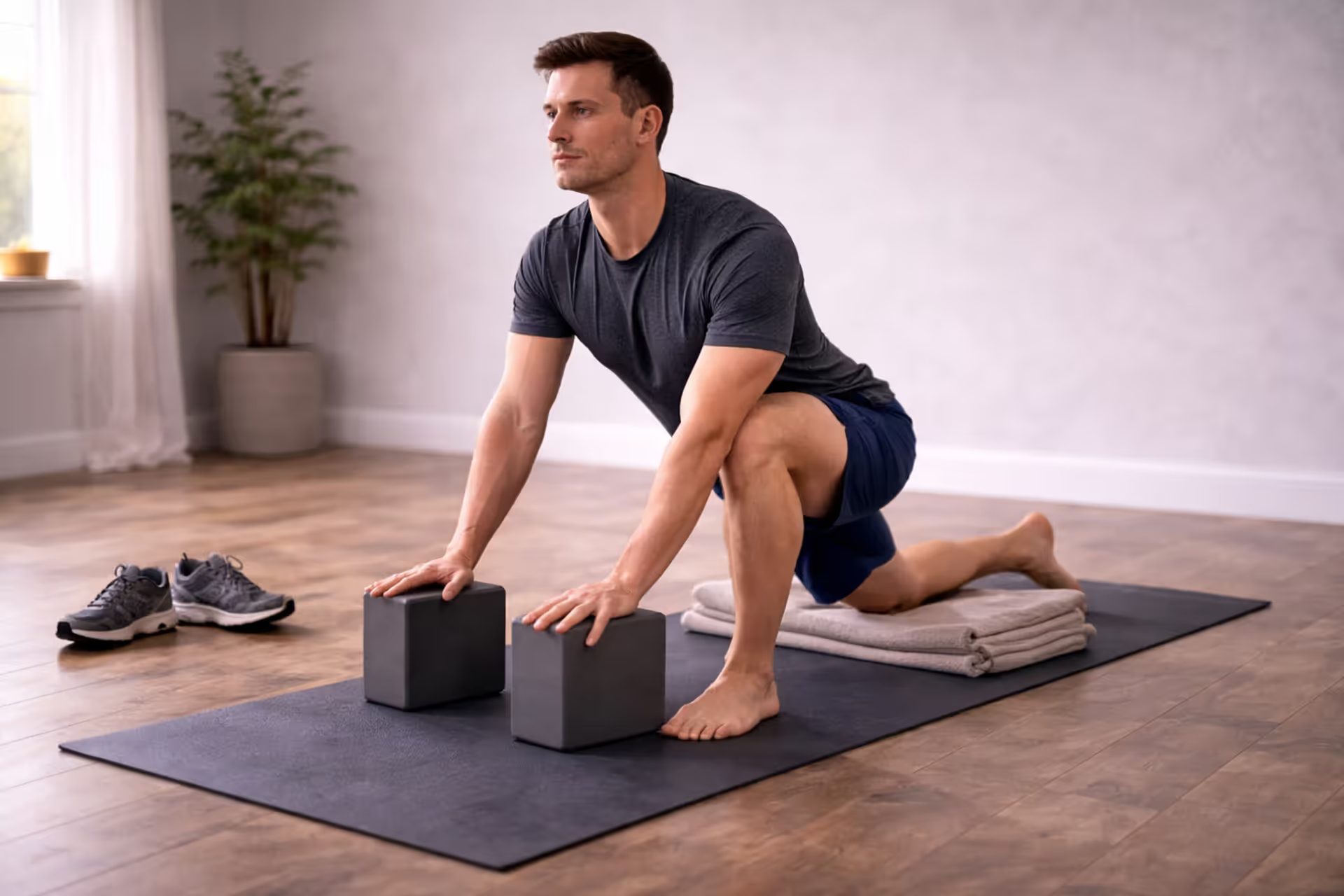
Low Lunge (6 breaths per side): Bring your right foot forward between your hands, then lower your left knee to the floor. Your right knee should stack directly over your ankle—not shooting forward past it. Rest hands on your front thigh or extend arms overhead. You should feel work in your front leg along with a stretch through your back hip flexor. This builds single-leg strength essential for balance poses.
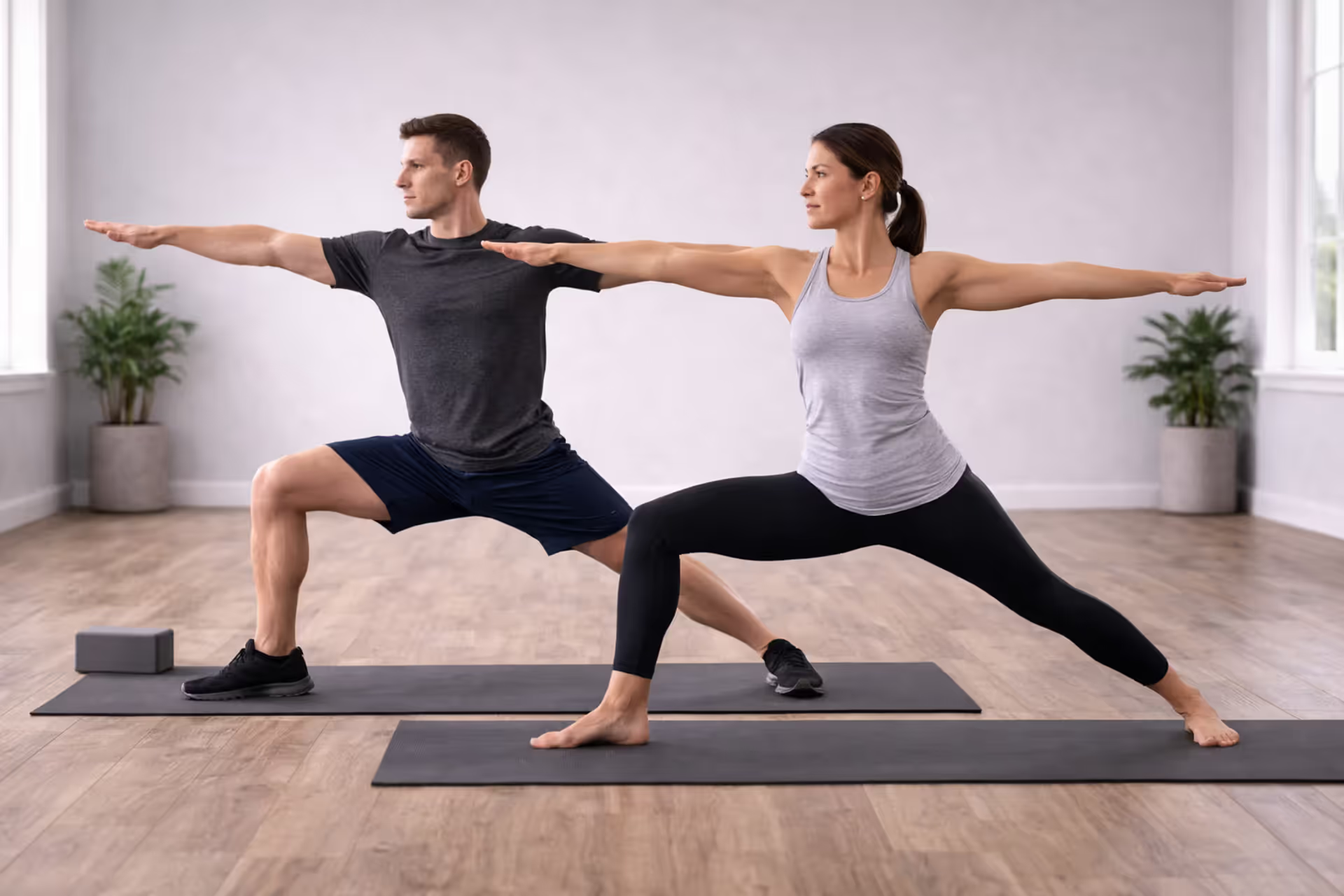
Warrior II (8 breaths per side): From that low lunge, spin your back heel down flat and press up to standing, extending arms out to the sides. Your front knee bends toward ninety degrees, tracking in line with your middle toes. Your back leg stays straight and active. Look out over your front hand. Notice how much your legs work after a few breaths—this is where slow flow builds genuine strength.
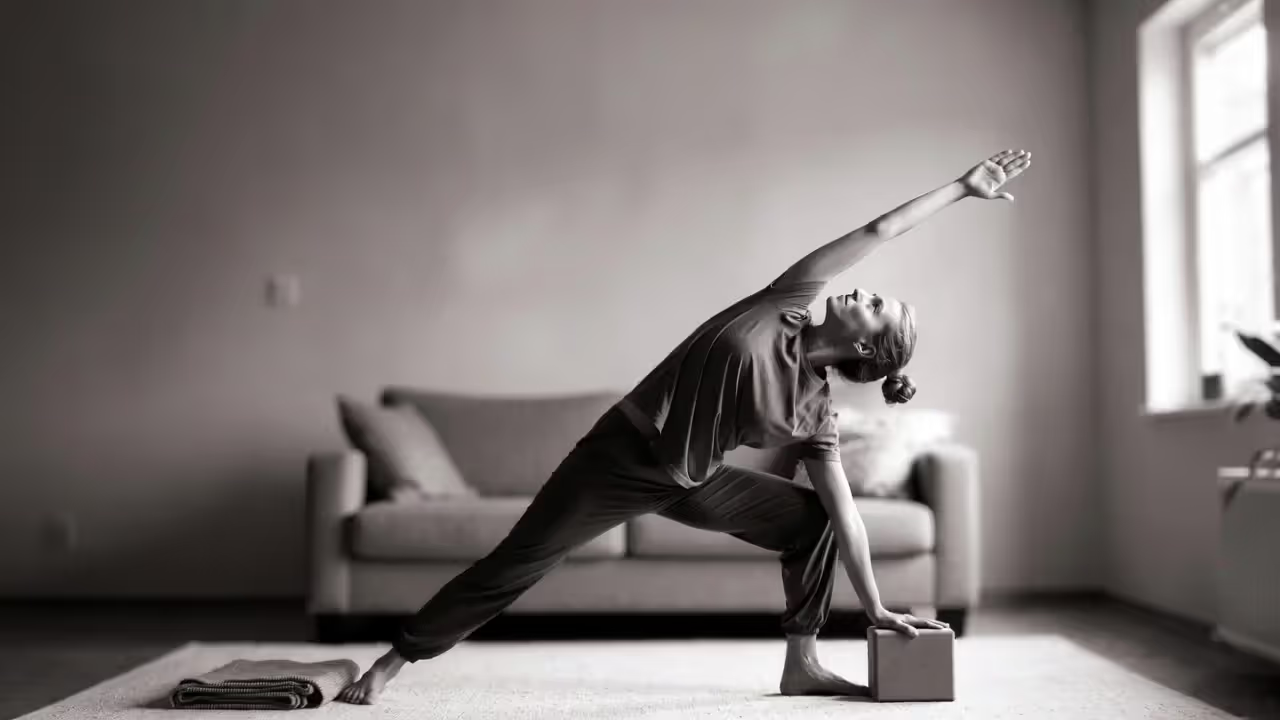
Triangle Pose (6 breaths per side): Straighten your front leg, reach your front arm forward, then let it drop down to your shin or a block. Your back arm reaches upward. Both legs stay active, pressing through all four corners of each foot. This teaches creating stability in asymmetrical positions.
Seated Forward Fold (10 breaths): Sit with legs extended forward. Breathe in to lengthen through your spine, breathe out to hinge forward from your hips rather than rounding your back. Hands rest wherever they land—shins, ankles, feet—depending on your flexibility. The goal is feeling a stretch along your hamstrings while maintaining a long spine, not touching your toes.
Supine Twist (8 breaths per side): Lie on your back, hug both knees into your chest, then let them fall to the right side. Extend arms out to the sides. This gentle twist releases back tension and signals to your nervous system that you're transitioning toward rest.
Final Relaxation (3-5 minutes): Lie flat, legs extended, arms resting by your sides with palms facing up. Let your eyes close and allow your breath to return to whatever pattern feels natural. This isn't nap time—you're staying aware of sensations, sounds, the feeling of floor beneath you, but without needing to change anything.
How to Link Movement with Breath
Transitions matter just as much as poses themselves when creating a calming yoga sequence. Move on your exhales when folding forward or lowering down. Move on your inhales when lifting, opening, or extending upward.
Moving from downward dog into low lunge, exhale as you step your foot forward. If your foot doesn't reach between your hands in one step, pause, take another breath, then walk it forward. This isn't failure—it's practicing mindful yoga movement instead of forcing positions your body isn't ready for.
Rising from low lunge into warrior II, inhale as you lift your torso and extend both arms. Notice how the inhale naturally supports upward movement.
Your breath should never become strained or held. If you're gasping or breathing raggedly, the pose is too intense. Back off—bend your knees more, use a prop, take a shorter stance.
Common Mistakes That Reduce the Effectiveness of Your Practice
Author: Logan Brooks;
Source: thelifelongadventures.com
Rushing through holds because the first few breaths feel easy. The initial 3-4 breaths in any pose often feel manageable. The real work starts around breath five, when muscles begin fatiguing and you're tempted to collapse into your joints or stop breathing. This is precisely when you should stay present, re-engage your muscles, and maintain steady breath. The discomfort of sustained muscular effort is where strength actually builds.
Stopping your breath when things get hard. Most people unconsciously hold their breath or shift to shallow chest breathing when a pose becomes challenging. This triggers your stress response, completely defeating the relaxation benefits. Create a non-negotiable rule: if you can't maintain steady breathing, modify the pose. Your breath pattern matters more than the shape you're making.
Hanging in your joints instead of actively engaging muscles. If you're naturally flexible, slow flow might feel underwhelming until you realize you're passively hanging in joint structures rather than using muscular effort. In warrior II, for instance, hypermobile practitioners often let their front knee collapse inward and lean their torso sideways. The practice becomes effective when you actively press your knee outward, engage your thighs, and stack your torso vertically over your hips. You should feel muscles working, not just ligaments stretching.
Measuring yourself against others or Instagram images. Someone with tight hamstrings might barely fold forward at all in a seated fold, while someone flexible might fold completely in half. Both can practice effectively by focusing on their own sensations—the tight person working on gradually lengthening, the flexible person engaging muscles to control their depth. The pose works when you're at your appropriate edge, not when you match someone else's range of motion.
Skipping final relaxation or cutting it short because you're busy. Many people finish their last active pose and immediately roll up their mat, missing the integration period where your nervous system processes what just happened. Final relaxation isn't optional filler—it's when the stress-reduction benefits actually consolidate. Your heart rate drops, blood pressure normalizes, breath settles, and the parasympathetic nervous system fully activates.
Moving slowly without any alignment awareness. Slow movement doesn't automatically equal safe movement. You still need basic alignment principles: knees tracking in line with toes during lunges, lengthening your spine before folding forward, stabilizing shoulders before bearing weight on your arms. Consider taking a few classes with an experienced teacher to learn these fundamentals, then apply them during home practice.
Frequently Asked Questions About Slow Flow Yoga
How long should I hold each pose in slow flow yoga?
Five to eight breaths works for most poses, which typically translates to 30-60 seconds depending on your natural breathing pace. Standing poses like warrior II might extend to 8-10 breaths as you build endurance, while transitional movements like cat-cow flow more continuously. The target is holding long enough that muscles fatigue slightly and you have time to refine your alignment, but not so long that you lose the flowing quality distinguishing this from yin or restorative styles.
Is slow flow yoga good for weight loss?
It burns fewer calories than high-intensity workouts—roughly 180-250 per hour versus 400-600 for vigorous vinyasa—but it supports weight management through several indirect pathways. It builds lean muscle tissue, which increases your resting metabolic rate. It reduces cortisol, which when chronically elevated promotes fat storage around your midsection. It improves body awareness, which research shows leads to better food choices. Most importantly, it's sustainable. People maintain slow flow practices for years, whereas many abandon high-intensity programs due to injury or burnout. Long-term adherence beats short-term intensity.
What equipment do I need to start?
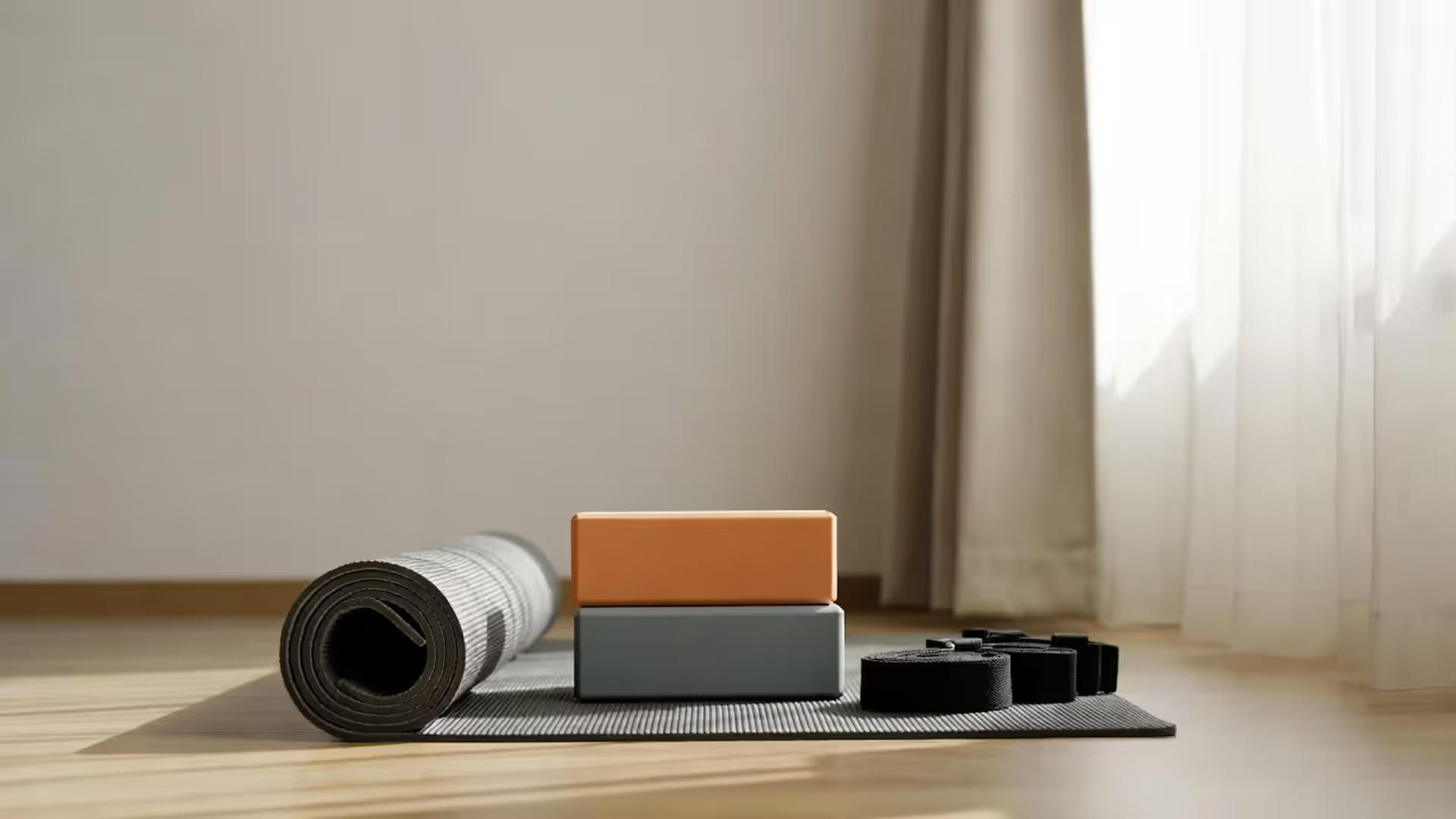
A yoga mat provides cushioning and traction, though carpet works in a pinch. Two blocks bring the floor closer in poses like triangle or make seated positions more comfortable. A strap (or belt) helps with stretches when you can't reach your feet. A folded blanket cushions knees during kneeling poses. Total investment: $40-70 for decent quality. That said, you can begin with household substitutes—thick hardcover books instead of blocks, a bathrobe tie instead of a strap—to test whether you enjoy the practice before purchasing specialized gear.
How many times per week should beginners practice?
Three sessions per week allows your body to adapt without overwhelming it. Space them across the week rather than clustering—Monday, Wednesday, Friday beats Friday, Saturday, Sunday. Each practice creates microscopic tears in muscle fibers and challenges your nervous system. Recovery days between sessions let adaptation occur. After 4-6 weeks of consistent practice, you can increase to 4-5 weekly sessions if you want. Daily practice is fine once you're experienced and listening to your body's feedback about when to push versus when to ease off.
Can slow flow yoga help with anxiety and sleep problems?
Research supports both applications. The combination of moderate physical activity, breath focus, and sustained poses activates your parasympathetic nervous system, which directly counteracts the fight-or-flight response underlying most anxiety disorders. For sleep specifically, practicing 2-3 hours before bed (not immediately before, since you'll be too alert right after) helps many people fall asleep faster and experience deeper sleep. The critical factor is consistency—benefits accumulate over weeks of regular practice. One session might help you feel calmer temporarily, but sustained practice creates lasting changes in how your nervous system responds to stressors.
What's the difference between slow flow and restorative yoga?
Slow flow involves active muscular engagement and builds strength. Restorative yoga uses props to support your body in passive positions requiring minimal muscular effort. In slow flow, you're holding warrior II feeling your legs burn. In restorative, you might recline over a bolster with your legs propped up, letting gravity create gentle opening while you do essentially nothing. Slow flow maintains body heat and keeps your heart rate mildly elevated. Restorative drops your heart rate close to resting levels. Both offer value—slow flow for building capacity while managing stress, restorative for deep recovery when you're depleted, sick, or completely exhausted.
The accessibility of this practice makes it valuable for nearly anyone willing to dedicate 20-30 minutes to mindful movement. You don't need existing flexibility, strength, or experience. You need a small space and willingness to pay attention to what your body tells you.
Start with the sequence outlined above, practicing three times weekly for a month. Notice what changes—not just obvious physical improvements in strength or flexibility, but how you respond during stressful moments, whether you're sleeping better, if you're more aware of tension patterns you habitually hold. These subtle shifts often matter more than visible physical changes.
The practice works because it addresses a fundamental problem in modern life: we're either pushing hard or completely collapsed, rarely occupying the middle ground where we're engaged yet calm, working yet not strained. Slow flow yoga trains you to inhabit that space, which turns out to be remarkably useful far beyond your mat.
Runners get tight hip flexors, stubborn calves, and underactive glutes from thousands of repetitive strides. This guide shows the best yoga poses for common running issues, when to do dynamic vs recovery yoga, a 15-minute cooldown sequence, and how often to practice for mobility without overstretching.
Struggling with tight hips, hamstrings, or shoulders? This guide explains why yoga improves flexibility better than static stretching—by retraining your nervous system and building strength at end range. Learn 12 essential poses, follow 15/30/45-minute routines, and avoid the mistakes that stall progress.
New to yoga? This beginner guide explains the real, science-backed benefits, the only gear that matters, and how to choose classes or practice at home. Learn 10 foundational poses with form cues, then follow a 20-minute routine—plus common mistakes to avoid and the best styles for your goals.
Back pain is common—but yoga can reduce pain and improve function when done right. Learn why it works for acute vs chronic pain, 8 proven relief poses, how often to practice, mistakes that worsen symptoms, when to seek yoga therapy, and posture/core habits that protect your spine daily.
The content on this website is provided for general informational and educational purposes related to health, yoga, fitness, and overall wellness. It is not intended to replace professional medical advice, diagnosis, or treatment.
All information, workout suggestions, yoga practices, nutrition tips, and wellness guidance shared on this site are for general reference only. Individual health conditions, fitness levels, and medical needs vary, and results may differ from person to person. Always consult a qualified healthcare provider before starting any new exercise program, dietary plan, or wellness routine.
We are not responsible for any errors or omissions, or for any outcomes resulting from the use of information presented on this website. Your health and fitness decisions should always be made in consultation with appropriate medical and fitness professionals.